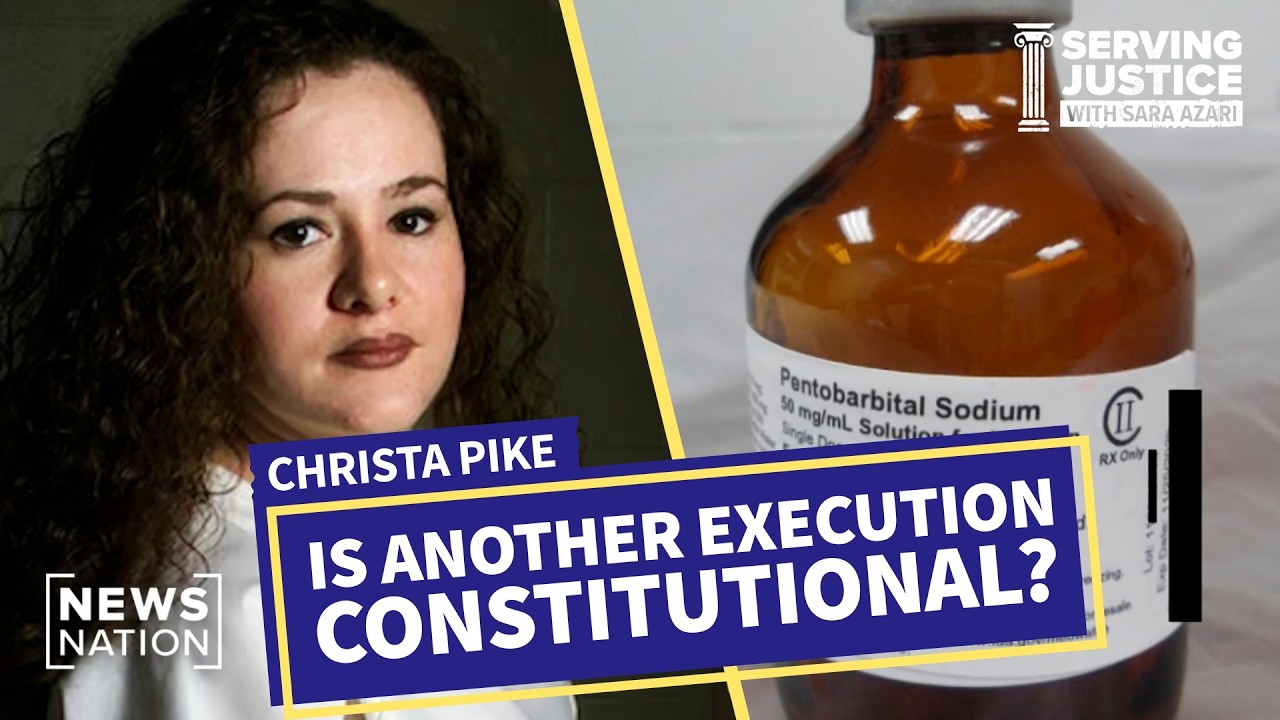
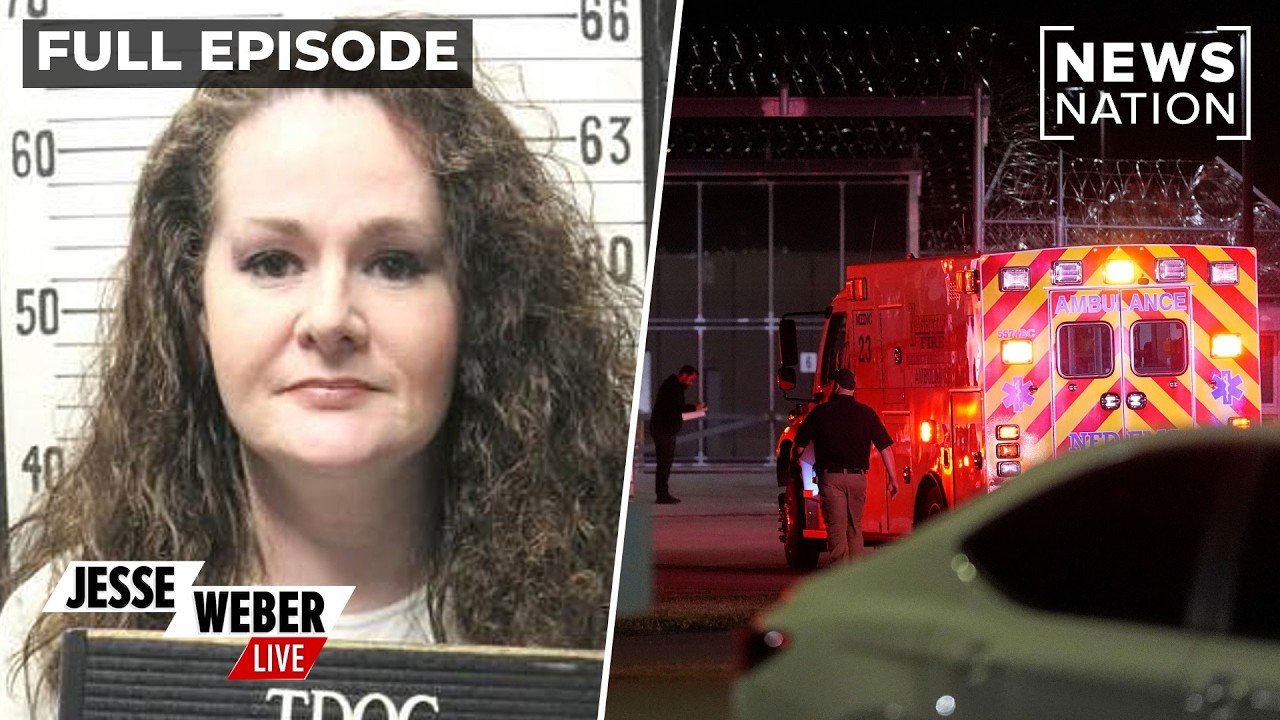
The tension between judicial mandate and physical execution
The core issue is whether a state can reliably carry out a death sentence when the physical body of the condemned resists the chosen method. This event reveals the gap between a legal decree of death and the technical capacity to implement it without causing prolonged suffering.
In such systems, the state often relies on a narrow set of medical protocols that may not account for individual physiological differences. When these protocols fail, the resulting state of limbo transforms a legal execution into a medical crisis, forcing a choice between abandoning the sentence or risking further accusations of torture.
Focus on the brutality of the process versus the nature of the crime
Coverage is split between the technical failure of the execution and the character of the prisoner. NBC News engages most deeply with the essential question of systemic failure by detailing the use of seven needles and the prisoner's venous issues, framing the event as torture. In contrast, Fox News and Daily Caller emphasize the brutality of the original crime, including the taking of a trophy, to provide context for the state's intent.
Daily Caller provides a critical detail by noting that the overseeing physician was involved in a previous failed execution, suggesting a pattern of incompetence rather than an isolated medical fluke. While most outlets report the statewide halt of executions, they largely omit a discussion on whether the state possesses a viable alternative method that avoids such failures.
New York Times reveals prisoner survived two doses of pentobarbital and suffered multiple needle insertions
New coverage from 1 outlets
New York Times deepens the analysis of systemic failure by reporting that Christa Pike survived two doses of pentobarbital and that seven needles were used in her left arm alone, one of which appeared bent. This evidence moves the conversation from a singular medical accident to a broader question of whether the state's pursuit of a painless death is fundamentally unreliable.
By providing a historical overview of botched executions dating back to 1890, New York Times engages directly with the essential question of technical capacity. The reporting highlights a critical tension between those who view these failures as technical hurdles to be solved by adding drugs like potassium chloride and those who see them as evidence that the death penalty is inherently prone to torture.
While the coverage identifies a partisan divide over the moratorium, it focuses on the physical impossibility of guaranteeing a humane execution. This shift suggests that the state's failure is not merely a matter of physician incompetence, but a structural flaw in the application of lethal injections.
Breitbart reports Commissioner Frank Strada oversaw previous failed executions in Arizona
New coverage from 1 outlets
Breitbart deepens the analysis of systemic failure by reporting that Commissioner Frank Strada oversaw two executions in Arizona where officials were unable to find a vein. This detail moves the conversation from a general critique of medical protocols to a specific pattern of leadership failure. By linking the current botched execution to Strada's previous record, the reporting suggests that the incompetence is not a random medical fluke but a recurring issue tied to the person managing the process.
While Breitbart engages with the essential question of technical capacity by highlighting this history, it also presents the counter-argument from Governor Bill Lee. The Governor defends the protocol as a standard process used over 100 times nationally. This creates a tension between the individual record of the administrator and the theoretical reliability of the state's chosen method.
Pike's legal team seeks commutation of death sentence following failed execution
New coverage from 1 outlets
HuffPost reports that Christa Pike's legal team is now seeking to have her death sentence commuted. This moves the conversation from the technical failure of the procedure to the legal consequences of that failure. By framing the event as cruel and torturous, the legal challenge argues that the state's inability to execute the prisoner without prolonged suffering should invalidate the sentence itself.
HuffPost engages with the essential question of technical capacity by noting that the procedure lasted over 90 minutes despite two doses of pentobarbital. This detail reinforces the gap between the legal mandate and the physical reality of the execution. The coverage highlights a tension between the victim's family, who view the failure as a denial of justice, and the defense, who view it as a violation of human rights.
NBC News and CBS News reveal missing emergency oxygen and a bent needle used during the execution
New coverage from 4 outlets
These reports deepen the analysis of technical capacity by documenting the physical aftermath of the failed execution. CBS News provides a critical detail that one needle was removed from the prisoner's body bent at a 90-degree angle, while NBC News reports that emergency medical oxygen was missing from the execution room. These facts move the conversation from a general claim of incompetence to evidence of a catastrophic lack of basic medical preparedness.
NY Post and The Guardian engage with the essential question by detailing how pentobarbital was administered into the body rather than the bloodstream due to improperly placed IV lines. This specific failure confirms that the state's inability to secure a vein led to the drug leaking, causing the swelling and blistering reported by CBS News.
While the coverage remains focused on the state's failure, it now highlights a tension between the state's claim of following protocol and the physical evidence of procedural negligence. The reporting suggests that the failure was not an unpredictable medical anomaly, but a result of the execution team ignoring warning signs of IV failure and proceeding with backup doses regardless.
PBS and Fox News report previous execution failures and ignored warnings of thrombocytosis
New coverage from 5 outlets
These reports move the conversation from a singular medical accident to a pattern of systemic negligence. PBS engages with the essential question of technical capacity by linking this event to a 2022 failure involving Oscar Smith, noting a recurring lack of drug testing and untrained personnel. This evidence suggests that the state's inability to execute is a structural deficiency rather than an isolated fluke.
Fox News deepens the analysis of procedural failure by reporting that officials ignored prior warnings about the prisoner's thrombocytosis, a blood-clotting condition that made IV insertion difficult. This detail transforms the narrative from one of technical difficulty to one of conscious negligence. By highlighting that the state proceeded despite known physiological barriers, the coverage emphasizes the gap between the state's protocol and the actual medical needs of the condemned.
While BBC and PBS credit the Governor's order for an independent review, the coverage remains focused on the physical trauma of the prisoner, who remains unconscious and intubated. Washington Examiner and NBC News provide updates on the prisoner's critical condition but omit the broader systemic context provided by other outlets. The reporting collectively suggests that the state's pursuit of the death penalty is hindered by a persistent failure to integrate medical reality into legal execution.
Prisons chief Frank Strada resigns as Governor Bill Lee orders independent investigation
New coverage from 1 outlets
PBS engages with the essential question of technical capacity by reporting that the resignation of prisons chief Frank Strada and the governor's order for an independent investigation are responses to a systemic failure rather than an isolated glitch. This reporting moves the conversation from the physical symptoms of the botched execution to the institutional accountability of the state's capital punishment system.
By noting that this is the second failed execution attempt in Tennessee this year, PBS links the current event to a broader pattern of procedural errors and state secrecy. This evidence suggests that the technical inability to carry out a death sentence is a recurring structural flaw that the state can no longer treat as a series of individual medical accidents.
BBC reports victim's family distress and medical efforts to clear pentobarbital from the prisoner's system
New coverage from 4 outlets
These reports move the conversation from administrative fallout to the human and medical aftermath of the failed execution. BBC engages with the essential question of technical capacity by reporting that doctors are now working to clear pentobarbital from the prisoner's system, highlighting that the state's failure created a medical crisis that persists long after the procedure ended.
While Washington Post and Washington Examiner focus narrowly on the prisoner's critical condition and reliance on a ventilator, BBC provides a broader perspective by including the distress of the victim's mother. This detail introduces a tension between the prisoner's suffering and the denial of closure for the victim's family, who now view the state's incompetence as a second injury.
By documenting both the medical struggle to reverse the lethal injection and the emotional toll on the bereaved, the coverage suggests that the state's technical failure does not only affect the condemned but destabilizes the entire purpose of the judicial mandate.