The medical anomaly of survival and its systemic implications
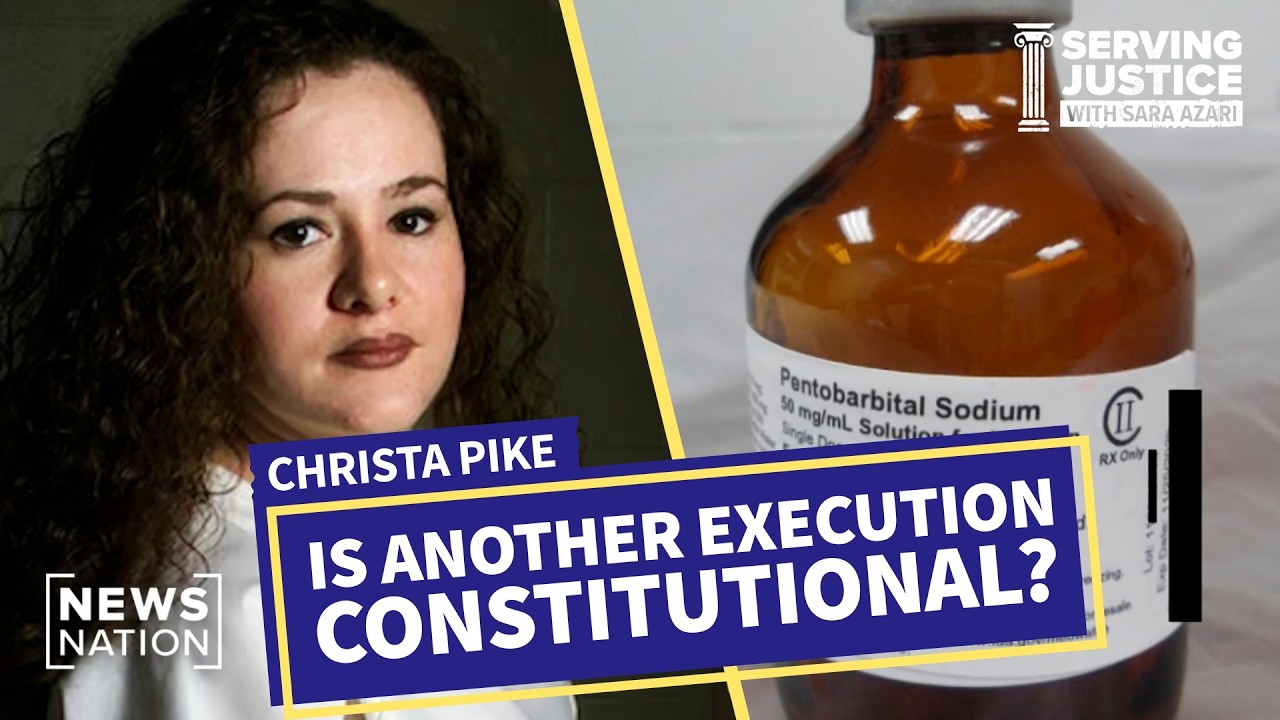
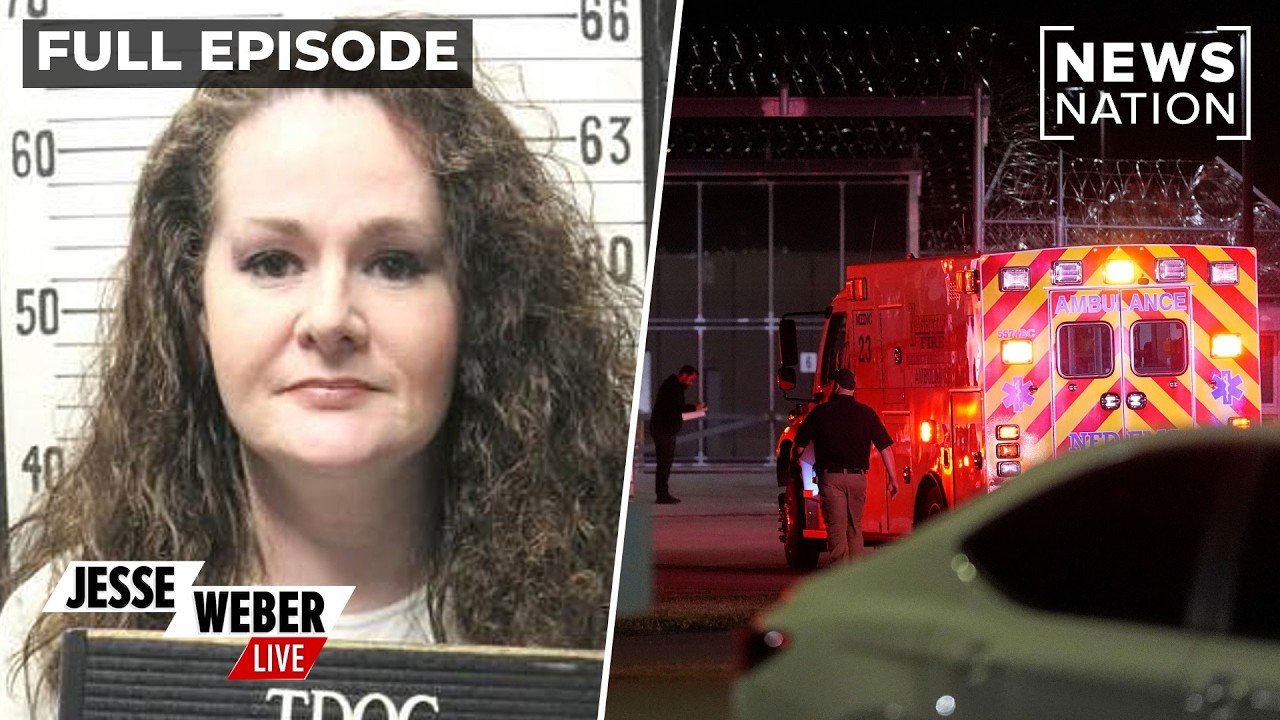
The core issue is whether a state can legally and ethically proceed with a death sentence after a completed execution attempt fails to result in death. This event is medically unprecedented because the subject survived two doses of pentobarbital, a drug designed to ensure cardiac arrest.
When the state's primary method of killing fails, it creates a legal vacuum regarding the prohibition of cruel and unusual punishment. The physical trauma caused by multiple needle insertions and chemical burns transforms the execution attempt into a medical emergency, shifting the state's role from executioner to healthcare provider while the subject remains shackled.
Focus on medical rarity and administrative fallout
Most outlets focused on the biological rarity of the survival and the immediate administrative consequences, such as the resignation of the prison chief and the suspension of executions. BBC provided critical depth by marking the event as medically unprecedented and noting the uncertainty of the survivor's long-term prognosis, including potential brain injury.
While ABC News and CBS News highlighted the procedural failures regarding IV placement, The Guardian and Newsweek framed the event as a broader critique of the death penalty's inherent incompetence. However, much of the coverage remained reactive to the survivor's current consciousness rather than questioning the structural reliability of lethal injection protocols. Readers should note that while many outlets reported the resignation of the prison chief, only The Guardian connected this to a pattern of five botched executions since 2022, providing necessary context on systemic instability.
BBC confirms Christa Pike as the first person to survive the actual administration of lethal toxins
New coverage from 4 outlets
These reports deepen the medical analysis of the event by distinguishing between procedural failure and biological survival. BBC provided a critical distinction by reporting that Pike is believed to be the only person in history to survive the actual injection of lethal toxins, whereas previous botched executions typically involved drugs failing to enter the veins. This finding transforms the event from a case of poor IV placement into a fundamental anomaly of drug efficacy.
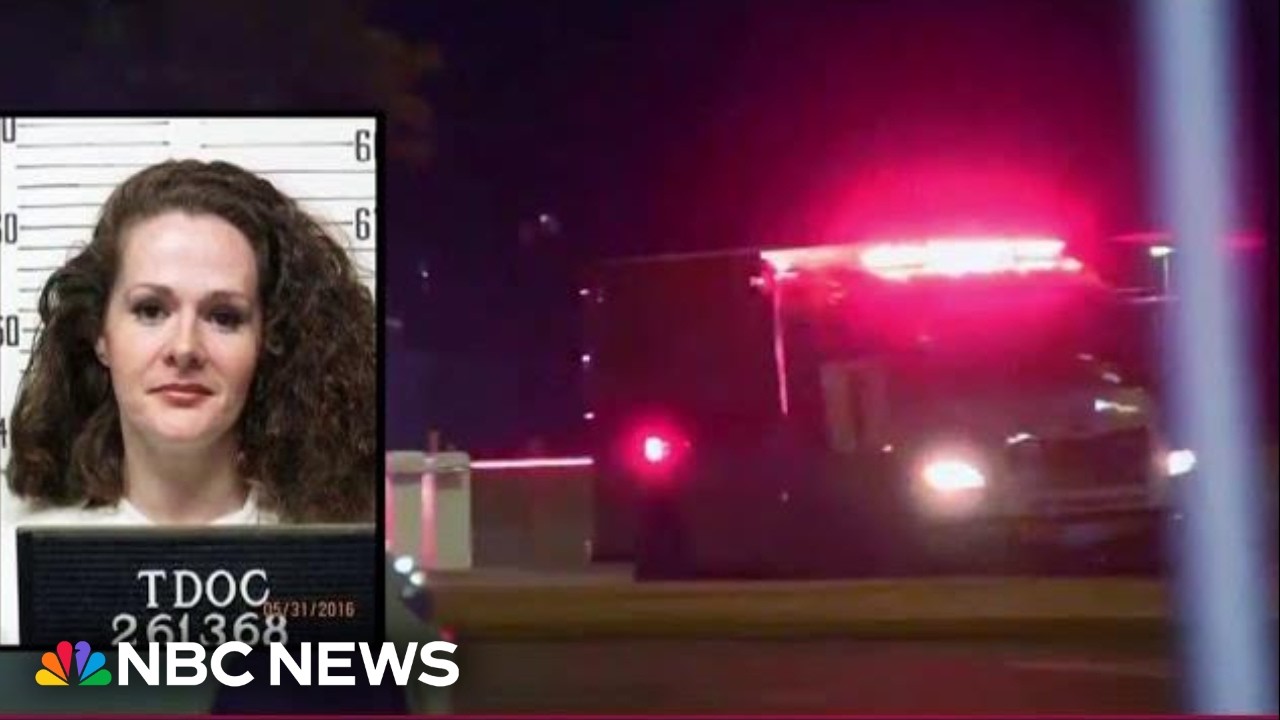
While Breitbart and NBC News focused on the physical suffering and the current state of the survivor, they missed the essential question of whether the protocol itself is flawed or if this was a unique biological outlier. Only BBC engaged with this by citing medical expertise to suggest the drug may have leaked into skin tissue rather than the bloodstream. This detail shifts the structural problem from one of medical incompetence to a question of how the state handles an unprecedented physiological failure during a legal execution.
Al Jazeera reports Pike as the first inmate to survive actual injection of lethal drugs
New coverage from 3 outlets
These reports transition from analyzing the biological rarity of the event to the legal crisis it creates. Al Jazeera engaged with the essential question by citing the Death Penalty Information Center to confirm that Pike is the first inmate in history to survive after the actual injection of lethal doses. This distinction separates the event from previous botched executions that failed due to delivery errors, grounding the systemic failure in the drug's efficacy rather than just procedural incompetence.
While Al Jazeera and HuffPost highlighted the legal efforts to commute the sentence to life imprisonment, Daily Caller focused on the physical trauma of the process, noting the use of at least seven needles. However, Daily Caller and HuffPost missed the core question of whether the protocol is fundamentally flawed, treating the event instead as a series of technical errors. The coverage now diverges between those viewing the survival as a basis for clemency and those, such as Senator Marsha Blackburn, who suggest alternative execution methods to ensure the death sentence is eventually carried out.