The failure of state execution protocols
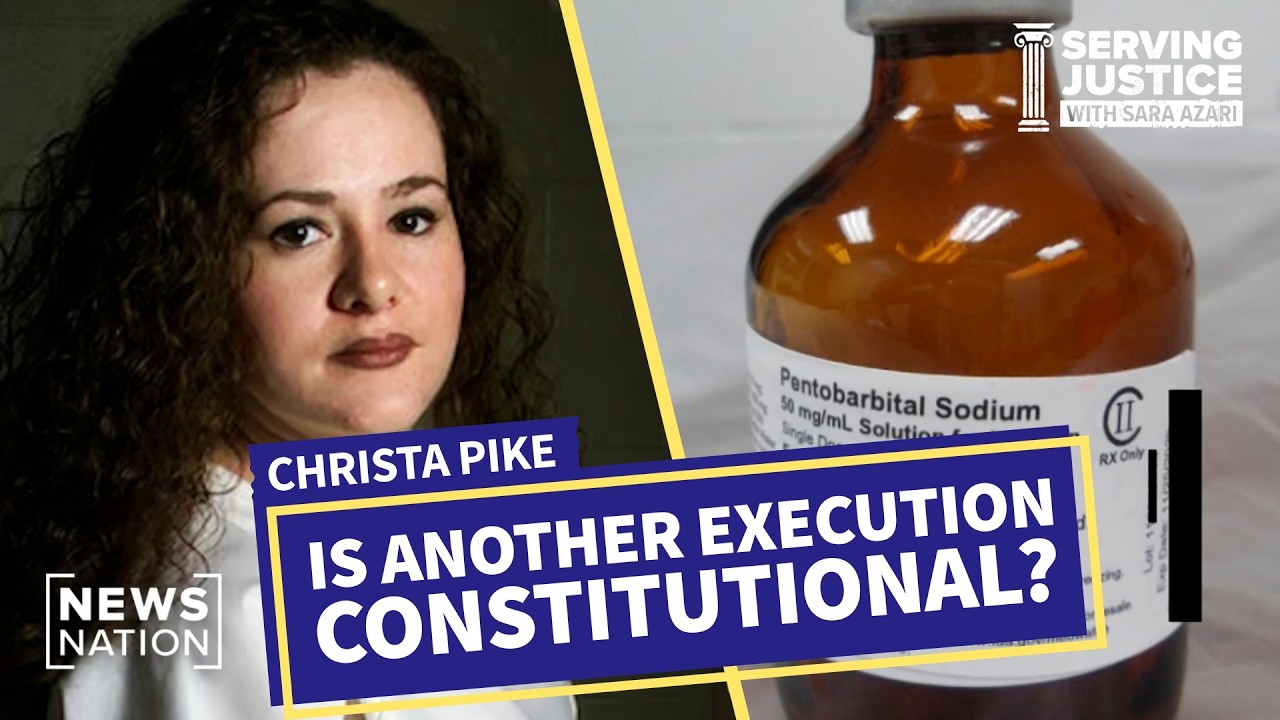
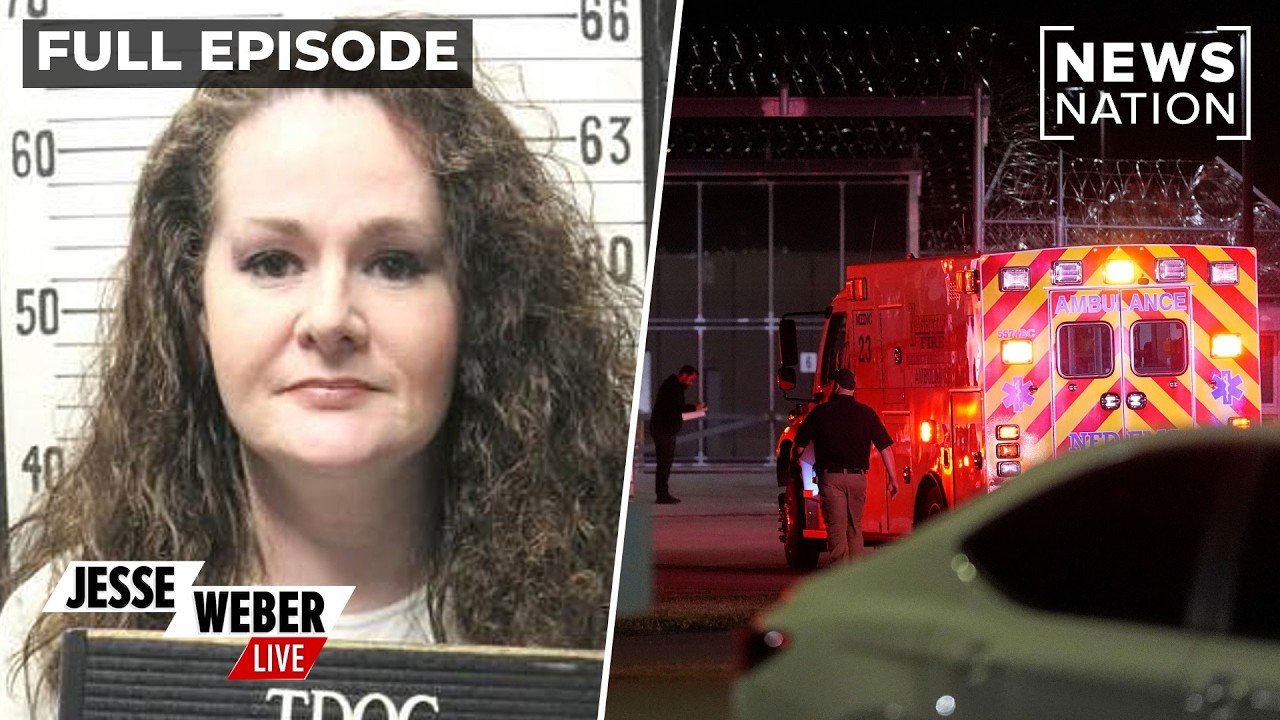
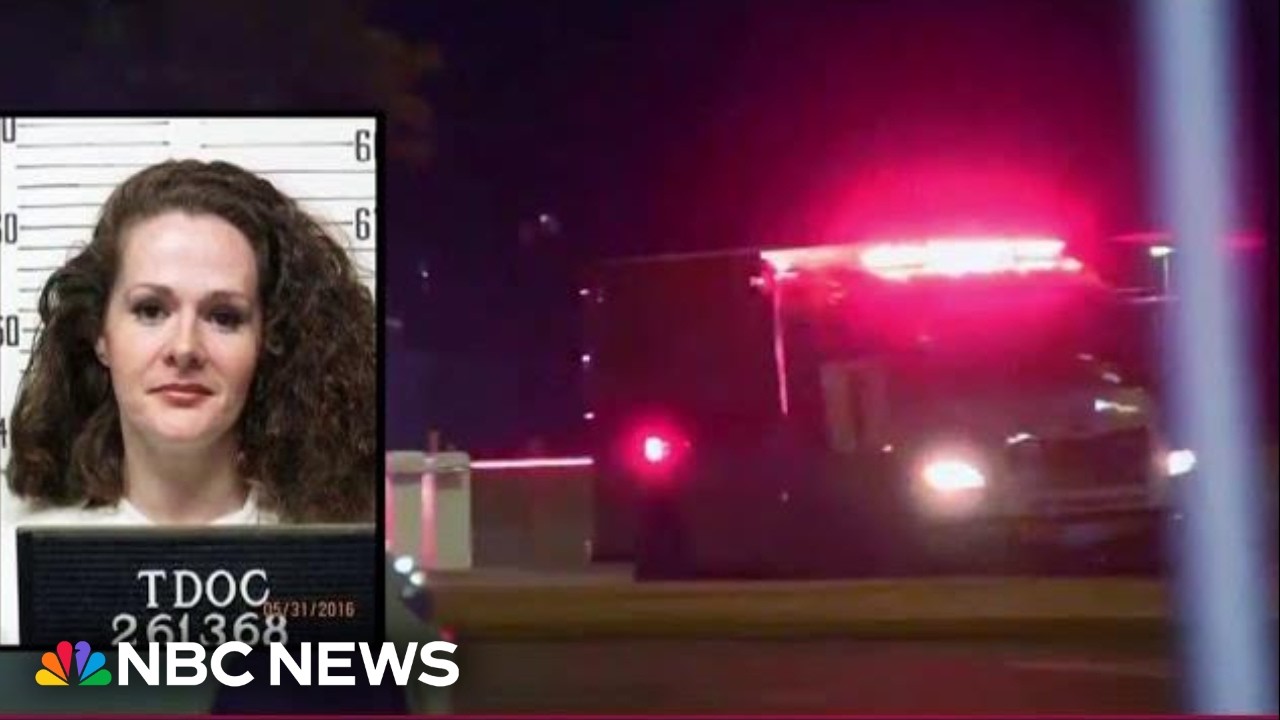
The central issue is whether the state can guarantee a death sentence is carried out without violating the prohibition against cruel and unusual punishment. The fact that two lethal injections failed to end a life and left the prisoner conscious and in pain suggests a breakdown in the technical application of the protocol.
In such systems, the state relies on specific chemical combinations to ensure a rapid loss of consciousness. When these fail, the process shifts from a legal execution to a medical emergency. The subsequent suspension of all executions indicates that the failure is viewed not as an isolated incident, but as a systemic risk that requires an external review of the entire process.
Focus on procedural failure and legal tension
The coverage focuses on the immediate failure of the execution and the resulting administrative pause. NBC News provides critical depth by reporting [★ 독자적 사실] that this follows another failed attempt earlier in the year, framing the event as a recurring failure of state protocols rather than a one-time error.
ABC News and NBC News both highlight the tension between the Supreme Court's decision to proceed and the defense's claims regarding childhood abuse. However, the outlets largely omit the structural conflict inherent in the state's role as both the executioner and the provider of life-saving medical care when the execution fails. While the reporting captures the fury of the victim's family and the legal motions of the defense, it stops short of questioning if the lethal injection method itself is fundamentally flawed.
BBC reports on the impact of pharmaceutical opposition and drug degradation on execution failures
New coverage from 3 outlets
Coverage has moved beyond the specific failure in Tennessee to examine the broader instability of the US capital punishment system. BBC engages with the essential question by reporting that pharmaceutical company opposition has made lethal injection drugs harder to obtain, creating a systemic vulnerability. This reporting connects the botched execution to a wider trend of states struggling to procure reliable chemicals, suggesting the failure is a result of a broken supply chain rather than just a technical error.
BBC further deepens the analysis by noting that the state's protocol lacks clear instructions for inmates who survive a second dose. This detail highlights a structural gap where the state prepares for the act of killing but fails to plan for the medical reality of a failed attempt. While TODAY repeats the basic facts of the governor's halt, it omits these systemic drivers, focusing only on the administrative outcome.
The Guardian and Daily Caller report on the inmate's survival after two doses and the physician's history of failed executions
New coverage from 5 outlets
These reports deepen the technical analysis of the failure by providing specific witness accounts. The Guardian reports [★ 독자적 사실] that the inmate remained awake and was snoring loudly 40 minutes after receiving two doses of pentobarbital. This detail transforms the event from a procedural delay into a medical anomaly, as the survival rate is described as unparalleled.
Daily Caller engages with the essential question of systemic failure by reporting [★ 독자적 사실] that Dr. Mark Fowler, who oversaw this procedure, was also involved in a failed execution in May 2026. This evidence suggests the failure may not be a result of drug quality alone, but of repeated human error or incompetence in the application of the protocol.
While PBS and NPR highlight the resurgence of debates over the death penalty for young offenders, they omit the specific history of the overseeing physician. By focusing on the broader legal debate, these outlets miss the concrete evidence of a recurring failure linked to a specific practitioner.
Mediaite reports inmate remained conscious and complained of burning sensations during failed execution
New coverage from 4 outlets
These reports deepen the analysis of the protocol's failure by documenting the inmate's physical state during the procedure. Mediaite engages with the essential question of prohibited pain by reporting that the prisoner was blinking, smiling, and complaining of burning sensations despite receiving two doses of pentobarbital. This testimony suggests that the failure was not merely a lack of death, but a prolonged state of conscious distress.
Mediaite further highlights a structural contradiction by citing the defense's claim that there was a lack of emergency medical care available during the botched process. This detail reinforces the earlier finding that the state fails to plan for the medical reality of a failed execution. While The Guardian and BBC repeat the fact that the inmate survived and required hospitalization, they omit the specific sensory descriptions of the inmate's pain, focusing instead on the administrative suspension of executions.