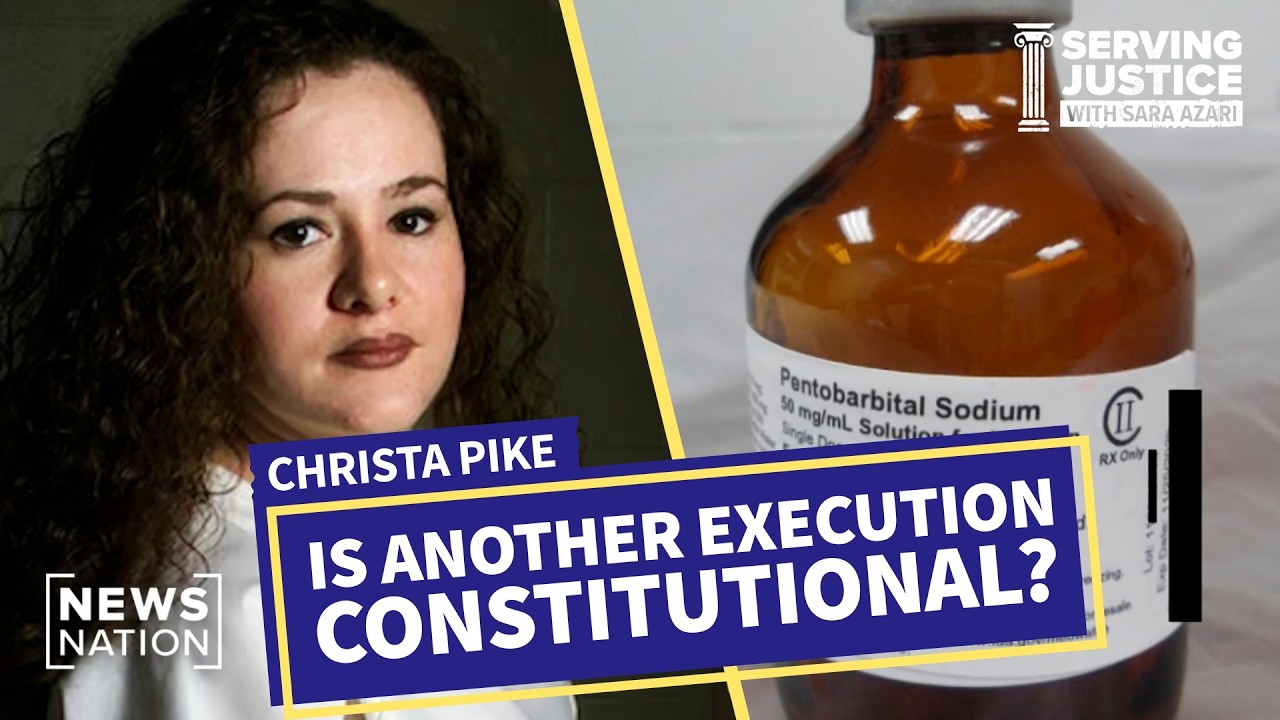
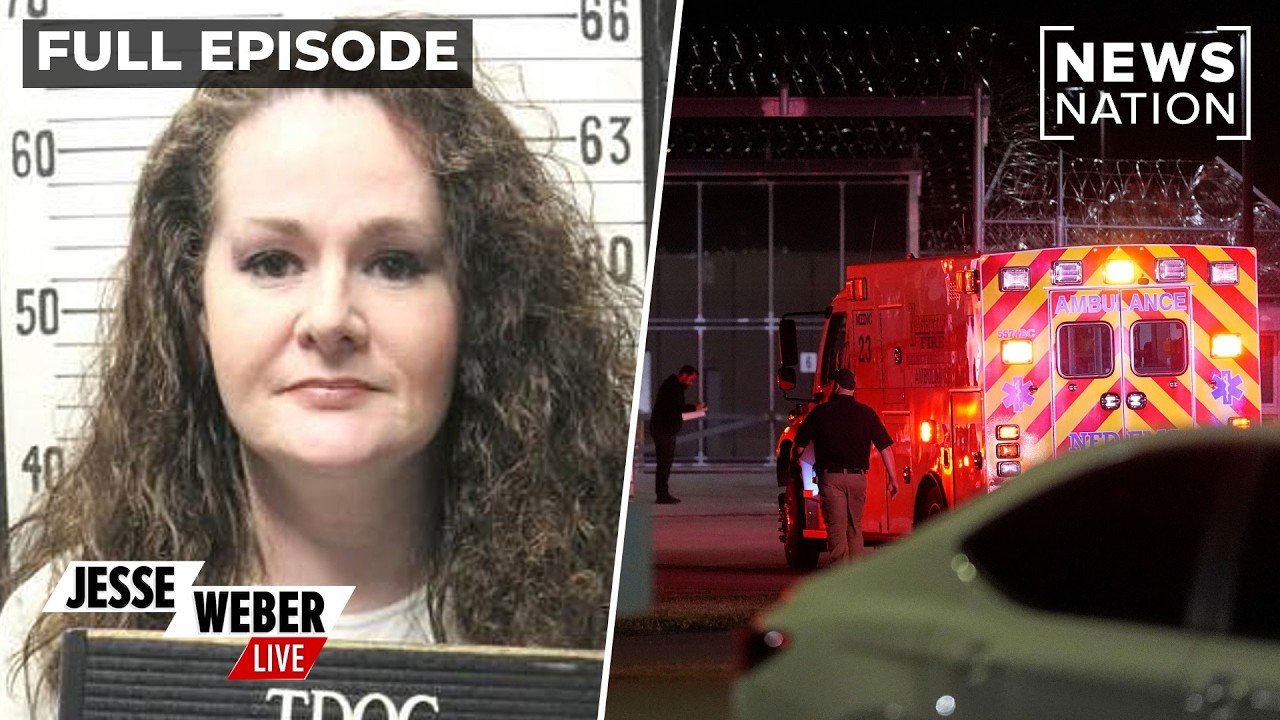
The legal paradox of surviving a death sentence
The core issue is whether the state may attempt to execute a prisoner again after a failed lethal injection. A botched execution creates a conflict between the state's mandate to carry out a sentence and the prohibition against torture or unnecessary suffering. If the first attempt caused severe physical or psychological trauma, a second attempt may be viewed as a violation of basic human rights.
Legal systems typically resolve such conflicts by evaluating if the failure was a fluke or a systemic error. When the procedure fails to produce death despite the administration of lethal drugs, the focus shifts to whether the prisoner's survival grants them a new legal standing to seek a commutation of the sentence.
Focus on recovery and procedure over systemic legality
Most outlets, including ABC News and NY Post, focused on the factual timeline of the prisoner's discharge from the hospital and her physical recovery. They highlighted the prisoner's gratitude toward medical staff, framing the event as a medical anomaly rather than a legal crisis.
CBS News and Newsweek engaged more deeply with the essential question. CBS News identified the shift in legal strategy toward seeking a commutation of the sentence to avoid a second attempt. Newsweek connected the incident to broader systemic failures in the administration of the death penalty. However, the coverage largely omitted the specific legal precedents or constitutional arguments that would determine if a second attempt is permissible, leaving the reader with a narrative of survival rather than a legal analysis of state power.
Tennessee prison official resigns following reports of failed execution protocols
New coverage from 3 outlets
The focus has moved from the prisoner's medical status to the failure of state execution protocols. The Guardian engaged with the essential question by contrasting official claims that protocols were followed with witness accounts of an abnormal event and expert suggestions that the drug missed the vein. This reporting connects the botched procedure to concrete institutional consequences, specifically the resignation of Tennessee's top prison official and the governor's decision to pause executions for the year.
Other reports missed this systemic angle. Washington Examiner remained limited to a factual summary of the prisoner's return to custody. Mediaite focused on the public reaction to the event, highlighting arguments that the state's failure risks reframing a convicted killer as a victim. By prioritizing the victim's family's perspective over the legal paradox of a second execution, Mediaite omitted the central question of whether the state can legally attempt the procedure again.
Judge Myles orders preservation of evidence from the failed execution
New coverage from 2 outlets
These reports move beyond the fact of the prisoner's return to custody to highlight a specific judicial intervention. NPR engaged with the essential question by reporting that Judge I'Ashea Myles ordered prison officials to preserve all evidence related to the botched execution. This order transforms the event from a medical anomaly into a formal legal inquiry, as the evidence will be central to determining if a second attempt constitutes cruel and unusual punishment.
Washington Post missed this legal development. It remained limited to a factual update on the prisoner's transfer to a rehabilitation center, omitting the judicial order that elevates the case's legal stakes. By focusing only on the prisoner's physical location, Washington Post failed to address the core question of whether the state's failure creates a permanent legal barrier to further execution attempts.
Newsweek reports legal experts suggest double jeopardy may prevent a second execution attempt
New coverage from 1 outlets
Newsweek engaged with the essential question by introducing the legal argument that a second execution attempt could be challenged as a violation of double jeopardy. This moves the discourse beyond the administrative failure of the protocol to a fundamental constitutional conflict: whether the state's first attempt to end a life, despite its failure, constitutes a completed act that precludes a second attempt.
By framing the survival as a legal crisis rather than just a procedural error, Newsweek connects the physical event to the permanent legal standing of the prisoner. This reporting identifies a specific judicial mechanism that could resolve the paradox of the surviving death sentence, shifting the focus from whether the state *can* physically attempt the execution again to whether it is *constitutionally permitted* to do so.