Failed execution compounded by emergency response breakdown
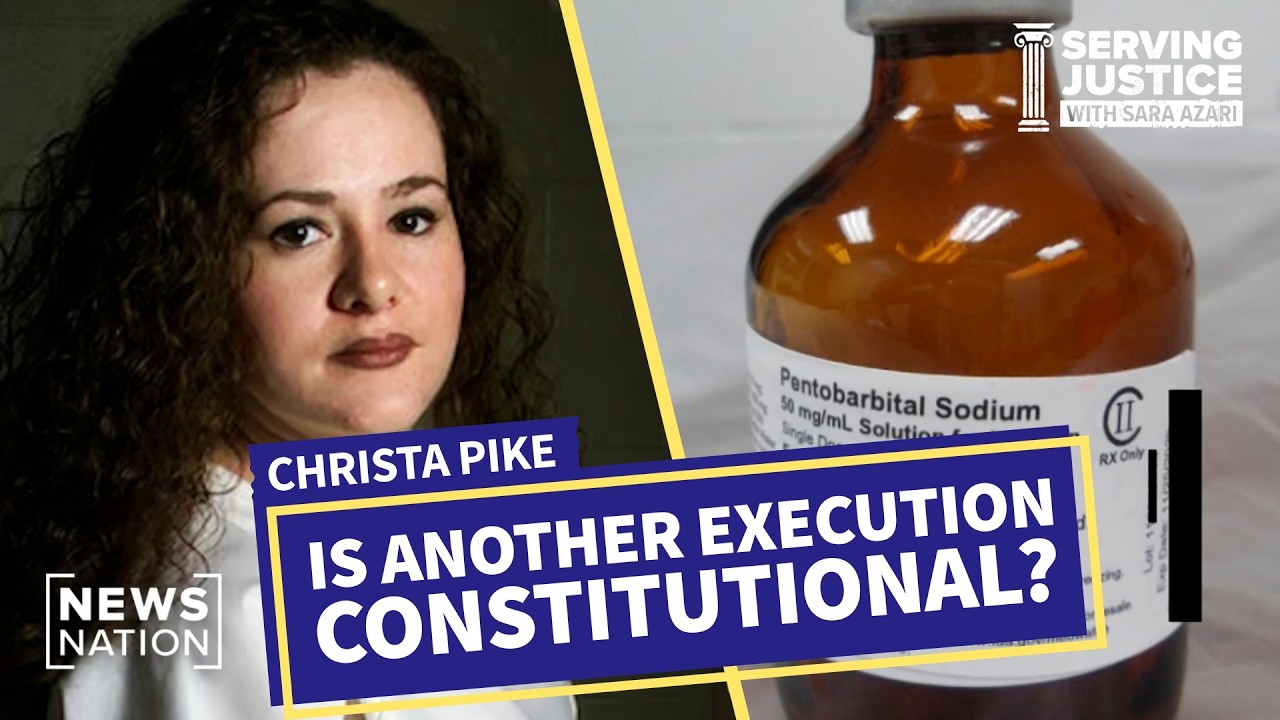
Christa Pike survived two doses of lethal injection on September 30. The Tennessee Department of Correction has not provided a cause for the failure, though external experts suggest a possible issue with the IV line.
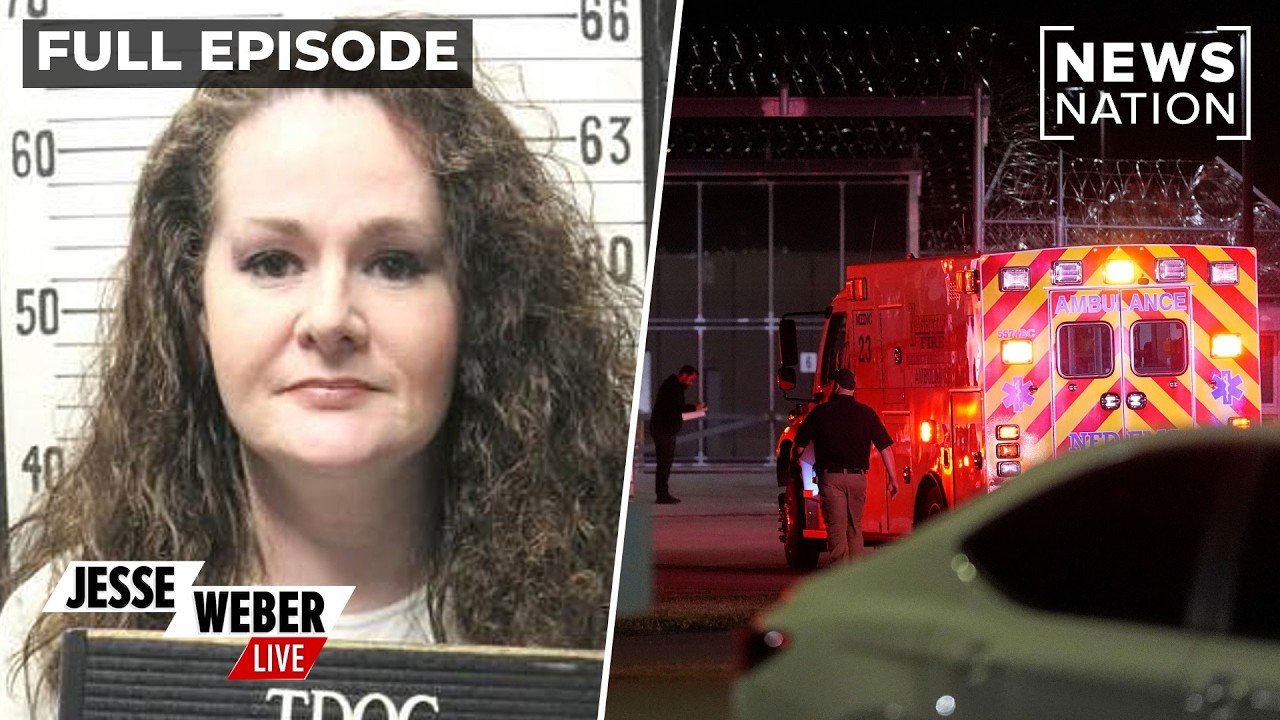
Following the failed execution, emergency medical treatment was delayed by approximately 30 minutes. First responders and dispatchers questioned the legitimacy of the call because the caller lacked a verification code. Prison Central Control initially denied making the request, which led responders to believe the call was false before entry to the prison was eventually granted.
Focus on communication failure and the source of the delay
The coverage across PBS, Washington Examiner, and CBS News converges on the theme of systemic confusion. All three outlets highlight the 30-minute delay in medical care as a critical failure following the botched execution.
PBS provided the most detailed account by reviewing 911 dispatch recordings [★ 독자적 사실], which allowed for a precise timeline starting from the first call at 8:40 p.m. CBS News complemented this by specifying the technical cause of the delay, noting the absence of a verification code and the initial denial from Prison Central Control. Washington Examiner provided a more general summary of the negligence and confusion without detailing the specific communication hurdles.
Newsweek reports judicial order for evidence preservation and gubernatorial suspension of executions
New coverage from 1 outlets
Coverage has deepened from documenting the communication breakdown to reporting the resulting state actions. Newsweek confirms that a judge has ordered the preservation of evidence and Governor Bill Lee has suspended all executions for the remainder of 2026.
By linking the 911 recordings to these specific legal outcomes, Newsweek engaged with the essential question of whether these failures constitute a systemic breakdown of state protocols. The report moves beyond the sequence of the delay to highlight the institutional accountability triggered by the event.
Emergency recordings and transcripts reveal swatting suspicions and prior protocol warnings
New coverage from 2 outlets
Recent reports deepen the understanding of the communication breakdown by detailing the specific nature of the confusion. BBC reports that dispatchers questioned if the emergency call was 'swatting', a prank call intended to draw a police response, while the execution chamber reported the inmate was still alive an hour after the drug administration. This detail confirms that the delay was not merely a technical error with codes, but a fundamental distrust of the request's legitimacy.
While BBC engaged with the systemic failure by highlighting the chaos of the response, wsmv.com shifted the focus toward the broader context of the execution. It noted that Pike's attorneys had previously warned about vague changes to Tennessee's lethal injection protocol. By linking the current failure to prior warnings, wsmv.com addressed the essential question of whether this was an isolated incident or a predictable outcome of flawed state protocols. However, wsmv.com also devoted significant space to the brutality of Pike's original crime and conflicting views on her character, elements that diverged from the systemic analysis of state failure.
911 recordings confirm dispatchers labeled emergency call as false and corrections head resigns
New coverage from 3 outlets
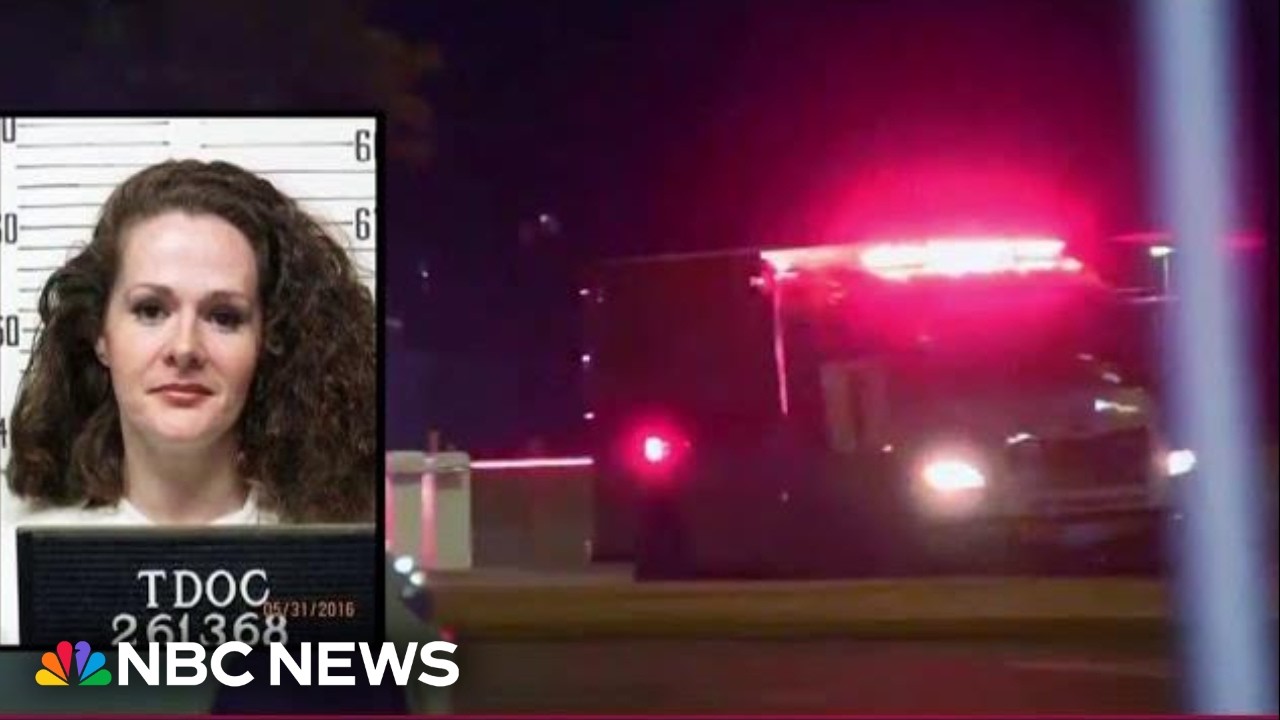
Recent reports deepen the analysis of the communication breakdown by providing the exact language used by state officials. NY Post and NBC News both utilized 911 dispatch recordings [★ 독자적 사실] to confirm that dispatchers explicitly labeled the request for medical assistance as a 'false call' while the prisoner was in critical condition. NY Post further detailed the physical chaos of the botched execution, reporting that the inmate was jabbed with seven needles, one of which bent.
BBC engaged with the essential question of systemic failure by reporting that the head of the state's corrections department is resigning following the incident. By linking the documented confusion in the 911 calls to a high-level resignation, BBC moved the narrative from a description of a botched event to a report on institutional accountability. These reports collectively demonstrate that the delay was not a result of vague confusion, but a specific administrative decision to dismiss a legitimate emergency as a prank.