JUSTSUSS AI-powered press divergence analysis
Headline news 2026.10.01 12:03 created · 10.30 14:02 updated
← Card Feed
Reference video

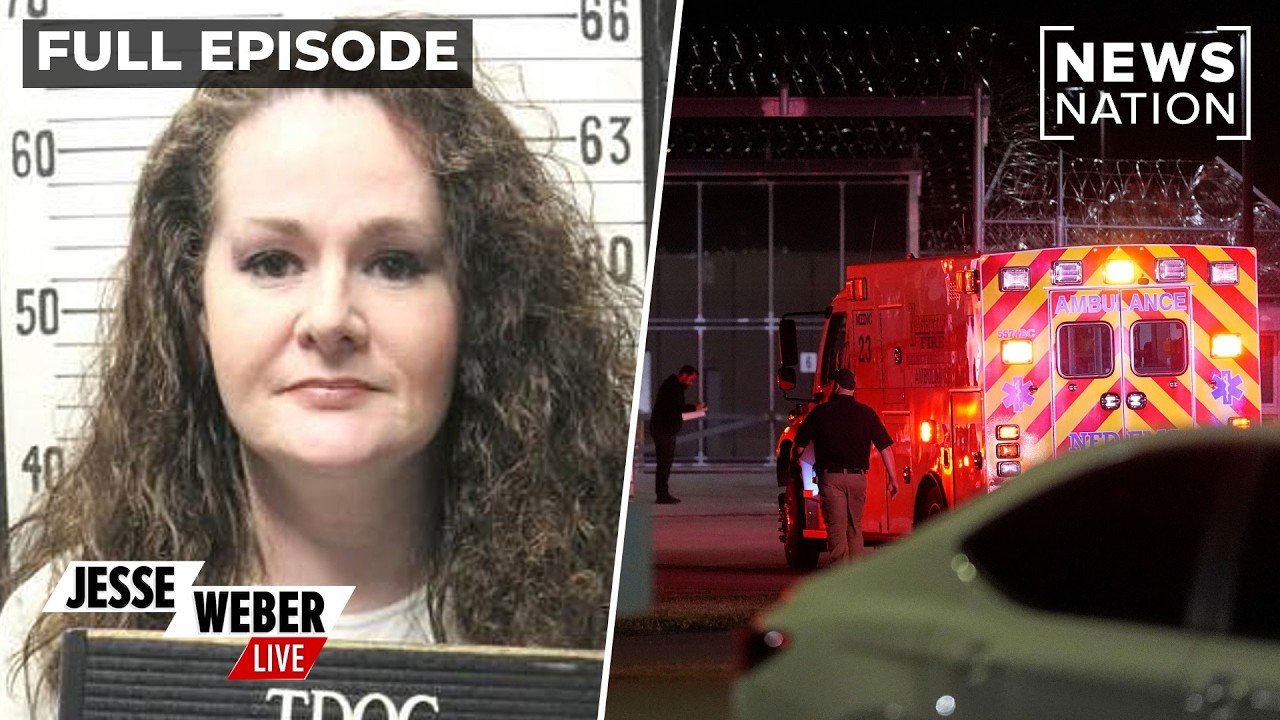
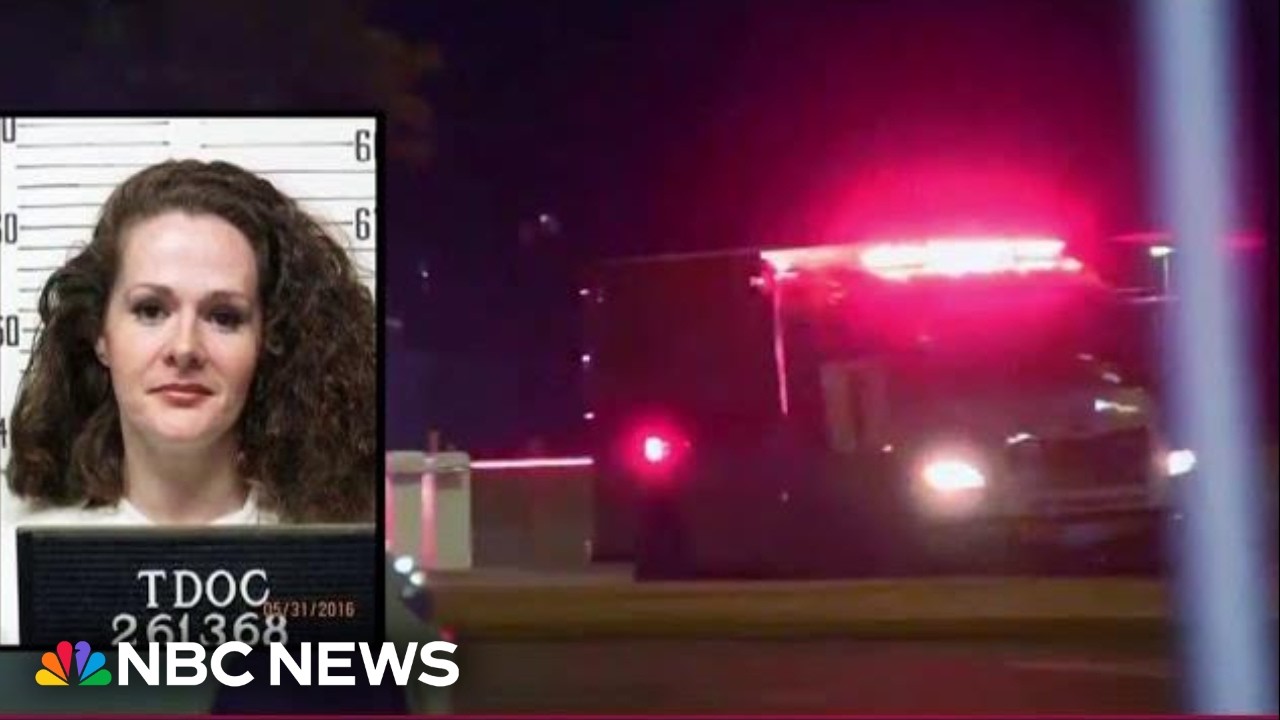
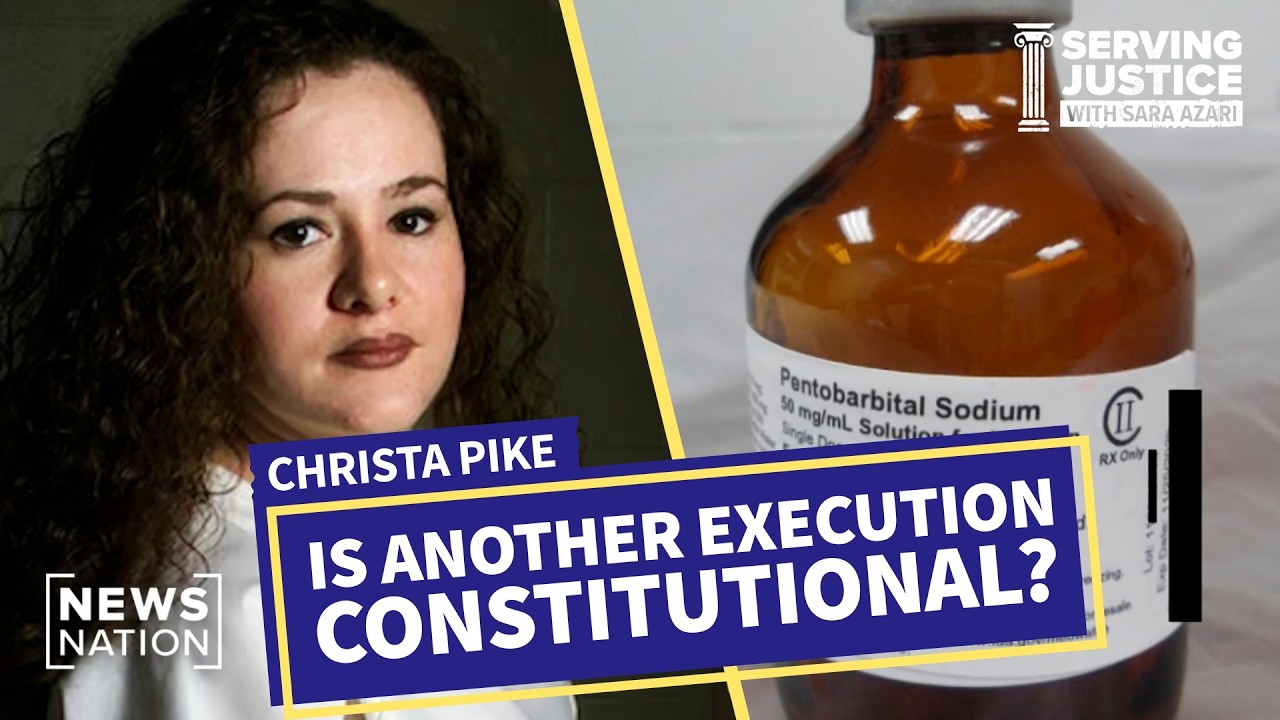
Christa Pike survives lethal injection in Tennessee

First inmate to survive a lethal injection drug cocktail.

Event Overview

On Wednesday night, Tennessee attempted to execute death row inmate Christa Pike at the Riverbend Maximum Security Institution in Nashville. Pike survived the procedure after two doses of pentobarbital failed to stop her breathing and heartbeat, with reports indicating she continued breathing for nearly an hour.

Following the failed attempts, Pike was transported to a hospital for medical care. In response, Governor Bill Lee halted all scheduled executions for the remainder of the year and ordered a third-party review of the incident.

Source facts (9)
1.

Christa Pike survived two doses of pentobarbital during the execution attempt.

NY Post
2.

The execution attempt took place at Riverbend Maximum Security Institution in Nashville.

Washington Post
3.

Pike continued breathing for nearly an hour after receiving the lethal drugs.

Washington Post
4.

Pike reported experiencing pain and burning during the process.

Newsweek
5.

Governor Bill Lee halted all scheduled executions for the year.

Breitbart
6.

District Judge Clifton L. Corker granted an emergency stay of execution to Pike's lawyers.

NY Post
7.

The Tennessee Department of Correction stated it followed all lawful protocols and that the chemicals used are consistently effective.

Breitbart
8.

Lethal injection has a reported botch rate of 7.20%, compared to 1.92% for electrocution.

Newsweek
9.

Robin Maher of the Death Penalty Information Center described the survival of the drug cocktail as singular and unparalleled.

NY Post

Message Distribution

systemic failure Systemic critique of the death penalty and state incompetence 78%
36 articles
● The Guardian — Christa Pike’s IV team warned vein might be ‘blowing’ before failed execution - The Guardian
Message

New detailed testimony from a lawyer reveals that Tennessee's execution team expressed significant doubts about the viability of Christa Pike's vein before proceeding with a failed lethal injection.

PBS — IV team warned Christa Pike's vein might have 'blown' during failed execution, court filing says
Message

A court filing reveals that Tennessee's execution team struggled for nearly an hour to place IVs in Christa Pike, with team members warning of ruptured veins before she survived the lethal injection.

NY Post — Christa Pike’s executioners were given ominous warning before botched lethal injection: court docs - New York Post
Message

Court documents detail the failures and warnings that preceded Christa Pike's botched lethal injection in Tennessee.

ABC News — Christa Pike's attorney describes botched execution, concerns about 'blown' veins
Message

New court filings from Christa Pike's attorney detail a botched execution attempt in Tennessee characterized by struggles to establish IV lines and the prisoner's survival of two lethal doses.

● The Guardian — Medical experts shocked by Tennessee team’s ‘malpractice’ in Christa Pike’s failed execution - The Guardian
Message

Medical experts describe the failed execution of Christa Pike as a display of astounding incompetence and medical malpractice.

● CBS News — Botched executions came after changes to state protocol
Message

Tennessee's lethal injection failures are linked to a trend of increasingly vague and reduced execution protocols that eliminate critical training and detail.

medical anomaly Factual reporting of a medical or procedural anomaly 15%
7 articles
Fox News — Death row killer Christa Pike describes waking up after execution she never expected to survive
Message

Christa Pike is speaking out about her physical and emotional suffering after surviving a failed execution attempt in Tennessee.

procedural breakdown Procedural breakdown within the justice system 7%
3 articles
Breitbart — Attorney: Christa Pike's Executioners Used 10 Needles and Bent One During Failed Lethal Injection
Message

Christa Pike survived a botched lethal injection attempt characterized by the IV team's struggle to find a vein and the use of multiple needles.

victim focus The writer intends to shift the reader's sympathy away from the 'botched' execution of the perpetrator and refocus it on the brutality of the crime and the innocence of the victim. 0%
0 articles

Editor's Analysis

The failure of lethal injection as a reliable instrument of state power

The core issue is whether the state can maintain the legality and morality of capital punishment when the physical process of execution fails. The survival of an inmate after two doses of pentobarbital suggests a gap between the theoretical protocol and the biological reality of the human body.

In these systems, the state relies on the assumption that chemical agents will act predictably to ensure a rapid death. When a procedure results in prolonged breathing and reported pain, the act shifts from a legal execution to a medical crisis. This failure forces a choice between attempting the procedure again or admitting that the method is inherently unreliable.

Coverage split between the singularity of the event and systemic failure

Most outlets focus on the immediate fallout, such as the suspension of executions and the order for a third-party review. NY Post highlights the unprecedented nature of the survival, noting that while vein-finding failures occur, surviving the drug cocktail itself is singular and unparalleled. In contrast, Newsweek and Breitbart frame the event as part of a broader pattern of systemic failure, with Newsweek specifically citing the higher failure rate of lethal injections compared to other methods.

While the Tennessee Department of Correction claims all protocols were followed, the coverage largely ignores the specific chemical standards or the procurement process of the drugs. The reporting focuses on the outcome of the botched procedure rather than the structural reasons why the chemicals failed to work. Readers should look for whether the upcoming third-party review addresses the drug quality or merely the administrative application of the protocol.

Reports identify compounding pharmacies and IV infiltration as primary causes of execution failure

New coverage from 3 outlets

These reports move beyond the fact of survival to analyze the mechanical and chemical reasons for the failure. Fox News and Newsweek engage with the essential question of reliability by detailing how IV infiltration—where the drug enters surrounding tissue instead of the vein—and individual metabolism can neutralize the intended effect of pentobarbital.

Newsweek specifically addresses the structural vulnerability of the drug supply, noting that pharmaceutical company boycotts force states to use compounding pharmacies with inconsistent quality standards. This detail transforms the event from a rare medical anomaly into a symptom of a compromised procurement system. The Guardian misses this technical analysis, focusing instead on the broader volatility of the death penalty and the inmate's personal history.

By highlighting the reliance on unregulated pharmacies, the coverage suggests that the state's inability to secure medical-grade chemicals makes the lethal injection protocol inherently unstable. The focus is no longer just on whether the protocol was followed, but whether the materials used are capable of functioning as intended.

CBS News distinguishes drug administration failure from biological survival

New coverage from 1 outlets

CBS News engages with the essential question of reliability by clarifying a critical distinction in execution failures. While previous botched attempts in Tennessee were halted due to IV access issues—meaning the drugs were never administered—this event is identified as the first instance where an inmate remained alive after actually receiving the lethal doses. This detail elevates the problem from a technical struggle with veins to a fundamental failure of the drug's potency or the body's response to it.

By linking this survival to a broader national trend of pharmaceutical boycotts, CBS News frames the event as a systemic vulnerability rather than an isolated medical anomaly. The reporting suggests that when states are forced to use degraded or secret chemicals, the predictability of death—the core requirement of a legal execution—is lost. This shifts the reader's attention toward whether any current lethal injection protocol can be considered reliable if the chemical agents themselves are compromised.

PBS reveals Tennessee corrections commissioner's history of botched executions in Arizona

New coverage from 2 outlets

PBS engages with the essential question of reliability by shifting the analysis from the chemicals to the personnel. The report provides the [★ 독자적 사실] that the current corrections commissioner, Frank Strada, oversaw several botched executions in Arizona before his appointment in Tennessee. This detail suggests that the failure may not be a result of random biological anomaly or drug quality alone, but a persistent pattern of administrative incompetence following a specific leader.

NBC News misses this structural analysis, limiting its coverage to a basic report of the survival. By focusing on the commissioner's track record, PBS transforms the event from a technical failure into a question of leadership and institutional negligence. This move suggests that the state's inability to execute reliably is linked to the appointment of officials with a documented history of operational failure.

Fox News highlights the victim's memory while Washington Post notes a second botched execution in one year

New coverage from 2 outlets

Washington Post engages with the essential question of reliability by noting that this event marks the second botched execution in Tennessee within a single year. This detail transforms the incident from a potential anomaly into a documented pattern of state failure, justifying the governor's decision to halt all executions.

Fox News misses this structural analysis entirely. Instead, it centers on the moral nature of the crime, using testimony from a former police chief to frame the technical failure as a distraction from the victim's suffering and the inmate's lack of remorse. By prioritizing the brutality of the original crime over the failure of the state's lethal instrument, the reporting shifts the focus from the legality of the process to the deservingness of the punishment.

BBC reports veteran journalist's observation on the rarity of survival after lethal injection

New coverage from 1 outlets

BBC engages with the essential question of reliability by providing a comparative historical context. Through the perspective of a reporter who has covered nearly 500 executions, the report notes that while 64 botched executions have occurred since 1982, surviving the injection phase is exceptionally rare. This detail challenges the narrative of systemic failure by framing the event as an unprecedented anomaly rather than a predictable outcome of current protocols.

However, BBC misses the structural analysis of drug procurement and personnel competence that defined previous reports. Instead, it highlights a tension between the inmate's survival and the memory of the victim, arguing that public focus on the botched procedure risks overshadowing the original crime. By centering the torture and murder of Colleen Slemmer, the coverage shifts the priority from the state's technical failure to the moral justification of the sentence.

The Nation argues the pursuit of humane execution has created a torture machine

New coverage from 1 outlets

The Nation engages with the essential question of reliability by arguing that the attempt to make executions humane via lethal injection has failed. The report claims that because medical professionals and pharmaceutical companies now shun the practice, states are forced to rely on incompetent staff and expired drugs. This transforms the botched procedure from a technical error into a systemic failure where the method itself becomes a torture machine.

By linking the technical failures in Tennessee and Alabama to a broader decline in professional support for the death penalty, The Nation suggests that no safe or humane method of state execution currently exists. This perspective shifts the analysis from the reliability of a single protocol to the inherent impossibility of a clinical execution in the current pharmaceutical climate.

NPR reports witness accounts of inmate survival and calls for return to electric chair

New coverage from 3 outlets

NPR engages with the essential question of reliability by providing [★ 독자적 사실] from a media witness who observed the inmate speaking and snoring long after the lethal doses were administered. This testimony, combined with attorney allegations of misplaced IV lines causing chemical burns, shifts the analysis from a theoretical protocol failure to the physical reality of prolonged suffering. By documenting that the inmate had to be transported to a hospital via ambulance, the report provides concrete evidence that the state's method failed to achieve a rapid death.

This round of coverage also introduces a political dimension to the failure. NPR notes that Republican candidate Marsha Blackburn has responded to the botched procedure by advocating for the return of the electric chair. This suggests that for some, the solution to the unreliability of lethal injection is not the abandonment of the death penalty, but a return to more primitive, mechanical methods of execution.

In contrast, NY Post misses the structural question of reliability entirely. It focuses on the emotional reactions of the inmate's family, highlighting the paradox of relatives feeling excited that a convicted murderer survived. By centering the family's joy and the inmate's anger, the reporting moves the focus away from the state's failure and toward the personal dynamics of the perpetrator's circle. Washington Post maintains a broader perspective, framing the event as a reflection of the unsettled state of capital punishment in the U.S., but it offers no new technical or factual evidence to deepen the analysis of the failure itself.

Reason reports lethal injection has the highest botched rate at 7.2 percent compared to other methods

New coverage from 4 outlets

These reports move from analyzing why this specific execution failed to questioning whether any clinical method of killing can be reliable. Reason engages with the essential question of reliability by providing data from the Death Penalty Information Center, noting that lethal injection has a 7.2 percent failure rate, the highest among all methods. By contrasting this with the perfect success record of the firing squad, the reporting argues that the state's attempt to sanitize the death penalty through clinical means actually increases the risk of a botched, painful procedure.

NPR deepens the analysis of physical suffering with the [★ 독자적 사실] that Christa Pike is the first person in the history of capital punishment to survive after receiving the full lethal drug cocktail. This detail transforms the event from a typical 'botched' attempt—usually defined by failed IV access—into a total failure of the chemical agent's intended effect.

PBS and BBC miss this technical and statistical depth. PBS frames the event as a general prompt to debate the possibility of humane execution, while BBC focuses on gathering public opinion from pedestrians in Washington DC. By shifting toward general sentiment and philosophical debate, these outlets omit the concrete failure rates and biological anomalies that define the state's current inability to execute reliably.

Washington Post and The Guardian report on Pike's prior warnings regarding blood disorders and the request for hanging

New coverage from 3 outlets

Washington Post engages with the essential question of reliability by detailing the specific medical vulnerabilities that preceded the failure. The report notes that Pike's legal team had warned the state about her blood disorder and small veins, arguing that these factors made the standard protocol prone to failure. This evidence suggests that the botched execution was not a random biological anomaly, but a predictable outcome of applying a rigid protocol to a patient with known medical contraindications.

The Guardian moves the analysis from technical reliability to a moral critique of the method. The report highlights that Pike specifically requested to be hanged to avoid the anticipated pain of the injection, yet the state proceeded with the drug. By framing the resulting severe arm injuries and potential brain damage as an act of torture, The Guardian argues that lethal injection serves to medicalize state brutality rather than ensure a humane death. This shifts the focus from whether the protocol worked to whether the attempt to make execution clinical is inherently deceptive.

The Guardian reports Christa Pike as the only person to survive a full lethal injection in US history

New coverage from 1 outlets

The Guardian engages with the essential question of reliability by providing the [★ 독자적 사실] that Christa Pike is the only person in United States history to survive a full lethal injection execution. This detail elevates the event from a localized failure of protocol to a unique biological and chemical anomaly that challenges the fundamental premise of the method's efficacy.

These reports move the analysis from the mechanics of a single botched procedure to the political environment enabling the death penalty's resurgence. The Guardian frames the event within the context of executive orders and the influence of Christian nationalists, arguing that the push for harsher punishments is outpacing the state's ability to carry them out humanely. By discussing the failures of nitrogen gas and firing squads alongside the Tennessee case, the coverage suggests that systemic failure is not limited to one drug cocktail, but is a characteristic of the current execution landscape.

This shift transforms the event into a symbol of a regressive movement where the desire for retribution overrides the technical requirement for a reliable and painless death. The focus is no longer just on whether the state can fix a specific protocol, but whether the political will to execute has rendered the question of reliability secondary to the act of punishment.

USA Today identifies Dr. Mark Fowler as the common link in two botched Tennessee executions

New coverage from 1 outlets

USA Today engages with the essential question of reliability by providing the [★ 독자적 사실] that Dr. Mark Fowler oversaw both the botched execution of Christa Pike and a previous failed attempt on Tony Carruthers in May. This detail transforms the narrative of systemic failure from a general administrative issue into a specific pattern of clinical incompetence. By linking these two events to the same individual, the reporting suggests that the state's inability to execute reliably is not merely a result of drug quality or biological anomalies, but a failure to remove personnel with a documented history of operational failure.

This round of coverage also resurfaces the issue of medical contraindications, which had become peripheral. USA Today notes that officials proceeded with the execution despite repeated warnings from medical experts regarding Pike's blood conditions and venous access. This evidence suggests that the botched procedure was a willful choice by the state to prioritize the execution schedule over known medical risks, rendering the failure predictable rather than accidental.

Updates

Oct 31 · Christa Pike reports physical and mental pain Updated 14:01

Fox News reported that Christa Pike was sentenced to death in 1996. In a statement released via her legal team, Pike reported suffering from persistent physical and mental pain and described her current isolation in a prison medical ward. Pike expressed regret for the pain caused to the victim's family and criticized the incompetence of the execution process, according to Fox News.

Fox News introduces the personal perspective of the survivor, shifting the narrative from technical and administrative failure to the physical and mental aftermath for the inmate. By reporting Pike's claims of persistent pain and isolation, the coverage adds a human dimension to the biological failure discussed in the first analysis.

While the reporting includes Pike's regret and her criticism of the state's incompetence, it balances this by noting Governor Bill Lee's signal that her death sentence is unlikely to change. This creates a tension between the documented failure of the method and the state's resolve to carry out the punishment regardless of the technical crisis.

Readers should now watch whether the third-party review considers the inmate's current medical state as a factor in determining if a second attempt at execution would constitute torture.

Source facts (3)

Christa Pike was sentenced to death in 1996.

Fox News

In a statement released via her legal team, Christa Pike reported suffering from persistent physical and mental pain and described her current isolation in a prison medical ward.

Fox News

Christa Pike expressed regret for the pain caused to the victim's family and criticized the incompetence of the execution process.

Fox News

Oct 30 · CBS News reports reduction of 2025 execution protocol Updated 08:11

CBS News reported that the 2025 execution protocol was reduced from over 100 pages to 44 pages. According to CBS News, the 2025 protocol removed detailed instructions for the IV team and eliminated mandatory practice training with volunteers. CBS News also cited a 2022 independent review that noted a lack of expertise within the Tennessee Department of Corrections.

CBS News provides a critical link between the failed execution and state policy by revealing that the 2025 execution protocol was slashed from over 100 pages to 44. By documenting the removal of detailed IV instructions and the elimination of mandatory practice with volunteers, the report transforms the event from a series of individual errors into a calculated administrative degradation.

This evidence directly answers the first analysis's question regarding the gap between protocol and reality. The failure was not caused by a lack of protocol, but by the intentional thinning of it. The fact that a 2022 independent review had already warned of a lack of expertise suggests the state ignored systemic risks long before the procedure failed.

Readers should now watch whether the third-party review focuses on the personnel's performance or the policy decisions that removed the training and guidelines necessary for that performance.

Source facts (3)

The 2025 execution protocol was reduced from over 100 pages to 44 pages.

CBS News

The 2025 protocol removed detailed instructions for the IV team and eliminated mandatory practice training with volunteers.

CBS News

A 2022 independent review cited a lack of expertise within the Tennessee Department of Corrections.

CBS News

Oct 24 · Medical experts analyze Tennessee execution team's procedures Updated 07:37

ABC News reported that Christa Pike regained consciousness on October 6 and that the incident is being used as evidence in a legal challenge by death row inmates against the constitutionality of Tennessee's execution protocol. Breitbart reported that a former police chief described the crime committed by Pike as 'pure evil' and stated that the murder of Colleen Slemmer involved beating, cutting, and crushing the victim's skull. According to The Guardian, Pike spent ten days in the hospital before returning to her cell. The Guardian reported that medical experts Jonathan Groner and Joel Zivot argue that the execution team's failure to follow medical standards, including ignoring signs of vein failure and improper ultrasound use, would constitute medical malpractice in a clinical setting. The Guardian further reported that experts suggest the event highlights inherent flaws and a 'medical charade' of lethal injections, noting that the Tennessee IV team used a 24-gauge needle, typically reserved for infants, to attempt to push a 50cc syringe of pentobarbital, which experts say would inevitably blow the vein.

The Guardian provides a critical technical explanation for the failure by revealing the use of a 24-gauge needle—typically reserved for infants—to push a 50cc syringe of pentobarbital. This specific detail transforms the event from a biological mystery into a case of predictable mechanical failure, as experts argue such a needle would inevitably blow the vein.

ABC News shifts the event's significance from a medical crisis to a permanent legal precedent. By confirming Pike regained consciousness on October 6, the report shows the incident is now being used as evidence to challenge the constitutionality of Tennessee's entire execution protocol [1].

Breitbart diverges from this systemic and technical analysis by focusing on the moral character of the inmate. By detailing the brutality of the murder of Colleen Slemmer, the coverage suggests that the severity of the crime should outweigh the technical failures of the state's method.

Readers should now watch whether the third-party review addresses the specific equipment choices and the medical qualifications of the IV team, as these factors now appear more decisive than the chemical potency of the drugs.

Source facts (8)

A former police chief described the crime committed by Christa Pike as 'pure evil.'

Breitbart

The murder of Colleen Slemmer involved beating, cutting, and crushing the victim's skull.

Breitbart

Christa Pike regained consciousness on October 6.

ABC News

The incident is being used as evidence in a broader legal challenge by death row inmates against the constitutionality of Tennessee's execution protocol.

ABC News

Medical experts Jonathan Groner and Joel Zivot argue that the execution team's failure to follow medical standards, including ignoring signs of vein failure and improper ultrasound use, would constitute medical malpractice in a clinical setting.

The Guardian

Christa Pike spent ten days in the hospital before returning to her cell.

The Guardian

Experts suggest the event highlights the inherent flaws and 'medical charade' of lethal injections.

The Guardian

The Tennessee IV team used a 24-gauge needle, typically reserved for infants, to attempt to push a 50cc syringe of pentobarbital, which experts say would inevitably blow the vein.

The Guardian

Oct 23 · Lawyer Randy Spivey provides account of failed Christa Pike execution Updated 23:49

Lawyer Randy Spivey provided a minute-by-minute account of the failed execution of Christa Pike, who was 18 years old when she committed a 1995 murder. According to the account, the IV team spent nearly an hour attempting to find a viable vein specifically in Pike's left arm, using up to 10 needles. During the procedure, the IV team expressed doubts regarding whether Pike's vein was 'blood or blown'. A needle used during the procedure appeared severely bent upon removal.

The narrative has shifted from a biological mystery regarding drug failure to the technical incompetence of the execution team. The Guardian and PBS provide a detailed account of the IV team using up to 10 needles over an hour and questioning if veins were 'blown' before proceeding.

PBS provides a critical detail that a needle appeared severely bent upon removal. This evidence suggests the failure was not a random biological anomaly but a predictable outcome of attempting to push chemicals into a compromised site. It directly answers the first analysis's question about the gap between protocol and reality by highlighting the physical failure of the delivery system.

Readers should now watch if the third-party review examines the qualifications and training of the IV teams, rather than focusing solely on the chemical potency of the pentobarbital.

Source facts (6)

Lawyer Randy Spivey provided a minute-by-minute account of the failed execution of Christa Pike.

The Guardian

The IV team used up to 10 needles over nearly an hour while struggling to establish a line.

The Guardian

The IV team expressed doubts during the procedure regarding whether Pike's vein was 'blood or blown'.

The Guardian

Christa Pike was 18 years old when she committed the 1995 murder.

The Guardian

The execution team spent nearly an hour attempting to find a viable vein specifically in Pike's left arm.

PBS

A needle used during the procedure appeared severely bent upon removal.

PBS

Oct 14 · Emergency records reveal delayed medical transport for Christa Pike Updated 20:46

Emergency call records show an initial request for an ambulance was dismissed as false because the caller could not verify their identity. Some prison staff later denied making that call, which delayed Christa Pike's transport to the hospital. Pike has since been discharged from the hospital. Her lawyers are now urging Governor Bill Lee to commute her sentence to life without parole.

The focus has expanded from the biological failure of the drugs to the administrative collapse that followed. BBC highlights how communication breakdowns between prison staff and first responders compounded the crisis, suggesting the failure was not just medical but operational.

statnews.com engages with the essential question by arguing that the event exposes lethal injection as a pseudo-medical charade. It notes that this is the first time in U.S. history a prisoner survived a complete execution attempt, creating a bioethical crisis where the state's goal of killing clashes with medical standards of care.

Washington Examiner focuses on the state's negligence, noting that officials were warned months in advance about Pike's compromised veins. While statnews.com analyzes the systemic incompatibility of medicine and execution, other reports focus on the immediate incompetence of the personnel involved.

Source facts (6)

Christa Pike's case is described as the first time in U.S. medical and legal history that a prisoner survived a complete execution attempt.

STAT News

Emergency call records indicate an initial request for an ambulance was dismissed as false because the caller could not verify their identity.

STAT News

Some prison staff denied making the initial emergency call, which delayed Pike's transport to the hospital.

STAT News

Christa Pike has been discharged from the hospital.

STAT News

Pike's lawyers are urging Governor Bill Lee to commute her sentence to life without parole.

STAT News

Journalist Pamela Colloff discussed the botched execution in Tennessee.

Vox

Coverage flow

Coverage volume

10/01 · 13
10/02 · 6
10/03 · 1
10/05 · 3
10/06 · 1
10/07 · 1
10/08 · 4
10/09 · 2
10/11 · 1
10/12 · 2
10/13 · 4
10/22 · 2
10/23 · 3
10/24 · 1
10/30 · 2

Focus shift

10/01
A
4
LS
2
AP
1
CIA
1
Tennessee
1
State of Tennessee
1
10/02
Christa Pike
2
A
1
Government
1
AP
1
10/03
A
1
10/05
A
1
X
1
10/06
Tennessee Department of Correction
1
10/07
X
1
10/08
Christa Pike
1
AP
1
10/09
A
1
10/11
Donald Trump
1
10/12
EPA
1
Tennessee Department of Correction
1
10/13
A
1
Tennessee Department of Correction
1
State of Tennessee
1
Florida
1
10/22
X
1
Tennessee
1
10/23
Tennessee
1
Christa Pike
1
Tennessee Department of Correction
1
10/24
X
1
10/30
Tennessee Department of Correction
1

Recommended Reads

News Story

Story: Christa Pike survives lethal injection in Tennessee

Card 2 of 16 in this story

Christa Pike survives lethal injection in Tennessee
Oct 1 · 12 outlets
Where it started
Christa Pike survives lethal injection in Tennessee
Oct 1 · 19 outlets · Viewing now
↳ Follows “Christa Pike returns to prison after failed execution”
Christa Pike Survives Lethal Injection Attempts
Oct 1 · 14 outlets
Christa Pike survives botched lethal injection in Tennessee
Oct 6 · 15 outlets
↳ Follows “Christa Pike Survives Lethal Injection Attempts”
Christa Pike survives botched execution in Tennessee
Oct 7 · 4 outlets
↳ Follows “Christa Pike Survives Lethal Injection Attempts”
Randy Spivey reports Christa Pike's health status
Oct 7 · 3 outlets
↳ Follows “Christa Pike Survives Lethal Injection Attempts”
Judge orders preservation of Christa Pike execution evidence
Oct 7 · 6 outlets
↳ Follows “Christa Pike survives lethal injection in Tennessee”
Show 9 later
Randy Spivey reveals Christa Pike's first words
Oct 7 · 4 outlets
↳ Follows “Christa Pike survives lethal injection in Tennessee”
Christa Pike Survives Botched Lethal Injection
Oct 7 · 4 outlets
↳ Follows “Christa Pike survives botched execution in Tennessee”
Texas executes Jamaal Howard
Oct 7 · 6 outlets
↳ Follows “Christa Pike survives lethal injection in Tennessee”
Christa Pike survives botched execution in Tennessee
Oct 8 · 9 outlets
↳ Follows “Christa Pike Survives Lethal Injection Attempts”
Christa Pike returns to prison after failed execution
Oct 10 · 12 outlets
↳ Follows “Christa Pike survives botched execution in Tennessee”
Delayed Emergency Help for Christa Pike
Oct 12 · 10 outlets
↳ Follows “Christa Pike survives lethal injection in Tennessee”
Florida executes prisoner James Robertson
Oct 13 · 6 outlets
↳ Follows “Christa Pike survives lethal injection in Tennessee”
Christa Pike releases statement after failed execution
Oct 30 · 11 outlets
↳ Follows “Christa Pike survives lethal injection in Tennessee”
Dr. Mark Fowler comments on Christa Pike's botched execution
Oct 31 · 3 outlets
↳ Follows “Christa Pike survives lethal injection in Tennessee”

🌏 Global Comparison

How Korean and US outlets report the same event differently, and propagation delay

🇰🇷 Korea Card
크리스타 파이크가 테네시주 교도소에서 사형 약물을 두 차례 투여받고도 생존
2026년 9월 30일 미국 테네시주 교도소에서 사형수 크리스타 게일 파이크에게 **사형 약물을 두 차례 투여했으나 사망하지 않는** 이례적인 사건이 발생했습니다. 파이크는 투약 후에도 의식을 유지하며 교도관에게 질문하거나 코를 고는 상태로 발견되어 병원으로 이송되었습니다. 빌 리 테네시 주지사는 외부 기관에 원인 조사를 지시하고 **올해 남은 사형 집행을 모두 보류**하기로 결정했습니다. 테네시주에서는 올해 정맥 주사 삽입 실패 사례를 포함해 두 번째 사형 집행 실패가 기록되었습니다.
5 outlets · View →
🇺🇸 US Card
Christa Pike survives lethal injection in Tennessee
On Wednesday night, Tennessee attempted to execute death row inmate Christa Pike at the **Riverbend Maximum Security Institution** in Nashville. Pike survived the procedure after **two doses of pentobarbital** failed to stop her breathing and heartbeat, with reports indicating she continued breathin
5 outlets · View →
Propagation delay
4.5h
(16040s)
Reporting divergence
1.00
closer to 0 = more similar

Loading comments...