The conflict between judicial finality and the risk of botched execution
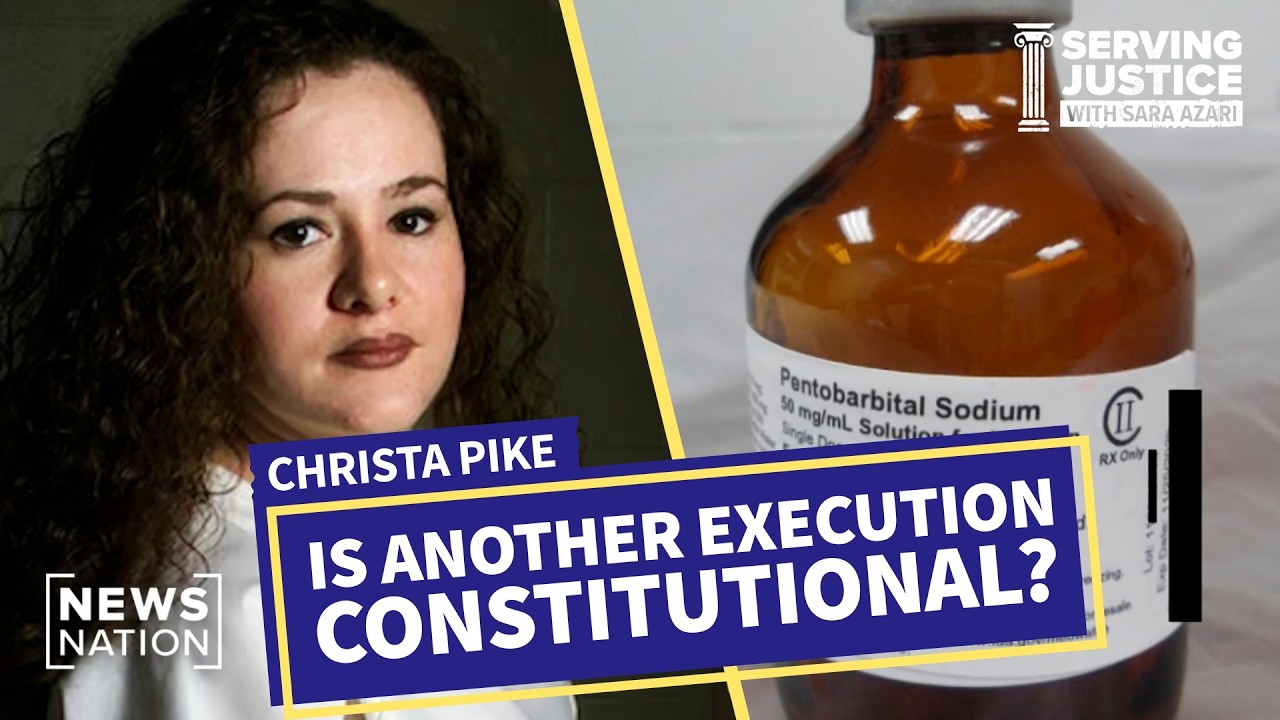
The central issue is whether a state can justify proceeding with a death sentence when there is evidence that the chemicals used may be ineffective or degraded. The state prioritizes the legal mandate to carry out a court-ordered execution, while the defense argues that using compromised drugs violates the prohibition against cruel and unusual punishment.
Legal systems often struggle with the procurement of execution drugs as manufacturers restrict their use. This leads states to seek alternative sources or use older stockpiles, which increases the risk of failed injections. When such failures occur, the state typically maintains that the protocol remains sound, while defense teams use recent failures in other jurisdictions to argue for a stay.
Focus on procedural challenges and the physical reality of death
Fox News, BBC, and BBC all focused on the legal attempts to halt the execution based on the risk of degraded pentobarbital. They consistently highlighted the defense's use of a botched execution in another state as a precedent for potential risk.
Fox News provided the most detailed account of the execution's end, noting that Howard gasped and coughed before being pronounced dead. This detail is critical because it provides the only evidence in the reports regarding whether the drug actually functioned as intended or if the defense's concerns were realized. The other outlets omitted the physical circumstances of the death, focusing instead on the denial of appeals by the courts and the governor.
NY Post reports Justice Ketanji Brown Jackson's dissent on the emergency appeal
New coverage from 1 outlets
NY Post engaged with the essential question of whether the state's duty to execute outweighs the risk of suffering by reporting that Justice Ketanji Brown Jackson dissented from the Supreme Court's decision to reject the emergency appeal. This detail adds a layer of judicial conflict to the event, showing that the risk of degraded drugs was not dismissed unanimously by the highest court.
NY Post also highlighted the defense's claim of intellectual disability, a point previously treated as peripheral. By pairing the dissent with the physical evidence of gasping and snoring sounds during the process, the report connects the legal warnings about drug failure to the actual outcome of the execution.
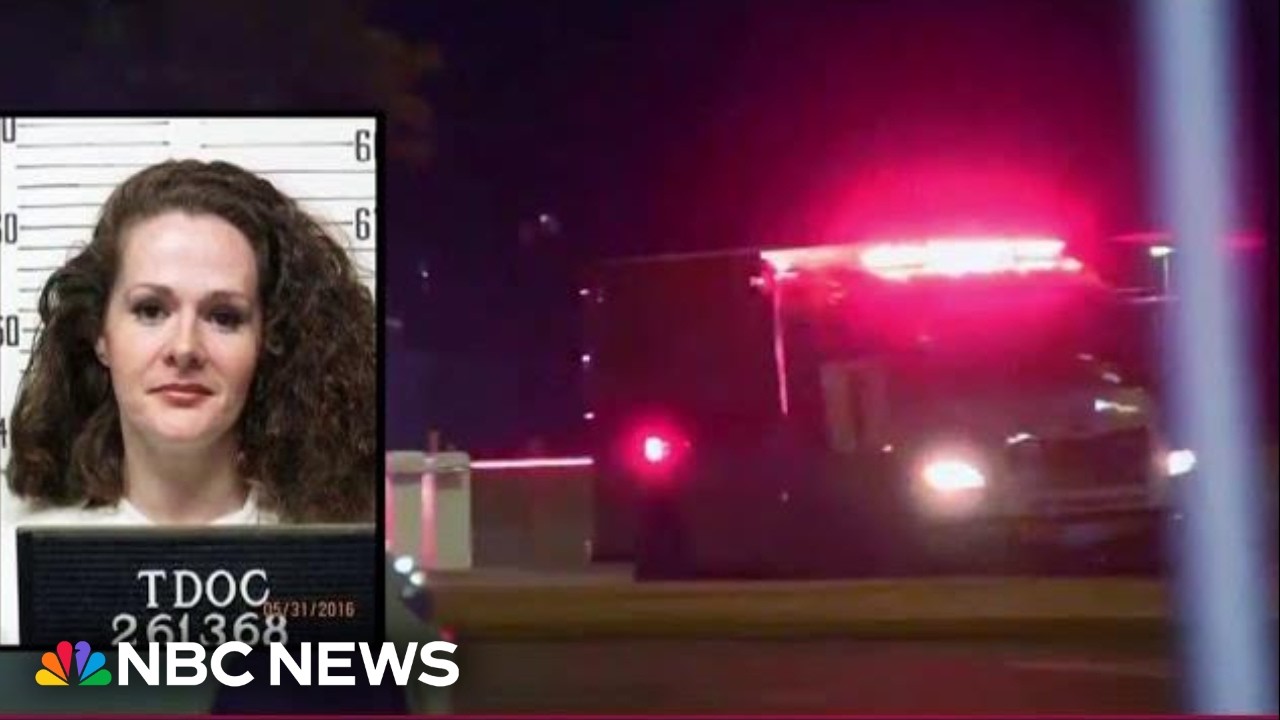
CNN reports Tennessee executioners used seven needles in botched attempt to execute Christa Pike
New coverage from 2 outlets
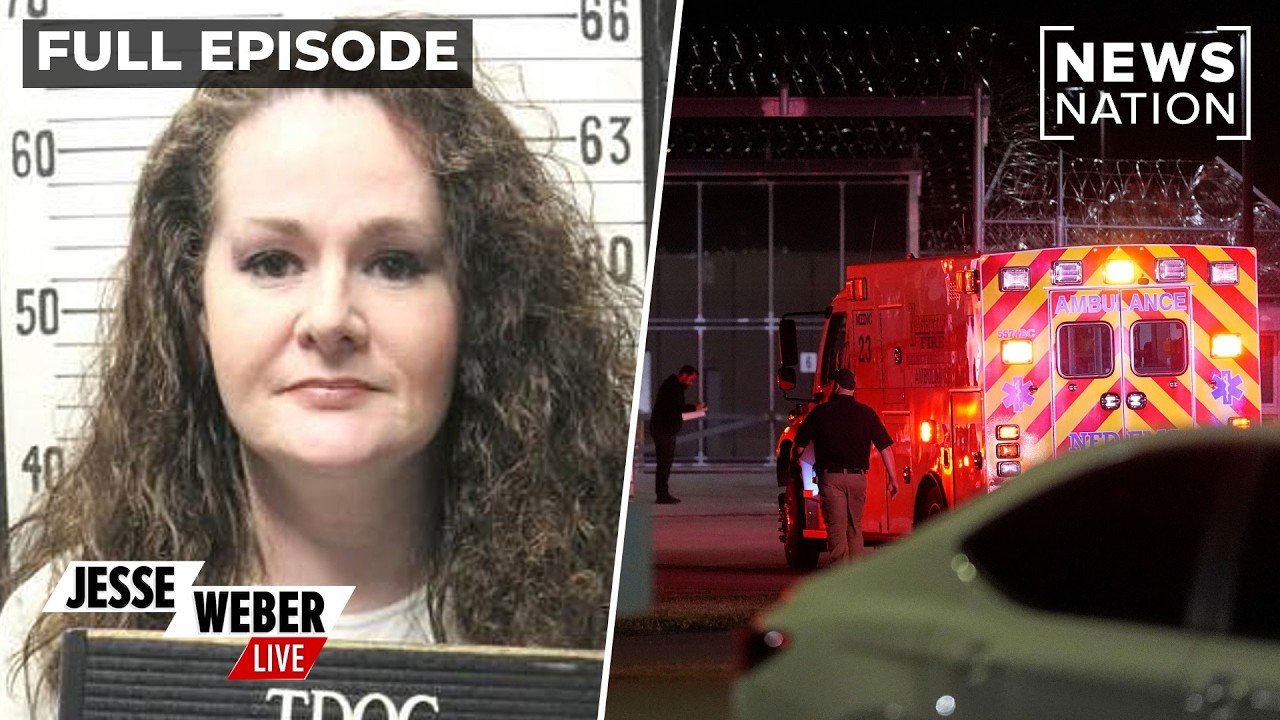
These reports move beyond the specific case of Jamaal Howard to examine the broader reliability of lethal injection. CNN engaged with the essential question of whether the state's duty to execute outweighs the risk of suffering by providing a concrete contrast. While Howard's execution proceeded without technical failure, CNN reported that Christa Pike survived a botched attempt in Tennessee, where executioners used at least seven needles and one was removed at a 90-degree angle. This detail transforms the debate from a theoretical risk of degraded drugs into a documented case of physical brutality and systemic failure.
Newsweek shifted the focus toward the human element by highlighting Howard's intellectual disabilities and mental illness. By reporting that Howard struggled to articulate his final words, Newsweek connects the legal arguments regarding disability to the actual person being executed. However, this coverage focuses more on the perceived incompetence of the Tennessee team and the tragedy of the disabled than on the technical efficacy of the drugs themselves.
Together, these reports show a divergence in how the death penalty is framed. One side uses the successful Texas execution to argue that the protocol is sound when administered correctly, while the other uses the Tennessee failure to argue that the entire practice is unreliable and prone to severe physical error.