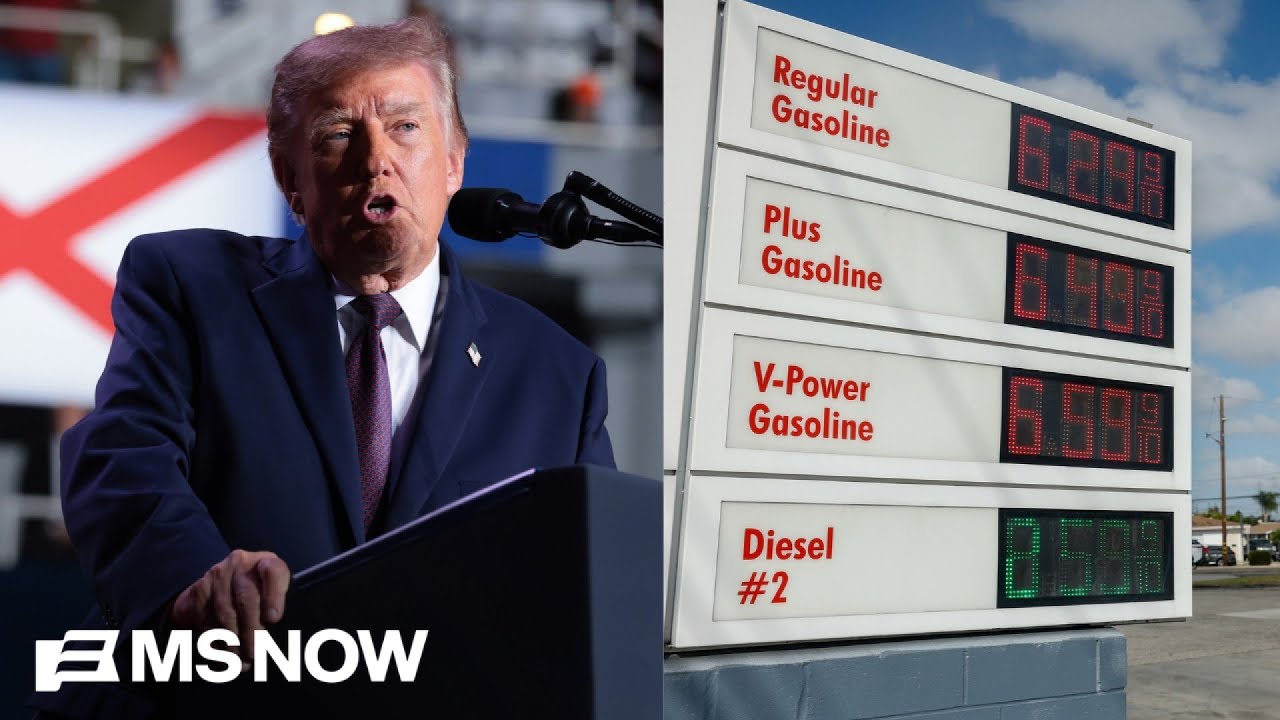
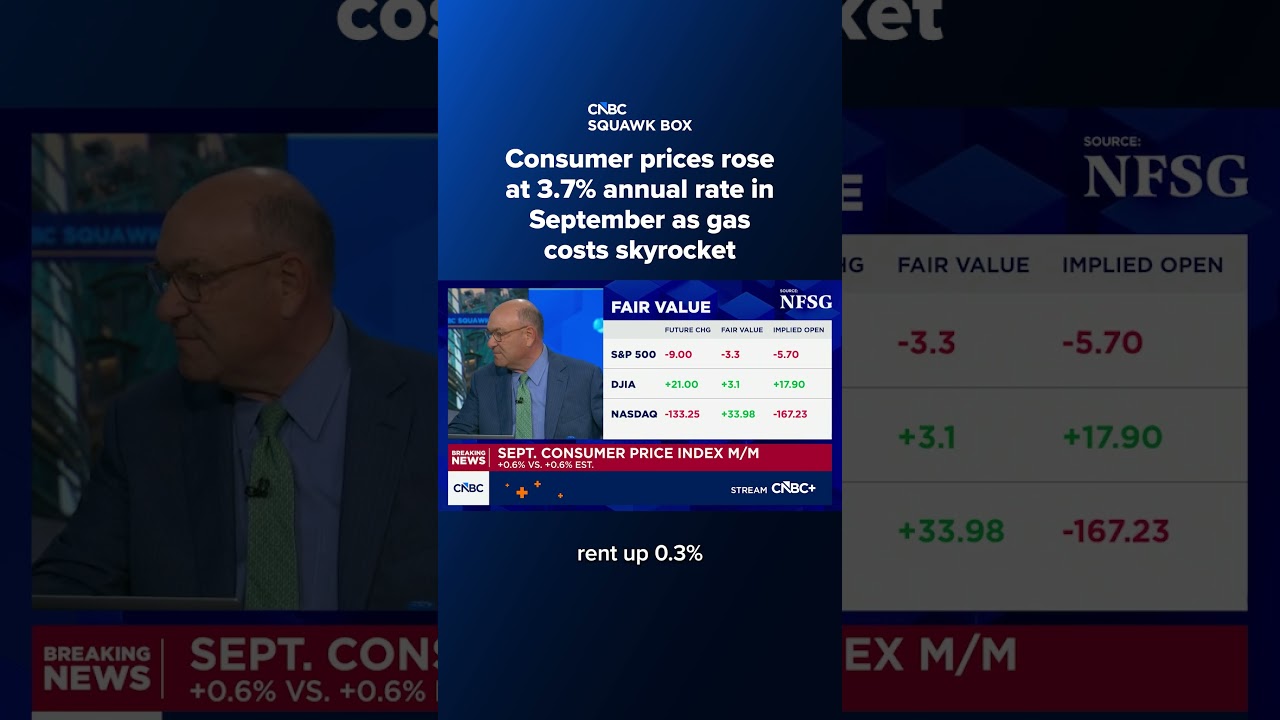
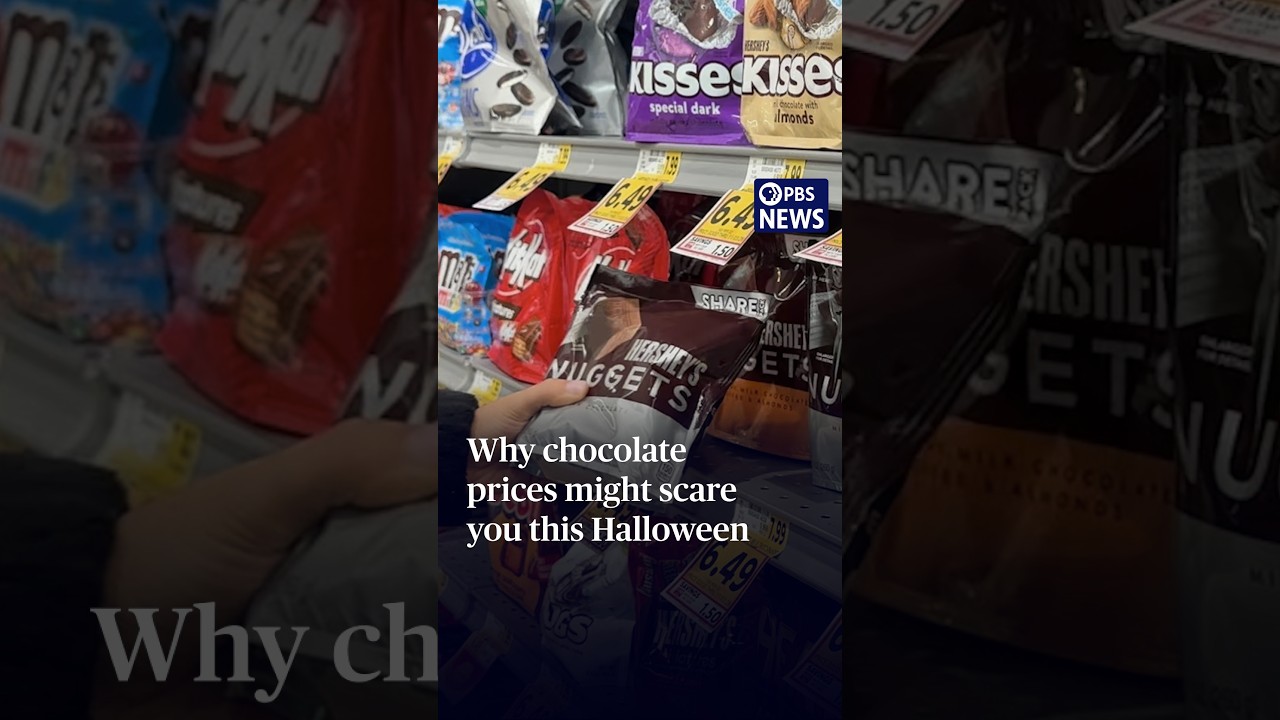
The September monthly price increase of 0.6% was the largest in five months, with contributions from clothing and airfares. Price increases were noted for the iPhone 17, the Nintendo Switch 2, and PepsiCo snacks. Shelter, hotel, apparel, and medical care services prices increased in September, while grocery prices and prescription drugs saw a slight decrease. Furniture and major appliance prices remained flat or declined. The WSJ reported that core consumer prices, excluding food and energy, increased by 0.33% in September, marking the second consecutive month of higher-than-anticipated growth. Core inflation surpassed analyst forecasts and was influenced in part by AI-driven costs for memory chips, according to NPR. The WSJ stated that the September data strengthens the argument for an additional interest-rate increase this year, creating uncertainty over whether the Federal Reserve will act in December or sooner. Economists warn that interest rate hikes increase short-term borrowing costs while acting as a necessary cure to prevent inflation from metastasizing. The Washington Post reported that the September inflation report is the final one released before the upcoming elections. CNBC reports that the CPI has remained above 2% for over five years, which it describes as the longest uninterrupted string of above-2% monthly readings of the 21st century. CNBC further reports that inflation has outpaced wage growth, leading to a record drop in consumer sentiment, particularly among Republicans and independents. Consumers are reporting a shift from 'trading down' to making difficult choices between essential bills and groceries. The annual inflation rate in August was 3.4%, with housing and used vehicle costs continuing to climb. Fuel oil saw significant year-over-year spikes, and diesel prices hit a record high. The Federal Reserve's target inflation rate is 2%. New York Fed research indicates that every percentage point increase in average tariffs led to nearly a 0.25% price increase for consumer goods after one year. Federal Reserve officials expressed concern that tariffs and war may create a self-fulfilling inflationary mindset. Average wages rose by 3%, and the Social Security Administration announced a 3.6% cost-of-living adjustment for next year, adding an average of $75 per month to benefits. Overall prices have increased by 5.4% since President Donald Trump took office. President Trump attributed inflation to Iranian influence and Houthi attacks on Saudi Arabia. The Trump administration attributed rising prices to the previous Biden administration and the war in Iran. President Trump stated that higher energy costs are a necessary trade-off to prevent Iran from obtaining nuclear weapons and predicted prices will drop after the war ends, which he expects to occur after the midterm elections. Democrats, including Pete Buttigieg, attribute the inflation rise to Trump's tariffs, tax breaks, and war. The Washington Examiner reported that gasoline prices increased by 34.2%, contradicting the Bureau of Labor Statistics' figure of 9.1%, and that inflation rose from 3% to 3.7% since Donald Trump took office in January 2025. A Reuters/Ipsos survey showed 78% of Americans blame current policies for the cost of living. The Gallup Economic Confidence Index score is -40, and a Guardian survey indicates 95% of respondents believe the US is in an affordability crisis. In California, Punal Bhavsar reports that high gasoline prices and interest rates have prevented him from purchasing a home. In Utah, Caitlin Green reports that the price of ground beef rose from $2 to $8 per pound, doubling her monthly grocery budget. Kathryn Vaughn, a Tennessee teacher, works three jobs and sells personal items to support her family of four. Financial markets responded to the report with rising Treasury yields and falling stock futures; the Nasdaq declined while the Dow remained relatively flat. Economist Heather Long states that inflation is broad-based, affecting software in addition to medical care and apparel. Long notes that wage growth is causing financial strain for the middle class and the bottom 30 percent of earners, and predicts a tepid holiday season as consumers make difficult spending choices. Additionally, a disabled veteran and a farmer provided testimonials regarding their struggles to afford diesel and basic necessities.
The debate over whether inflation stems from domestic mismanagement or external shocks has expanded to include trade policy. BBC provided a concrete link between domestic policy and price hikes by citing New York Fed research that every percentage point increase in average tariffs led to a nearly 0.25% increase in consumer goods after one year.
NPR and PBS identified a new driver of core inflation: AI-driven costs for memory chips. This suggests that while energy is the primary engine, technological shifts are creating a secondary, internal pressure that interest rate hikes may not easily resolve.
CNBC highlighted a structural risk by noting that the CPI has remained above 2% for over five years, the longest such streak of the 21st century. This persistence suggests the risk of an entrenched inflationary mindset, where consumers expect prices to rise regardless of the cause.
PBS deepened the analysis of the domestic experience by arguing that inflation is now broad-based, affecting software and medical care. This shifts the narrative from a temporary energy spike to a pervasive financial burden that wage growth cannot offset.
Most outlets continue to treat economic data as a political liability. Daily Caller, The Guardian, PBS, and Newsweek frame the inflation spike as a threat to the ruling bloc ahead of the midterm elections. These reports prioritize voter dissatisfaction and polling data over the structural mechanics of the price increases.
Source facts (45)
Grocery prices and prescription drugs saw a slight decrease in September.
Breitbart
Shelter, hotel, apparel, and medical care services prices increased in September.
Breitbart
Furniture and major appliance prices remained flat or declined in September.
Breitbart
Housing and used vehicle costs continued to climb.
Daily Caller
Financial markets responded to the report with rising Treasury yields and falling stock futures.
Daily Caller
Fuel oil saw significant year-over-year spikes.
The Guardian
A Reuters/Ipsos survey showed 78% of Americans blame current policies for the cost of living.
The Guardian
President Trump attributed inflation to Iranian influence and Houthi attacks on Saudi Arabia.
The Guardian
The Nasdaq declined following the report, while the Dow remained relatively flat.
OilPrice.com
Core inflation was influenced in part by AI-driven costs for memory chips.
NPR
The Social Security Administration announced a 3.6% cost-of-living adjustment for next year, adding an average of $75 per month to benefits.
NPR
Average wages rose by 3%.
NPR
Federal Reserve officials expressed concern that tariffs and war may create a self-fulfilling inflationary mindset.
NPR
New York Fed research indicates that every percentage point increase in average tariffs led to nearly a 0.25% price increase for consumer goods after one year.
BBC
The Federal Reserve's target inflation rate is 2%.
BBC
Overall prices have increased by 5.4% since President Donald Trump took office.
Washington Examiner
The September monthly increase of 0.6% was the largest in five months.
PBS
Clothing and airfares contributed to the September inflation rise.
PBS
Price increases were noted for PepsiCo snacks, the Nintendo Switch 2, and the iPhone 17.
PBS
The Trump administration attributed rising prices to the previous Biden administration and the war in Iran.
Newsweek
Kathryn Vaughn, a Tennessee teacher, works three jobs and sells personal items to support her family of four.
BBC
Punal Bhavsar in California reports that high gasoline prices and interest rates have prevented him from purchasing a home.
BBC
Caitlin Green in Utah reports that the price of ground beef rose from $2 to $8 per pound, doubling her monthly grocery budget.
BBC
The Gallup Economic Confidence Index score is -40.
BBC
A Guardian survey indicates 95% of respondents believe the US is in an affordability crisis.
BBC
The September inflation report is the final one released before the upcoming elections.
Washington Post
The CPI has remained above 2% for over five years, which CNBC reports is the longest uninterrupted string of above-2% monthly readings of the 21st century.
CNBC
CNBC reports that inflation has outpaced wage growth, leading to a record drop in consumer sentiment, particularly among Republicans and independents.
CNBC
Economists warn that interest rate hikes increase short-term borrowing costs while acting as a necessary cure to prevent inflation from metastasizing.
CNBC
Consumers are reporting a shift from 'trading down' to making difficult choices between essential bills and groceries.
CNBC
WSJ reported that core consumer prices, excluding food and energy, increased by 0.33% in September.
WSJ
Underlying inflation in September marked the second consecutive month of higher-than-anticipated growth.
WSJ
The September data strengthens the argument for an additional interest-rate increase this year, creating uncertainty over whether the Fed will act in December or sooner.
WSJ
The Washington Examiner reported that gasoline prices increased by 34.2%, contradicting the Bureau of Labor Statistics' figure of 9.1%.
Washington Examiner
Democrats, including Pete Buttigieg, attribute the inflation rise to Trump's tariffs, tax breaks, and war.
Washington Examiner
Inflation rose from 3% to 3.7% since Donald Trump took office in January 2025.
Washington Examiner
President Trump stated that higher energy costs are a necessary trade-off to prevent Iran from obtaining nuclear weapons.
Washington Examiner
President Trump predicts prices will drop after the war ends, which he expects to occur after the midterm elections.
Washington Examiner
Economist Heather Long states that inflation is broad-based, affecting software in addition to medical care and apparel.
PBS
Heather Long notes that wage growth is causing financial strain for the middle class and the bottom 30 percent of earners.
PBS
A disabled veteran and a farmer provided testimonials regarding their struggles to afford diesel and basic necessities.
PBS
Heather Long predicts a tepid holiday season as consumers make difficult spending choices.
PBS