JUSTSUSS AI-powered press divergence analysis
9 outlets covered 2026.10.15 11:39 created · 10.17 15:24 updated
← Card Feed
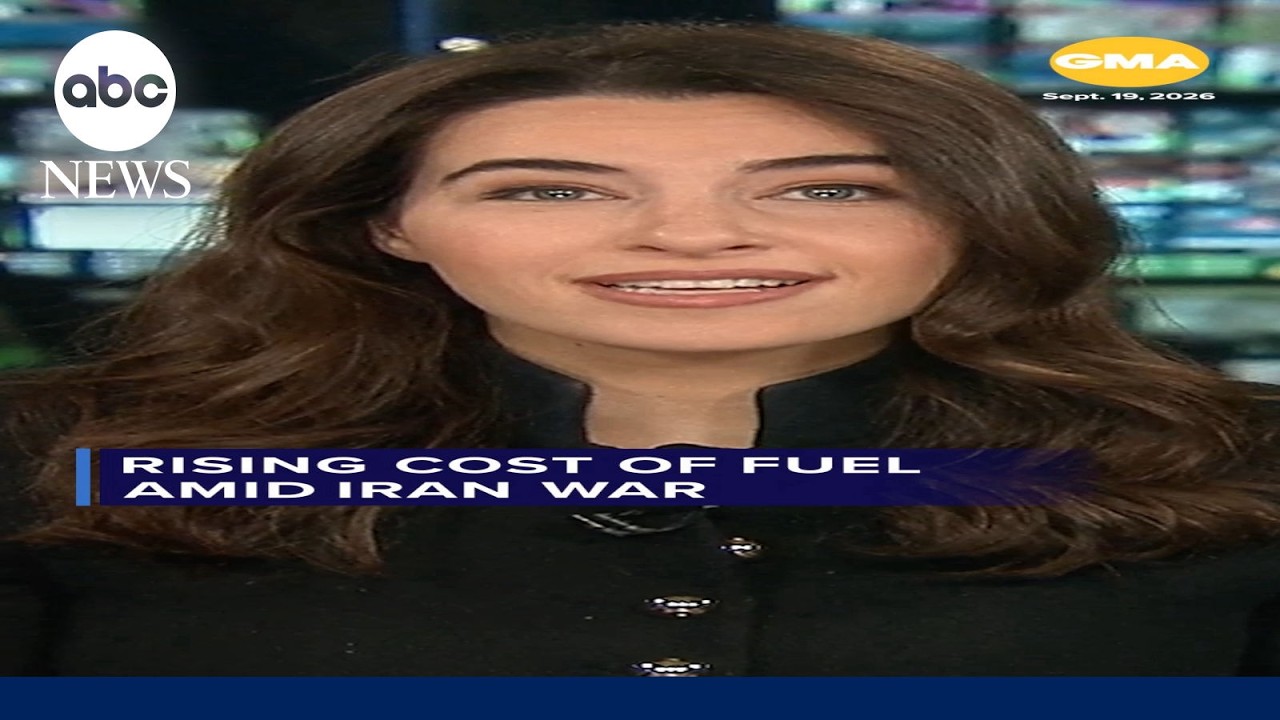
Reference video

BLS releases September US wholesale inflation data

Wholesale prices hit a four-year high, signaling systemic inflation.

Event Overview

The U.S. Producer Price Index (PPI) for September showed a 6.3% annual increase, marking the highest level of wholesale inflation in over four years. The monthly increase was 1.3%, exceeding economist expectations.

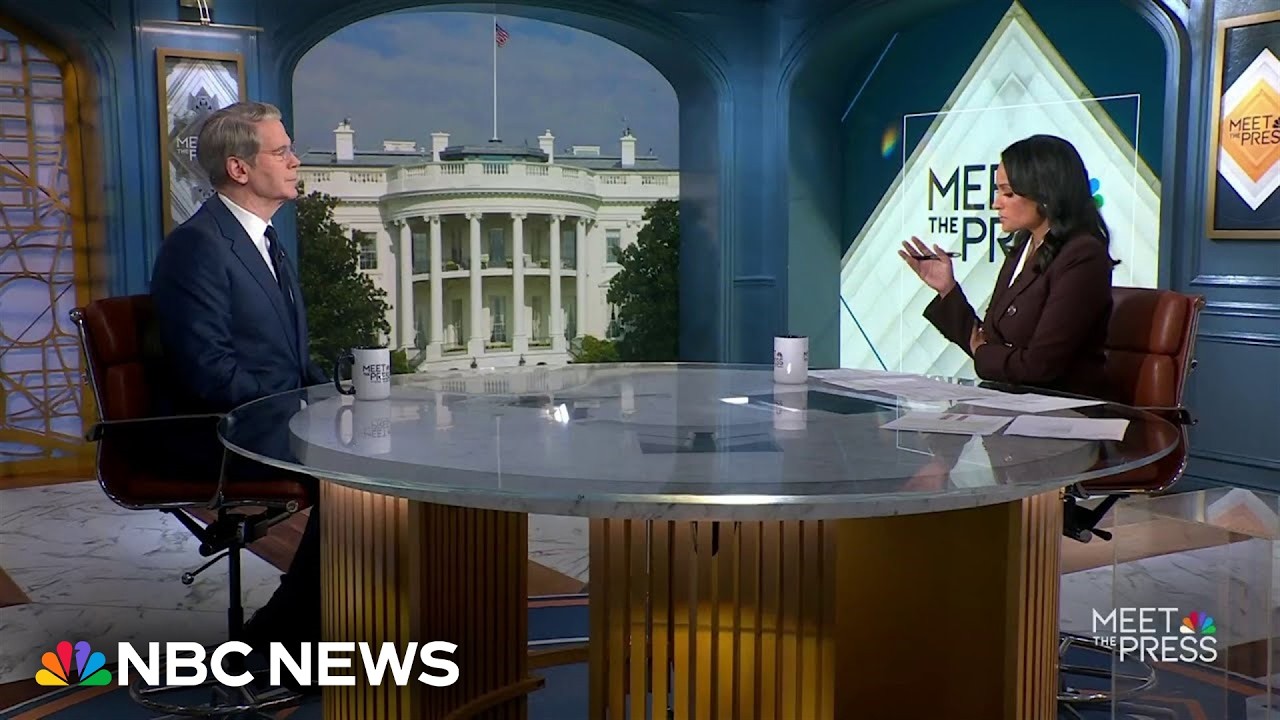
This surge was primarily driven by energy prices, which accounted for 80% of the leap in goods prices. These costs were influenced by the U.S. war with Iran and Middle East conflict, specifically following U.S. and Israeli attacks on Iran in February.

Source facts (5)
1.

The Producer Price Index (PPI) rose 1.3% monthly in September.

CNBC
2.

The annual increase in the PPI was 6.3%.

NBC News
3.

Energy prices accounted for 80% of the leap in goods prices.

CNN
4.

Core PPI, excluding food and energy, rose 0.7% monthly and 5% annually.

CNBC
5.

U.S. and Israeli attacks on Iran occurred in February.

NBC News

Message Distribution

Editor's Analysis

Energy shocks drive wholesale inflation and pressure monetary policy

Wholesale prices are climbing rapidly because energy costs now account for the vast majority of the increase in goods prices. This trend is tied to military actions in the Middle East, which have disrupted the supply of fuel. When the cost of transporting and producing goods rises, businesses face a choice between absorbing those losses or passing them on to consumers.

Central banks typically respond to such broad inflationary pressure by raising interest rates to cool the economy. However, this creates a tension if consumer spending is already slowing. If retail sales drop while the cost of living rises, the economy risks a period where growth stalls but prices remain high. The outcome depends on whether the energy spike is a temporary shock or a long-term shift in the cost of production.

Coverage focuses on policy failure and interest rate forecasts

The outlets agree that energy costs are the primary engine of this inflation spike and that a Federal Reserve rate hike is likely. CNBC and CNN provide a more complete picture by linking the PPI data to retail sales declines, showing how inflation is actively squeezing consumer spending.

NBC News shifts the focus toward political accountability, framing the inflation as a failure of the current administration's efforts to lower prices. While other outlets treat the surge as a result of geopolitical shocks, NBC News presents the administration's ineffectiveness as a central theme. Most coverage focuses on the immediate reaction of the markets and the central bank, leaving little room to analyze how long-term structural changes in energy dependency might be fueling these recurring spikes.

Updates

Oct 18 · Fox News poll shows voter dissatisfaction with inflation and government corruption Updated 15:24

Paul Krugman claimed on Substack that President Trump inherited a benign inflation environment but worsened it through war and tariffs. Krugman described the President's deal to buy Russian diesel as ineffective and shameful, and claimed that Trump is in denial about inflation data, which Krugman compared to Orwellian totalitarianism. Krugman also cited a Fox News poll showing voter dissatisfaction with government corruption and inflation.

The conversation is shifting from the economic mechanics of inflation to the political liability of the administration. Substack moves beyond the data to argue that the current inflation is not a geopolitical accident but a result of specific policy choices, namely tariffs and war [1].

This adds a layer of accountability to the question raised in the first analysis. While previous reports focused on how the Federal Reserve would react to energy shocks, the current critique suggests the shocks themselves were avoidable or exacerbated by executive action [1].

Coverage continues to omit the long-term structural energy dependencies mentioned in the first analysis. The focus remains on the immediate friction between economic data and political narratives ahead of the midterm elections.

Source facts (4)

Paul Krugman claims President Trump inherited a benign inflation environment but worsened it through tariffs and war.

Paul Krugman | Substack

Paul Krugman described President Trump's deal to buy Russian diesel as shameful and ineffective.

Paul Krugman | Substack

Paul Krugman claims President Trump is in denial about inflation data, comparing his behavior to Orwellian totalitarianism.

Paul Krugman | Substack

A Fox News poll shows voter dissatisfaction with inflation and government corruption.

Paul Krugman | Substack

Oct 16 · Labor Department reports September PPI annual increase of 6.3% Updated 07:08

The Labor Department reported a September PPI annual increase of 6.3%, the highest rate since December 2022, and a monthly increase of 1.3%, which Yahoo Finance reported as the largest in 4.5 years. MarketWatch reported that the PPI was expected to increase 0.6% in September, with a yearly rate of 5.5%, and that core PPI prices were projected to rise by 0.3%. The Daily Caller reported that final demand energy costs rose 10.8%, including a 20.3% increase in wholesale gasoline prices, and that the Federal Reserve raised benchmark interest rates in September to a target range of 3.75% to 4%. PBS reported that diesel fuel cost increases have raised shipping, warehousing, and food costs, and that inflation-adjusted weekly paychecks for Americans have declined. The NY Post reported that President Trump attempted to lower diesel prices through reserve releases and a deal with Russia. The Honolulu Star-Advertiser reported that retail sales rose 0.8% in September, while Breitbart reported that these increases occurred across various sectors, including grocery and furniture stores. Yahoo Finance reported that the retail sales increase was stronger than expected and primarily due to higher gasoline prices rather than increased consumer volume. Economists told the NY Post that wholesale costs will likely lead to higher consumer prices for food and holiday goods, and told Yahoo Finance that inflation is outpacing wages amid a slowing labor market. MarketWatch reported that economist Alex Pelle stated price pressures are more intense in the broader economy than in the consumer sector and suggested this trend may lead to continued upward pressure on consumer prices. The Honolulu Star-Advertiser reported that economists describe the current state as a 'K-shaped economy' where inflation outpacing wages creates financial strain for lower-income households, though the same outlet reported that initial unemployment claims remain near historic lows. Newsweek reported that consumer food prices remained flat in September. CNBC reported that seven surveyed economists expect September's core PCE to rise by 0.32%, compared to 0.25% in August, and that inflation has risen since the start of the Iran war and the introduction of tariffs in April 2025. Market analysts told the NY Post that the Federal Reserve may be forced to raise interest rates in December, and CNBC reported that Fed futures show a low probability of a rate hike this month but a high probability of one by December. Newsweek reported that polling indicates the economy and cost of living are primary concerns for voters ahead of the November 3 midterm elections, and that analysts suggest economic pressures from inflationary trends could negatively impact President Trump and Republican candidates. PBS reported that polling indicates significant voter disapproval of President Trump's handling of the economy and cost of living ahead of midterm elections. Breitbart reported that regional Fed factory surveys indicate continued manufacturing expansion.

Wholesale price surges are no longer a theoretical risk but a direct threat to consumer spending. NY Post identifies a critical tipping point where retailers can no longer absorb costs, meaning inflation will likely migrate to food and holiday goods. This confirms the first analysis's warning that businesses must eventually pass losses to consumers.

Yahoo Finance provides a crucial correction to the retail sales data. It clarifies that the apparent increase in sales was driven by higher gasoline prices rather than increased consumer volume, revealing that inflation is masking a decline in actual consumption.

Coverage now diverges on the solution. Daily Caller focuses on the Federal Reserve's reactive monetary policy, noting the September rate hike. In contrast, NY Post examines executive intervention, reporting that President Trump attempted to lower diesel prices through reserve releases and a deal with Russia.

Newsweek and PBS shift the focus toward the political fallout. They link the cost-of-living crisis to voter disapproval and the potential negative impact on Republican candidates in the November 3 midterm elections. This moves the conversation from purely economic mechanics to political accountability.

While these reports track immediate financial and political fallout, they omit the long-term structural energy dependencies mentioned in the first analysis. The focus remains on short-term price stabilization and election outcomes rather than the underlying vulnerability to geopolitical shocks.

Source facts (27)

The September PPI annual increase of 6.3% is the highest rate since December 2022.

Daily Caller

Final demand energy costs spiked 10.8%, including a 20.3% jump in wholesale gasoline prices.

Daily Caller

The Federal Reserve raised benchmark interest rates in September to a target range of 3.75% to 4%.

Daily Caller

Economists warn that wholesale costs will likely lead to higher consumer prices for food and holiday goods.

NY Post

Market analysts suggest the Federal Reserve may be forced to raise interest rates in December.

NY Post

President Trump attempted to lower diesel prices through reserve releases and a deal with Russia.

NY Post

The September PPI increase of 1.3% was the largest monthly increase in 4.5 years.

Yahoo Finance

Retail sales showed a stronger-than-expected increase, which Yahoo Finance reports was primarily due to higher gasoline prices rather than increased consumer volume.

Yahoo Finance

Economists note that inflation is currently outpacing wages amid a slowing labor market.

Yahoo Finance

Seven economists surveyed by CNBC now expect September's core PCE to rise by 0.32%, up from August's 0.25%.

CNBC

CNBC reports that inflation has risen since the introduction of tariffs in April 2025 and the start of the Iran war.

CNBC

Fed futures currently show a low probability of a rate hike this month but a high probability of one by December.

CNBC

Consumer food prices remained flat in September.

Newsweek

Polling indicates that the economy and cost of living are primary concerns for voters ahead of the November 3 midterm elections.

Newsweek

Analysts suggest economic pressures from inflationary trends could negatively impact President Trump and Republican candidates in the upcoming elections.

Newsweek

The Labor Department reported the September PPI increase.

PBS

Diesel fuel cost increases have raised shipping, warehousing, and food costs.

PBS

Inflation-adjusted weekly paychecks for Americans have declined.

PBS

Polling indicates significant voter disapproval of President Trump's handling of the economy and cost of living ahead of midterm elections.

PBS

Retail sales increased across various sectors, including grocery and furniture stores.

Breitbart

Regional Fed factory surveys indicate continued manufacturing expansion.

Breitbart

Retail sales rose 0.8% in September.

Honolulu Star-Advertiser

Economists describe the current economic state as a 'K-shaped economy' where inflation outpacing wages creates financial strain for lower-income households.

Honolulu Star-Advertiser

Initial unemployment claims remain near historic lows despite inflationary pressure.

Honolulu Star-Advertiser

MarketWatch reported that the PPI was expected to increase 0.6% in September, with a yearly rate of 5.5%, and core PPI prices were projected to rise by 0.3%.

MarketWatch

Economist Alex Pelle stated that price pressures are more intense in the broader economy than in the consumer sector.

MarketWatch

Alex Pelle suggested that the trend of intense price pressures in the broader economy may lead to continued upward pressure on consumer prices.

MarketWatch

Coverage flow

Coverage volume

10/15 · 12
10/16 · 1

Focus shift

10/15
Trump administration
2
Donald Trump
2
US
1
Federal Reserve
1
Joe Biden
1
10/16
Donald Trump
1

Recommended Reads

News Story

Story: Diesel Prices Reach Record Highs Amid Iran Conflict

Card 8 of 9 in this story

Show 2 earlier
Diesel Prices Reach Record Highs Amid Iran Conflict
Sep 5 · 7 outlets · ⇄ Story: Pete Hegseth Testifies Before Senate Appropriations Committee
Where it started
US-Iran Conflict and Economic Impacts
Sep 7 · 23 outlets · ⇄ Story: Fox News poll on Ohio Senate race +2 more
Donald Trump predicts gas price drop after Iran war victory
Sep 7 · 3 outlets · ⇄ Story: U.S. and Iran Conflict Over Strait of Hormuz +2 more
↳ Follows “U.S. Gas Prices Set Record Duration Above $4 Per Gallon”
US Diesel Prices Reach Record Highs Amid Iran Conflict
Sep 11 · 3 outlets
American farmers struggle with record-high diesel costs
Sep 21 · 4 outlets
↳ Follows “Diesel Prices Reach Record Highs Amid Iran Conflict”
BLS reports September inflation increase
Oct 13 · 14 outlets · ⇄ Story: Fox News poll on Ohio Senate race +2 more
U.S. Gas Prices Set Record Duration Above $4 Per Gallon
Oct 14 · 3 outlets · ⇄ Story: Fox News poll on Ohio Senate race +2 more
↳ Follows “BLS reports September inflation increase”
BLS releases September US wholesale inflation data
Oct 15 · 9 outlets · Viewing now
↳ Follows “BLS reports September inflation increase”
JetBlue Increases Checked Baggage Fees
Nov 3 · 3 outlets

News Story

Story: US Inflation Data Release and Market Reaction

Card 7 of 8 in this story

Show 1 earlier
US Inflation Data Release and Market Reaction
Aug 26 · 3 outlets
Where it started
Federal Reserve Considers September Interest Rate Changes
Sep 9 · 4 outlets
↳ Follows “Federal Reserve Raises Interest Rates to 3.75%-4%”
Federal Reserve Raises Interest Rates to 3.75%-4%
Sep 14 · 22 outlets · ⇄ Story: Federal Reserve Raises Interest Rates to 3.75%-4%
BLS reports September inflation increase
Oct 13 · 14 outlets · ⇄ Story: Diesel Prices Reach Record Highs Amid Iran Conflict +2 more
↳ Follows “Federal Reserve Raises Interest Rates to 3.75%-4%”
Asian Chipmakers and Tech Stocks Plunge
Oct 14 · 3 outlets · ⇄ Story: Alphabet Reports Negative Free Cash Flow for Second Quarter
Nasdaq-100 futures fall amid AI overspending concerns
Oct 15 · 3 outlets · ⇄ Story: Alphabet Reports Negative Free Cash Flow for Second Quarter
↳ Follows “BLS releases September US wholesale inflation data”
BLS releases September US wholesale inflation data
Oct 15 · 9 outlets · Viewing now
↳ Follows “BLS reports September inflation increase”
Tech Rally Stalls Following Alphabet and Samsung Earnings
Oct 29 · 5 outlets · ⇄ Story: Alphabet Reports Negative Free Cash Flow for Second Quarter
↳ Follows “Nasdaq-100 futures fall amid AI overspending concerns”

🌏 Global Comparison

How Korean and US outlets report the same event differently, and propagation delay

🇰🇷 Korea Card
미 노동부의 9월 생산자물가지수 발표
미 노동부가 발표한 9월 생산자물가지수(PPI)가 전월 대비 **1.3% 상승**하며 시장 전망치인 0.6%를 두 배 이상 상회했습니다. 이는 2022년 3월 이후 4년 6개월 만에 기록한 최대 상승폭입니다. 이란 전쟁 등 중동 분쟁으로 인한 에너지 가격 급등이 전체 상품 가격 상승을 견인했습니다. 특히 휘발유 가격이 폭등하며 생산 비용과 생활비를 동시에 압박하는 구조가 형성되었습니다. 소비자물가지수(CPI)에 이어 생산자물가까지 급등함에 따라 **연준의 추가 금리 인상 가능성**이 제기되며 금융 시장의 불안이 커지고 있습니다.
5 outlets · View →
🇺🇸 US Card
BLS releases September US wholesale inflation data
The U.S. Producer Price Index (PPI) for September showed a **6.3% annual increase**, marking the highest level of wholesale inflation in over four years. The monthly increase was 1.3%, exceeding economist expectations. This surge was primarily driven by **energy prices**, which accounted for 80% of
7 outlets · View →
Propagation delay
9.8h
(35257s)
Reporting divergence
1.00
closer to 0 = more similar

Loading comments...