Coverage focuses heavily on immediate economic risks and regional instability, while neglecting the long-term strategic implications for global energy infrastructure.
The discourse has shifted from vague 'instability' to a tangible tug-of-war over choke points. While the U.S. Energy Secretary attempts to downplay the East-West pipeline damage as a brief hiccup, satellite imagery and analysts suggest a months-long blackout—a discrepancy that exposes the gap between political optimism and physical reality. Meanwhile, the narrative is pivoting toward whether the U.S. can weaponize diesel shortages and naval blockades to force Iranian concessions, effectively treating global energy inflation as a tactical lever rather than just a systemic risk.
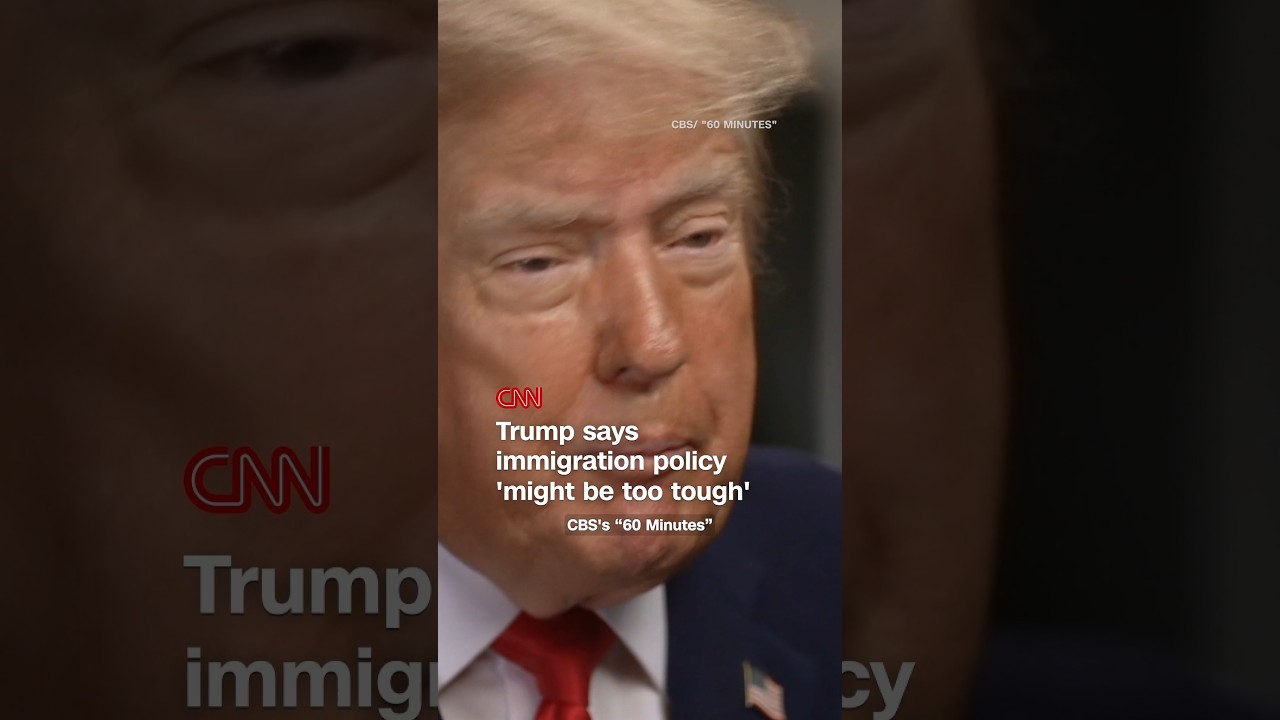
"Things would turn out 'fine and dandy,'" President Trump asserts, attempting to pivot the conflict's timeline toward a post-midterm resolution. This optimism, however, is being systematically dismantled by a coverage shift that moves from macroeconomic anxiety to a granular autopsy of domestic and military failure. The frame has evolved from a general debate over inflation into a precise calculation of the 'war bill' per household and a revelation of hidden tactical losses. By juxtaposing the administration's 'fine and dandy' rhetoric against reports of $3.7bn in equipment losses and the Houthi seizure of Perim Island, the media is no longer just questioning the duration of the crisis, but is actively documenting a gap between official narrative and operational collapse. The coverage is effectively treating the conflict as a political liability for the midterms rather than a strategic military engagement, sharpening the focus on how the 'cost of living' is becoming the primary weapon against the administration.
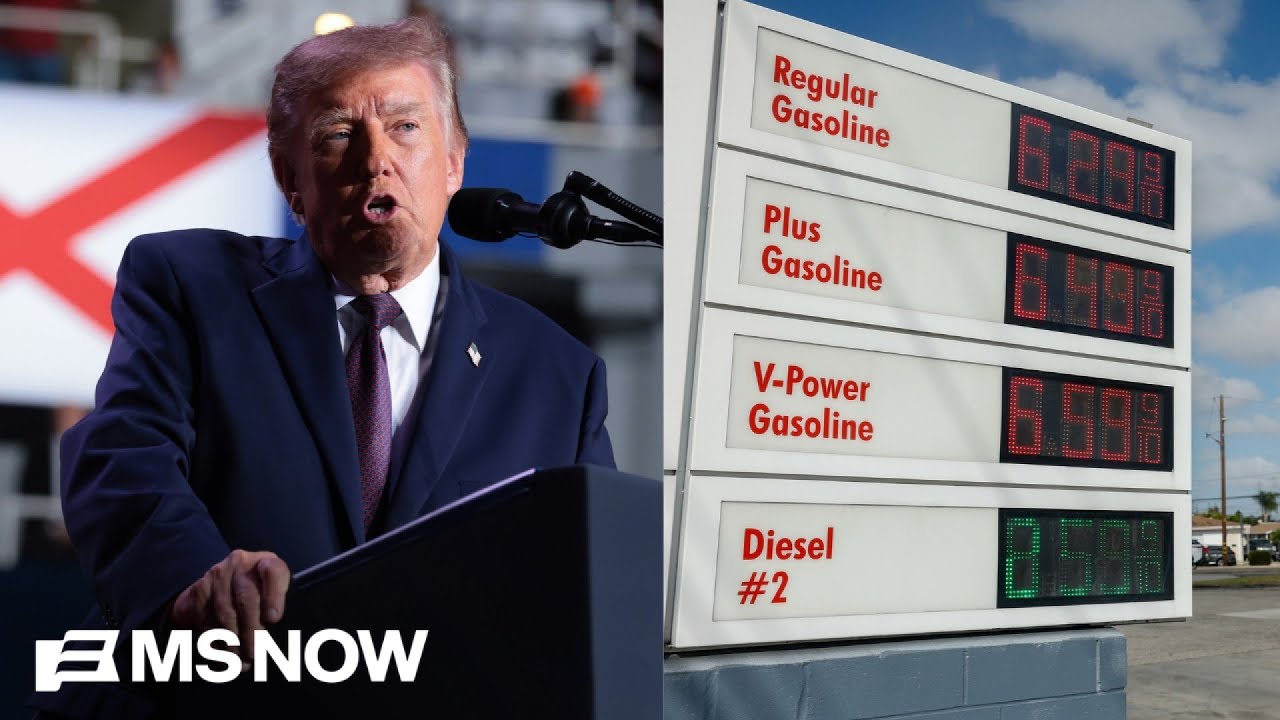
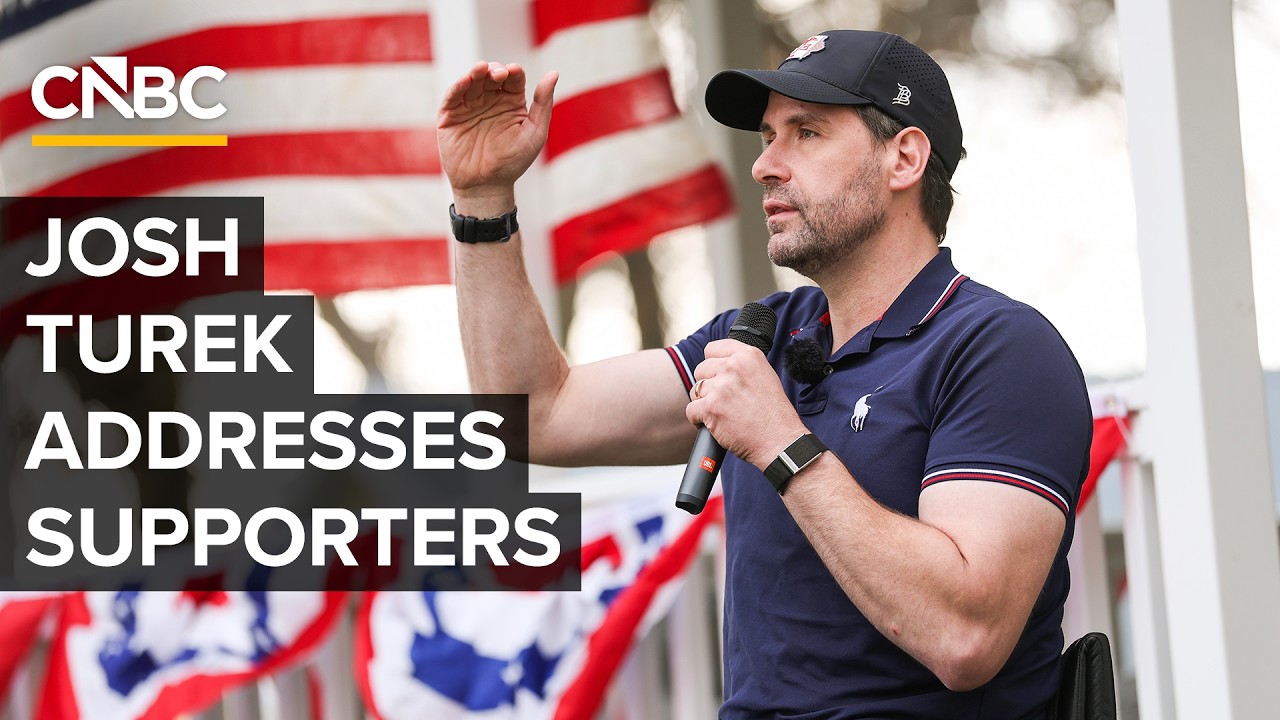
CNBC and Newsweek provide critical data-driven insights by quantifying the conflict's domestic toll. CNBC calculates a specific $1,760 'bill' per household, breaking it down into energy, interest, and military costs, while Newsweek correlates record-high diesel prices ($6.05/gal) with Trump's specific electoral map of diesel-intensive states. These facts matter because they transform a vague sense of inflation into a targeted political vulnerability, showing exactly which voting blocs are being financially penalized by the war.
The Nation descends into a predictable exercise in partisan venting, offering a 'catastrophic failure' narrative that reads more like an op-ed than a report. While it mentions the drop in tanker crossings in the Strait of Hormuz, this singular fact is buried under a mountain of adjectives and sweeping condemnations of the president's indifference. It is lazy, one-dimensional coverage that prioritizes ideological signaling over a nuanced analysis of the conflict's dynamics.
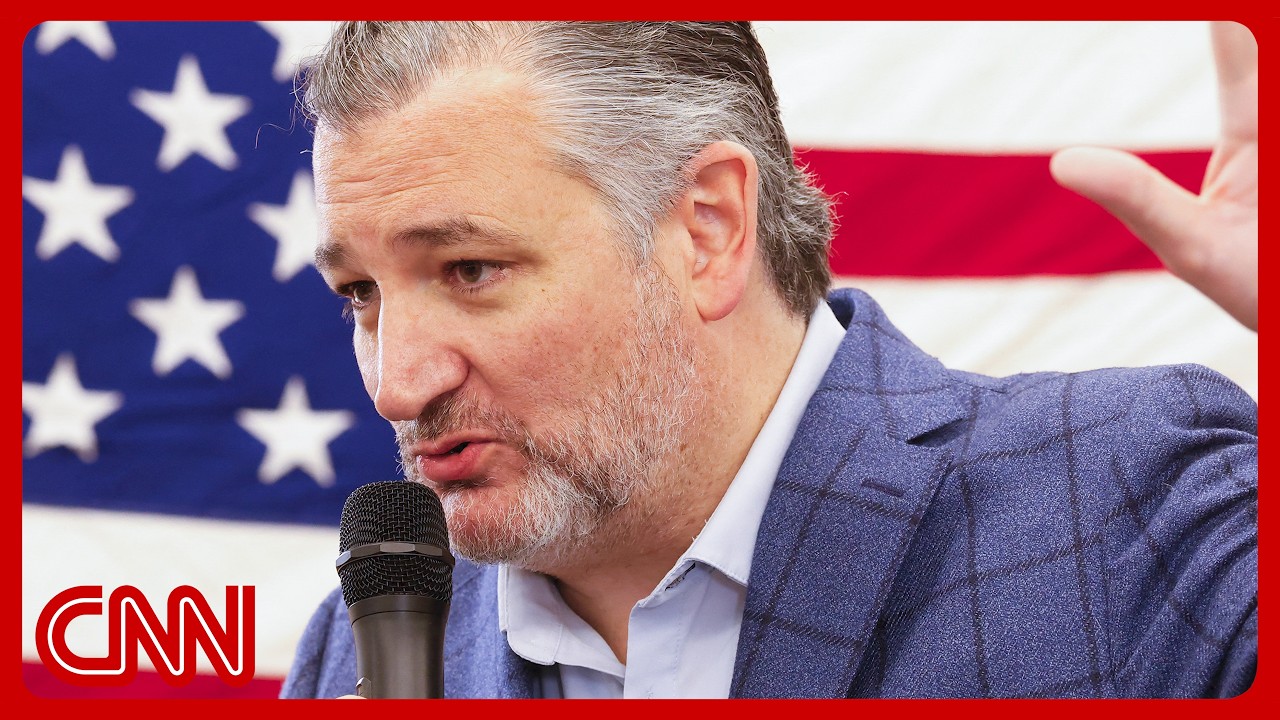
Does the administration's 'fine and dandy' optimism represent a strategic confidence or a desperate attempt to ignore a collapsing base? The coverage has pivoted from calculating the objective cost of war to diagnosing a widening schism within the Republican coalition itself. By contrasting Ted Cruz's dismissal of dissent as a 'Twitter phenomenon' with hard polling data, the media is no longer just framing this as an economic burden, but as a crisis of political loyalty. The narrative is sharpening into a study of cognitive dissonance: while the White House projects a post-midterm resolution, the reporting now highlights a precipitous drop in confidence among motivated voters—from 53% to 29%—effectively reframing the conflict as a potential catalyst for an internal party revolt.
Mediaite provides a critical psychological map of the administration's support by juxtaposing Ted Cruz's rhetoric with Harry Enten's data. The revelation that confidence in Trump's handling of Iran among motivated voters plummeted from 53% in July 2024 to 29% two years later is pivotal. This transforms the story from a general debate over foreign policy into a documented collapse of trust within the president's own core constituency, proving that the 'betrayal' sentiment is a statistical reality rather than a fringe social media trend.
gnews_business offers nothing more than a recycled anxiety loop, reheating the same 'gas price jump' narrative without adding a single new variable or unique insight. By simply predicting that prices will rise and citing a Cincinnati gas station sign, it provides a shallow, repetitive echo of existing economic fears. It is the definition of filler coverage, masquerading as a forecast while contributing zero analytical value to the broader strategic discourse.
Recent coverage has moved from calculating the public cost of the war to analyzing the private calculations of those managing it. The narrative is no longer about the voters' financial burden, but about the career preservation of the administration's inner circle. NBC reports that Secretary of State Marco Rubio is acting as a discreet strategist to avoid the public backlash associated with the unpopular Iran conflict. The report specifically highlights Rubio's net worth of under $240,000 as a primary driver for his desire to secure future private sector opportunities. This shift means the reader is now being asked to view the war not as a policy failure, but as a backdrop for individual political maneuvering. The press has effectively traded a study of macroeconomic pain for a study of a cabinet member's bank account.
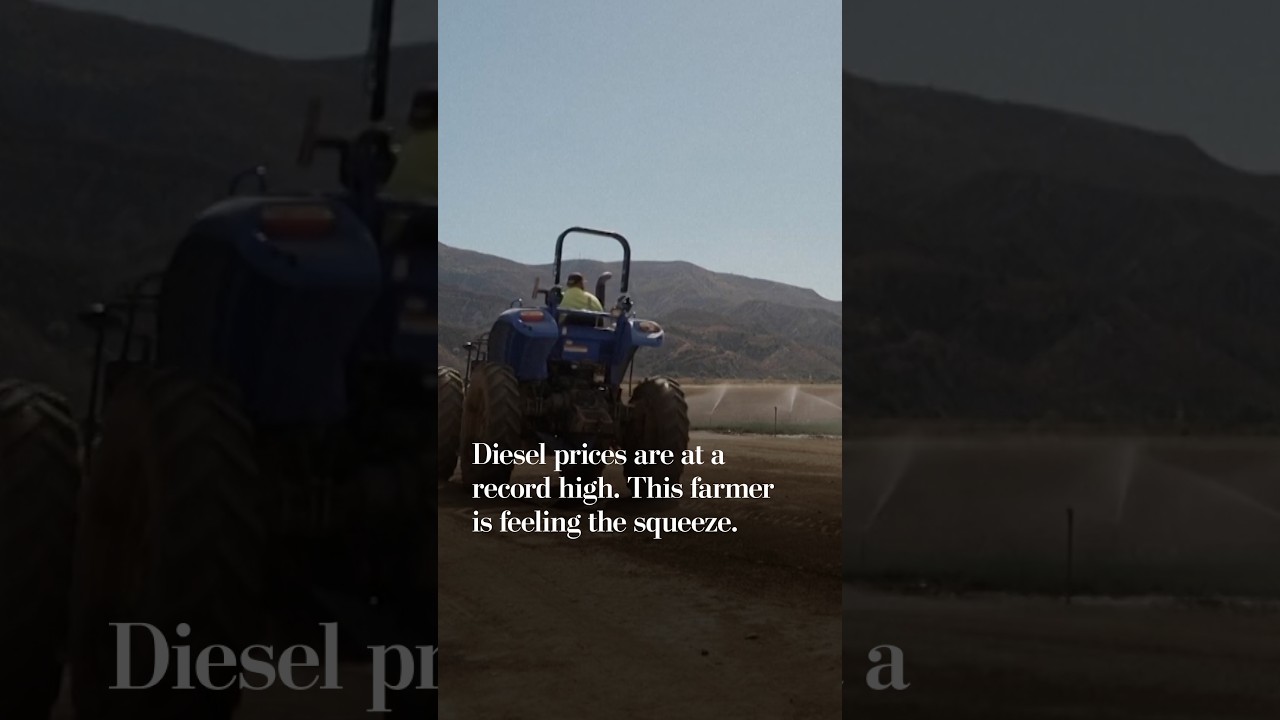
Recent coverage has shifted from the private calculations of cabinet members to the survival struggle of the rural working class. The narrative now centers on the tangible collapse of support among the president's core constituents. CBS News documents the experience of a North Carolina farmer who cites soaring diesel and fertilizer costs as a direct result of the Iran conflict and naval blockades. This reporting connects the war's strategic failures to a specific intent to vote a split ticket in November. For the reader, the story is no longer about political maneuvering in Washington, but about the erosion of the administration's populist foundation. The press has moved from analyzing the bank accounts of the elite to the bankruptcy risks of the heartland, effectively treating the farm belt as the new front line of the conflict.
Recent coverage has moved from the internal political fallout in the U.S. to the physical escalation of the conflict in Yemen.
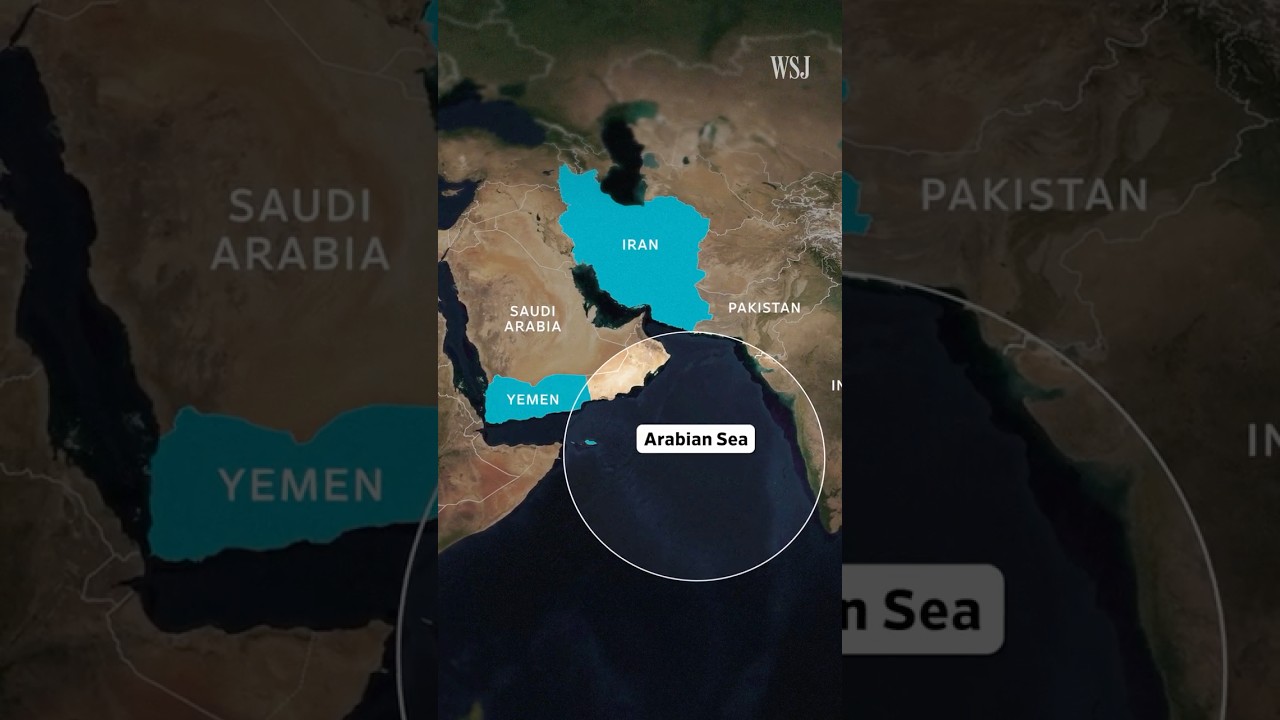
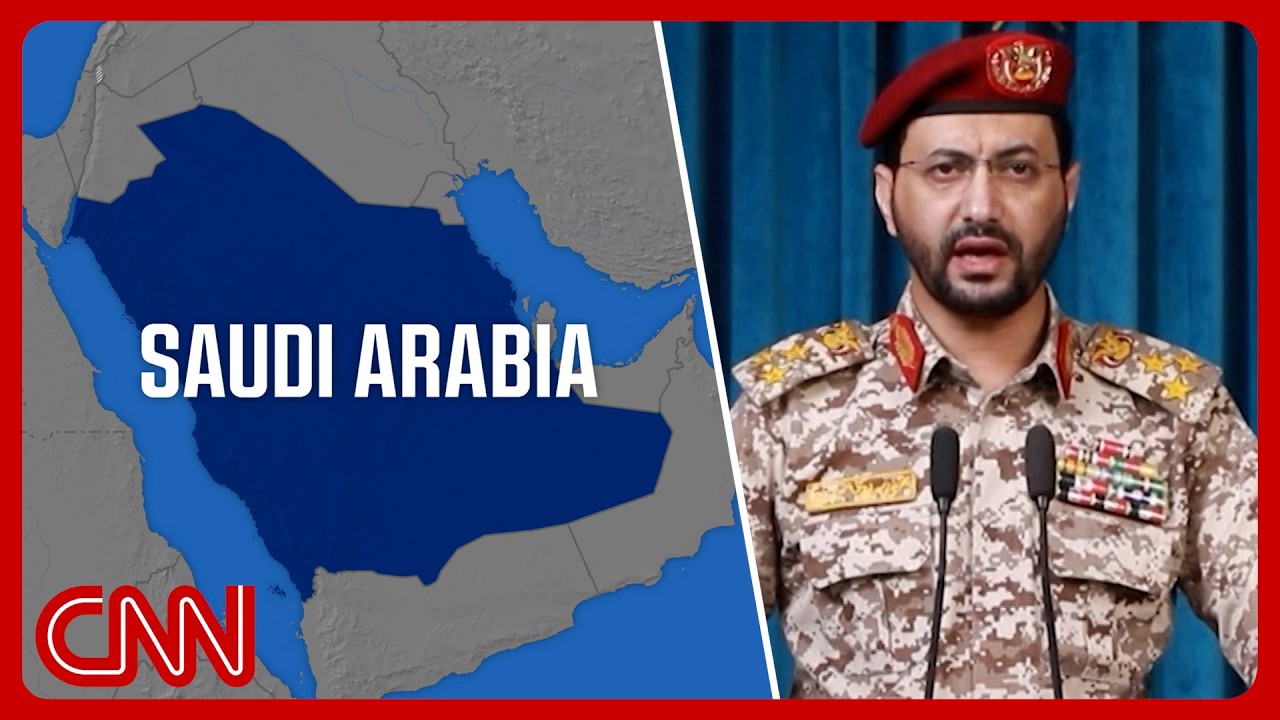
NPR reports that Houthi rebels have captured the port city of Mokha and islands near the Bab el-Mandeb strait, explicitly linking these tactical gains to pressure on Saudi Arabian oil exports.
This shift means the reader is no longer looking at the war through the lens of American voting blocs, but as a geopolitical crisis that threatens global energy stability. The press has pivoted from diagnosing a political fever in the heartland to reporting a strategic fire in the Gulf.
From rural voting blocs to global street protests and military stalemate
Recent coverage has shifted from the internal political fallout in the U.S. to the global contagion of social unrest. The narrative is no longer confined to American heartland anxiety, but now tracks how fuel hikes are triggering highway blockades and strikes from Guatemala to the Philippines. CNN and Newsweek illustrate a world where U.S. military aggression is being rebranded as a direct cause of international economic hardship.
Simultaneously, the press is highlighting a widening gap between the administration's appetite for escalation and its actual results. While CBS News reports that Trump is considering the 'annihilation' of the Iranian regime, the same outlet reveals that Iranian forces have downed at least two American MQ-1 drones. This juxtaposition transforms the story from a strategic military engagement into a study of cognitive dissonance, where the rhetoric of total victory clashes with a documented operational stalemate.
For the reader, the conflict is no longer just a domestic political liability or a regional skirmish. It has become a global liability, where the U.S. is framed as the primary engine of worldwide inflation and instability.
From global instability to the 2026 electoral map
Recent coverage has pivoted from the chaos of global unrest back to the sterile calculations of the American ballot box. The narrative is no longer about the physical fire in the Gulf, but about the political fallout for the 2026 midterms. Breitbart suggests that the combination of high gas prices and an endless war is creating a 'thermostatic effect' that will punish the party in power.
This move signals a retreat from analyzing the conflict as a geopolitical crisis to treating it as a mere variable in a campaign strategy. The press is once again reducing a complex international disaster to a set of self-inflicted wounds that might cost a few Senate seats. For the reader, the war is no longer a global catastrophe; it is simply a liability for the next election cycle.
JPMorgan abandons oil forecasts as reports surface of tactical nuclear planning
These reports have shifted from predicting political fallout to documenting a complete breakdown of predictability. The admission by JPMorgan that traditional economic 'red lines' no longer trigger diplomatic resolutions suggests the conflict has entered a phase where market logic is irrelevant. This is no longer a story about whether gas prices will hurt a campaign, but about a strategic vacuum where neither the White House nor Wall Street can model the endgame.
Simultaneously, the narrative is darkening as the press moves from discussing conventional stalemates to the plausibility of tactical nuclear strikes. By linking Pentagon strategy to specific targets like Pickaxe Mountain, the coverage is framing the administration's desperation as a genuine global security risk. This pivot reflects a common press pattern: when a conflict drags on without a clear victory, the media stops analyzing the policy and starts speculating on the 'grand finale' that could erase the failure.
For the reader, the conflict is no longer a manageable political liability. It is now presented as a volatile gamble where the only remaining exits are total regime annihilation or a nuclear escalation that would make the U.S. a global pariah.
UN Ambassador Mike Waltz declines to provide timeline for ending Iran war
New coverage from 1 outlets
These reports have pivoted from the abstract terror of nuclear strikes back to the mundane misery of campaign math. The narrative is no longer about global annihilation, but about the collapse of the 'short war' promise, highlighted by Mike Waltz's refusal to provide a timeline for the conflict's end.
By pairing this admission with polling showing 62 percent of voters view the war as a waste, the press is framing the conflict as a strategic trap. This shift reflects a common media habit: when the 'doomsday' narrative peaks, the coverage resets to the most tangible point of failure—the gap between a leader's boast and the reality on the ground.
For the reader, the war is no longer a geopolitical gamble; it is a documented political liability that is actively splitting the Republican party along the lines of electoral survival.
The Guardian reports Houthi seizure of Bab al-Mandab and blockade of Saudi oil ships
New coverage from 1 outlets
These reports have pivoted from the sterile math of campaign liabilities back to the physical collapse of regional security. The narrative now centers on the Houthi seizure of the Bab al-Mandab strait and the blockade of Saudi oil exports, framing these as the inevitable spillover from the assassination of Iran's top leadership.
By highlighting the administration's refusal to intervene despite Saudi pleas, the coverage is shifting from a debate over policy goals to a documentation of strategic impotence. This reflects a common press pattern: when high-level rhetoric of 'annihilation' fails to produce results, the media returns to the most tangible point of failure—the loss of critical geography.
For the reader, the conflict is no longer a political gamble or a nuclear theory. It is a concrete blockade that transforms the Red Sea into a chokehold on the global economy.
CNN reports US business owners face supply chain crises more severe than the pandemic
New coverage from 1 outlets
These reports have shifted from the geopolitical drama of the Red Sea to the gritty reality of the American balance sheet. The narrative is no longer about whether a blockade can be broken, but about how inflation has become embedded in the domestic service sector through a cocktail of war, tariffs, and weather.
CNN highlights that for small business owners, the current volatility is more stressful than the Covid-19 pandemic. This transforms the core problem from a temporary diplomatic hurdle into a systemic economic failure that cannot be fixed by a simple ceasefire in the Strait of Hormuz.
This pivot reflects a typical press pattern: once the shock of a military escalation fades, the media searches for a way to make the crisis feel personal to the domestic reader. By framing the war as just one of several overlapping disasters, the press is moving away from analyzing the administration's strategic goals and toward documenting the permanent erosion of business margins.
GOP Senate nominees in Michigan and Iowa call for an end to the Iran war to lower energy costs
New coverage from 1 outlets
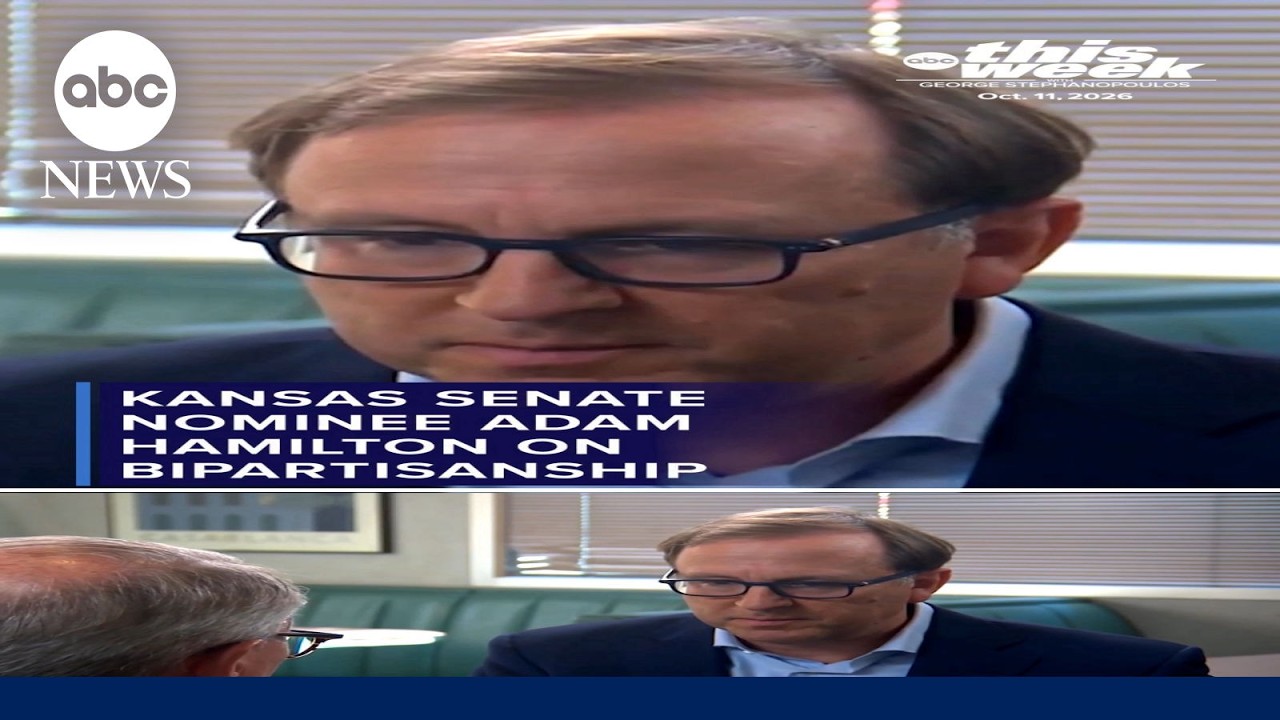
These reports have shifted from the macro-misery of the American balance sheet back to the survival instincts of GOP candidates. The narrative now centers on Senate nominees in Michigan and Iowa who are openly calling for an end to the conflict to appease voters crushed by inflation.
By highlighting proposals for diesel export embargos and tax suspensions, the coverage frames the war not as a strategic necessity, but as a political anchor dragging down local campaigns. This reflects a recurring press pattern: when a national crisis becomes a liability for the rank-and-file, the media pivots from the war's geopolitical goals to the electoral panic of the party's foot soldiers.
For the reader, the conflict is once again being reduced to a polling variable. The focus is no longer on whether the administration can win the war, but on whether its candidates can survive the fallout of continuing it.
NBC News reveals GOP candidates' voting records contradict their calls to end the Iran war
New coverage from 1 outlets
These reports have shifted from documenting general political anxiety to exposing a calculated performance of dissent. The narrative now centers on the gap between public rhetoric and legislative action, specifically highlighting candidates who call for peace in campaign ads while consistently voting against resolutions to end the hostilities.
NBC News exposes this friction by pairing recent anti-war pleas with a record of repeated votes to sustain the conflict. This pivot reflects a press pattern of moving from 'what is being said' to 'what has been done' once a political narrative becomes too convenient.
For the reader, the war is no longer just a political anchor; it is a tool for electoral gymnastics. The focus has moved from the candidates' fear of the voters to their attempt to deceive them.
ISW reveals Trump postponed Houthi strikes while Iran builds Red Sea infrastructure
New coverage from 1 outlets
These reports have pivoted from the performative dissent of American politicians to the concrete strategic gains of Iran. The narrative now centers on a dangerous gap between U.S. rhetoric and action, specifically the postponement of airstrikes against Houthi targets despite pleas from regional allies.
By detailing the construction of tunnels and radar infrastructure in captured coastal zones, the coverage frames the conflict as a window of opportunity that Iran is actively exploiting. This shift reflects a press pattern of returning to hard military intelligence when political theater becomes repetitive.
For the reader, the story is no longer about who is lying in a campaign ad, but about a calculated vacuum of leadership that is allowing a regional adversary to solidify its hold on global shipping lanes.
Newsweek reports record diesel prices exceeding $6.50 in 16 states
New coverage from 1 outlets
These reports have pivoted from the strategic map of the Middle East back to the price tags at American pumps. The narrative is no longer about who controls the shipping lanes, but about how diesel prices topping $6.50 are eroding the administration's economic credibility.
By linking fuel spikes directly to declining approval ratings in the agricultural sector, the coverage frames the conflict as a domestic liability that outweighs any geopolitical objective. This reflects a recurring press habit: when a foreign war feels too distant, the media anchors the story to the most painful single digit in a voter's budget.
For the reader, the war has ceased to be a study in leadership or strategy. It is now a direct tax on the American farmer, transforming a global security crisis into a local campaign disaster.
NBC News links Iran war to CPI rise and mortgage rate spikes
New coverage from 1 outlets
These reports have pivoted from the panic of individual campaign races to a comprehensive economic autopsy. The narrative now weighs the administration's claim of a strong economy—citing record household incomes and low unemployment—against the concrete reality of a CPI jump from 2.4% to 3.4% and soaring mortgage rates.
By framing the war as a domino effect that cancels out domestic gains, the coverage is moving from 'political liability' to systemic economic failure. This follows a standard press pattern: once the immediate shock of a military strike fades, the media seeks a broader data set to prove that the crisis is not just a temporary spike, but a permanent erosion of the middle-class standard of living.
For the reader, the conflict is no longer just a threat to a few Senate seats. It is presented as a hidden tax that renders record income irrelevant by inflating the cost of basic survival.
Tennessee school bus contractors warn of service halts due to diesel price spikes
New coverage from 1 outlets
These reports have pivoted from the abstract misery of the CPI index to the tangible failure of school bus transportation. By highlighting contractors in Tennessee who can no longer afford diesel, the narrative transforms a global energy crisis into a local logistical nightmare.
This shift reflects a common press tactic: when macro-economic data becomes white noise, the media hunts for a 'human interest' angle that makes the crisis feel immediate and visceral. The focus is no longer on the national balance sheet, but on the threat to a child's ride to school in a key political stronghold.
For the reader, the war is no longer a debate over mortgage rates or GDP. It is now a direct threat to the basic functioning of a local community.
Harry Enten refutes Senator Tuberville's claim that voters accept high gas prices for the war
New coverage from 1 outlets
These reports have shifted from documenting the symptoms of inflation to debunking the political myth that ideological loyalty can override a record-high diesel bill. By pitting a senator's claim of voter acceptance against historical polling data, the coverage is exposing a disconnect between the GOP's internal confidence and the electorate's actual tolerance.
This pivot reflects a common press pattern: once the physical misery of a crisis is established, the media moves to test whether the political class is delusional about how that misery is being received. The focus is no longer on the cost of the fuel, but on the credibility of the politicians claiming the public doesn't mind paying it.
For the reader, the war is no longer just a financial burden. It is now a litmus test for political honesty, framing the administration's supporters as either out of touch or intentionally deceptive about the cost of the conflict.
Republican lawmakers pressure Trump for diesel export ban to curb domestic price spikes
New coverage from 1 outlets
These reports have shifted from documenting the misery of high fuel costs to analyzing a desperate policy pivot: the proposal for a diesel export ban. The narrative now centers on the friction between lawmakers seeking an immediate electoral fix and energy experts warning that such a move would trigger long-term global instability.
By framing the ban as a short-term sedative for a panicked base, the coverage highlights the structural gap between sound economic strategy and the urgent needs of a campaign cycle. This follows a standard press pattern of moving from 'the problem is bad' to 'the proposed solution is a gimmick' once the political pressure reaches a boiling point.
For the reader, the crisis is no longer just about the price at the pump. It is now a study in political desperation, where the administration is tempted to trade long-term energy security for a few weeks of relief before the midterms.
National Black Farmers Association warns of land loss due to record diesel prices
New coverage from 1 outlets
These reports have moved from the legislative theater of export bans to the actual insolvency of the American farm. The narrative now centers on the specific plight of Black farmers and rural operators who are facing land loss as diesel prices hit a record average of $6.53.
By highlighting the gap between the president's rhetoric and the financial collapse of the very people who voted for him, the coverage frames the conflict as a betrayal of the base. This reflects a typical press pattern: once a policy debate becomes stale, the media pivots to the most vulnerable victims to transform a technical economic issue into a moral failure.
For the reader, the war is no longer a debate over trade bans or polling data. It is now a story of permanent asset loss, where a geopolitical gamble in Iran is being paid for with the deeds to family farms.
Senator John Kennedy urges Trump to prioritize affordability and explain Iran exit strategy
New coverage from 1 outlets
These reports have shifted from the wreckage of the farm belt to the panic of the party hierarchy. The narrative now centers on the demand for a nationwide address to justify the war, framing the conflict not as a moral betrayal, but as a tactical liability that needs a clear exit ramp to save GOP candidates.
CBS News highlights the friction between maintaining sanctions and the electoral cost of high gas prices. This reflects a press pattern of moving from the 'victim's story' back to the 'insider's warning' once the economic pain becomes a quantifiable risk to party power.
For the reader, the war is no longer just a tragedy of lost land. It is now a negotiation over optics, where the priority is not solving the energy crisis, but finding a way to explain it that doesn't cost the party its majority.
Ambassador Mike Waltz confirms Trump administration rejects Iranian proposal to reopen Strait of Hormuz
New coverage from 1 outlets
These reports have shifted from the internal panic of the GOP hierarchy to the calculated rigidity of U.S. foreign policy. The narrative now centers on the administration's rejection of an Iranian offer to reopen the Strait of Hormuz and resume nuclear talks in exchange for the lifting of oil sanctions and naval blockades.
HuffPost details how Ambassador Mike Waltz frames this refusal as a necessity to prevent Iran from establishing a conventional shield of drones and missiles. By highlighting that military options remain 'on the table' specifically for the period after the midterms, the coverage suggests that the administration is treating the election as a tactical pause rather than a pivot toward peace.
For the reader, the conflict is no longer being framed as an electoral liability to be managed, but as a strategic objective that the administration is willing to pursue regardless of the diplomatic cost. The focus has moved from whether the candidates can survive the fallout to whether the administration intends to escalate the war once the polls close.
The Nation reveals historical participation rates of the Iranian Revolution to challenge current U.S. policy
New coverage from 1 outlets
These reports have pivoted from the immediate tactical calculations of the administration to a historical autopsy of U.S. interventionism. The narrative now questions whether the current conflict is a necessary security measure or the inevitable result of a decades-long failure to recognize Iranian sovereignty.
The Nation engages with the essential question of the conflict's root cause by providing [★ 독자적 사실] regarding the scale of the 1979 Revolution. By citing that 13% to 25% of the population actively participated, the coverage frames the revolution as a massive anti-colonial movement rather than a fringe fundamentalist coup. This evidence is used to argue that U.S. military actions, such as the bombing of Evin prison, paradoxically strengthen the Iranian government by rallying a population historically sensitized to foreign interference.
For the reader, the war is no longer presented solely as a contemporary crisis of leadership or energy prices. It is now framed as a clash between geopolitical assumptions and historical reality, suggesting that sustainable peace is impossible as long as the U.S. ignores the social foundations of the Iranian state.