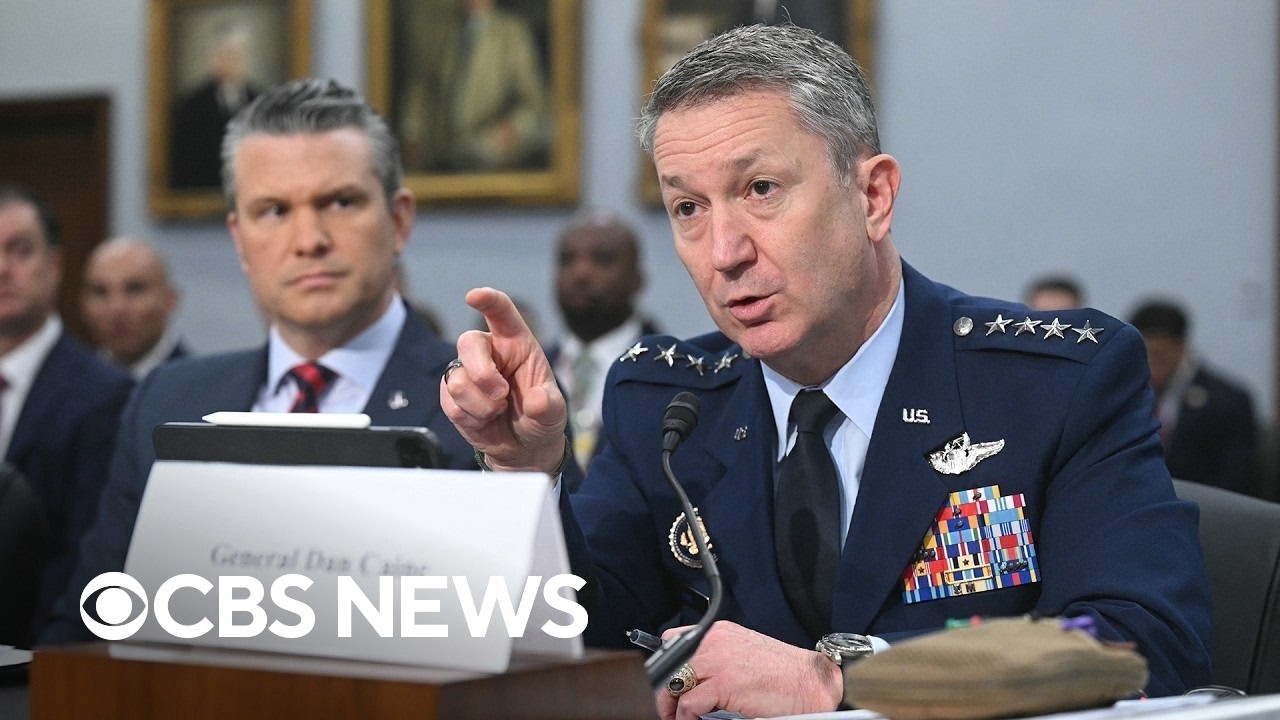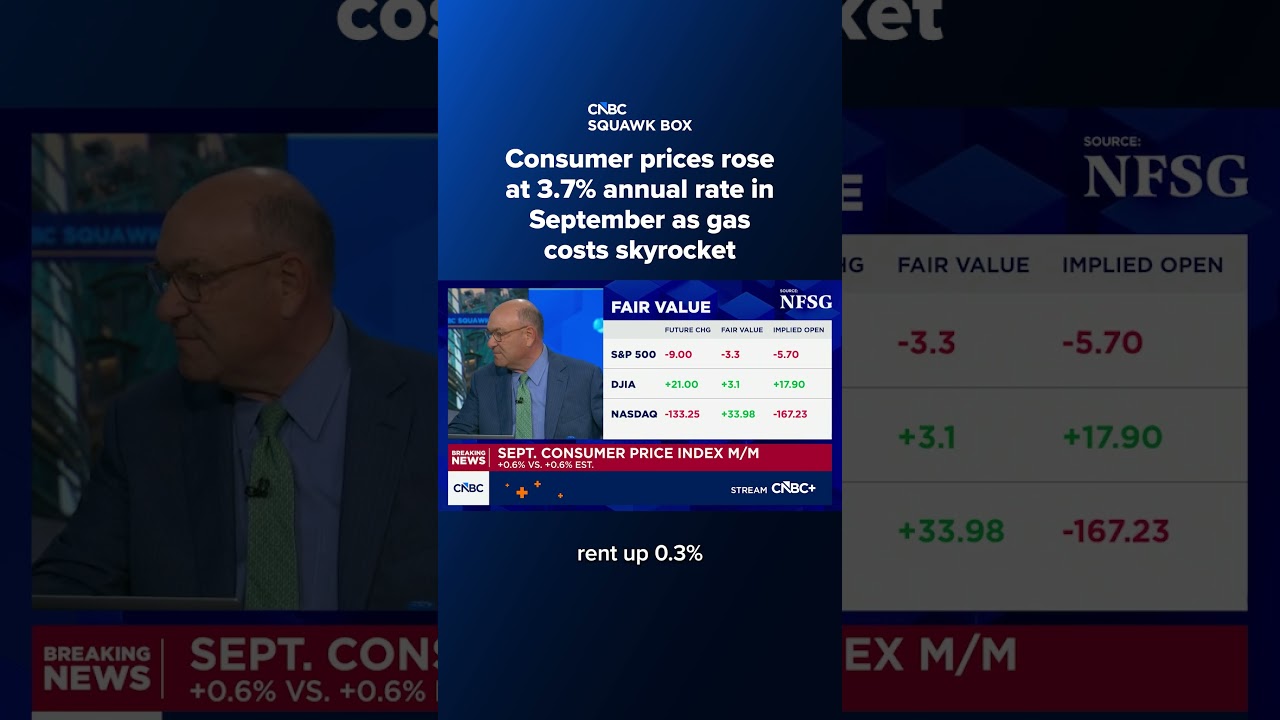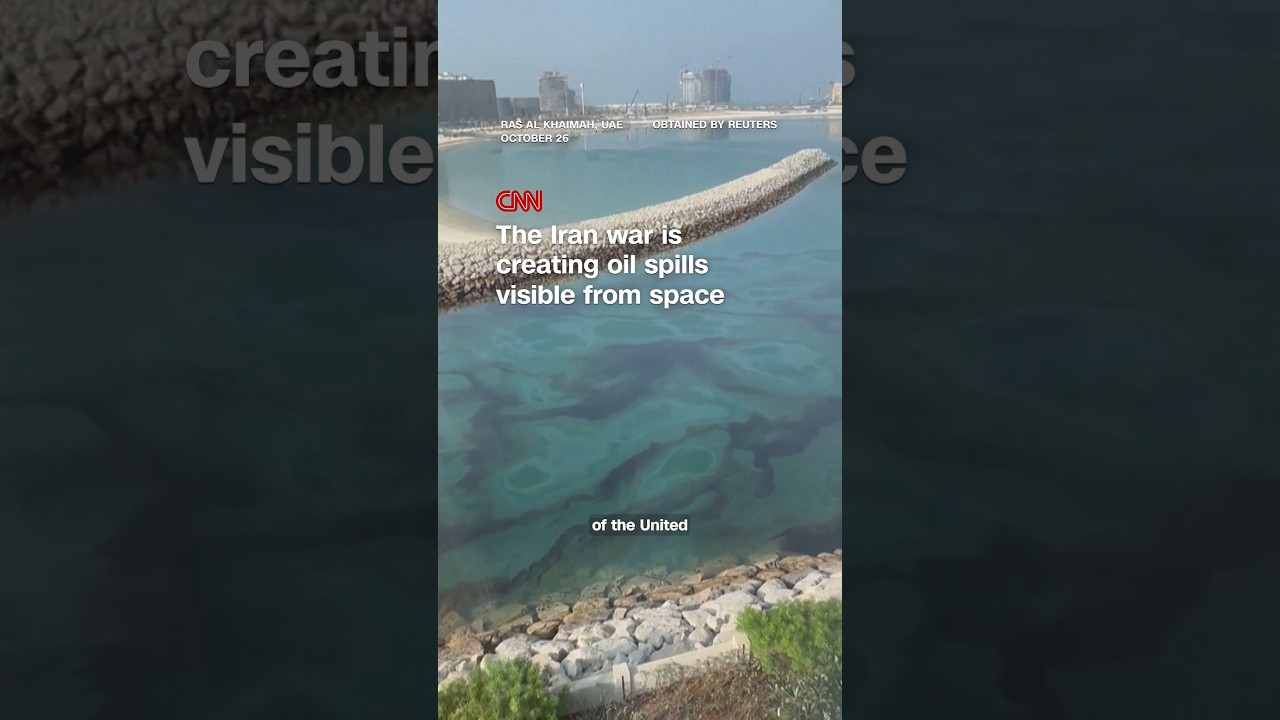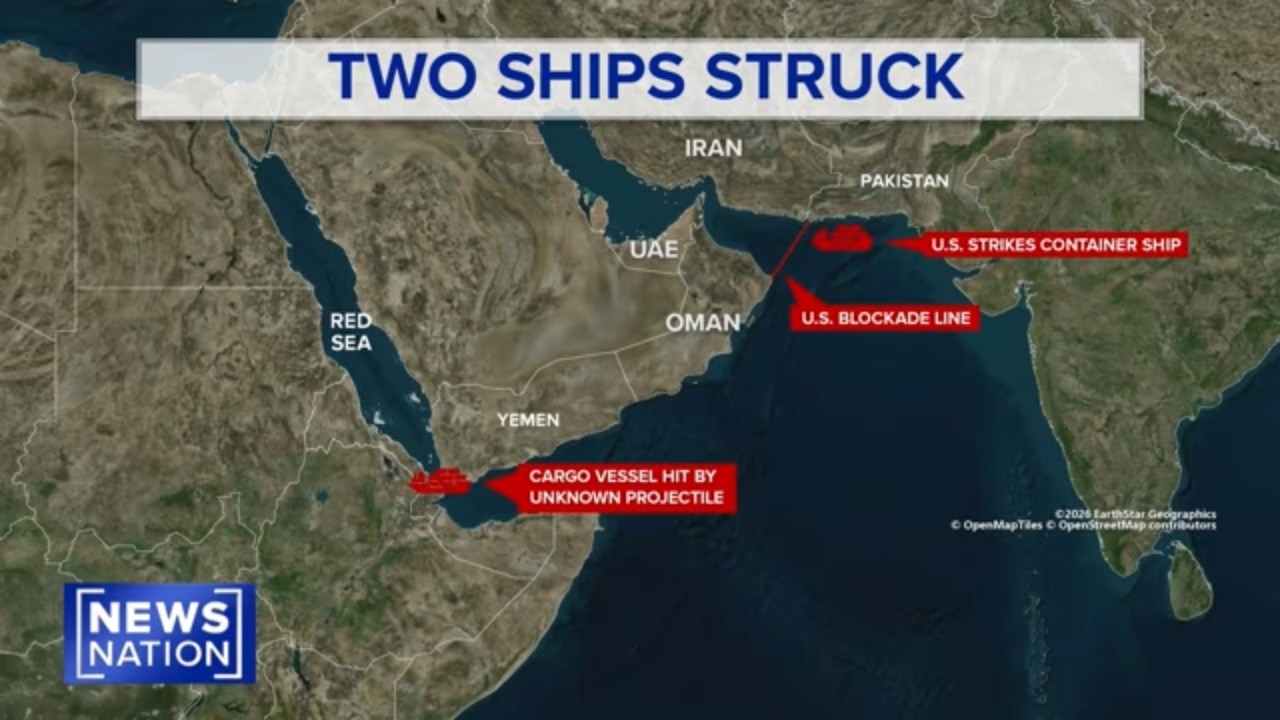
The US government is engaged in a war with Iran, with Defense Secretary Pete Hegseth reporting $37.5 billion in spending and requesting $67 billion more. President Donald Trump claims the war is nearing an end, though Iran denies direct talks and reports indicate US missile shortages. The conflict has led to increased fuel costs for US households and global hunger warnings from the UN.
Editor's Analysis
All 3 articles highlight the $37.5 billion spending and requested $67 billion increase, showing a consistent focus on the financial scale of the conflict, which characterizes the coverage as budget-centric. Two of 3 articles emphasize the contradiction between President Trump's claims of an imminent end and the reality of missile shortages or denied talks, establishing a pattern of skepticism toward official government narratives. Only 1 outlet addresses the indirect economic burdens such as increased fuel costs and UN global hunger warnings, revealing a substantial missing perspective regarding the broader humanitarian and domestic socio-economic impacts of the war.
Critical coverage dominates with high intensity.
Economist Mark Zandi reports average US household cost of $2,000 due to Iran war
New coverage from 2 outletsCoverage has moved from direct government spending to the indirect financial toll on the American public. Newsweek and Daily Caller both report that the war has cost the average household nearly $2,000, a figure driven by energy inflation and rising interest rates.
Newsweek [★ 독자적 사실] engages with the essential question of the war's total cost by revealing that household burdens are seven times higher than the direct military costs cited by the Secretary of Defense. It further expands the scope of the conflict's toll by documenting 21 U.S. service member deaths and Iranian civilian casualties.
Daily Caller focuses on the mechanical breakdown of these costs, attributing specific dollar amounts to energy, taxes, and interest rates. While both outlets address the economic impact, only Newsweek connects these financial pressures to the potential political fallout in upcoming midterm elections.