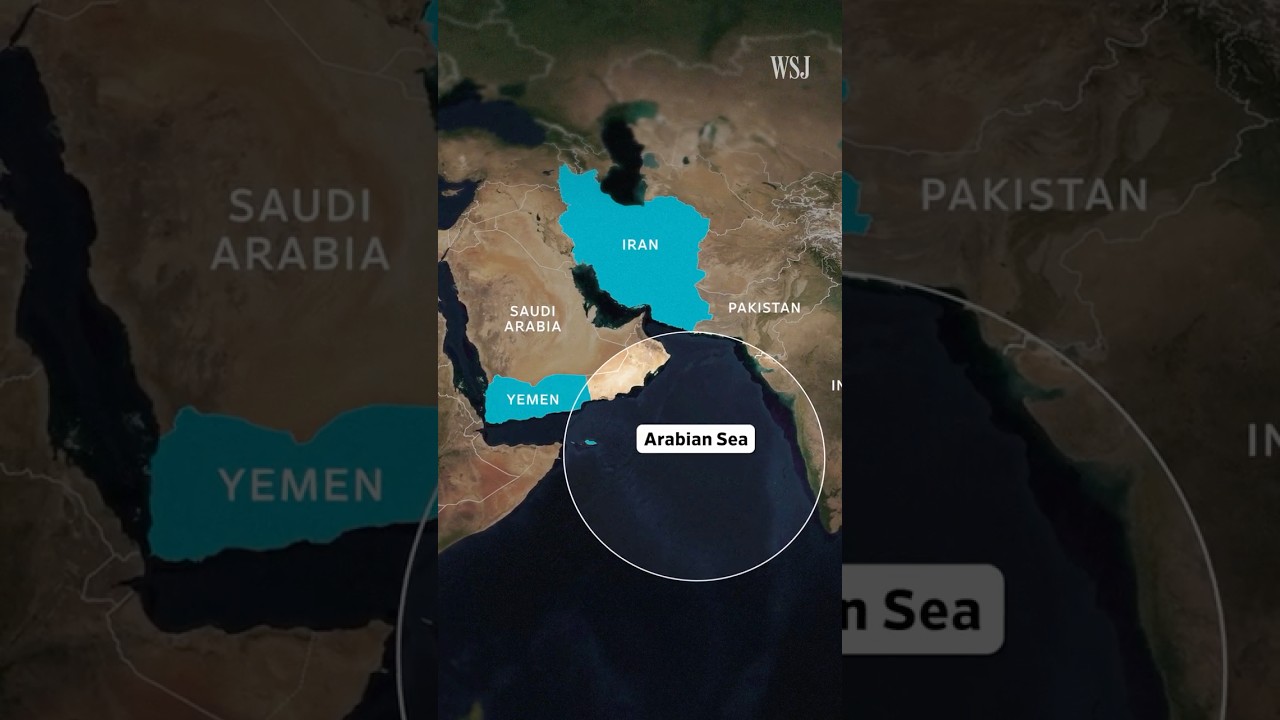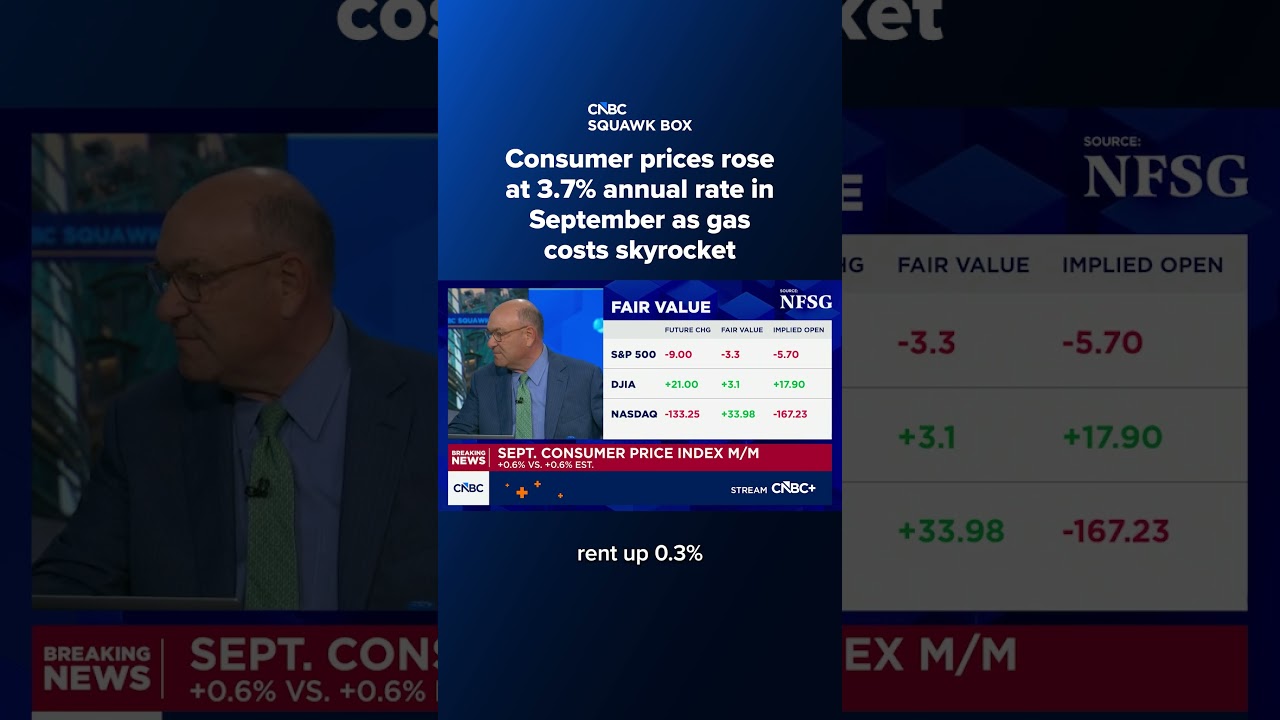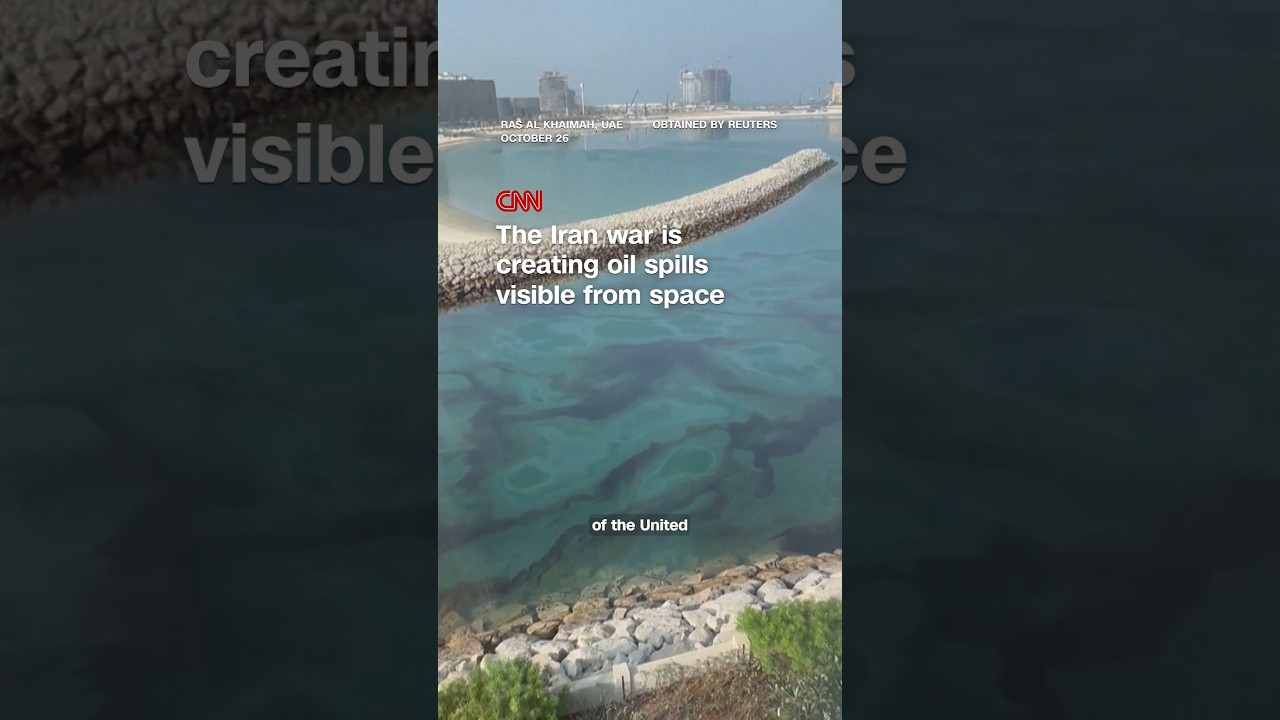
The United States has experienced a severe depletion of missile stockpiles, including Patriot, THAAD, and long-range precision missiles, during a military conflict with Iran led by President Donald Trump. This conflict caused a massive energy supply disruption after Iran closed the Strait of Hormuz, leading to significant inflation. While the administration denies critical shortages, reports indicate these gaps may limit military options and increase vulnerability to China.
Editor's Analysis
Across 3 of 11 articles, reports on munitions shortages and strategic vulnerability indicate a pattern of military instability, describing a precarious US defense position. In 1 of 11 articles, the focus on "Trumpflation" and energy supply disruptions reveals a pattern of economic instability, describing the broad inflationary impact of the conflict. Only 1 outlet addresses the psychological motivations of the leader and the resulting strain on allies, showing a pattern of diplomatic volatility and describing a substantial missing perspective regarding the impact on international partnerships.
Critical coverage dominates with mid-to-high intensity bias.
CNBC reveals UK Treasury modeling on growth drop due to Strait of Hormuz disruption
New coverage from 2 outletsThese reports move beyond general inflation to identify specific economic vulnerabilities. CNBC provides concrete evidence by citing UK Treasury modeling that suggests growth could drop to 0.3% if the Strait of Hormuz is disrupted. This reporting engages with the essential question of instability by linking military conflict to a precise geographic and economic failure point.
Daily Caller continues to highlight the erosion of American working-class purchasing power. However, it omits any analysis of the structural readiness of the military or the specific geopolitical triggers that could worsen the energy shock. The coverage in this round diverges between identifying systemic risks to global trade and describing the symptoms of domestic price increases.