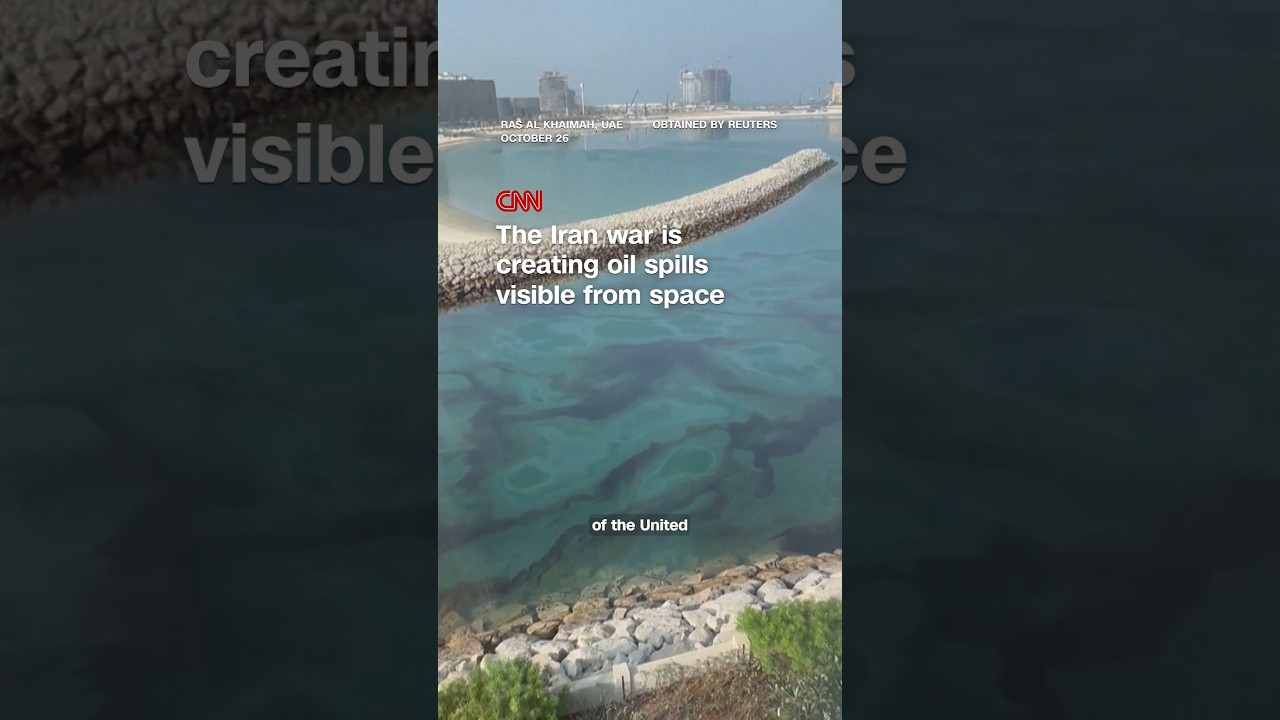
A months-long military conflict between the U.S. and Iran has driven crude oil prices above $100 a barrel, fueled by fighting in Yemen and U.S. strikes on Iranian tankers. The Congressional Budget Office (CBO) reports the U.S. military has spent nearly $40 billion on the war as of August 1. While President Trump claims the U.S. holds the advantage and Iran's economy is collapsing, Iran's Secretary Mohsen Rezaei has rejected peace talks unless specific conditions are met.
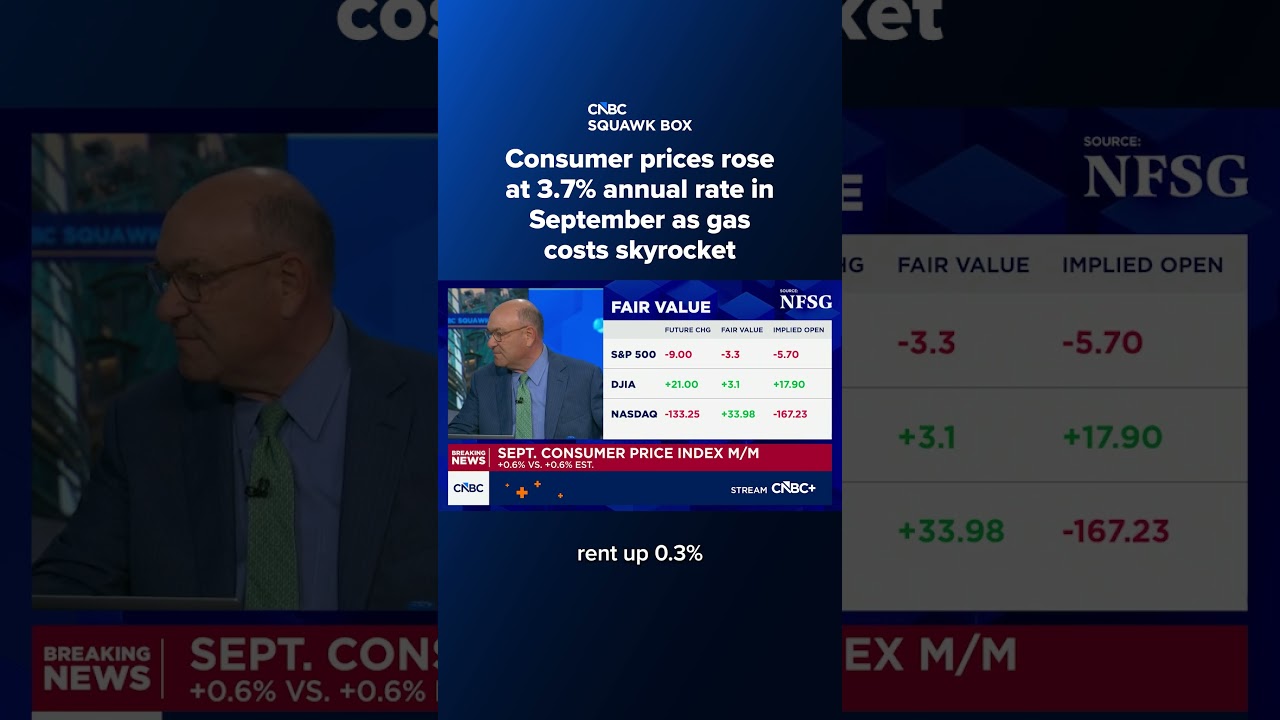
In the U.S., the conflict is causing significant financial strain. The National Energy Assistance Directors Association (NEADA) projects households using heating oil will spend nearly $2,300 this winter, a 31.3% increase over last year. This impact is concentrated in the Northeast. Other affected citizens include a mother in Florida cutting essential therapies for her disabled child, trucking representative Lewie Pugh, and soybean farmer John Bartman.
Internationally, the energy crisis has sparked social unrest. Massive demonstrations have occurred in Syria, and truckers in Guatemala have implemented highway blockades. Protests from business leaders and farmers have also been reported in Portugal and France. In the UK, rural households in Devon, Cornwall, and Guernsey face price spikes because heating oil lacks an Ofgem price cap, according to Devon County Council member Cheryl Cottle-Hunkin.
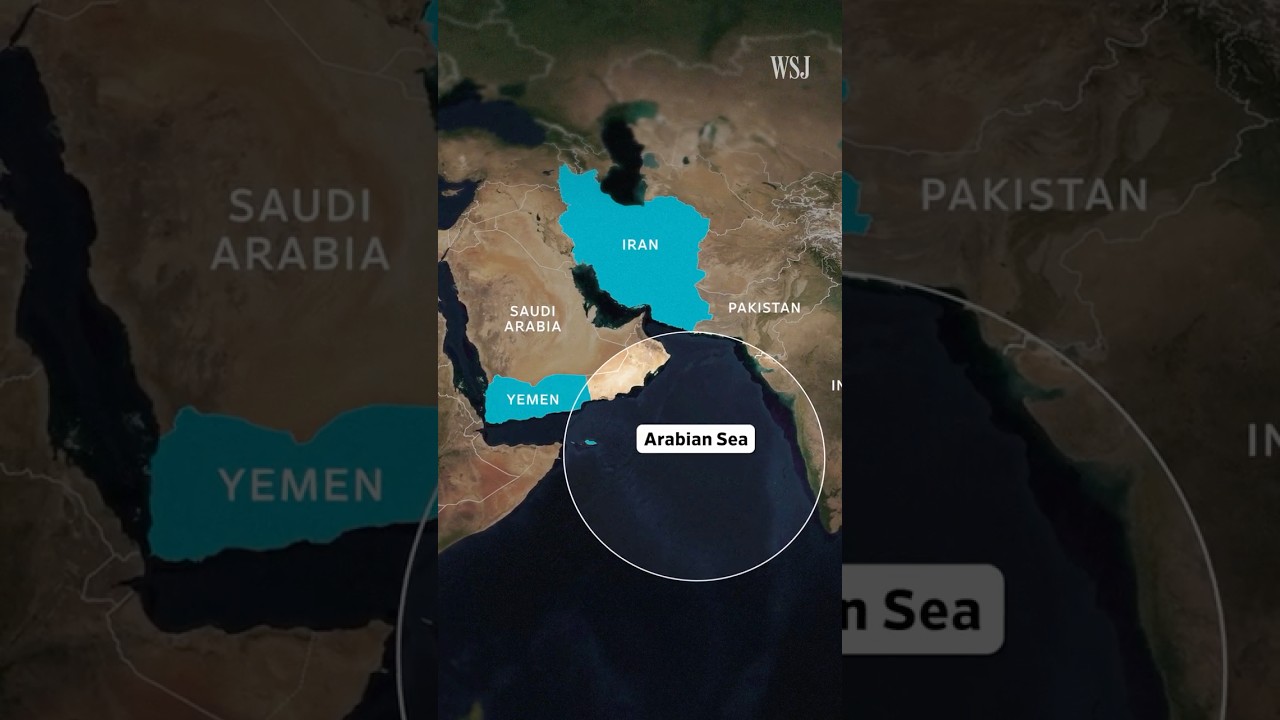
Strategically, the Institute for the Study of War (ISW) reports that Houthi forces are expanding strikes deeper into Saudi Arabia to pressure Riyadh. Meanwhile, Saudi Arabia is rerouting oil exports through the Strait of Hormuz with U.S. military support. U.S. strikes have degraded Iranian coastal surveillance and mine-laying capabilities. Despite this, the Trump administration is reportedly planning a $2.8 billion arms package for Israel.