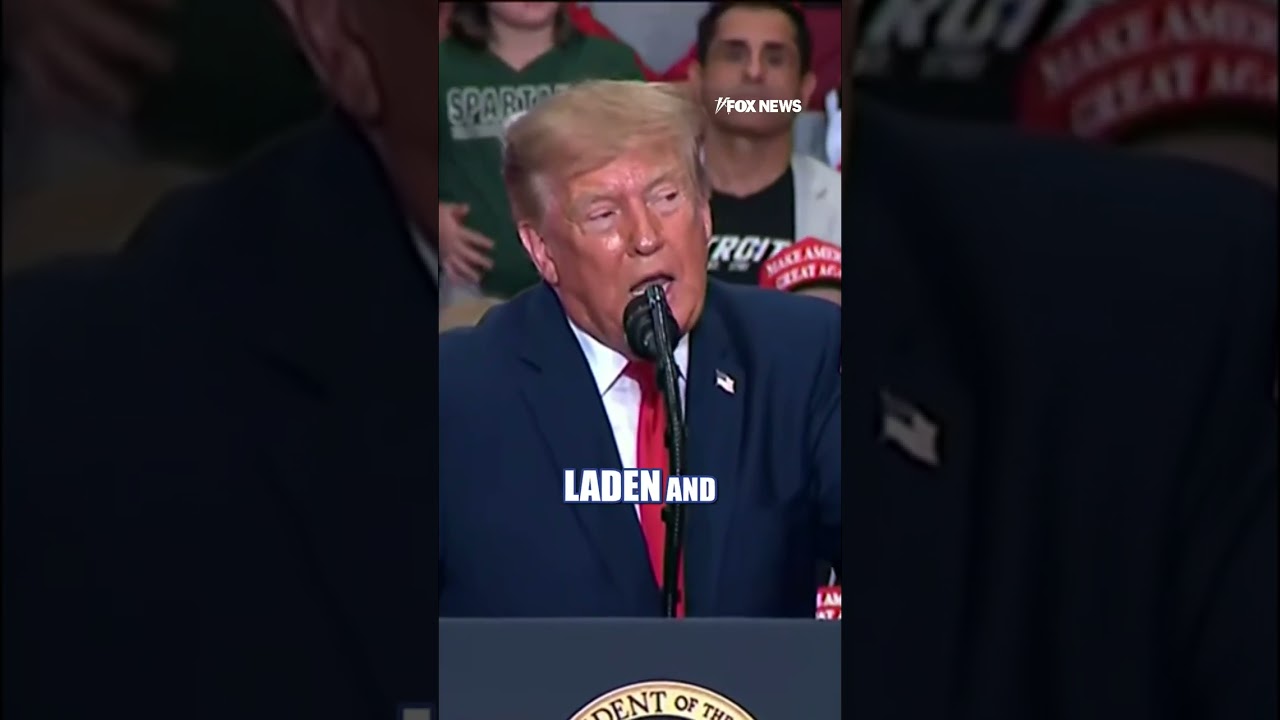
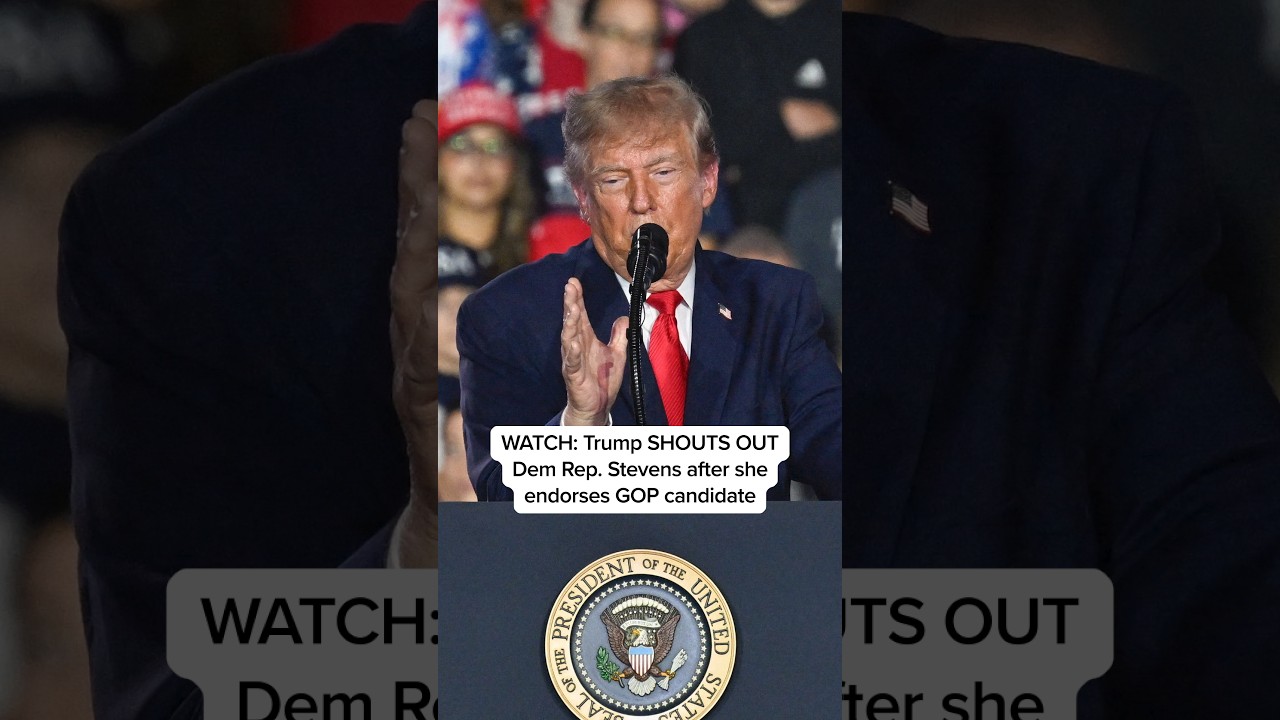
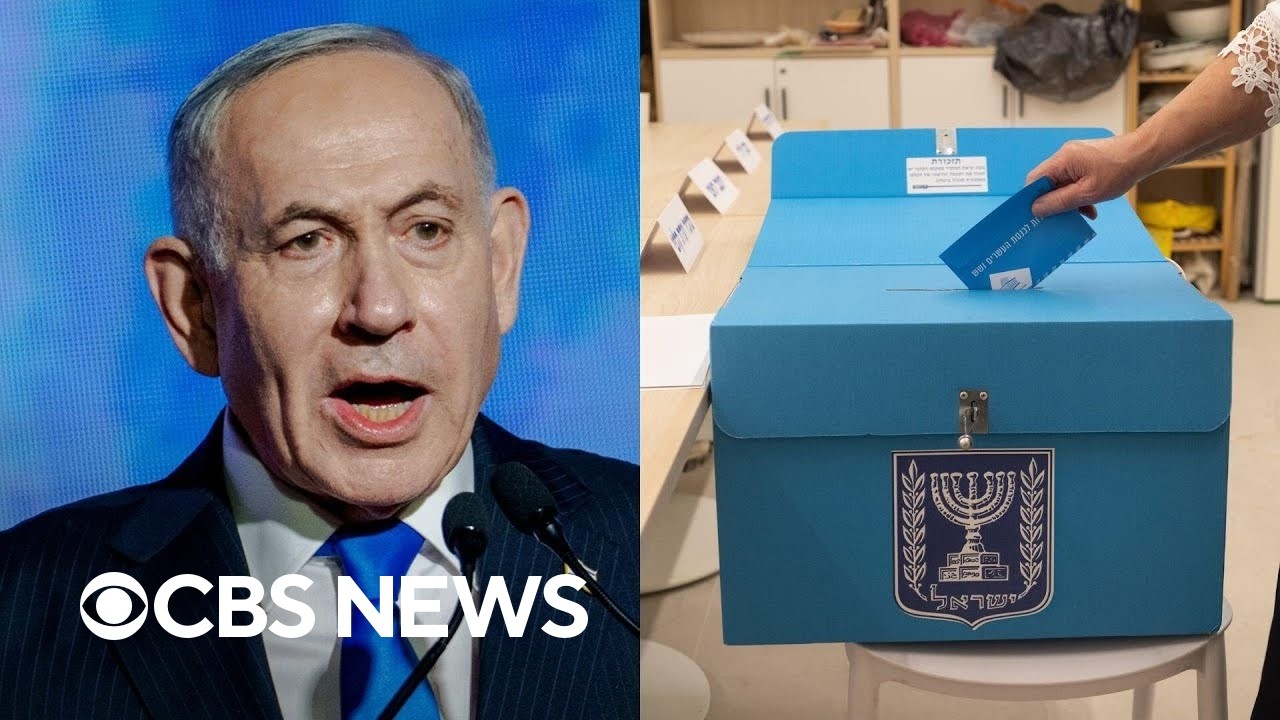
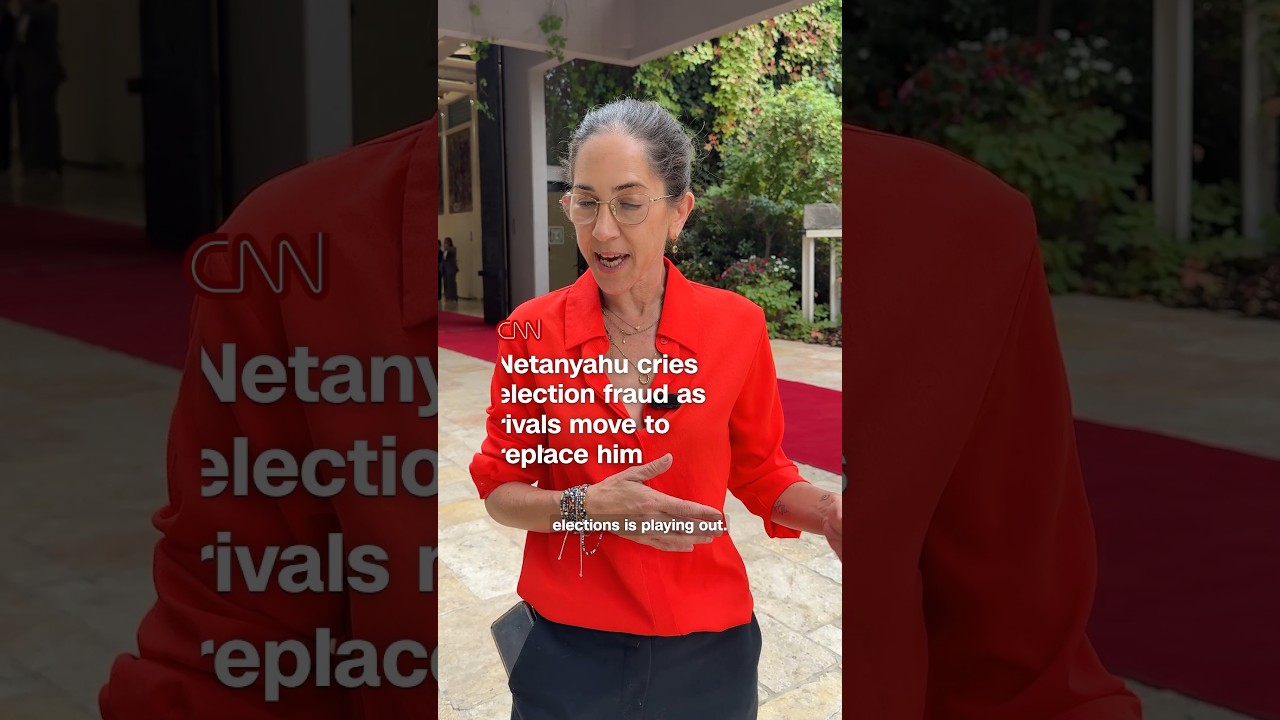
On Election Day, President Trump announced during interviews with Fox News and 'Fox and Friends' that U.S. military assistance to Israel will end by the end of 2026. He clarified to host Brian Kilmeade that the cut applies to all forms of assistance, including weapons, hardware, and cash, and cited his goal of achieving a balanced federal budget as a motivator. President Trump claimed he reached this agreement with Prime Minister Benjamin Netanyahu months ago, though he stated the U.S. would still help if a specific need arises and suggested replacing military aid with arms sales. During the interview, President Trump joked about becoming Israel's prime minister and attributed the rise of antisemitism and anti-Israeli sentiment in the U.S. and Europe to immigration policies under Barack Obama. Brian Kilmeade expressed confusion over the aid halt, framing it as giving in to Democrats.
NBC News reported that the annual aid amount is $4 billion, a current military aid memorandum expires in 2028, and the U.S. has sent $21.7 billion in aid since October 7, 2023. A spokesman for Benjamin Netanyahu stated he was unaware of the remarks and would check for details, while the Israeli Treasury reported it had no knowledge of an agreement to end U.S. aid. Israeli opposition leader Yair Golan described the move as a severe blow to Israel's security, and both Golan and Gadi Eisenkot argued that Benjamin Netanyahu's conduct has endangered the US-Israel relationship. The Guardian reported that the announcement coincides with US midterm elections and follows a loss of majority for Netanyahu's party in the Knesset. HuffPost reported that Benjamin Netanyahu previously expressed a desire for Israel to transition from an aid recipient to a partner, and Mother Jones reported that Netanyahu preferred a slower ten-year phase-in for the transition to joint development.
Al Jazeera reported that President Trump cannot end the aid unilaterally because it is appropriated by Congress, and noted a July House bill deepened U.S.-Israel defense cooperation. Expert Thomas Warrick suggested military aid will likely phase out in 2027 rather than 2026 due to ongoing weapons programs. Other experts suggest the aid may be reprogrammed as 'joint defense partnerships' to reduce transparency and congressional oversight. Daily Caller reported that defense cooperation via the National Defense Authorization Act (NDAA) could continue, noting that Section 219 is a proposed NDAA provision to expand joint weapons co-production and defense technology sharing. Former official Joe Kent argued this proposed partnership could be a 'misdirection' to maintain Israeli access to U.S. R&D. Glenn Greenwald posted that total U.S. support for Israel exceeds the $4 billion minimum guarantee. Additionally, Victoria Coates and Daniel Samet argue that Israel's military and economic growth makes U.S. aid unnecessary and politically costly, while Michael Koplow noted the risk of a budget shortfall and eroded bilateral ties resulting from the aid cut. Newsweek reported that public opinion polls indicate a significant decline in American support for military aid to Israel over the last decade.
The announcement introduces a sharp contradiction between the administration's claims and the official record. While President Trump frames the aid cut as a mutual agreement, NBC News highlights that the Israeli Prime Minister's office was unaware of the remarks. This discrepancy transforms the event from a strategic policy shift into a question of diplomatic coordination.
NBC News provides critical utility by grounding the political rhetoric in legal and financial facts. By noting that the current military aid memorandum expires in 2028, the report reveals a potential conflict between a presidential announcement and a binding treaty. This detail is omitted by ABC News and Breitbart, which prioritize the administration's narrative of Israel's economic success or the domestic political framing of the decision.
Al Jazeera provides a necessary legal correction by reporting that President Trump cannot end the aid unilaterally because it is appropriated by Congress. This finding, combined with the mention of a July House bill deepening defense cooperation, suggests the announcement may be a tactical political move rather than a feasible policy change.
Daily Caller identifies a potential structural workaround via the National Defense Authorization Act (NDAA). By highlighting 'Section 219' and the possibility of expanding joint weapons co-production, the report suggests that the U.S. could maintain strategic influence while technically cutting direct cash aid. This adds a layer of complexity to whether the U.S. is actually exiting its financial commitments or simply changing the mechanism of support.
Newsweek adds a sociological dimension by reporting that public opinion polls indicate a significant decline in American support for military aid to Israel over the last decade. This suggests the administration's move may be calibrated to a shifting domestic mood rather than just a bilateral agreement.
Mother Jones and The Guardian shift the focus toward political timing. By linking the announcement to the US midterm elections and the loss of Netanyahu's party majority in the Knesset, they suggest the move is designed to neutralize domestic talking points. Mother Jones further notes that while Netanyahu has desired a transition to a partner status, he preferred a ten-year phase-in rather than an immediate cut.
Readers should now watch for a formal response from the Israeli government. Whether this is a genuine policy pivot or a unilateral declaration will depend on if the 2028 memorandum is legally bypassed or if the Israeli government retroactively validates the claim of a prior agreement.
Source facts (32)
President Trump announced the decision during interviews with Fox News and 'Fox and Friends'.
ABC News
President Trump claimed he reached the agreement with Prime Minister Benjamin Netanyahu months ago.
ABC News
NBC News reported that the annual aid amount is $4 billion.
NBC News
A spokesman for Benjamin Netanyahu stated he was unaware of the remarks and would check for details.
NBC News
A current military aid memorandum expires in 2028.
NBC News
The U.S. has sent $21.7 billion in aid since October 7, 2023.
NBC News
Israeli opposition leader Yair Golan criticized the move as a severe blow to Israel's security.
NBC News
President Trump clarified to host Brian Kilmeade that the cut applies to all forms of assistance, including weapons, hardware, and cash.
Daily Caller
President Trump cited his goal of achieving a balanced federal budget as a motivator for the decision.
Daily Caller
President Trump stated that the U.S. would still help Israel if a specific need arises.
Daily Caller
President Trump suggested that the military aid to Israel be replaced by arms sales.
The Guardian
Gadi Eisenkot and Yair Golan argued that Benjamin Netanyahu's conduct has endangered the US-Israel relationship.
The Guardian
The announcement regarding the aid cut coincides with US midterm elections and follows a loss of majority for Netanyahu's party in the Knesset.
The Guardian
President Trump joked about becoming Israel's prime minister during his interview.
The Guardian
President Trump attributed the rise of antisemitism and anti-Israeli sentiment in the U.S. and Europe to immigration policies under Barack Obama.
Breitbart
Benjamin Netanyahu has previously expressed a desire for Israel to transition from an aid recipient to a partner.
HuffPost
The Israeli Treasury reported it had no knowledge of an agreement to end U.S. aid.
Vox
Al Jazeera reported that President Trump cannot end the aid unilaterally because it is appropriated by Congress.
Al Jazeera
Expert Thomas Warrick suggested military aid will likely phase out in 2027 rather than 2026 due to ongoing weapons programs.
Al Jazeera
A July House bill deepened U.S.-Israel defense cooperation.
Al Jazeera
President Trump made the announcement on Election Day.
Mother Jones
Experts suggest the aid may be reprogrammed as 'joint defense partnerships' to reduce transparency and congressional oversight.
Mother Jones
Mother Jones reported that Prime Minister Netanyahu preferred a slower ten-year phase-in for the transition to joint development.
Mother Jones
President Trump announced that U.S. military assistance to Israel will end by the end of 2026.
Daily Caller
Brian Kilmeade expressed confusion over the aid halt, framing it as giving in to Democrats.
Breitbart
Daily Caller reported that defense cooperation via the National Defense Authorization Act (NDAA) could continue despite the aid cuts.
Daily Caller
Section 219 is a proposed NDAA provision that would expand joint weapons co-production and defense technology sharing.
Daily Caller
Former official Joe Kent argued that the proposed partnership could be a 'misdirection' to maintain Israeli access to U.S. R&D.
Daily Caller
Glenn Greenwald posted that total U.S. support for Israel exceeds the $4 billion minimum guarantee.
Daily Caller
Victoria Coates and Daniel Samet argue that Israel's military and economic growth makes U.S. aid unnecessary and politically costly.
Newsweek
Michael Koplow noted the risk of a budget shortfall and eroded bilateral ties resulting from the aid cut.
Newsweek
Public opinion polls indicate a significant decline in American support for military aid to Israel over the last decade.
Newsweek