JUSTSUSS AI-powered press divergence analysis
13 outlets covered 2026.10.29 22:27 created · 11.03 19:59 updated
← Card Feed
Reference video

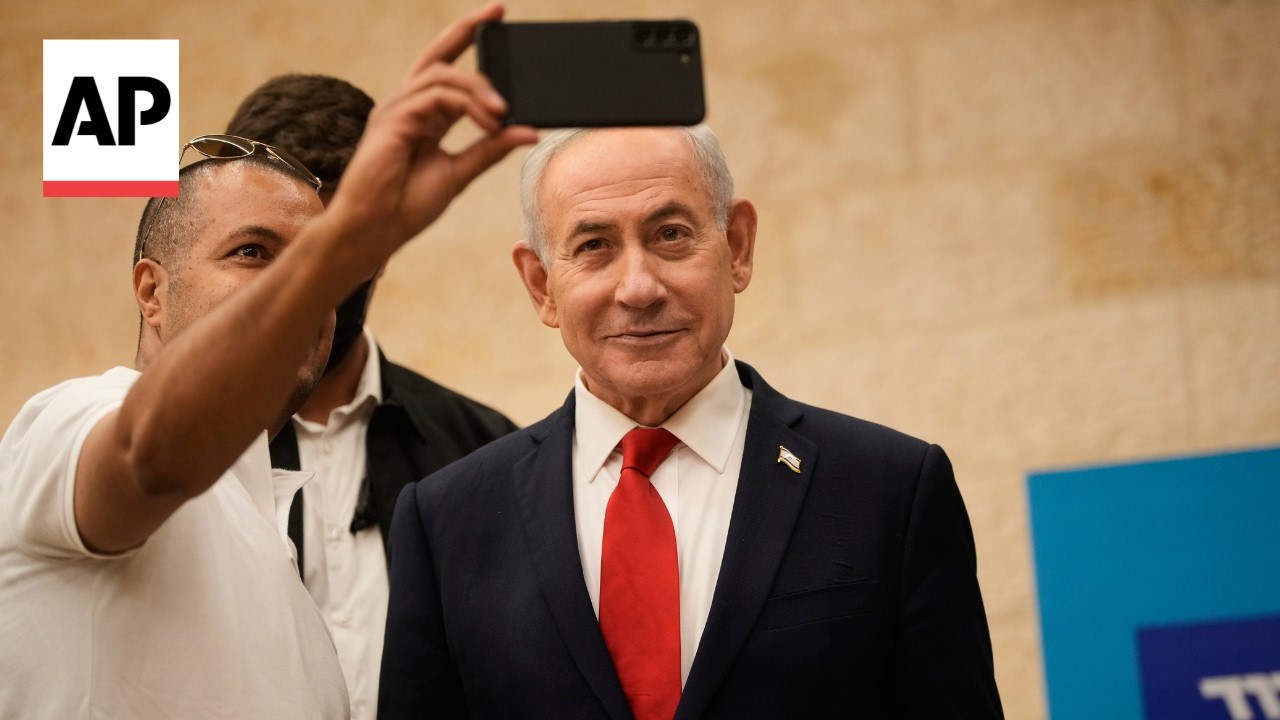
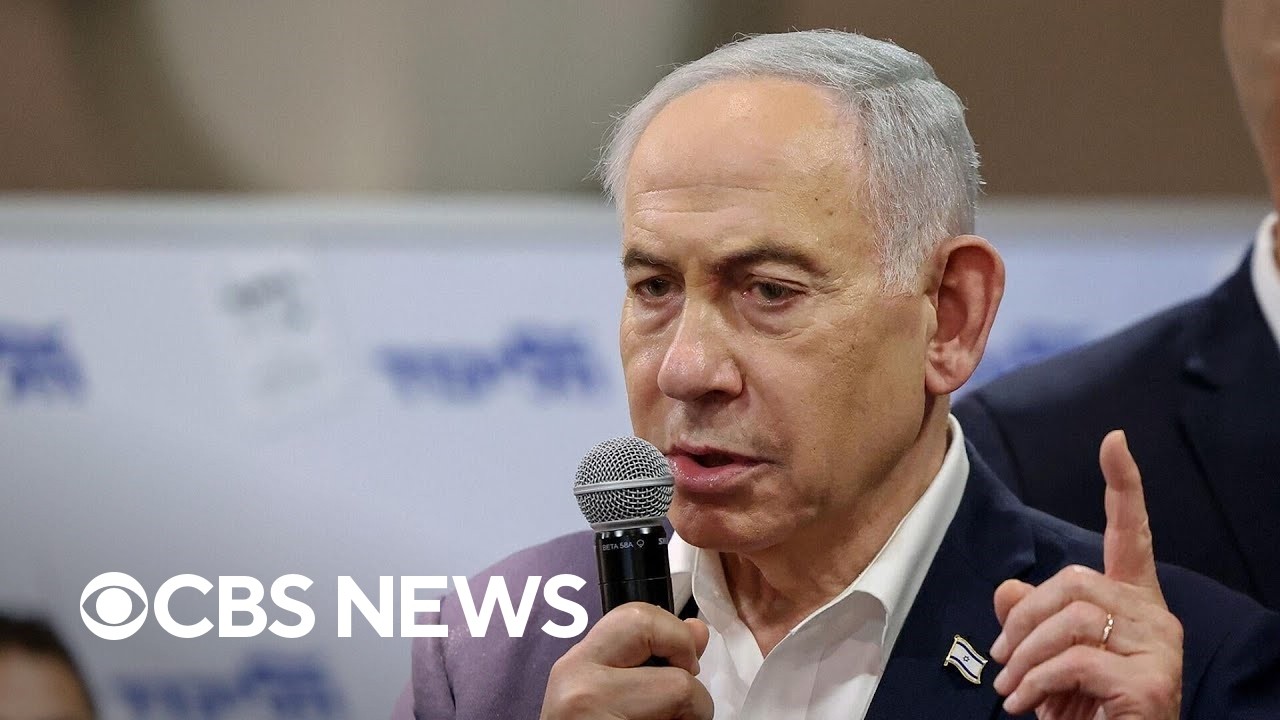
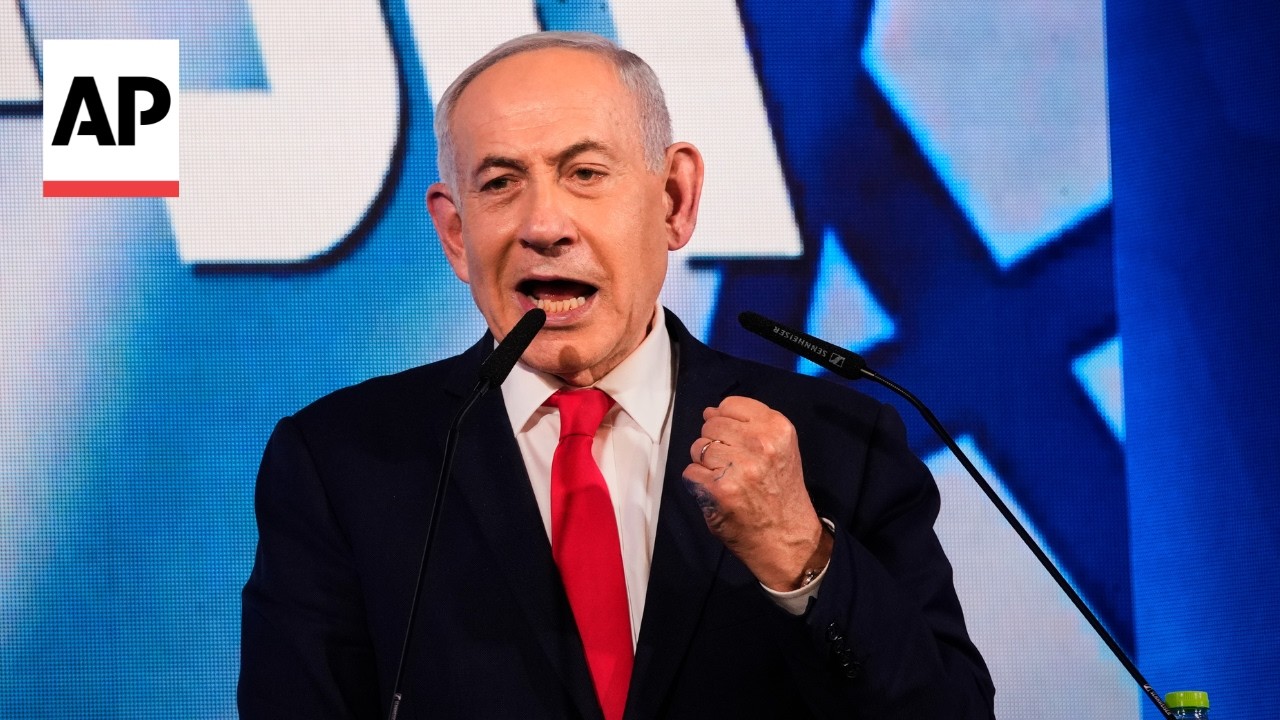
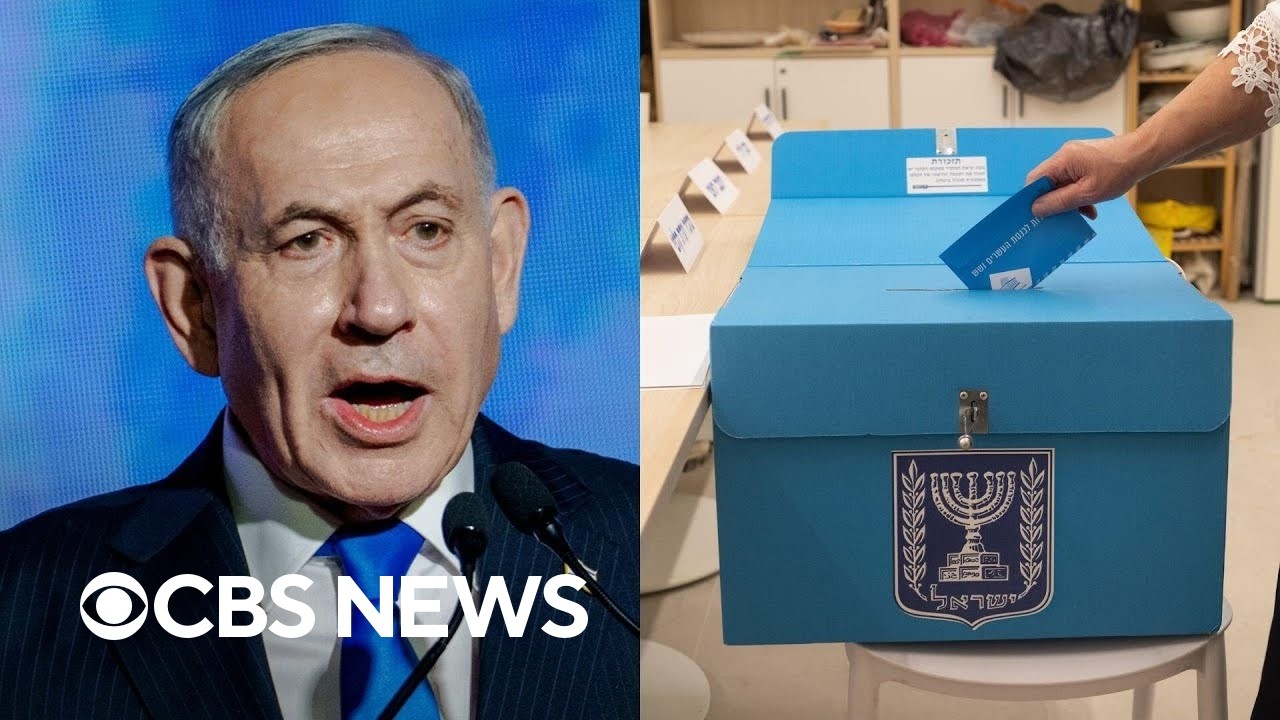
Israel Completes Parliamentary Election Vote Count

No single bloc secured the majority needed to govern.

Event Overview

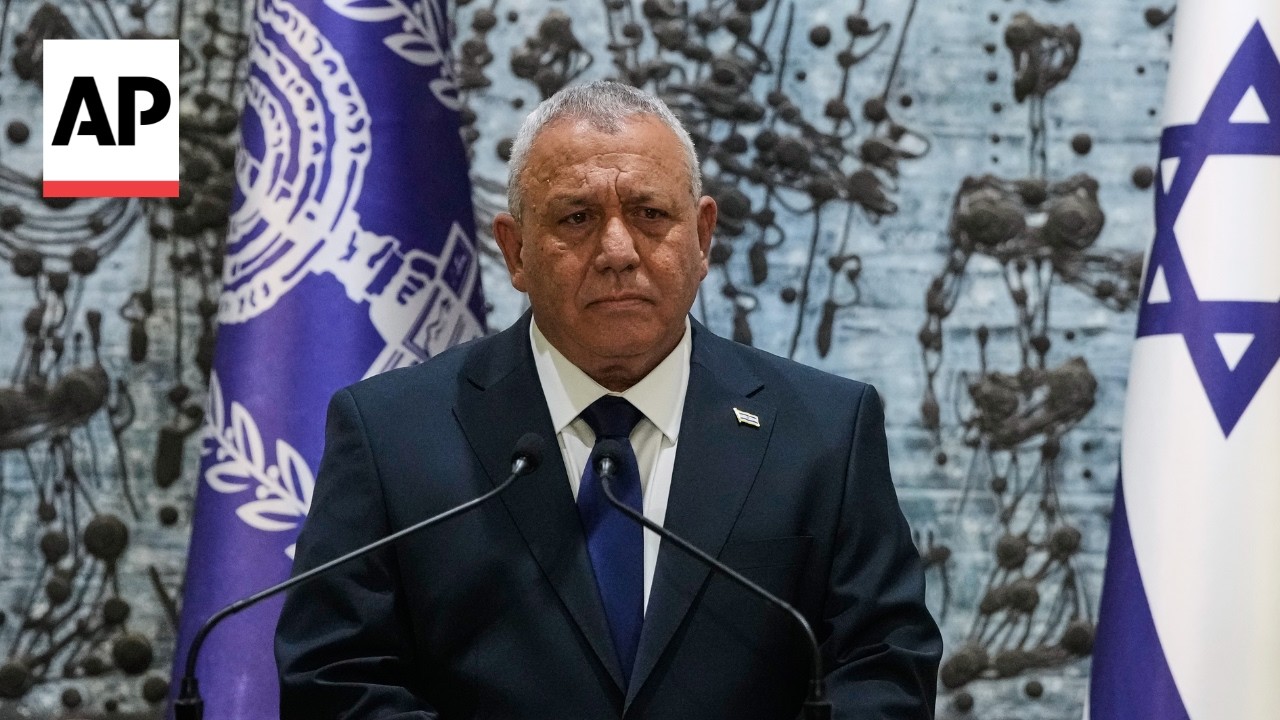
Israel's parliamentary elections have concluded with a hung parliament, as no single coalition reached the 61-seat majority required to govern. Prime Minister Benjamin Netanyahu's bloc leads with 53 seats, while the opposition bloc led by Gadi Eisenkot holds 48 seats.

Following the results, Netanyahu's Likud party claimed the elections were 'stolen' by Arab-led parties, potentially with foreign aid. While Supreme Court Justice Noam Sohlberg requested a Shin Bet investigation into suspicions of foreign interference, the election commission's acting director general stated reports of such a probe were unfounded.

Source facts (8)
1.

Benjamin Netanyahu's bloc won 53 seats.

ABC News
2.

The opposition bloc led by Gadi Eisenkot won 48 seats.

ABC News
3.

Arab list parties hold 19 seats.

Al Jazeera
4.

A total of 61 seats are required for a parliamentary majority.

Al Jazeera
5.

Supreme Court Justice Noam Sohlberg requested a Shin Bet investigation into suspicions of foreign interference.

PBS
6.

The election commission's acting director general stated reports of an interference probe were 'entirely unfounded'.

PBS
7.

Opposition leaders Gadi Eisenkot, Naftali Bennett, and Yair Golan are meeting to explore coalition options.

Al Jazeera
8.

Gadi Eisenkot refuses to partner with Arab-led parties.

Al Jazeera

Message Distribution

factual relay Benjamin Netanyahu's bloc leads the Israeli election results but lacks the 61-seat majority needed to form a government without coalition partners. 48%
11 articles
ABC News — Israel election results: Netanyahu's bloc maintains lead but does not secure majority
Message

Benjamin Netanyahu's bloc leads the Israeli election results but lacks the 61-seat majority needed to form a government without coalition partners.

CNN — Israel’s election ended in deadlock. Here are four ways out - CNN
Message

Israel is in a state of political limbo with no clear election winner, leaving four possible scenarios for government formation or a repeat election.

NBC News — Israel’s final election results show neither Netanyahu nor rival can immediately form a government - NBC News
Message

Neither Benjamin Netanyahu nor Gadi Eisenkot secured enough seats to immediately form a government following the Israeli elections.

● Washington Examiner — Final Israeli election results show Netanyahu falling short as his party alleges fraud
Message

Benjamin Netanyahu and the Likud party failed to win a majority in the Knesset, potentially allowing the opposition and Arab parties to form a government.

Al Jazeera — Israel political deadlock leaves Netanyahu’s future hanging in the balance - Al Jazeera
Message

Israel's government formation is stalled because neither major political bloc has a majority, leaving the country's future dependent on Arab parties, ultra-Orthodox parties, or a potential national emergency.

NY Post — Netanyahu’s right-wing bloc wins Israeli election but he’s eight seats short of majority
Message

Benjamin Netanyahu's right-wing bloc won the Israeli election but lacks a governing majority, necessitating difficult coalition negotiations.

NPR — Israel is in a political deadlock. What comes next?
Message

Israel is in a political stalemate following an election where no bloc secured a majority, leaving several uncertain paths toward forming a new government.

● Washington Examiner — An inconclusive outcome to Israel’s first election since the Oct. 7 invasion
Message

The article is inaccessible due to a paywall.

Euronews — Netanyahu bloc short of majority as Arab parties secure record seats - Euronews.com
Message

Israel's legislative election resulted in a hung parliament and allegations of election fraud involving Arab parties and foreign funding.

Fox News — Netanyahu's bloc falls short as longtime allies reportedly weigh move that could end his rule
Message

Benjamin Netanyahu's bloc has lost its majority in the Knesset, leading to a complex political stalemate where opposition leader Gadi Eisenkot and various minority parties hold the balance of power.

● Washington Examiner — Netanyahu rivals face impossible political decision following official election results: Bibi, Arabs, or failure?
Message

The official Israeli election results leave Benjamin Netanyahu short of a majority, making the expanded Arab political parties the kingmakers in a difficult political deadlock.

critical scrutiny Benjamin Netanyahu's party is alleging the Israeli election was stolen by Arab-led parties and foreign actors after his bloc lost its parliamentary majority. 39%
9 articles
PBS — Netanyahu's party claims Israeli election 'stolen' as results show him losing majority
Message

Benjamin Netanyahu's party is alleging the Israeli election was stolen by Arab-led parties and foreign actors after his bloc lost its parliamentary majority.

PBS — Retired Israeli general on what the election results tell us
Message

Retired General Tamir Hayman warns that Israel is shifting toward a radicalized, hawkish consensus that risks eroding democratic values and damaging its relationship with the U.S.

Al Jazeera — Israel election result shows no overall majority as vote count complete - Al Jazeera
Message

No political bloc secured a majority in the Israeli elections, leading to coalition negotiations and allegations of election interference by Benjamin Netanyahu.

CNBC — Israel faces weeks of coalition haggling as Netanyahu’s party claims election 'stolen'
Message

Israel faces political uncertainty and coalition bargaining after neither major bloc won a majority, amid unsubstantiated claims by Netanyahu's party of foreign election interference.

CNN — Israel election results: How to break the deadlock - CNN
Message

Israel faces a political deadlock with no clear winner in the elections, leaving several complicated scenarios for government formation or the possibility of another election.

PBS — Difficult negotiations lie ahead in Israel after Netanyahu's bloc lost its parliamentary majority - PBS
Message

Israel faces political gridlock and difficult coalition negotiations after Benjamin Netanyahu's bloc failed to secure a majority in the recent elections.

NBC News — Difficult negotiations lie ahead in Israel after Netanyahu’s bloc lost its parliamentary majority - NBC News
Message

Benjamin Netanyahu's loss of a parliamentary majority has triggered difficult coalition negotiations and accusations of election interference aimed at blocking an opposition-Arab alliance.

PBS — Israel's election results are in. Here's what could happen next
Message

Israel's election has resulted in political gridlock, leaving several unlikely and difficult coalition scenarios as the only paths to forming a government.

Al Jazeera — Israel election: When will government be formed, who will lead it? - Al Jazeera
Message

Israel's recent elections resulted in a hung parliament, leaving the country in a period of political uncertainty as President Herzog seeks a candidate capable of forming a coalition.

strategic critique The Israeli opposition's failure to form a coalition with Arab parties, despite having the numbers to oust Netanyahu, demonstrates that nationalist populists cannot be defeated by playing by 'gentlemen's rules'. 4%
1 articles
The Guardian — This is the hard lesson from Israel’s election: to stop national populists, you can’t play by gentlemen’s rules | Jonathan Freedland
Message

The Israeli opposition's failure to form a coalition with Arab parties, despite having the numbers to oust Netanyahu, demonstrates that nationalist populists cannot be defeated by playing by 'gentlemen's rules'.

critical perspective Regardless of whether Netanyahu or Eisenkot leads Israel, the country will continue to rely on billions of dollars in U.S. taxpayer-funded military aid to conduct its wars. 4%
1 articles
● Reason — With or Without Netanyahu, Israel Will Want American Taxpayers To Keep Funding Its Wars
Message

Regardless of whether Netanyahu or Eisenkot leads Israel, the country will continue to rely on billions of dollars in U.S. taxpayer-funded military aid to conduct its wars.

critical analysis The formation of the next Israeli government depends on whether the Jewish opposition is willing to form a coalition with Arab parties, who saw record turnout and increased leverage in the recent elec 4%
1 articles
Vox — Israel’s Arab parties could end Netanyahu’s rule — if his opposition lets them - Vox
Message

The formation of the next Israeli government depends on whether the Jewish opposition is willing to form a coalition with Arab parties, who saw record turnout and increased leverage in the recent election.

Editor's Analysis

A deadlock between governing stability and the delegitimization of results

The current stalemate stems from a fragmented parliament where no single bloc holds the 61 seats required to form a government. While the leading bloc holds 53 seats and the opposition holds 48, the 19 seats held by Arab-led parties act as the pivot for any potential coalition.

A conflict has emerged over the legitimacy of these results. The Likud party claims the election was stolen through foreign interference and Arab-led party influence. Conversely, the election commission's acting director general describes reports of a probe into these claims as unfounded. The resolution of this dispute depends on whether a formal investigation by the Shin Bet produces evidence of systemic fraud or if the claims are viewed as a political strategy to prevent an opposition-Arab coalition.

This situation reflects a broader tension between the desire to maintain a specific national identity and the adherence to democratic processes. When a governing majority is absent, the process of coalition building often forces a choice between ideological purity and the pragmatic necessity of including minority parties to achieve stability.

Focusing on the political theater while missing the structural shift

Most outlets focused on the immediate political friction. PBS, ABC News, and Al Jazeera all highlighted the seat counts and the clash between Benjamin Netanyahu's claims of election theft and the denials from election officials. They framed the event as a struggle for power where the leading bloc uses allegations of fraud to block a potential opposition coalition.

PBS provided a deeper layer of analysis by interviewing a former military intelligence chief. This coverage moved beyond the seat count to explain how a shift toward radicalization and a proactive military posture is changing the national psyche. It connected the political deadlock to a dangerous trend of prioritizing national character over democratic values, a structural perspective that other outlets omitted.

While the coverage successfully captured the 'who' and 'what' of the deadlock, it largely treated the claims of election theft as a tactical move. There is a need for more reporting on whether the judicial and security institutions can remain neutral when the head of government openly challenges the electoral process.

Updates

Nov 4 · Police discount Benjamin Netanyahu's claims of stolen election Updated 19:59

Al Jazeera reported that police have discounted Benjamin Netanyahu's claims that the election was stolen due to foreign interference. Al Jazeera also reported that Benjamin Netanyahu has requested a pardon in a corruption trial, which President Isaac Herzog is considering. According to Al Jazeera, analysts suggest the stalemate might only be broken by a national emergency, such as a conflict with Iran or the results of US midterm elections.

The police decision to discount the claims of foreign interference removes the factual basis for Benjamin Netanyahu's challenge to the election results. This transforms the fraud allegations from a potential legal dispute into a transparent political shield, as Al Jazeera reported that Netanyahu has simultaneously requested a pardon in his corruption trial.

By linking the pardon request to the political stalemate, Al Jazeera highlights that the struggle for power is now inextricably tied to judicial survival. The deadlock is no longer just about seat counts or ideological purity, but about whether the caretaker prime minister can secure legal immunity before a new government is formed.

Coverage has shifted toward the possibility that internal democratic processes are incapable of resolving this crisis. The suggestion that only a national emergency or external factors like US midterm elections can break the stalemate implies that the domestic political system has reached a point of total paralysis.

Source facts (3)

Police have discounted Benjamin Netanyahu's claims that the election was stolen due to foreign interference.

Al Jazeera

Benjamin Netanyahu has requested a pardon in a corruption trial, which President Isaac Herzog is considering.

Al Jazeera

Analysts suggest the stalemate might only be broken by a national emergency, such as a conflict with Iran or the results of US midterm elections.

Al Jazeera

Nov 3 · Legislative elections were the first national elections since October 7, 2023 Updated 07:58

Vox reported that the legislative elections were the first national elections since October 7, 2023. According to Vox, the 'change bloc' is a coalition of four Jewish-led parties led by Gadi Eisenkot. Vox stated that Arab voters were primarily motivated by a crime wave in Arab towns and the policies of ministers Ben-Gvir and Smotrich.

Vox provided a structural explanation for the surge in Arab voter turnout, attributing it to a domestic crime wave and the policies of far-right ministers. This moves the conversation beyond simple seat counts to the material grievances driving the political pivot.

By framing the 'change bloc' as a coalition of four Jewish-led parties, the coverage highlights that the deadlock is no longer just about numbers, but about whether the Jewish opposition is willing to prioritize the removal of Benjamin Netanyahu over ideological prejudice.

Despite these insights into voter motivation, the coverage still treats the claims of election fraud as a tactical maneuver. There is still no concrete reporting on whether the security and judicial institutions can maintain neutrality while the caretaker prime minister delegitimizes the electoral process.

Source facts (3)

The elections were the first national elections since October 7, 2023.

Vox

The 'change bloc' is a coalition of four Jewish-led parties led by Gadi Eisenkot.

Vox

Arab voters were primarily motivated by a crime wave in Arab towns and the policies of ministers Ben-Gvir and Smotrich.

Vox

Nov 2 · Legislative elections held on October 27 Updated 12:31

Al Jazeera reported that legislative elections were held on October 27. According to Al Jazeera, President Isaac Herzog must nominate a candidate to form a government by November 11, and if those efforts fail, Israel may face another round of elections within 90 days.

The political deadlock has now entered a fixed countdown. Al Jazeera established a concrete deadline of November 11 for the nomination of a government candidate, transforming the stalemate from an open-ended ideological clash into a time-sensitive legal process.

This deadline intensifies the pressure on the 19 seats held by Arab-led parties. The possibility of another election within 90 days suggests that the current deadlock is not merely a temporary friction but a systemic failure to reach a governing consensus.

Coverage remains focused on the mathematical paths to a majority, but it continues to omit the critical question of whether security and judicial institutions can remain neutral while the caretaker prime minister challenges the legitimacy of the results.

Source facts (3)

The legislative elections were held on October 27.

Al Jazeera

President Isaac Herzog must nominate a candidate to form a government by November 11.

Al Jazeera

If efforts to form a government fail, Israel may face another round of elections within 90 days.

Al Jazeera

Oct 31 · Anti-Netanyahu bloc holds 67 seats Updated 19:13

The Guardian reported that the anti-Netanyahu bloc holds 67 seats and that Palestinian-Israeli citizens had a record turnout in the election. The Washington Examiner stated that the 19 seats won by the Joint List and Ra’am nearly double their previous presence in the Knesset. NBC News stated that if Benjamin Netanyahu is ousted, he faces potential accountability for corruption allegations and security failures related to the October 7 attacks, and reported that Gadi Eisenkot's bloc may partner with Arab parties to control the Knesset agenda before a government is formed. Fox News identified potential government paths as an Eisenkot-led minority government supported by ultra-Orthodox or Arab parties, or a national unity government between Netanyahu and Eisenkot. Fox News reported that some ultra-Orthodox lawmakers may break with Netanyahu to protect yeshiva student status, though party leadership has denied this, and that Arab parties are determined to prevent Netanyahu's return to power but remain skeptical of specific arrangements. PBS reported that if no coalition is formed, Israel may face new elections early next year. Reason reported that Benjamin Netanyahu and Gadi Eisenkot both expect continued U.S. military aid regardless of who forms the governing coalition. Reason stated that a funding agreement for $38 billion in U.S. military aid to Israel exists through FY 2028, with most arms transfers funded by American Foreign Military Financing grants, and that Benjamin Netanyahu has mentioned weaning Israel off aid. The Congressional Research Service indicates Israel has a deep dependence on U.S. supply chains, according to Reason.

The focus has shifted from the technicality of seat counts to the personal stakes of the leadership. NBC News highlighted that Benjamin Netanyahu's struggle to maintain power is tied to avoiding legal accountability for corruption and the security failures of October 7. This frames the claims of election fraud not as a mere political tactic, but as a shield against judicial consequences.

The Guardian provided a structural analysis by noting that while the anti-Netanyahu bloc holds 67 seats, the ideological taboo against partnering with Arab-led parties creates a functional deadlock. This explains why a mathematical majority does not automatically translate into a governing coalition.

Fox News identified a new variable in the deadlock: internal friction within ultra-Orthodox parties over yeshiva student status. This suggests that coalition stability may depend on specific policy concessions rather than party-level loyalty.

Reason shifted the perspective to external dependencies by detailing the $38 billion U.S. military aid agreement through FY 2028. By noting that both Benjamin Netanyahu and Gadi Eisenkot expect this aid to continue regardless of the winner, the coverage suggests that strategic military dependence remains a constant that transcends the internal democratic crisis.

Most reports continue to treat the fraud allegations as a maneuver to block an opposition-Arab alliance. Coverage still lacks a concrete examination of whether the Shin Bet or the judiciary can remain neutral if the head of government continues to delegitimize the electoral process.

Source facts (13)

The anti-Netanyahu bloc holds 67 seats.

The Guardian

Palestinian-Israeli citizens had a record turnout in the election.

The Guardian

If Benjamin Netanyahu is ousted, he faces potential accountability for corruption allegations and security failures related to the October 7 attacks.

NBC News

Gadi Eisenkot's bloc may partner with Arab parties to control the Knesset agenda before a government is formed.

NBC News

Potential government paths include an Eisenkot-led minority government supported by ultra-Orthodox or Arab parties, or a national unity government between Netanyahu and Eisenkot.

Fox News

Reports suggest some ultra-Orthodox lawmakers may break with Netanyahu to protect yeshiva student status, though party leadership has denied this.

Fox News

Arab parties are reportedly determined to prevent Netanyahu's return to power but remain skeptical of specific arrangements.

Fox News

The 19 seats won by the Joint List and Ra’am nearly double their previous presence in the Knesset.

Washington Examiner

If no coalition is formed, Israel may face new elections early next year.

PBS

Benjamin Netanyahu and Gadi Eisenkot both expect continued U.S. military aid regardless of who forms the governing coalition.

Reason

A funding agreement for $38 billion in U.S. military aid to Israel exists through FY 2028, with most arms transfers funded by American Foreign Military Financing grants.

Reason

The Congressional Research Service indicates Israel has a deep dependence on U.S. supply chains.

Reason

Benjamin Netanyahu has mentioned weaning Israel off aid.

Reason

Oct 30 · Benjamin Netanyahu remains caretaker prime minister during government formation deadlock Updated 10:45

President Isaac Herzog will lead consultations to determine who can form a government and will certify the results next Wednesday. The Knesset consists of 120 members. Likud, the largest single party with 27 seats, claimed foreign interference stole the election to facilitate an Islamization of Israel. Benjamin Netanyahu and the Likud party alleged that the Ra'am party received illegal foreign funding from Qatar. Qatar and party leader Mansour Abbas denied allegations of interference. The Central Elections Committee stated there was no basis for claims of systematic electoral violations. The NY Post reported that the Shin Bet is investigating suspected foreign interference, though officials state this will not affect the final results. Gadi Eisenkot, who leads the centrist Yashar party, called for an investigation into foreign interference and has ruled out working with Benjamin Netanyahu. The Joint List and Ra’am combined for 19 seats. Benjamin Netanyahu and Gadi Eisenkot have both expressed their intent to form a government. Netanyahu remains caretaker prime minister during the deadlock. CNN identified Avigdor Liberman as a leader hindering Jewish-Arab cooperation. If no government is formed within the legal timeframe, Israel faces its seventh general election in eight years. The political stalemate has caused volatility in the stock market and the Israeli shekel.

The political deadlock has expanded into a financial risk. CNBC highlighted volatility in the Israeli shekel and stock market, suggesting the market views the inability to form a government as a systemic threat rather than a mere political puzzle.

NPR analyzed the deadlock as a strategic struggle by exploring how a national security crisis with Iran could force a unity government. This connects the internal stalemate to external military pressures and raises the question of whether nationalist security priorities will eventually override democratic norms to resolve the crisis.

Most reports continue to treat the claims of election theft as a tactical maneuver. NBC News and CNBC both noted that the Central Elections Committee and Qatar found no basis for the allegations. However, coverage still lacks a critical examination of whether security institutions can remain neutral if the head of government continues to challenge the electoral process, a point highlighted by the NY Post's report on the Shin Bet investigation.

CNN provided a structural map of the crisis by outlining four potential paths to government formation. By identifying specific leaders like Avigdor Liberman as obstacles to Jewish-Arab cooperation, the coverage moved beyond seat counts to explain the ideological rigidity that makes a 61-seat majority elusive.

Source facts (19)

Likud claimed foreign interference 'stole' the election to facilitate an 'Islamization of Israel'.

CNBC

Qatar denied allegations of interference in the election.

CNBC

The political stalemate has caused volatility in the Israeli shekel and stock market.

CNBC

President Isaac Herzog will lead consultations to determine who can form a government.

CNBC

Gadi Eisenkot leads the centrist Yashar party.

CNN

If no government is formed within the legal timeframe, Israel faces its seventh general election in eight years.

CNN

The Knesset consists of 120 members.

NBC News

President Isaac Herzog will certify the results next Wednesday.

NBC News

Mansour Abbas, a party leader, denied allegations of Qatari interference.

NBC News

The Central Elections Committee stated there was no basis for claims of systematic electoral violations.

NBC News

Likud is the largest single party with 27 seats.

NY Post

The Joint List and Ra’am combined for 19 seats.

NY Post

Benjamin Netanyahu and Gadi Eisenkot have both expressed their intent to form a government.

NY Post

NY Post reported that the Shin Bet is investigating suspected foreign interference, though officials state this will not affect the final results.

NY Post

Netanyahu and the Likud party alleged that the Ra'am party received illegal foreign funding from Qatar.

Euronews

Gadi Eisenkot called for an investigation into foreign interference.

Euronews

Avigdor Liberman is identified as a leader hindering Jewish-Arab cooperation.

CNN

Gadi Eisenkot has ruled out working with Benjamin Netanyahu.

CNN

Benjamin Netanyahu remains caretaker prime minister during the deadlock.

CNN

Coverage flow

Coverage volume

10/29 · 9
10/30 · 11
11/01 · 1
11/03 · 2

Focus shift

10/29
Benjamin Netanyahu
3
Israel
1
10/30
Benjamin Netanyahu
3
Israel
1
11/03
SH
1
Benjamin Netanyahu
1

Recommended Reads

News Story

Story: Israeli Knesset dissolves for general elections

Card 16 of 22 in this story

Show 12 earlier
Israeli Knesset dissolves for general elections
Jul 13 · 14 outlets
Where it started
Trump Administration Cuts Military Aid to Middle East Allies
Aug 28 · 16 outlets · ⇄ Story: Donald Trump Announces Hamas Disarmament Agreement +1 more
↳ Follows “Netanyahu Claims Election Was Stolen”
Benjamin Netanyahu Navigates Reelection Challenges
Sep 4 · 2 outlets
President Trump Endorses Benjamin Netanyahu
Oct 18 · 11 outlets
↳ Follows “Israeli Knesset dissolves for general elections”
Defense Secretary Pete Hegseth Meets Benjamin Netanyahu
Oct 19 · 5 outlets · ⇄ Story: Democrats Report Trump's Oil Stock Gains During Iran War
↳ Follows “President Trump Endorses Benjamin Netanyahu”
JD Vance Declines to Endorse Benjamin Netanyahu
Oct 19 · 10 outlets
↳ Follows “President Trump Endorses Benjamin Netanyahu”
Israeli polls indicate stalemate ahead of Oct. 27 election
Oct 22 · 3 outlets
↳ Follows “Israeli Knesset dissolves for general elections”
Netanyahu Announces Massive West Bank Military Operation
Oct 23 · 3 outlets · ⇄ Story: Netanyahu Orders West Bank Closure After Hebron Attack
↳ Follows “Israeli Military Demolitions in Hebron”
Israeli Military Demolitions in Hebron
Oct 24 · 6 outlets · ⇄ Story: Netanyahu Orders West Bank Closure After Hebron Attack
Netanyahu Denies Reports of Clashes Over Iran Strike
Oct 26 · 3 outlets · ⇄ Story: Democrats Report Trump's Oil Stock Gains During Iran War
↳ Follows “Benjamin Netanyahu Navigates Reelection Challenges”
Israel holds general elections
Oct 26 · 14 outlets
↳ Follows “Israeli Knesset dissolves for general elections”
Benjamin Netanyahu Accuses Opponents of Stealing Election
Oct 27 · 8 outlets
↳ Follows “Arab-led parties win 19 seats in Israeli elections”
Early exit polls show Likud leading in Israeli elections
Oct 27 · 11 outlets
↳ Follows “Israeli Knesset dissolves for general elections”
Likud Party Leads Israeli National Election Count
Oct 27 · 11 outlets
↳ Follows “Israel holds general elections”
Israeli Parties Struggle to Form Government After Election
Oct 29 · 3 outlets
↳ Follows “President Herzog accepts parliamentary election results”
Israel Completes Parliamentary Election Vote Count
Oct 29 · 13 outlets · Viewing now
↳ Follows “Israeli Knesset dissolves for general elections”
Netanyahu Claims Election Was Stolen
Oct 30 · 1 outlets
↳ Follows “Benjamin Netanyahu Accuses Opponents of Stealing Election”
Arab-led parties win 19 seats in Israeli elections
Oct 30 · 3 outlets
↳ Follows “Israel holds general elections”
President Isaac Herzog begins 26th Knesset consultations
Nov 2 · 4 outlets
↳ Follows “Israeli Parties Struggle to Form Government After Election”
Show 3 later
Israel's Central Elections Committee Certifies Results
Nov 4 · 2 outlets
↳ Follows “Benjamin Netanyahu Accuses Opponents of Stealing Election”
President Herzog accepts parliamentary election results
Nov 4 · 1 outlets
↳ Follows “Netanyahu Claims Election Was Stolen”
President Herzog tasks Gadi Eisenkot to form government
Nov 7 · 10 outlets
↳ Follows “President Isaac Herzog begins 26th Knesset consultations”

🌏 Global Comparison

How Korean and US outlets report the same event differently, and propagation delay

🇰🇷 Korea Card
이스라엘 총선 실시 및 출구조사 결과 발표
이스라엘에서 총선 투표가 종료된 가운데 방송사들의 출구조사 결과가 발표되었습니다. 이번 선거는 **투표율 74.3%**를 기록하며 1973년 집계 시작 이후 최고 수준의 참여도를 보였습니다. 조사 결과 베냐민 네타냐후 총리가 이끄는 우파 진영과 야권 연합 모두 정부 구성에 필요한 **과반 의석인 61석 확보에 실패**한 것으로 나타났습니다. 이에 따라 차기 정부 구성을 위한 연정 협상이 장기화되거나 재선거가 치러질 가능성이 제기됩니다.
8 outlets · View →
🇺🇸 US Card
Israel Completes Parliamentary Election Vote Count
Israel's parliamentary elections have concluded with a **hung parliament**, as no single coalition reached the 61-seat majority required to govern. Prime Minister Benjamin Netanyahu's bloc leads with 53 seats, while the opposition bloc led by Gadi Eisenkot holds 48 seats. Following the results, Net
3 outlets · View →
Propagation delay
51.5h
(185229s)
Reporting divergence
0.00
closer to 0 = more similar

Loading comments...