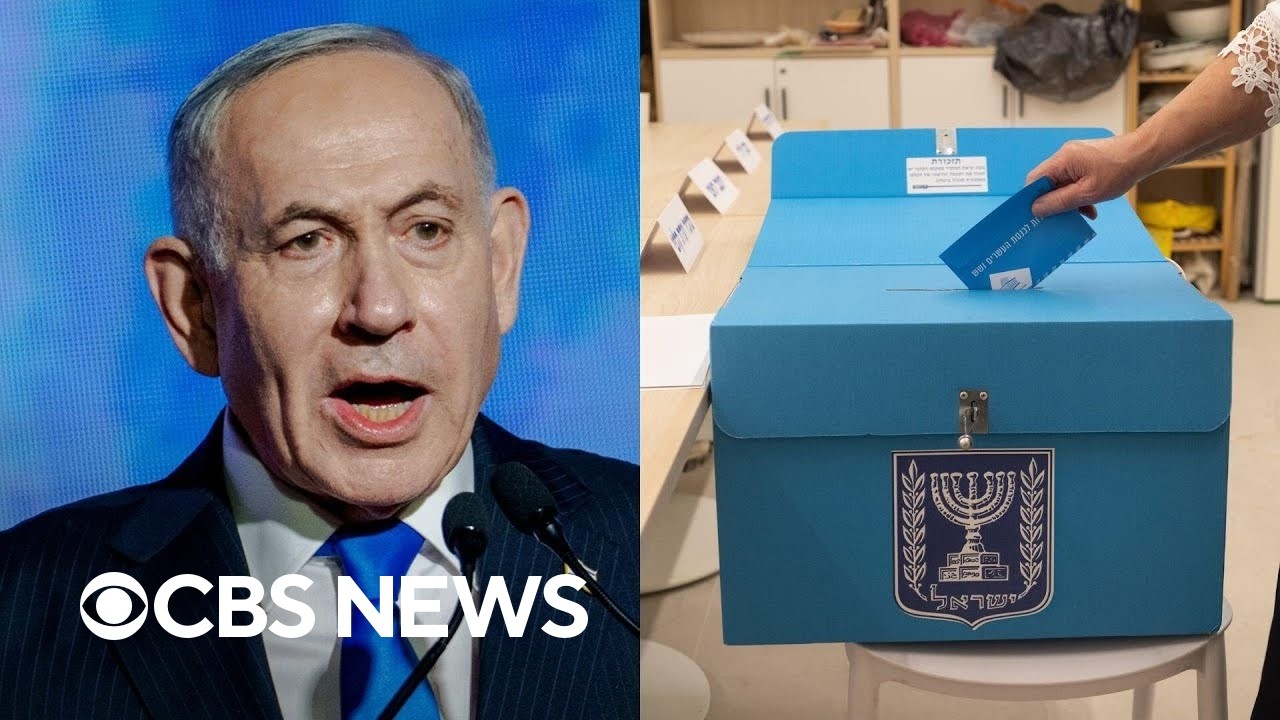
Oct 27 · Israelis living abroad estimated to fly back to vote Updated 21:43
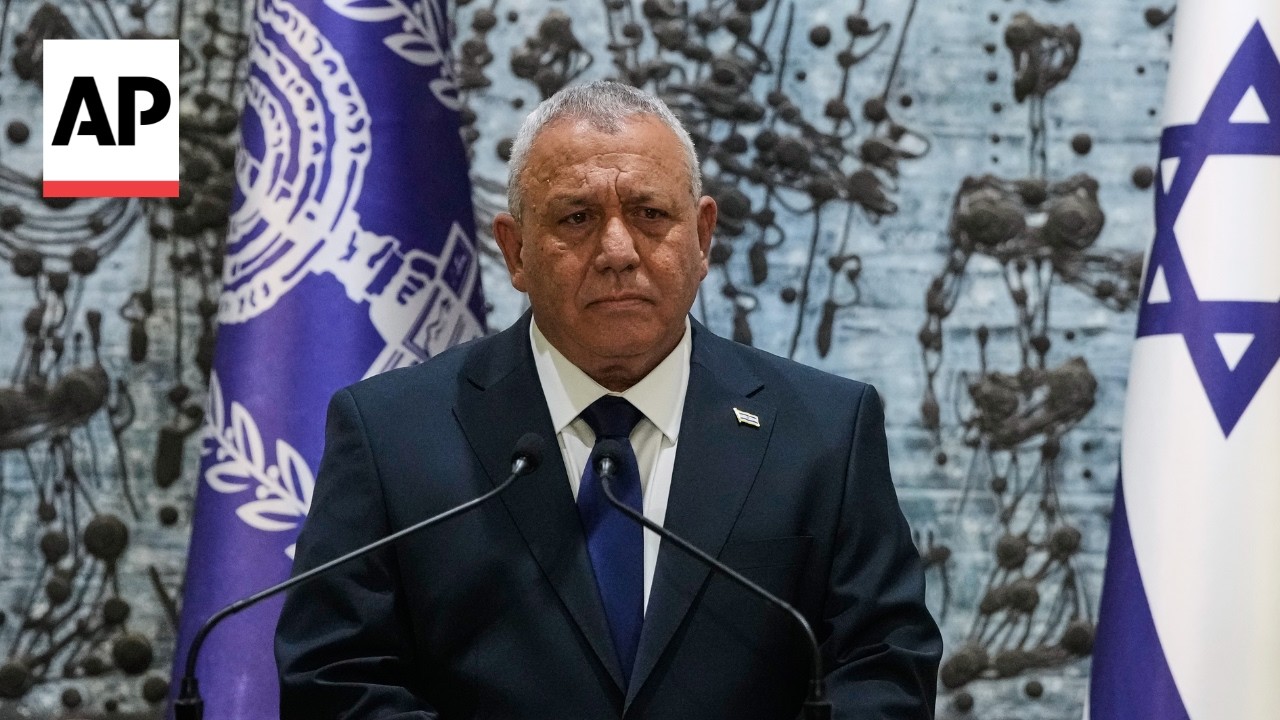
Benjamin Netanyahu has emphasized his ability to work with President Trump, according to CBS News, which describes the upcoming election as a partial referendum on Netanyahu's aggressive tactics. PBS reports that Gadi Eisenkot promises to crack down on settler violence, though he does not support a Palestinian state and would allow settlement growth in much of the West Bank. PBS further reports that most Israelis support settlement expansion and oppose a two-state solution, and that armed settler extremists often defy the Israeli military. Additionally, PBS reports that the Tubasi family was forced from their home in Jalud despite a court order. The Nation associates Gadi Eisenkot with the 'Dahiya Doctrine'. According to the Washington Post, Gadi Eisenkot has explicitly ruled out partnering with Benjamin Netanyahu, although some members of the Trump administration are reportedly discussing the possibility of a partnership between the two men. CNBC reports that up to 80,000 Israelis living abroad are estimated to fly back to Israel to vote, as overseas voting is only permitted for diplomats. A U.S.-based organization called Fly & Vote is facilitating travel for voters through chartered flights and ticket blocks funded by private donations. CNBC also reports that commercial flight options from the U.S. and Europe have increased with several carriers resuming service, and that voter turnout is anticipated to be high compared to the 2022 election.
PBS engages with the missing perspective of the general electorate by reporting that most Israelis support settlement expansion and oppose a two-state solution. By detailing Gadi Eisenkot's willingness to allow settlement growth despite his promise to curb settler violence, the coverage argues that certain right-wing policies have become structural [1].
This suggests the policy gap between Benjamin Netanyahu and Gadi Eisenkot is narrower than their leadership styles imply. The Nation deepens this analysis by associating Gadi Eisenkot with the 'Dahiya Doctrine', arguing that replacing the Prime Minister with a general may only make a security-first doctrine more palatable without changing the substance of the occupation.
CBS News highlights a strategic pivot in the campaign, noting that Benjamin Netanyahu is now emphasizing his personal rapport with President Trump. This frames the election as a decision on who can most effectively leverage the U.S. executive branch for Israeli security interests [2].
While Gadi Eisenkot has explicitly ruled out partnering with Benjamin Netanyahu, the Washington Post notes that some members of the Trump administration are discussing such a partnership. This creates a tension between the candidates' public stances and the external pressures that could shape the eventual coalition.
CNBC identifies a new variable in the electoral math by reporting on the thousands of Israelis flying back to vote. This highlights how overseas demographics could tip the result in a fragmented landscape where no clear majority exists.
Source facts (13)
Benjamin Netanyahu emphasizes his ability to work with President Trump.
CBS News
Gadi Eisenkot promises to crack down on settler violence but does not support a Palestinian state and would allow settlement growth in much of the West Bank.
PBS
PBS reports that most Israelis support settlement expansion and oppose a two-state solution.
PBS
The Tubasi family was forced from their home in Jalud despite a court order.
PBS
PBS reports that armed settler extremists often defy the Israeli military.
PBS
Gadi Eisenkot is associated with the 'Dahiya Doctrine'.
The Nation
Gadi Eisenkot has explicitly ruled out partnering with Benjamin Netanyahu.
Washington Post
Some members of the Trump administration are reportedly discussing the possibility of a partnership between Gadi Eisenkot and Benjamin Netanyahu.
Washington Post
CBS News describes the upcoming election as a partial referendum on Benjamin Netanyahu's aggressive tactics.
CBS News
Up to 80,000 Israelis living abroad are estimated to fly back to Israel to vote, as overseas voting is only permitted for diplomats.
CNBC
A U.S.-based organization called Fly & Vote is facilitating travel for voters through chartered flights and ticket blocks funded by private donations.
CNBC
Commercial flight options from the U.S. and Europe have increased, with several carriers resuming service.
CNBC
Voter turnout is anticipated to be high compared to the 2022 election.
CNBC
Oct 26 · Legislative elections held for the 120-seat Knesset Updated 08:13
Legislative elections are being held on a Tuesday for the 120-seat Knesset, where a 61-seat majority is required to elect a prime minister. Under Israel's proportional representation system, parties must cross a 3.25% threshold to enter the Knesset. Following the vote, President Isaac Herzog will task a member of the Knesset to form a governing coalition. Al Jazeera reports that the opposition coalition consists of four Jewish-led movements and frames the election as a critical juncture for Israeli democracy and its deteriorating international standing. Key election issues include the direction of military conflicts in Lebanon and the West Bank, the rescue of hostages, and economic inflation. NBC News reports that the war following the October 7 Hamas-led attacks has lasted three years. Gadi Eisenkot, who lost a son and a nephew in the Gaza war, promises more diplomacy in his platform. NPR reports that Benjamin Netanyahu is campaigning on his military successes against regional enemies and has blocked investigations into the October 7 failures. The BBC reports that Benjamin Netanyahu's campaign emphasizes a 'No Surrender' approach and that far-right parties have seen a surge in support among some youth and border residents. According to the BBC, both the governing coalition and the opposition maintain hardline stances on Hamas and West Bank settlements.
NPR engages with the missing perspective of the general electorate by framing the choice as a conflict between two distinct visions of security. By detailing Gadi Eisenkot's personal loss of a son and nephew, the coverage grounds the opposition's call for a commission of inquiry in personal trauma rather than just political strategy.
The reporting highlights a fundamental divergence in how the candidates define success. While Benjamin Netanyahu campaigns on military achievements against regional enemies, NPR argues that this focus serves to block investigations into the October 7 failures.
BBC identifies a paradox in the current political climate. While the leadership styles of Benjamin Netanyahu and Gadi Eisenkot contrast sharply, both sides maintain hardline stances on Hamas and West Bank settlements. This suggests that the electoral divide is not about the goals of the state, but about the method of leadership and internal accountability.
Al Jazeera provides a concrete structure to the fragmented opposition by noting it now consists of four Jewish-led movements [1]. This addresses the gap identified in the first analysis regarding the specific platforms of the opposition, though the central question remains whether Gadi Eisenkot's promise of more diplomacy can appeal to an electorate torn between a desire for strength and a fear of global isolation.
Source facts (17)
Gadi Eisenkot lost a son and a nephew in the Gaza war.
NPR
Gadi Eisenkot promises more diplomacy in his platform.
NPR
NPR reports that Benjamin Netanyahu has blocked investigations into the October 7 failures.
NPR
NPR reports that Benjamin Netanyahu is campaigning on his military successes against regional enemies.
NPR
Benjamin Netanyahu's campaign emphasizes a 'No Surrender' approach.
BBC
Far-right parties have seen a surge in support among some youth and border residents.
BBC
Both the governing coalition and the opposition maintain hardline stances on Hamas and West Bank settlements.
BBC
The legislative elections are being held on a Tuesday.
Al Jazeera
The opposition coalition consists of four Jewish-led movements.
Al Jazeera
Key election issues include the direction of military conflicts in Lebanon and the West Bank.
Al Jazeera
Al Jazeera frames the election as a critical juncture for Israeli democracy and its deteriorating international standing.
Al Jazeera
The Knesset consists of 120 seats.
NY Post
A coalition must secure a 61-seat majority to elect a prime minister.
NY Post
The war following the October 7 Hamas-led attacks has lasted three years.
NBC News
Key campaign issues include the rescue of hostages and economic inflation.
NBC News
Parties must cross a 3.25% threshold to enter the Knesset under Israel's proportional representation system.
NBC News
Following the vote, President Isaac Herzog will task a member of the Knesset to form a governing coalition.
NBC News
Oct 25 · President Trump endorses Benjamin Netanyahu Updated 10:57
Politico Europe reports that Arab citizens make up approximately 20 percent of the electorate and that the war in Gaza has not been a primary focus of the campaign. CBS News reports that Margalit Moses, a victim of the October 7 attacks, is calling for a more centrist government, while Gadi Eisenkot is advocating for a commission of inquiry into the events of October 7. Political analyst Dahlia Scheindlin stated to CBS News that Benjamin Netanyahu's skill in coalition bargaining could keep him in power despite Gadi Eisenkot leading in polls. CBS News also reports that President Trump has endorsed Benjamin Netanyahu.
Politico Europe identifies a paradox in the campaign: while Arab citizens make up 20 percent of the electorate and could determine the prime minister, the pursuit of peace is notably absent from the political cycle. This reporting highlights a gap between the mathematical necessity of Arab voters and the actual policy discourse of the candidates.
CBS News engages with the missing perspective of the general electorate by introducing Margalit Moses, a victim of the October 7 attacks who calls for a centrist government [1]. By pairing this with Gadi Eisenkot's call for a commission of inquiry, the coverage shows that the opposition's platform is grounded in accountability for security failures rather than just a leadership change [1].
While polls favor the opposition, the analysis by Dahlia Scheindlin in CBS News suggests that Benjamin Netanyahu's survival may depend on his tactical skill in coalition bargaining rather than raw popularity [1]. This shifts the focus from who is most liked to who can most effectively manipulate the fragmented parliamentary system to form a government.
Source facts (6)
Politico Europe reports that the war in Gaza has not been a primary focus of the campaign.
Politico Europe
Margalit Moses, a victim of the October 7 attacks, calls for a more centrist government.
CBS News
Gadi Eisenkot advocates for a commission of inquiry into the events of October 7.
CBS News
Political analyst Dahlia Scheindlin states that Benjamin Netanyahu's skill in coalition bargaining could keep him in power despite Gadi Eisenkot leading in polls.
CBS News
President Trump has endorsed Benjamin Netanyahu.
CBS News
Oct 24 · Benjamin Netanyahu faces ICC warrant for war crimes in Gaza Updated 07:35
The Guardian reports that national security concerns are the primary focus of the political campaign and that reporting from Tel Aviv indicates a generational divide among the electorate, with some younger voters believing Benjamin Netanyahu's actions in Gaza have been insufficient. Al Jazeera reports that Benjamin Netanyahu fueled opposition to peace deals in the 1990s and had an alleged connection to the incitement leading to Yitzhak Rabin's assassination. Al Jazeera further states that Benjamin Netanyahu passed the Nation-State Basic Law, appointed loyalists to security positions, and sought to reform the judiciary to reduce oversight during his corruption trials. According to Al Jazeera, Benjamin Netanyahu faces an ICC warrant for war crimes in Gaza.
The Guardian engages with the missing perspective of the general electorate by reporting a generational divide in Tel Aviv [1]. By noting that some younger voters view Benjamin Netanyahu's actions in Gaza as insufficient, the coverage suggests that the challenge to his leadership may not only come from the center-left but also from a more hardline youth demographic [1].
Al Jazeera shifts the focus from current campaign promises to a historical audit of Benjamin Netanyahu's impact on state institutions [2]. By linking his current legal challenges and the ICC warrant to a long-term pattern of appointing loyalists and weakening judicial oversight, the reporting argues that the current political crisis is the result of a systematic dismantling of independent checks [2].
While the focus has expanded to include the electorate's internal divisions and the Prime Minister's institutional legacy, the specific policy platforms of the fragmented opposition parties—a key gap from the first analysis—received less attention in this round of reports.
Source facts (6)
National security concerns are the primary focus of the political campaign.
The Guardian
Reporting from Tel Aviv indicates a generational divide among the electorate, with some younger voters believing Benjamin Netanyahu's actions in Gaza have been insufficient.
The Guardian
Al Jazeera reports that Benjamin Netanyahu fueled opposition to peace deals in the 1990s and had an alleged connection to the incitement leading to Yitzhak Rabin's assassination.
Al Jazeera
Benjamin Netanyahu passed the Nation-State Basic Law and appointed loyalists to security positions.
Al Jazeera
Benjamin Netanyahu sought to reform the judiciary to reduce oversight during his corruption trials.
Al Jazeera
Benjamin Netanyahu faces an ICC warrant for war crimes in Gaza.
Al Jazeera
Oct 21 · Opposition parties focus on October 7 accountability and military exemptions Updated 05:55
The Guardian reports that opposition parties are focusing on ending ultra-Orthodox military exemptions and accountability for October 7. The Guardian claims Israel faces systemic crises, including eroded social solidarity, a flawed commitment to democracy, and a catastrophic mental health situation. Additionally, The Guardian asserts that the 2016 civics textbook adoption initiated a shift toward 'indoctrination' that prioritized state power and Jewish identity over democratic values.
The Guardian engages with the gaps identified in the first analysis by detailing the specific policy platforms of the opposition, specifically their focus on ending ultra-Orthodox military exemptions and ensuring accountability for October 7 [1].
This coverage expands the scope of the election from a leadership contest to a systemic critique. By linking the 2016 civics textbook adoption to a broader pattern of indoctrination and the erosion of democratic values, The Guardian argues that the political crisis is a symptom of a deeper social collapse [1].
Whether the opposition's focus on conscription and accountability is sufficient to address these systemic failures, or if a fundamental reassessment of the social ethos is required, remains the central tension in the current discourse [1].
Source facts (3)
The Guardian reports that opposition parties are focusing on accountability for October 7 and ending ultra-Orthodox military exemptions.
The Guardian
The Guardian claims Israel faces systemic crises including a catastrophic mental health situation, eroded social solidarity, and a flawed commitment to democracy.
The Guardian
The Guardian asserts that the 2016 civics textbook adoption initiated a shift toward 'indoctrination' that prioritized Jewish identity and state power over democratic values.
The Guardian
Oct 20 · Arab-led parties projected to win 13 seats Updated 17:18
Al Jazeera reports that Arab-led parties, including Ra’am and the Joint List, are projected to win 13 seats. Along with ultra-Orthodox parties Shas and UTJ, these groups are positioned as potential kingmakers. Al Jazeera states that Arab-led parties may offer a 'safety net' for an anti-Netanyahu coalition in exchange for concessions on Palestinian statehood and crime. Ra’am has included a Jewish Zionist on its list and separated its religious and political bodies. The Supreme Court largely overturned legal attempts by Otzma Yehudi and Likud to disqualify Arab parties.
Al Jazeera addresses the gaps identified in the first analysis by detailing the specific roles of the ultra-Orthodox and Arab-led parties [1]. By identifying these groups as potential kingmakers, the coverage moves beyond the binary struggle between Benjamin Netanyahu and Gadi Eisenkot to show how small, fragmented parties hold the balance of power [1].
The reporting on Ra’am's structural changes—separating religious and political bodies and including a Jewish Zionist—provides a concrete look at the policy and strategic shifts within the opposition [1]. This adds necessary nuance to the understanding of whether an anti-Netanyahu coalition is a viable governing reality or merely a theoretical possibility.
Whether the Arab-led parties will actually provide a 'safety net' depends on the concessions offered regarding Palestinian statehood and crime [1]. The tension between these parties' demands and the rightward shift of the general electorate remains the primary variable for coalition stability.
Source facts (5)
Arab-led parties Ra’am and the Joint List, along with ultra-Orthodox parties Shas and UTJ, are positioned as potential kingmakers.
Al Jazeera
Arab-led parties are projected to win 13 seats.
Al Jazeera
Arab-led parties may offer a 'safety net' for an anti-Netanyahu coalition in exchange for concessions on crime and Palestinian statehood.
Al Jazeera
Ra’am has separated its political and religious bodies and included a Jewish Zionist on its list.
Al Jazeera
The Supreme Court largely overturned legal attempts by Likud and Otzma Yehudi to disqualify Arab parties.
Al Jazeera
Oct 17 · Washington Examiner claims Eisenkot victory would be dream scenario for Iran Updated 03:44
The Washington Examiner claims that a potential victory for Gadi Eisenkot would be a 'dream scenario' for Iran due to a perceived lack of military resolve. The publication asserts that Benjamin Netanyahu provides the credible threat of a preemptive strike necessary to stop Iran and argues that the choice of prime minister will directly affect Iran's nuclear ambitions.
Washington Examiner shifts the focus from domestic leadership qualifications to external security risks. By framing Gadi Eisenkot's potential victory as a "dream scenario" for Iran, the coverage argues that military resolve is tied to a specific leader rather than a general institutional capability [1].
This reporting ignores the perspectives of the general electorate and the specific policy platforms of the opposition, which the first analysis identified as critical gaps. Instead of exploring how Eisenkot would actually handle Iran, the coverage presents Benjamin Netanyahu as the only viable deterrent [1].
Source facts (3)
The Washington Examiner claims that a potential victory for Gadi Eisenkot would be a 'dream scenario' for Iran due to a perceived lack of military resolve.
Washington Examiner
The Washington Examiner asserts that Benjamin Netanyahu provides the credible threat of a preemptive strike necessary to stop Iran.
Washington Examiner
The Washington Examiner argues that the choice of prime minister will directly affect Iran's nuclear ambitions.
Washington Examiner
Oct 14 · Gadi Eisenkot's Yashar party leads polls at 22 percent Updated 10:10
Gadi Eisenkot, a former military chief from Eilat of Moroccan descent, leads polls with his Yashar party at 22 percent, while Benjamin Netanyahu's Likud party is at 20 percent. Yossi Klein Halevi credits Netanyahu for confronting Iran and securing the Abraham Accords, but argues he eroded economic and democratic foundations and presided over Israel's greatest catastrophe. Halevi further criticizes Netanyahu for refusing to take personal responsibility for failures and empowering extremist elements in government.
The Free Press engaged with the missing perspective of the general electorate by introducing Gadi Eisenkot as a viable alternative to Benjamin Netanyahu [2]. By highlighting Eisenkot's Moroccan descent and non-elite background, the coverage identifies a specific demographic appeal that could challenge the current leadership [2].
Analysis of Netanyahu's legacy now balances diplomatic achievements against domestic erosion [1]. Yossi Klein Halevi's critique suggests that strategic wins like the Abraham Accords are overshadowed by a refusal to take personal responsibility for security failures [1].
Whether Eisenkot's lead in the polls translates into a stable coalition remains an open question. The fragmented nature of the opposition means a lead in popularity does not guarantee a governing majority.
Source facts (4)
Yossi Klein Halevi credits Benjamin Netanyahu for securing the Abraham Accords and confronting Iran, but argues he presided over Israel's greatest catastrophe and eroded democratic and economic foundations.
The Free Press
Yossi Klein Halevi criticizes Benjamin Netanyahu for empowering extremist elements in government and refusing to take personal responsibility for failures.
The Free Press
Gadi Eisenkot's Yashar party leads polls at 22 percent, while Benjamin Netanyahu's Likud party is at 20 percent.
The Free Press
Gadi Eisenkot is a former military chief from Eilat of Moroccan descent.
The Free Press