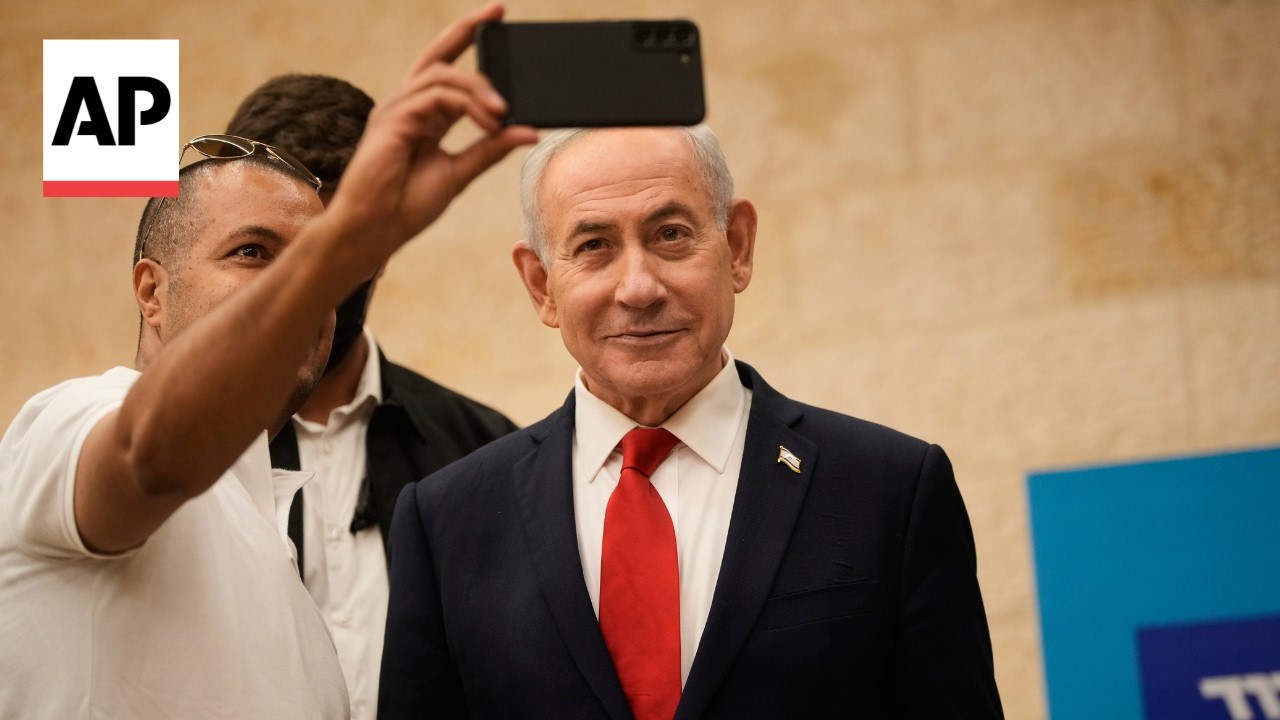
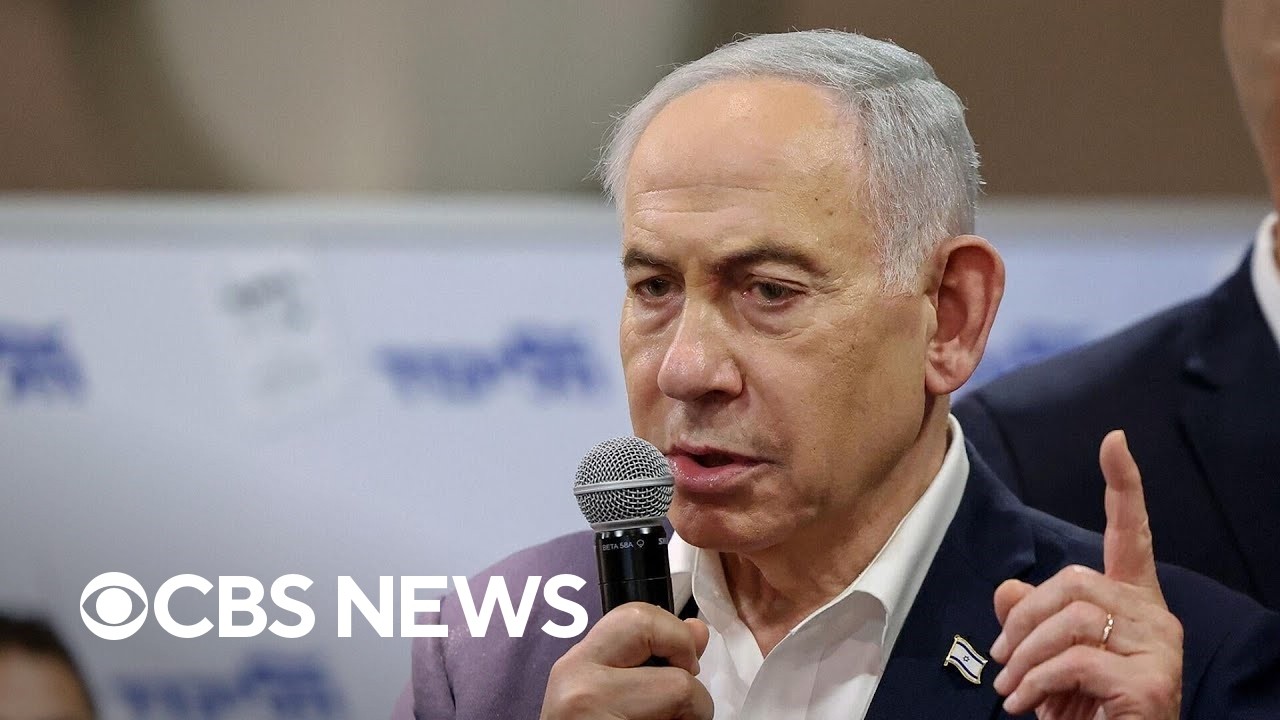
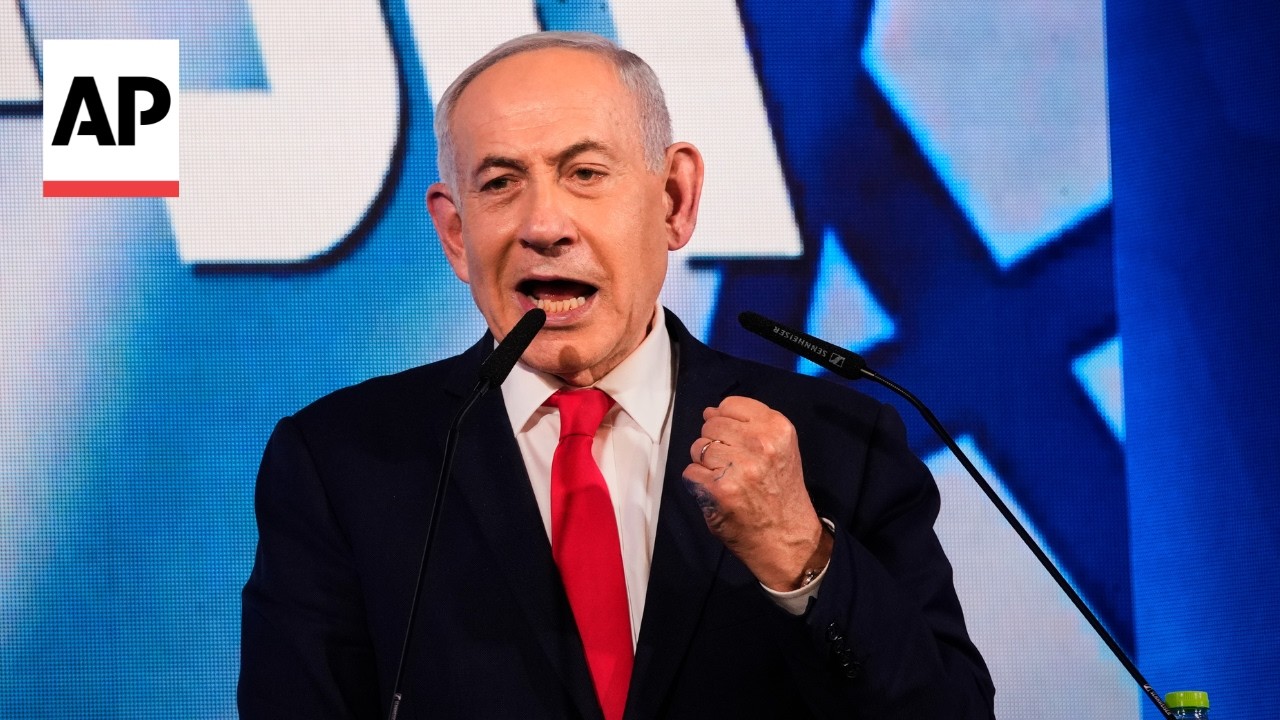
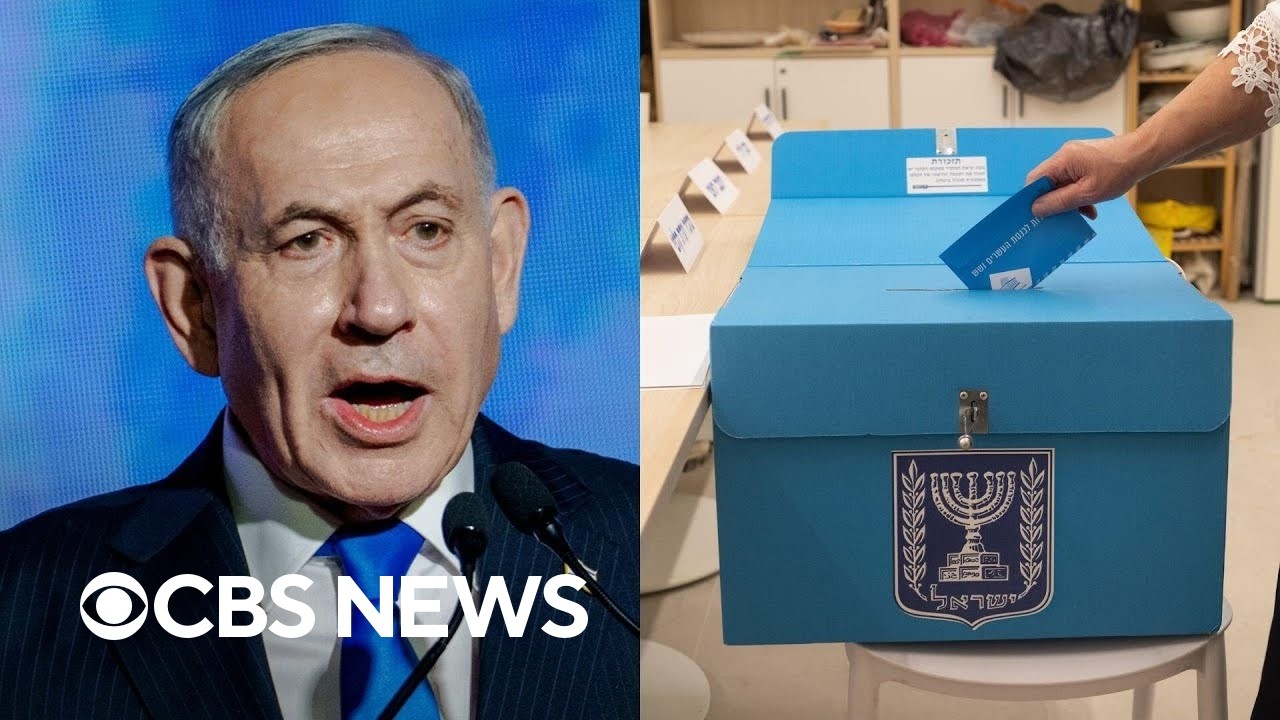
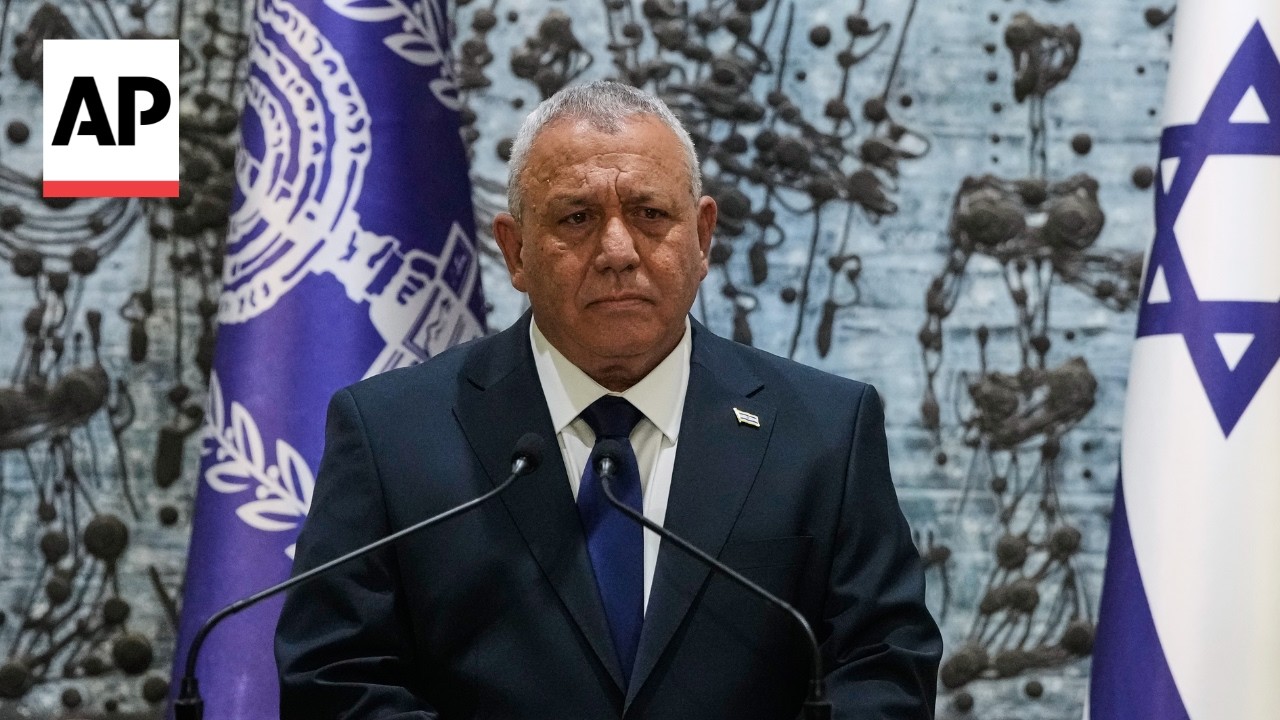
Parliamentary elections for the 120-seat Knesset took place in 2026. PBS reports the election saw the highest voter turnout in over 25 years and that results reflect societal divisions regarding the judiciary, military exemptions, and the role of Arab citizens in government. The NY Post reported that Benjamin Netanyahu's Likud party and allies lead with 54 seats, down from 60, while Gadi Eisenkot's opposition bloc, referred to by PBS as the Change bloc, holds 48 seats and Arab parties increased to approximately 19 seats. The Washington Examiner reported that over 85% of the vote has been counted, with the pro-Netanyahu bloc at 53 seats and Eisenkot at 48 seats. Al Jazeera reported that nearly 90 percent of votes have been counted. Updated partial results from Israel's Central Elections Committee show Benjamin Netanyahu's bloc has approximately 41.88% of the vote and Gadi Eisenkot's opposition camp has 37.64%. Benjamin Netanyahu claimed these results prove Likud is the largest party and argued for a strong national right-wing government. Official results are expected on November 4, after which the president will begin consultations to designate a candidate to form a government.
The NY Post reported that Netanyahu will lead a caretaker administration while attempting to form a coalition and that Netanyahu's party called the Arab vote 'fraudulent' without providing evidence; police stated that Netanyahu's claim that Arab voters stole the election lacks substantiation. The Nation identified Ra’am and the Joint List as the Arab-based parties involved and cited a survey indicating a majority of change-bloc voters support a government including Ra’am. Gadi Eisenkot's party is named Yashar. Eisenkot stated he would consider partnering with Arab parties under specific conditions and warned Netanyahu against using national security for political gain, while Netanyahu described such partnerships as treasonous. Al Jazeera reported that both Netanyahu and Eisenkot have previously ruled out forming a minority government with Arab-led parties. Yair Golan urged Eisenkot to negotiate with Palestinian parties to oust Netanyahu and has initiated coalition talks with Eisenkot and Yair Lapid. Yousef Jabareen of the Joint List expressed willingness to support an opposition government to unseat Netanyahu but stated he would not join a coalition. The Joint List claims voter turnout was a decisive factor in denying Netanyahu a majority.
The Daily Caller reported that Naftali Bennett is an opposition leader challenging Netanyahu from a hawkish perspective, advocating for the fall of the Iranian regime and the declaration of Qatar as an enemy state. The Daily Caller reported that Eisenkot emphasizes destroying Iran's nuclear program and proxies without seeking regime change. A U.S. official confirmed that Netanyahu pushed for attacks on Iran specifically before the Israeli election. President Isaac Herzog expressed a desire to avoid another round of elections. Donald Trump claimed his endorsement helped Netanyahu's performance. The Guardian reports the election occurred amid international accusations of genocide and war crimes against Netanyahu's government. UN rights chief Volker Turk called for the next government to respect international law and change its course of warfare. The process awaits a mandate from President Herzog and the final count of absentee ballots.
The political stalemate now hinges on whether the opposition can overcome the taboo of partnering with Arab parties. PBS and The Guardian identified this as the central tension, noting that while Gadi Eisenkot is open to such a coalition under specific conditions, Benjamin Netanyahu has labeled the move as treasonous. The survival of the current administration depends on the Jewish opposition's willingness to prioritize ousting Netanyahu over maintaining a Zionist majority.
PBS provided a critical piece of evidence by confirming through a U.S. official that Netanyahu pushed for attacks on Iran specifically before the election. This suggests that national security decisions may have been timed to influence domestic political leverage.
Daily Caller provided a distinct perspective by analyzing the security consensus among rivals. It noted that while Naftali Bennett and Gadi Eisenkot differ on the specifics of regime change in Iran, both maintain a hawkish posture. This suggests that a change in leadership may not fundamentally alter Israel's aggressive security strategy or its demands on the United States.
Coverage diverges on the legitimacy of the result. NY Post framed the outcome as a mandate for Netanyahu's security policies, while The Guardian highlighted that the election occurred amid international accusations of war crimes. This reflects a divide between viewing the result as a domestic endorsement versus a symptom of deep internal and external conflict.
The Nation provided a specific data point by citing a survey indicating that a majority of change-bloc voters support a government including Ra’am. This suggests the barrier to a coalition may be the political will of the leaders rather than the preferences of their base.
Readers should now watch for the final absentee ballot count and the mandate issued by President Isaac Herzog. The critical detail will be whether Gadi Eisenkot accepts pressure from allies like Yair Golan to negotiate with Palestinian parties, as this is the only viable path to a majority that excludes the Likud bloc.
Source facts (37)
The election saw the highest voter turnout in over 25 years.
PBS
Gadi Eisenkot's party is named Yashar.
PBS
Benjamin Netanyahu described partnering with Arab parties as treasonous.
PBS
Gadi Eisenkot stated he would consider partnering with Arab parties under specific conditions.
PBS
President Isaac Herzog expressed a desire to avoid another round of elections.
PBS
Donald Trump claimed his endorsement helped Benjamin Netanyahu's performance.
The Guardian
Yair Golan urged Gadi Eisenkot to negotiate with Palestinian parties to oust Netanyahu.
The Guardian
The process is awaiting the final count of absentee ballots and a mandate from President Isaac Herzog.
The Guardian
The election took place amid international accusations of genocide and war crimes against Netanyahu's government.
The Guardian
NY Post reported that Benjamin Netanyahu's Likud party and allies are leading with 54 seats, a decrease from their previous 60.
NY Post
NY Post reported that Gadi Eisenkot's opposition bloc holds 48 seats.
NY Post
NY Post reported that Arab parties saw an increase to approximately 19 seats.
NY Post
Benjamin Netanyahu will lead a caretaker administration while attempting to form a coalition.
NY Post
Netanyahu's party called the Arab vote 'fraudulent' without providing evidence.
NY Post
Naftali Bennett is an opposition leader challenging Benjamin Netanyahu from a hawkish perspective.
Daily Caller
Naftali Bennett advocates for the fall of the Iranian regime and declaring Qatar an enemy state.
Daily Caller
Gadi Eisenkot emphasizes destroying Iran's nuclear program and proxies without seeking regime change.
Daily Caller
The Arab-based parties involved in the election include Ra’am and the Joint List.
The Nation
A survey indicates that a majority of change-bloc voters support a government that includes Ra’am.
The Nation
The Washington Examiner reported that the pro-Netanyahu bloc has 53 seats and Gadi Eisenkot has 48 seats.
Washington Examiner
The Washington Examiner reported that over 85% of the vote has been counted.
Washington Examiner
The election results reflect societal divisions regarding the judiciary, military exemptions, and the role of Arab citizens in government.
PBS
The opposition coalition is referred to as the Change bloc.
PBS
Police stated that Benjamin Netanyahu's claim that Arab voters stole the election lacks substantiation.
PBS
Gadi Eisenkot warned Benjamin Netanyahu against using national security for political gain.
PBS
A U.S. official confirmed that Benjamin Netanyahu pushed for attacks on Iran specifically before the Israeli election.
PBS
Yair Golan of the Democrats has initiated coalition talks with Gadi Eisenkot and Yair Lapid.
The Guardian
Yousef Jabareen of the Joint List expressed willingness to support an opposition government to unseat Benjamin Netanyahu but stated he would not join a coalition.
The Guardian
UN rights chief Volker Turk called for the next government to respect international law and change its course of warfare.
The Guardian
Al Jazeera reported that nearly 90 percent of votes in the election have been counted.
Al Jazeera
The Joint List claims voter turnout was a decisive factor in denying Benjamin Netanyahu a majority.
Al Jazeera
Al Jazeera reported that both Benjamin Netanyahu and Gadi Eisenkot have previously ruled out forming a minority government with Arab-led parties.
Al Jazeera
Updated partial results from Israel's Central Elections Committee show Benjamin Netanyahu's bloc has approximately 41.88% of the vote and Gadi Eisenkot's opposition camp has 37.64%.
NY Post
Benjamin Netanyahu claimed the results prove Likud is the largest party and argued for a strong national right-wing government.
NY Post
Official results are expected on November 4, after which the president will begin consultations to designate a candidate to form a government.
NY Post