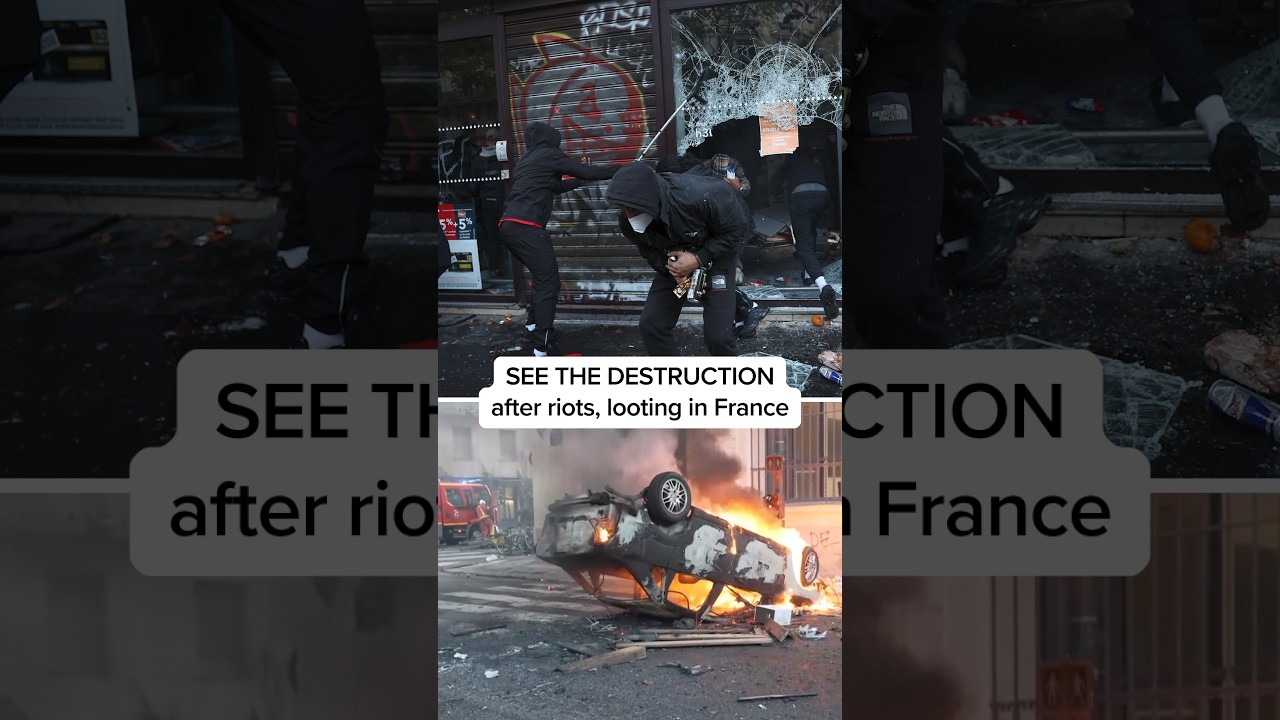
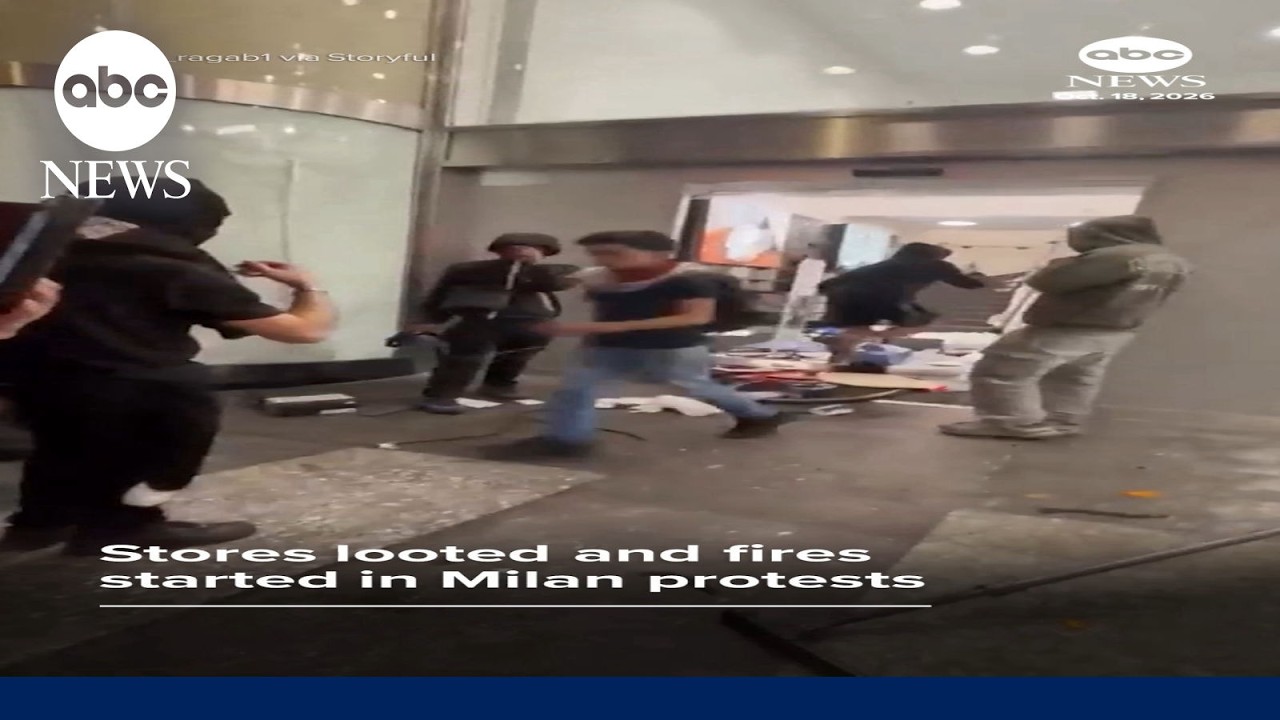
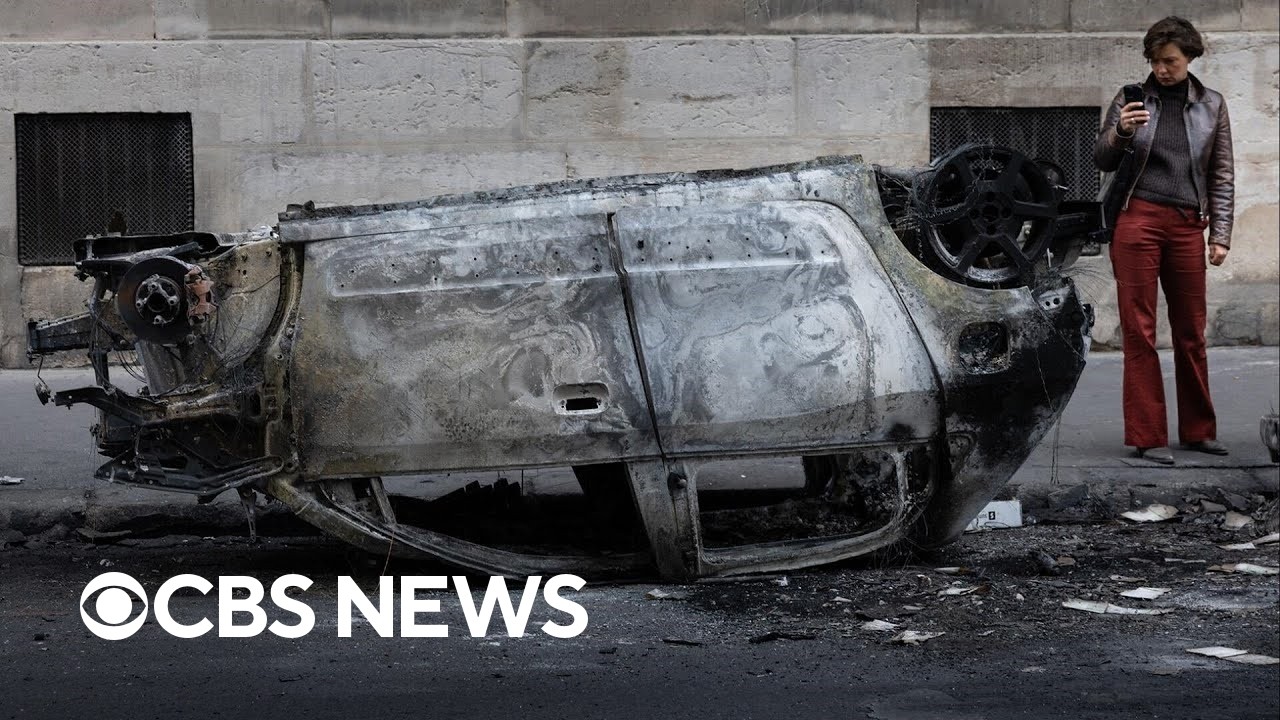
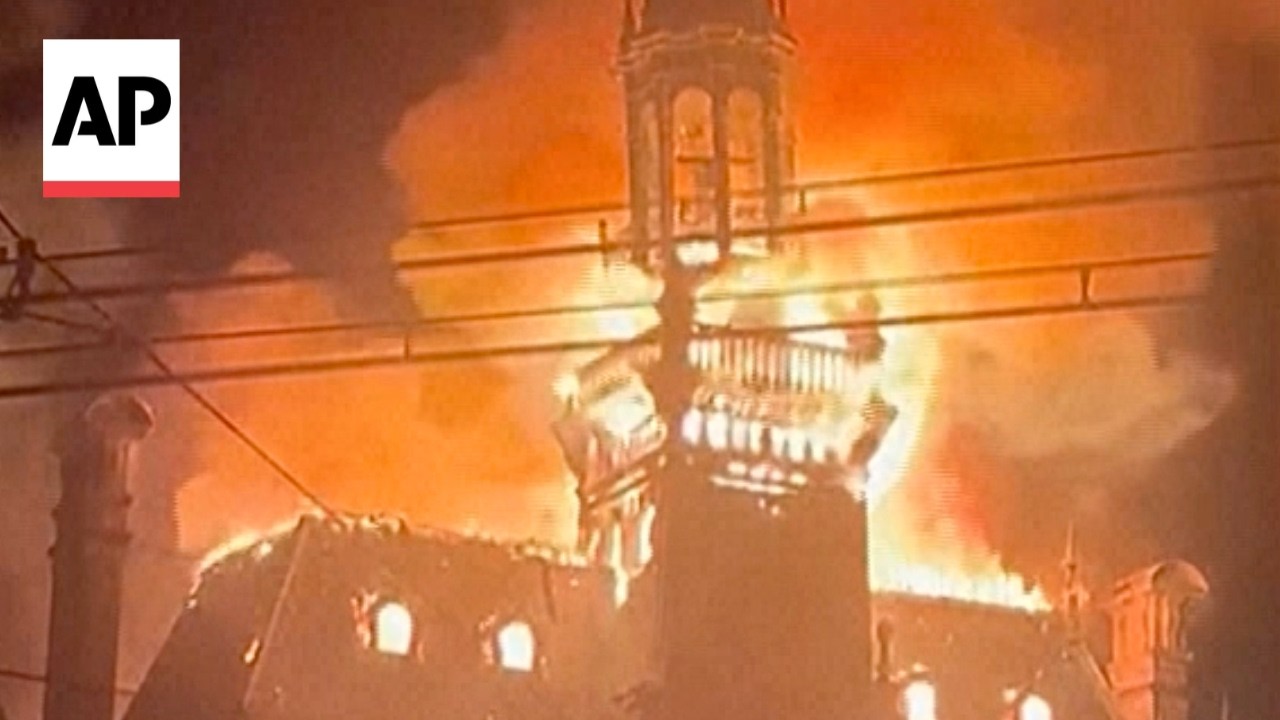
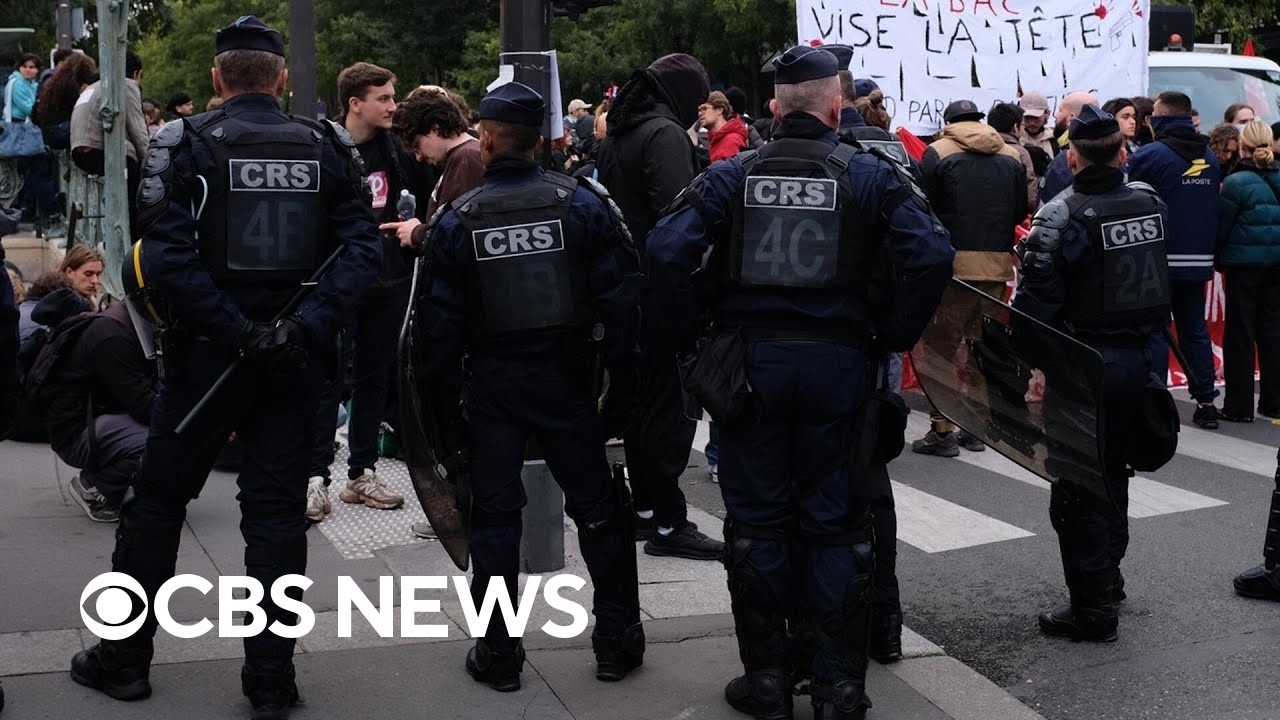
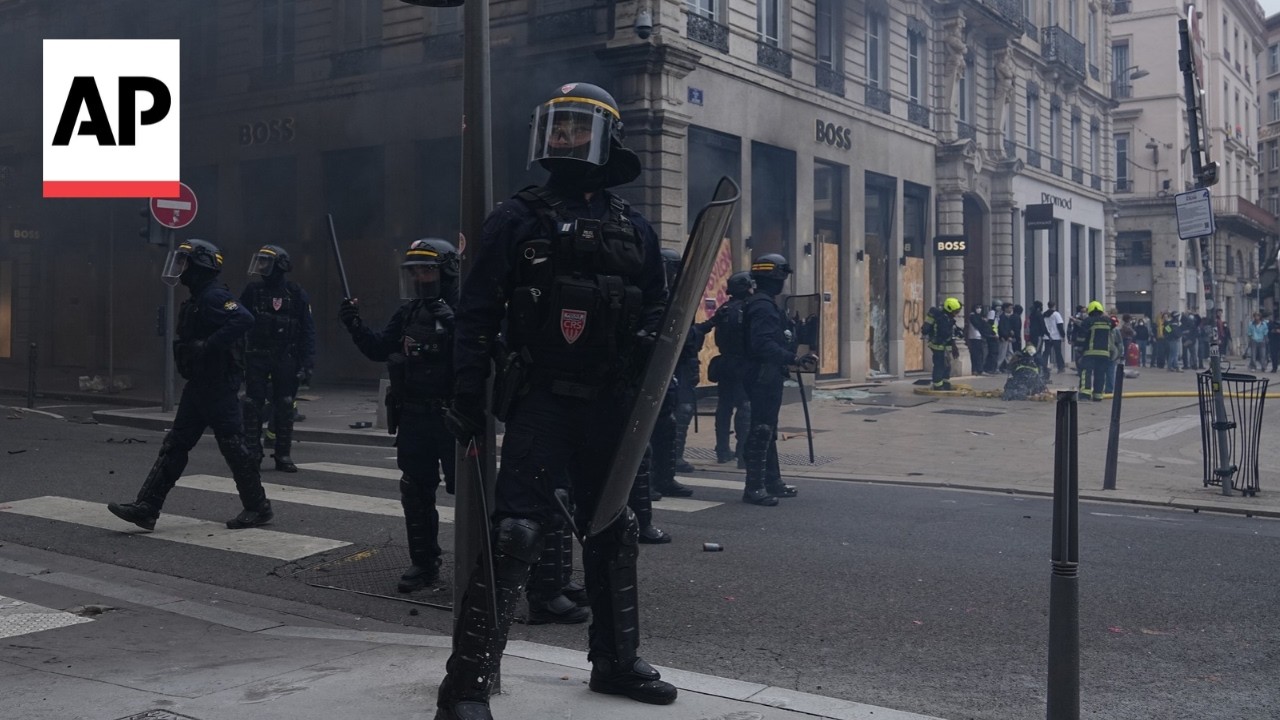
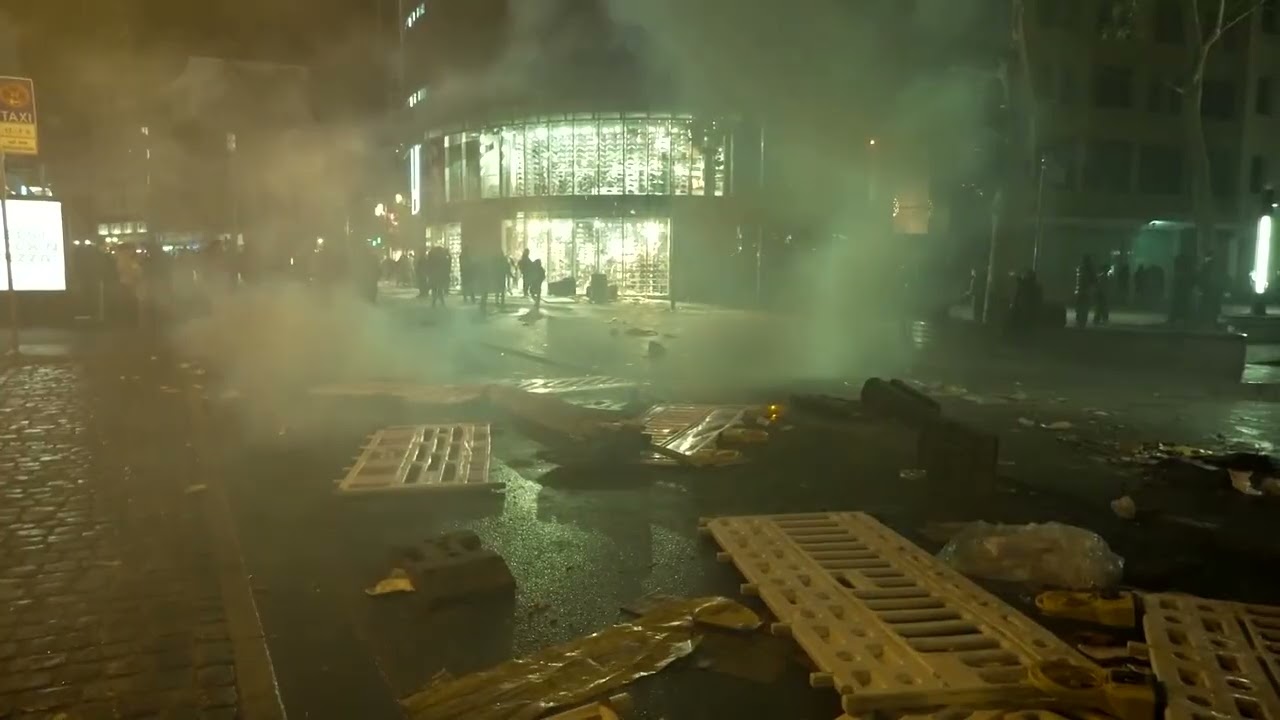
Nov 1 · Protests occur in Marseille Updated 07:27
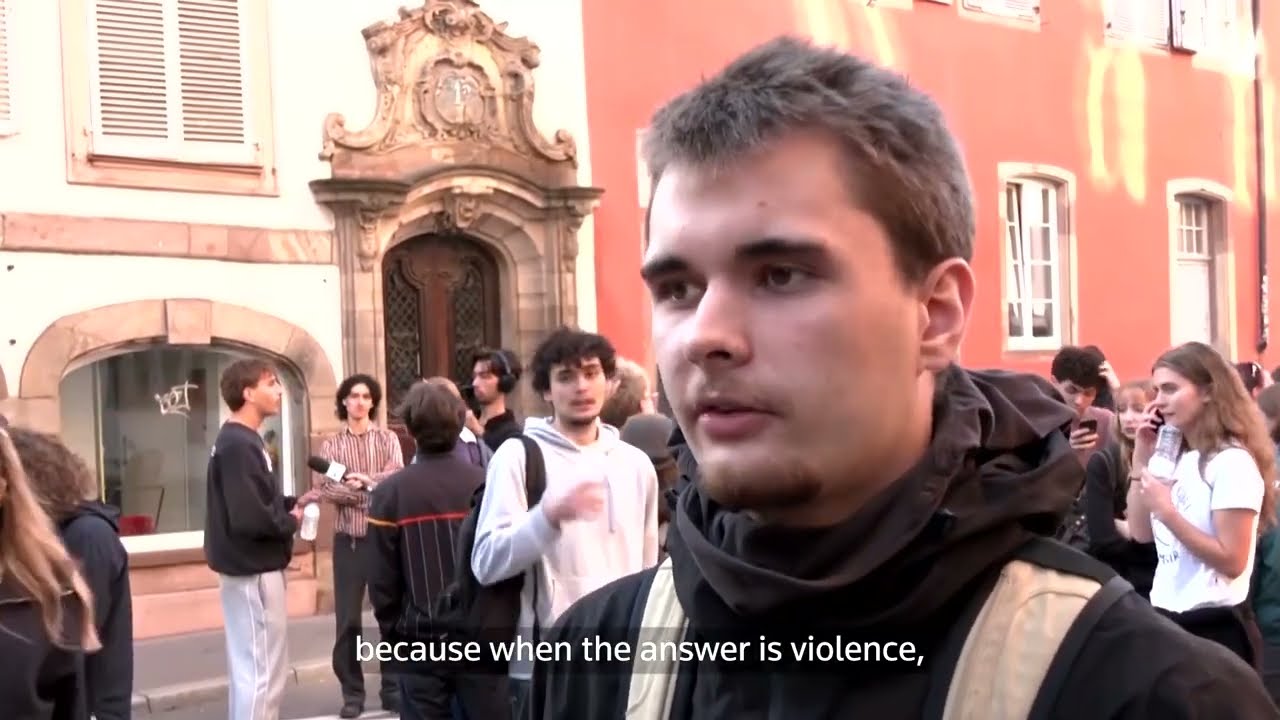
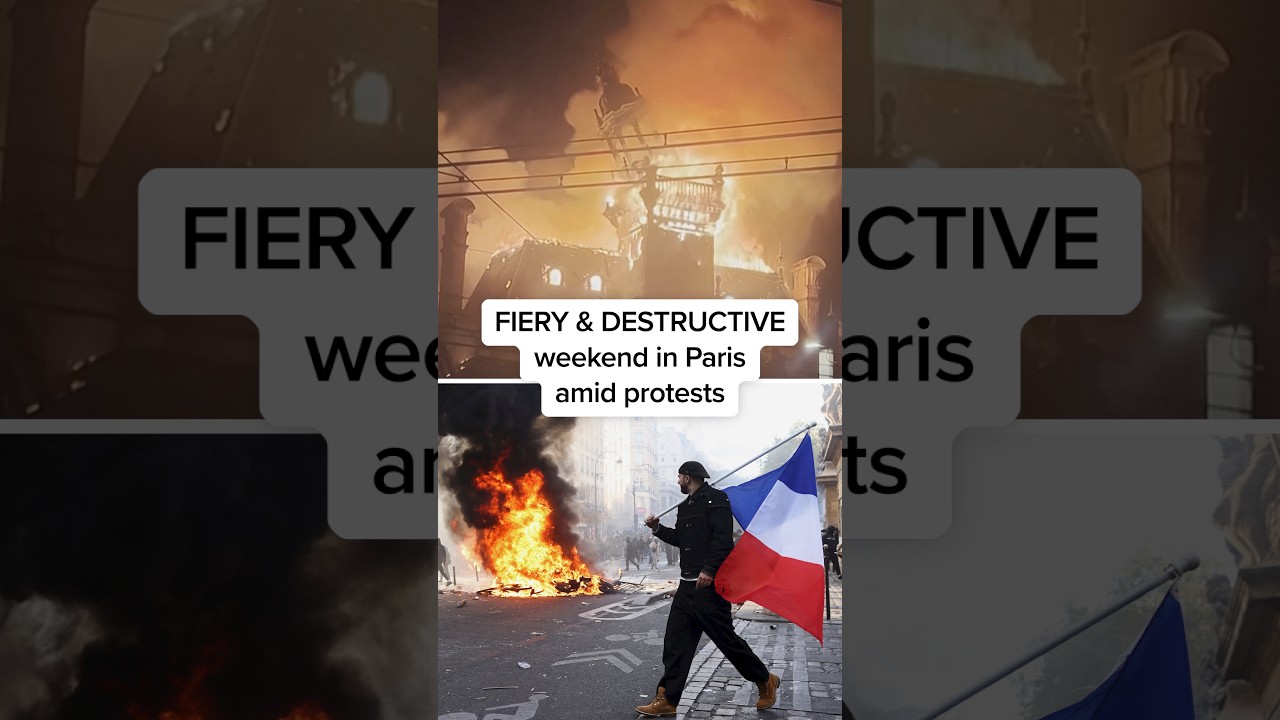
The BBC reports that protests have occurred in Marseille and notes a trend of 'TikTokisation,' where social media is used to organize protests inspired by global movements. The BBC further reports that fears regarding AI are cited as a primary driver of discontent and that some governments blame ultra-left radicals for the unrest, while the Flemish nationalist party blames immigration. Separately, the author of an UnHerd piece argues that neoliberal policies, austerity, and a systemic transfer of wealth to older generations have left youth with precarious employment and unaffordable housing. The UnHerd author also argues that government spending priorities favor defense and war over education and public services, suggesting the unrest is primarily a generational struggle against a rigid political-economic regime. The author further claims the 'generational divide' is an experience of a class war where the young are losers of a regime designed to transfer wealth upwards.
The unrest has evolved from a struggle over living costs into a generational class war. UnHerd frames the crisis as a systemic transfer of wealth from the young to the elderly, arguing that neoliberal austerity and a preference for defense spending over education have turned the youth into the losers of a rigid regime [1].
BBC identifies a new operational layer in this instability through 'TikTokisation,' where social media allows local grievances to merge with global movements [2]. The addition of AI-driven job anxiety as a primary driver suggests that the fear is no longer just about current prices, but about permanent economic obsolescence [2].
Coverage now diverges on the identity of the agitators. While some governments and the Flemish nationalist party blame immigrants or ultra-left radicals, UnHerd and BBC argue these are distractions from a fundamental erosion of the social contract [1, 2].
Readers should watch whether the 'TikTokisation' of these protests leads to a coordinated pan-European youth movement or if the far-right successfully redirects this generational anger toward immigrant populations.
Source facts (8)
Protests have occurred in Marseille.
BBC
The author of the UnHerd piece argues that neoliberal policies, austerity, and a systemic transfer of wealth to older generations have left youth with precarious employment and unaffordable housing.
UnHerd
The author of the UnHerd piece argues that government spending priorities favor defense and war over education and public services.
UnHerd
The author of the UnHerd piece suggests the unrest is primarily a generational struggle against a rigid political-economic regime.
UnHerd
The author of the UnHerd piece claims the 'generational divide' is an experience of a class war where the young are losers of a regime designed to transfer wealth upwards.
UnHerd
The BBC reports a trend of 'TikTokisation,' where protests are organized via social media and inspired by global movements.
BBC
Fears regarding AI are cited as a primary driver of discontent.
BBC
The BBC reports that some governments blame ultra-left radicals for the unrest, while the Flemish nationalist party blames immigration.
BBC
Oct 27 · Gordon Sondland comments on European protests Updated 14:56
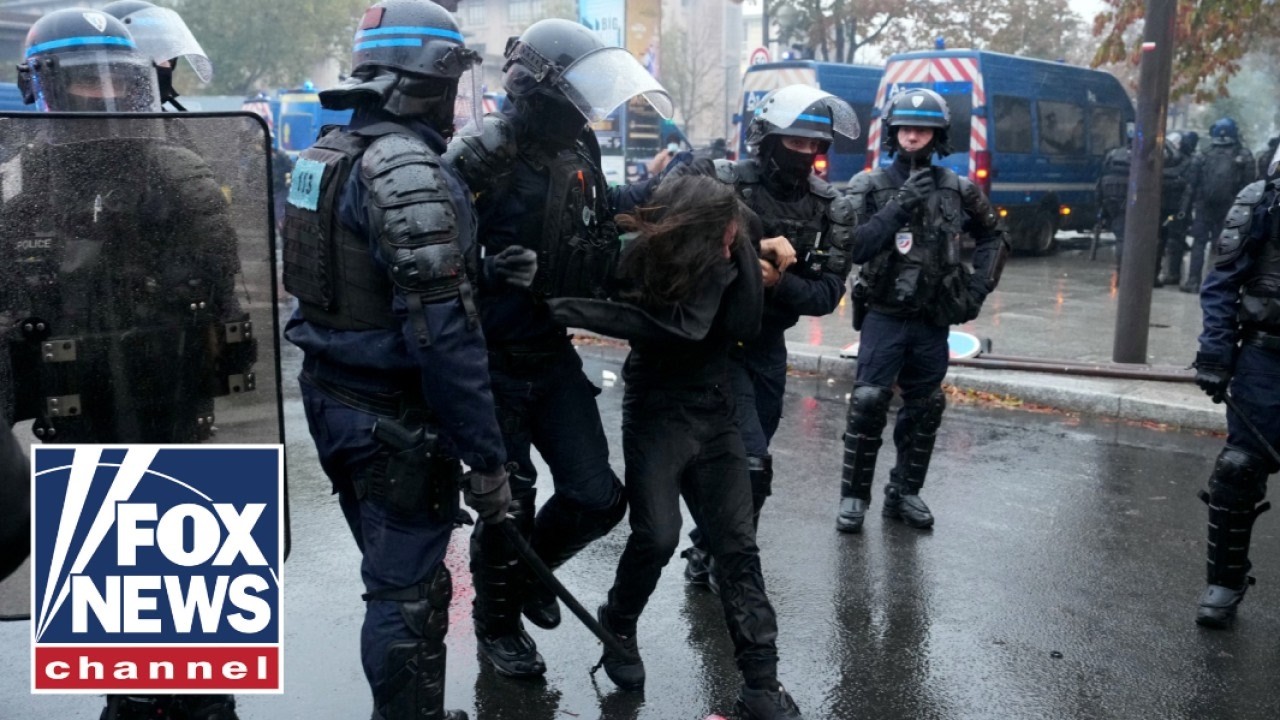
Gordon Sondland argues that the protests in Europe are a symptom of a rigid economic and regulatory model that stifles innovation and growth, according to Fox News. Sondland further claims via Fox News that European nations relied on a U.S. military security umbrella to fund social welfare states, which resulted in strategic complacency and fiscal instability.
The discourse has expanded from analyzing the symptoms of economic failure to debating the validity of the European social model. Fox News introduces a perspective that frames the unrest not as a failure of the state to provide, but as a consequence of a rigid system that stifles growth and relies on external security [1].
This shifts the focus from the first analysis's question about the drivers of unrest toward a broader ideological clash. While previous coverage viewed the cost-of-living crisis as a systemic failure of the social contract, this new narrative suggests the social contract itself is the problem because it creates fiscal instability and strategic complacency [1].
Readers should now watch whether this critique of the European model gains traction among the far-right parties mentioned in earlier reports, potentially shifting their platform from simple anti-immigrant rhetoric to a demand for wholesale economic deregulation.
Source facts (2)
Gordon Sondland argues that the protests in Europe are a symptom of a rigid economic and regulatory model that stifles innovation and growth.
Fox News
Gordon Sondland claims European nations relied on a U.S. military security umbrella to fund social welfare states, resulting in fiscal instability and strategic complacency.
Fox News
Oct 26 · Polling shows young Europeans support EU unity Updated 08:12
The Guardian reports that stagnant wages and failing public services are driving public discontent in Europe. The Guardian also reports that the potential rise of leaders like Marine Le Pen threatens EU cohesion, while polling shows young Europeans still strongly support EU unity despite domestic anger.
The crisis has shifted from a series of national riots to a fundamental threat to European integration. The Guardian identifies a paradox where young Europeans remain committed to the EU as an institution, yet their daily lives are defined by the failure of that institution to provide basic economic security [1].
This confirms the first analysis's premise that the unrest is a systemic reaction to economic precariousness. The focus is no longer just on whether individual governments will fall, but whether the EU can evolve to deliver tangible social security before populist leaders like Marine Le Pen can leverage domestic anger to dismantle the union [1].
Readers should now watch whether the EU implements a coordinated economic response to address stagnant wages and housing, or if it remains a project of institutional preservation while national populism grows.
Source facts (3)
Public discontent in Europe is driven by stagnant wages and failing public services.
The Guardian
The Guardian reports that the potential rise of leaders like Marine Le Pen threatens EU cohesion.
The Guardian
Polling shows young Europeans still strongly support EU unity despite domestic anger.
The Guardian
Oct 25 · Hundreds of thousands of people marched across France Updated 20:28
The Guardian reports that protests have occurred in Madrid and Brussels. According to The Guardian, protests in Germany are linked to military service and that young people are driven by job precarity, housing unaffordability, and climate anxiety. The Guardian also reports that far-right parties, encouraged by the Trump administration, are attempting to exploit the discontent by blaming immigrants. NBC News' Richard Engel reported from Paris that hundreds of thousands of people marched across France on Saturday in demonstrations aimed at challenging President Emmanuel Macron’s government.
The unrest has evolved from a struggle over immediate costs into a broader crisis of the broken social contract. The Guardian connects the protests in Germany and beyond to a deeper sense of systemic abandonment, where job precarity and climate anxiety merge with housing unaffordability.
This framing answers the first analysis's question by identifying the driver as a generational feeling of being left behind. The coverage moves beyond the symptoms of poverty to analyze the political vulnerability of the EU, noting how far-right parties are attempting to redirect this economic anger toward immigrants.
NBC News focuses on the scale of the mobilization, documenting hundreds of thousands of people marching to challenge the French government. While it captures the magnitude of the dissent, it remains descriptive of the events rather than analyzing the ideological shifts driving them.
Readers should now watch whether the upcoming elections in Spain, France, Poland, and Italy result in a radical rightward shift or if the protesters' demands for a new social contract force a centrist economic pivot.
Source facts (7)
Protests in Germany are linked to military service.
The Guardian
The Guardian reports that young people are driven by job precarity, housing unaffordability, and climate anxiety.
The Guardian
The Guardian reports that far-right parties, encouraged by the Trump administration, are attempting to exploit the discontent by blaming immigrants.
The Guardian
Hundreds of thousands of people marched across France on Saturday.
NBC News
The demonstrations in France were aimed at challenging President Emmanuel Macron’s government.
NBC News
NBC News' Richard Engel provided the report from Paris.
NBC News
Oct 24 · Town hall burned in Limoges Updated 20:11
USA Today reports that students, teachers, labor unions, and retirees demonstrated in Paris, France, against rising fuel prices and the cost of living. According to USA Today, a town hall in Limoges, France, was burned during protests. USA Today also reports that truck drivers blocked streets in Naples, Italy, over fuel costs, and students in Vienna, Austria, protested university budget cuts.
The unrest has evolved from a student-led movement into a cross-generational coalition. The participation of labor unions and retirees in Paris, alongside truck drivers in Naples, shows that the trigger has expanded from specific education costs to a broader struggle against the cost of living and fuel prices [1].
This expansion confirms the first analysis's premise that economic precariousness is the root cause. The crisis is no longer confined to youth anxiety over the future, but now includes the immediate survival needs of the working-age population and the elderly.
USA Today provides a visual catalog of the escalation, documenting the shift toward more aggressive tactics like burning town halls and blocking major transit arteries [1]. However, the coverage remains descriptive. It documents the symptoms of the unrest through images and captions but does not analyze the political implications of this widening demographic alliance.
Readers should now watch whether this coalition of students, unions, and retirees can form a unified political front, or if the diversity of their grievances—from university budgets to fuel prices—makes them susceptible to fragmented government concessions.
Source facts (4)
Demonstrations in Paris, France, against the cost of living and rising fuel prices involved students, teachers, labor unions, and retirees.
USA Today
A town hall in Limoges, France, was burned during protests.
USA Today
Truck drivers in Naples, Italy, blocked streets over fuel costs.
USA Today
Students in Vienna, Austria, protested university budget cuts.
USA Today
Oct 23 · Protests occur in Germany Updated 12:27
Newser reports that protests are occurring in Germany, where students and young workers are demonstrating against low wages. According to Newser, protesters are driven by a shared fear that social safety nets available to previous generations have disappeared. Newser states that tensions are exacerbated by aging populations, budget constraints, and geopolitical uncertainty, and that far-right parties are using violence associated with some protests to promote law-and-order platforms.
The unrest has expanded into Germany, signaling that the crisis is not limited to Southern Europe or fiscally fragile states. Newser identifies a generational rift, where the fear of vanishing social safety nets connects students and young workers across different national contexts.
This expansion confirms the first analysis's premise that the unrest is a systemic reaction to economic precariousness. The focus is no longer just on immediate costs like rent or tuition, but on a long-term loss of security compared to previous generations.
Newser also highlights a new political risk. Far-right parties are leveraging the violence of the protests to pivot the conversation toward law and order. This creates a tension between the protesters' demand for systemic economic reform and a political push for increased state security.
Readers should now watch whether the far-right's narrative gains traction in upcoming elections or if the shared generational anxiety creates a coordinated political movement across borders.
Source facts (5)
Protests are also occurring in Germany.
Newser
Students and young workers are demonstrating against low wages.
Newser
Protesters are driven by a shared fear that social safety nets available to previous generations have disappeared.
Newser
Tensions are exacerbated by aging populations, budget constraints, and geopolitical uncertainty.
Newser
Far-right parties are using the violence associated with some protests to promote law-and-order platforms.
Newser
Oct 21 · Prime Minister Pedro Sanchez calls snap election in Spain Updated 18:25
Protests have occurred in Paris, Milan, Lisbon, and Tirana, according to The Independent. In Spain, Prime Minister Pedro Sanchez called a snap election following the eviction and death of an elderly pensioner, The Independent reports. In Albania, The Independent reports that the 'Flamingo' movement is demanding the resignation of Prime Minister Edi Rama over corruption and university conditions.
The unrest has transitioned from spontaneous street violence to direct political challenges. The decision by Spain's Prime Minister to call a snap election following a pensioner's death shows that economic grievances are now forcing immediate changes in governance. In Albania, the emergence of the 'Flamingo' movement gives a formal identity to the anger over corruption and education, moving the crisis from a series of riots toward an organized political demand.
The Independent provides the necessary breadth by linking these events across Paris, Milan, Lisbon, and Tirana. It correctly identifies that the trigger is not a single policy but a systemic failure in housing and public services. By including the mobilization of students in Serbia, the coverage suggests the unrest is expanding into a broader regional pattern of instability.
Readers should now watch whether snap elections or leadership changes in these countries result in actual economic relief or if they serve as temporary diversions that fail to address the underlying cost-of-living crisis.
Source facts (4)
Protests have occurred in Paris, Milan, Lisbon, and Tirana.
The Independent
In Spain, the eviction and death of an elderly pensioner prompted Prime Minister Pedro Sanchez to call a snap election.
The Independent
The movement in Albania demanding Prime Minister Edi Rama's resignation is called the 'Flamingo' movement.
The Independent
The 'Flamingo' movement in Albania is demanding Prime Minister Edi Rama's resignation over corruption and university conditions.
The Independent
Oct 20 · Protests occur in France and Albania Updated 04:19
Protests began in France based on student grievances over school conditions. In Albania, protesters targeted tuition fees and university conditions and called for the resignation of the Prime Minister. Experts attribute the unrest to slow economic growth, high public debt, and inflation. Financial analysts warn that France faces a potential sovereign debt crisis and may need to raise the retirement age or implement tax hikes.
The unrest is evolving from a series of localized grievances into a structural crisis of state capacity. While early reports focused on the symptoms of poverty, CNBC identifies a deadlock where high public debt and slow growth prevent governments from funding the very services—education and housing—that protesters are demanding.
CNBC provides a critical layer of analysis by connecting the street violence to sovereign debt risks. By highlighting the possibility of tax hikes or a raised retirement age in France, the coverage shows that the state's likely solutions to its fiscal crisis may actually fuel further social instability.
Readers should now watch whether governments attempt to appease protesters with spending they cannot afford, or if they implement fiscal austerity that triggers a second, more coordinated wave of unrest.
Source facts (4)
Protests in France began with student grievances over school conditions.
CNBC
Albanian protesters targeted university conditions and tuition fees and called for the Prime Minister's resignation.
CNBC
Experts attribute the unrest to inflation, high public debt, and slow economic growth.
CNBC
Financial analysts warn that France faces a potential sovereign debt crisis and may need to implement tax hikes or raise the retirement age.
CNBC