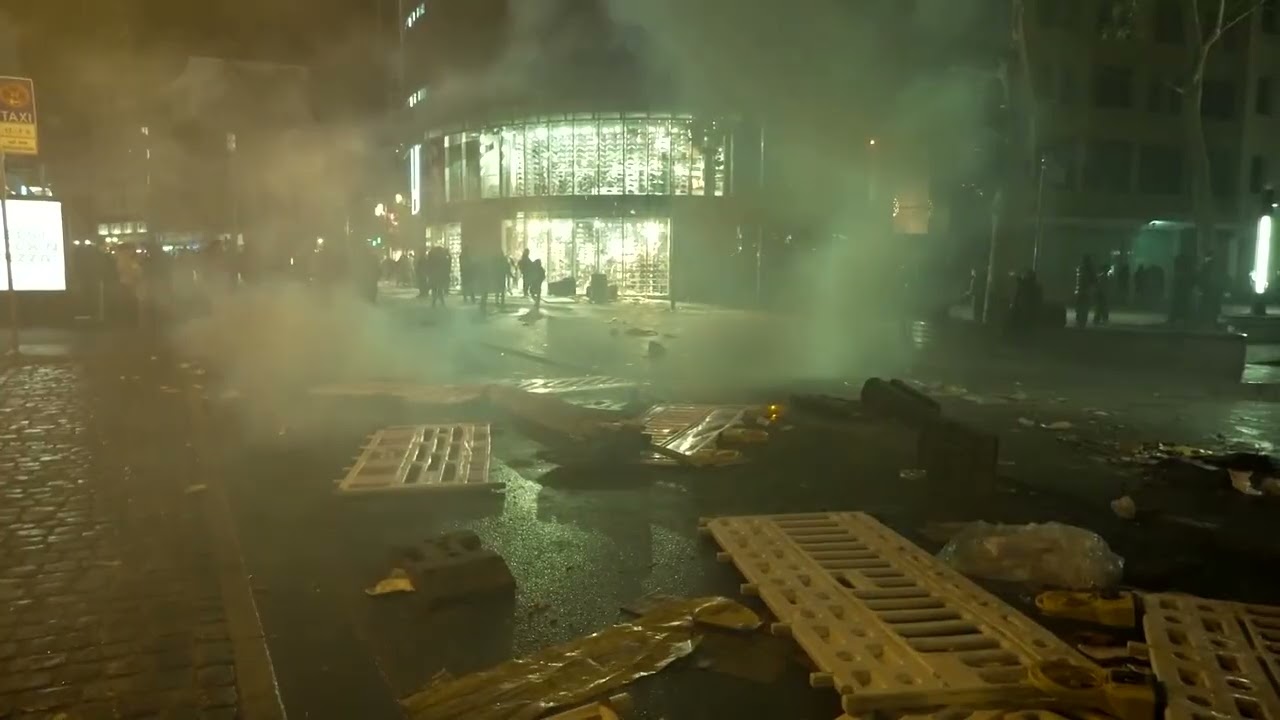
Systemic collapse and the risk of political instrumentalization
The core issue is whether the transition from demands for basic educational resources to violent riots is an organic result of institutional decay or the product of external agitation. Students are protesting teacher shortages and dilapidated infrastructure, which indicates a failure of the state to maintain the minimum standards of public education.
In such structures, when the gap between institutional promises and reality becomes untenable, grievances often shift from policy demands to direct action. This volatility creates a vacuum where political actors can either amplify genuine frustration to destabilize the current administration or use the unrest to justify increased security measures.
Focus on public disorder and political opportunism
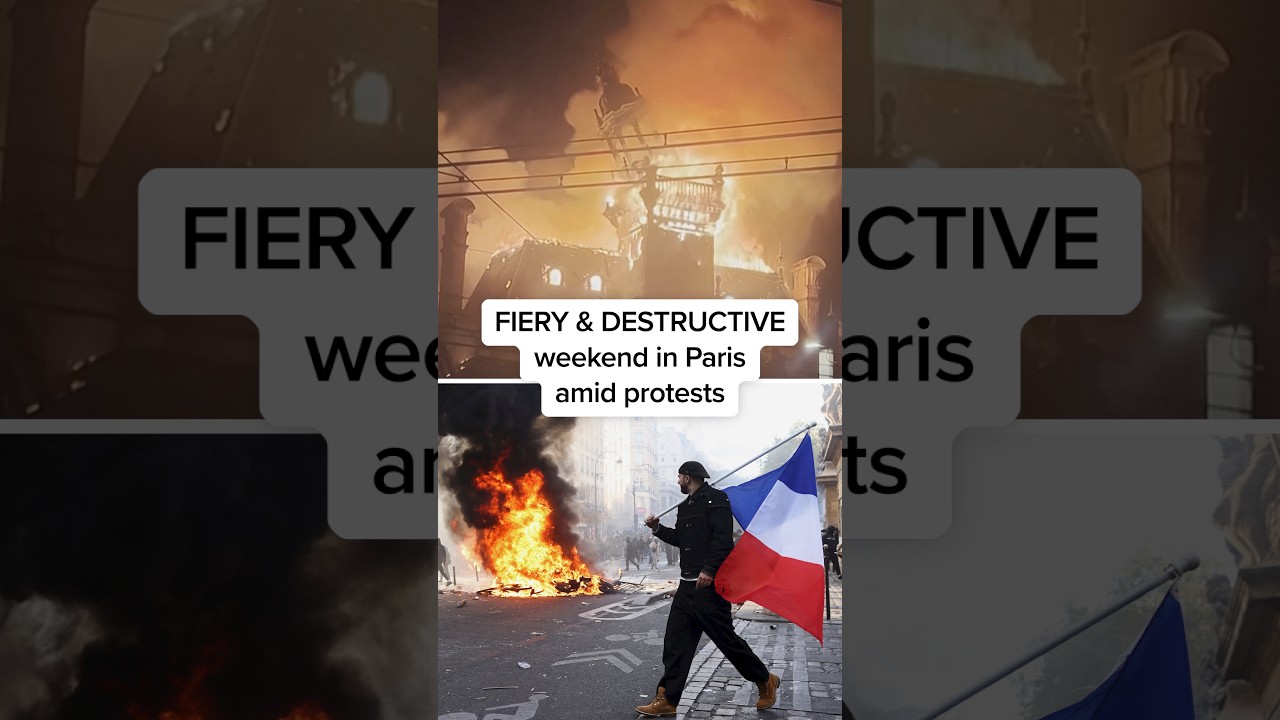
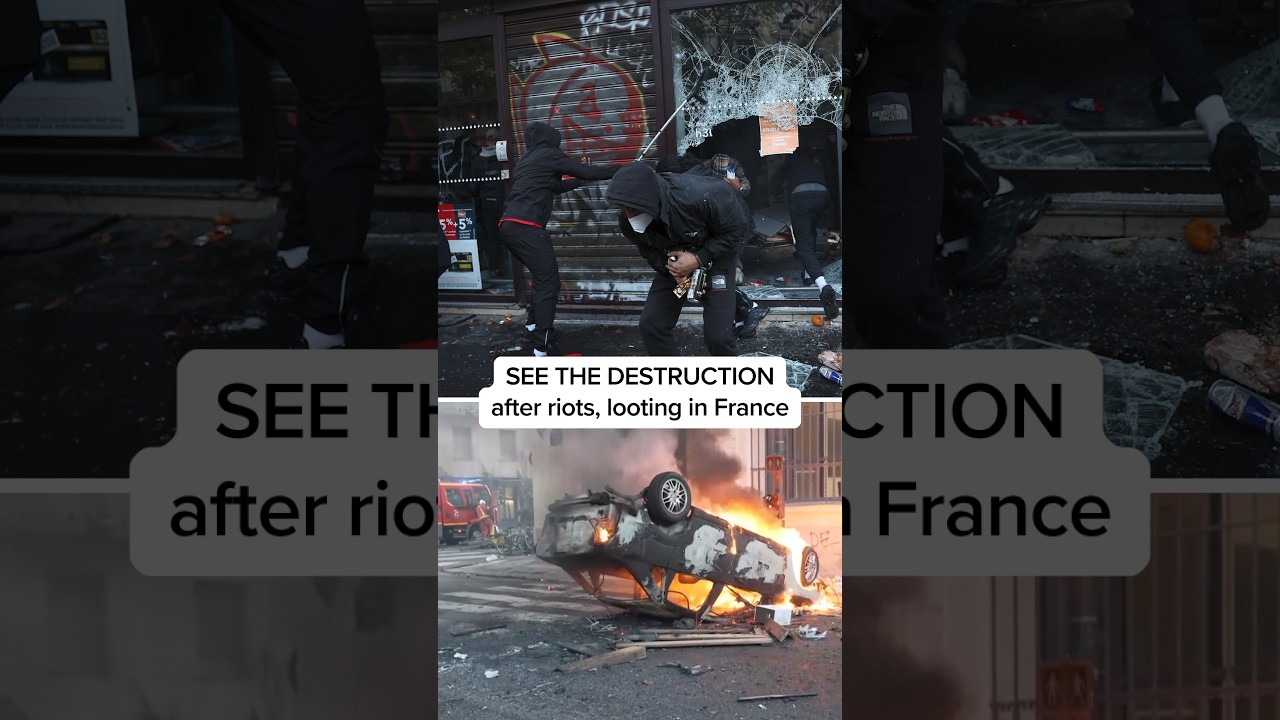
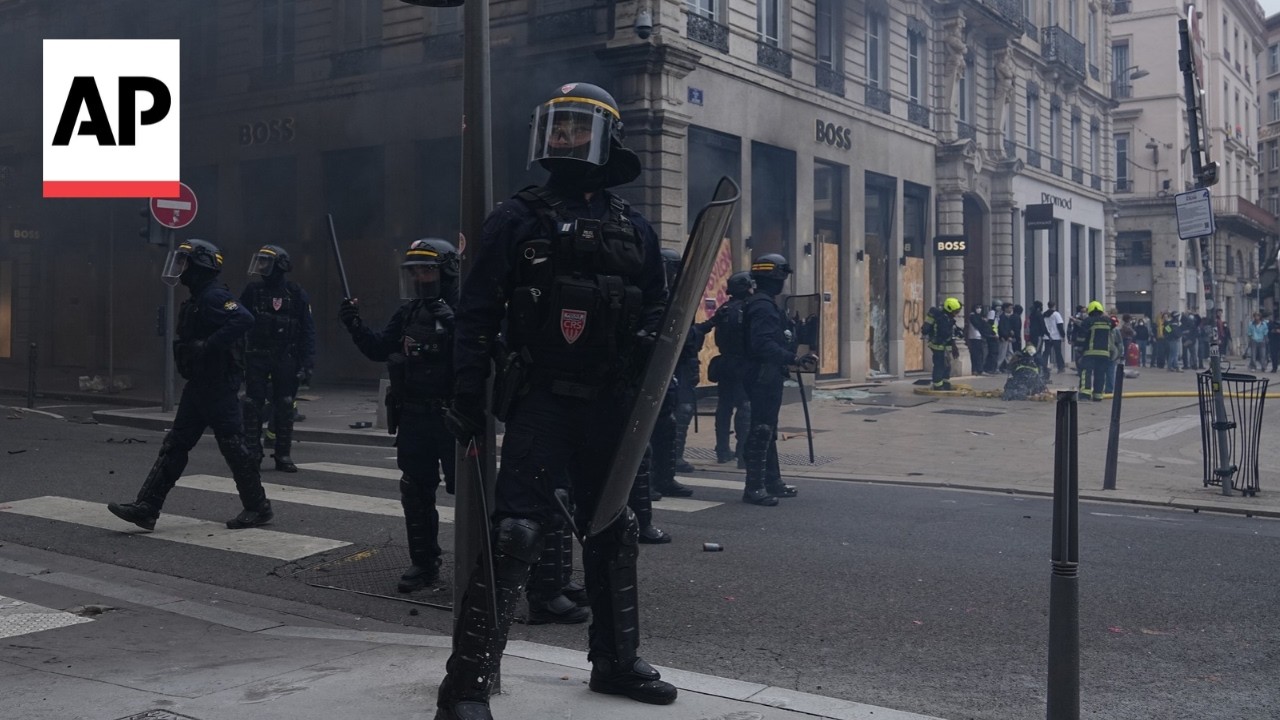
The coverage focuses heavily on the breakdown of public order. Washington Examiner and Daily Caller emphasize the violent mayhem and the threat to infrastructure, framing the events as a crisis of stability. Daily Caller adds a layer of political context by linking the unrest to the rise of right-wing polling, suggesting the chaos benefits specific electoral candidates.
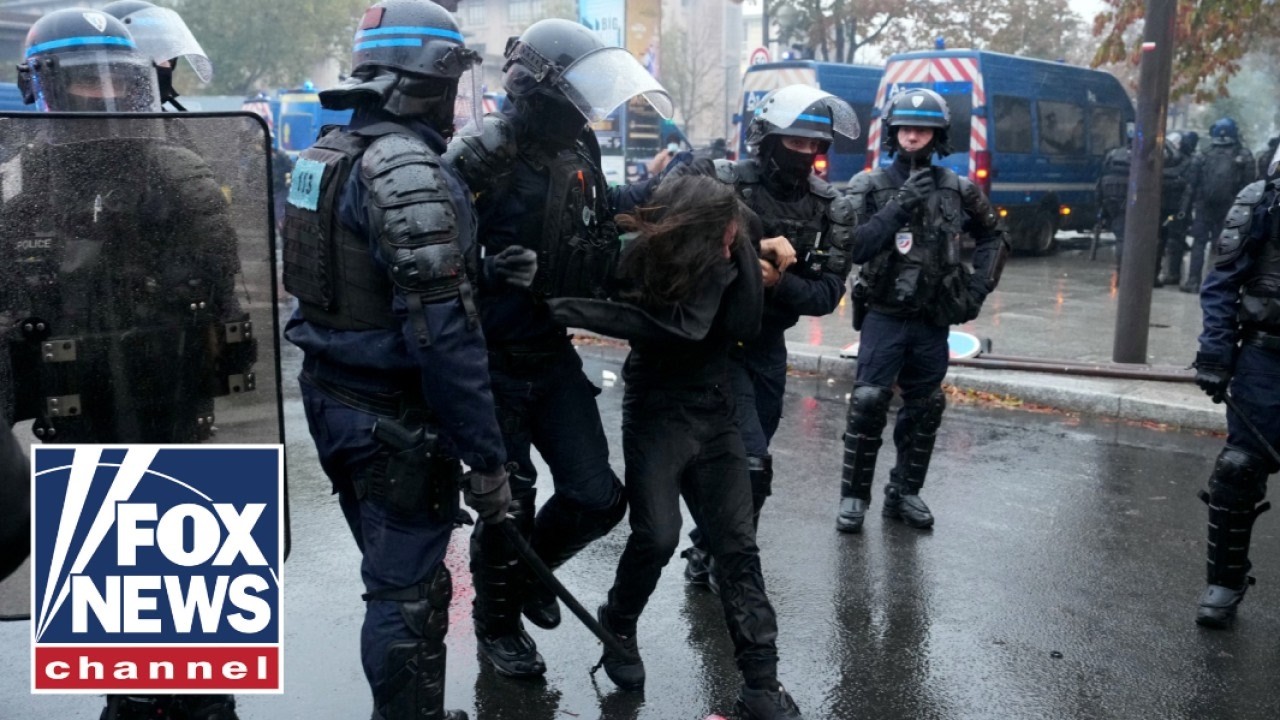
Fox News diverges by identifying a specific catalyst for the violence. It claims that far-left political actors are weaponizing the unrest for electoral gain, citing social media encouragement as evidence. While all three outlets acknowledge the students' grievances regarding budget cuts and staffing, they prioritize the symptoms of violence and the political fallout over a deep analysis of the educational failures that triggered the protests.
BBC reports closure of 400 schools and blockades of 30 universities
New coverage from 1 outlets
BBC provides concrete data on the scale of the crisis, reporting that over 400 schools have closed and 30 universities are blockaded. This reporting moves beyond the general observation of unrest to document a state of institutional paralysis. By detailing the specific causes—overcrowded classrooms and deteriorating buildings—BBC engages with the essential question of whether this violence is an organic result of systemic decay.
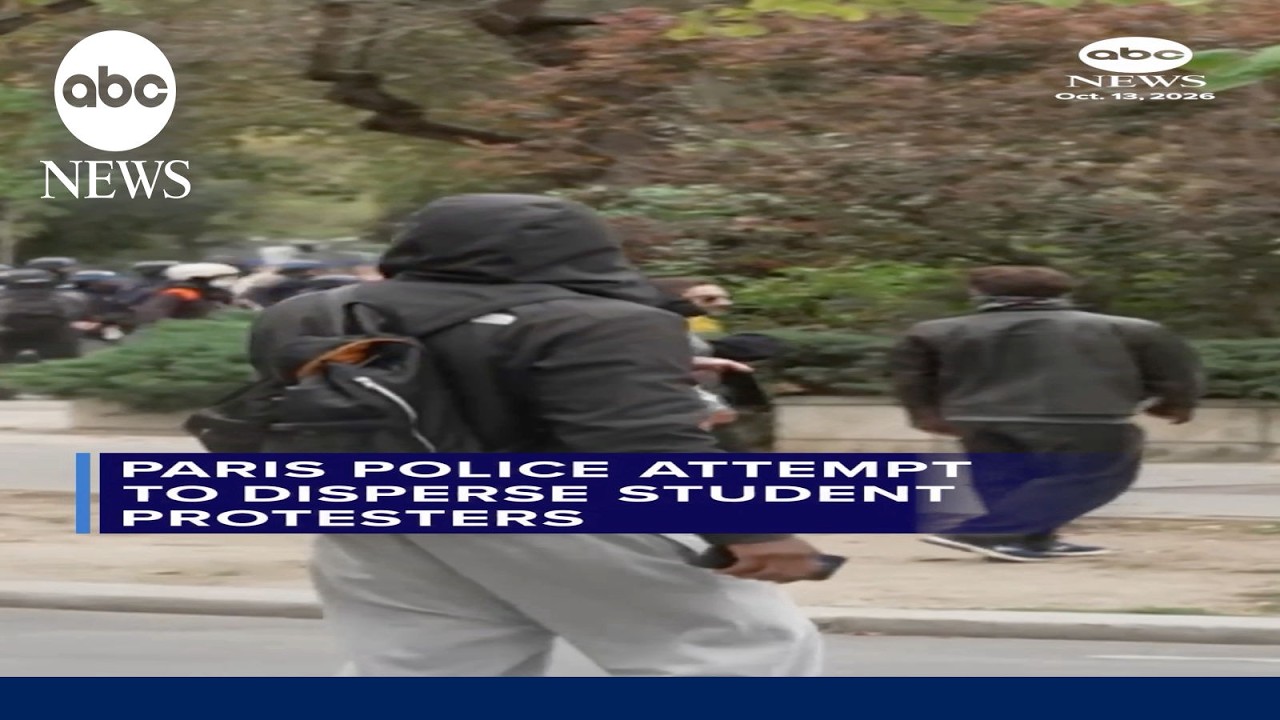
However, the coverage still prioritizes the symptoms of the collapse over its root causes. The report emphasizes the number of arrests and injuries to police and staff, framing the event as a transition from a funding dispute to urban violence. This pattern suggests that while the scale of the educational failure is now quantified, the narrative remains centered on the resulting disorder rather than the policy failures that made such disorder inevitable.
CNBC links student unrest to a 54 billion euro budget adjustment and EU deficit pressure
New coverage from 2 outlets
CNBC engages with the essential question by connecting the student protests to a specific fiscal catalyst. It reports that the government is attempting to pass a 2027 budget featuring a 54 billion euro fiscal adjustment, which includes public sector wage freezes. This reporting provides the economic context for the institutional decay, framing the unrest as a collision between necessary austerity and systemic educational failure. By citing high debt-to-GDP ratios and EU pressure to reduce deficits, CNBC explains why the state is unable or unwilling to address the teacher shortages and facility deterioration that triggered the protests.
In contrast, The Guardian fails to engage with the root causes of the violence. It lists the protests as part of a broader collection of European volatility, grouping the unrest with fuel prices and political scandals in other countries. By treating the 'urban violence' as a symptom of general social instability rather than a result of specific policy failures, The Guardian omits the causal link between budget cuts and student grievances.
The Guardian reports student demands for funding amid crumbling infrastructure and overcrowded classrooms
New coverage from 1 outlets
The Guardian engages with the essential question by documenting the specific material failures that triggered the unrest. It reports that students are protesting overcrowded classrooms, crumbling infrastructure, and unbearable heat during exams, linking these conditions directly to the feeling of being unheard and desperate. This reporting moves the narrative away from the broader fiscal adjustment and back to the organic decay of the educational environment.
However, the report also introduces external political elements, noting that some protesters are expressing opposition to Marine Le Pen and support for Gaza. By listing these alongside educational grievances, The Guardian risks blurring the line between systemic institutional failure and broader ideological mobilization. This pattern suggests a tendency to treat the unrest as a general expression of youth frustration rather than a targeted response to specific policy failures.
The Nation reports a 15 percent real-term decline in higher education funding per student
New coverage from 2 outlets
The Nation engages with the essential question by providing a quantitative basis for the institutional decay. It cites a 2024 study by Piketty and Chancel showing a nearly 15 percent real-term decline in the annual budget for higher education per student between 2017 and 2023. This reporting moves the conversation from general grievances about crumbling buildings to a documented systemic withdrawal of state funding. By contrasting this decline with military spending, The Nation frames the unrest as a direct result of a state that has abandoned its republican promise of equality.
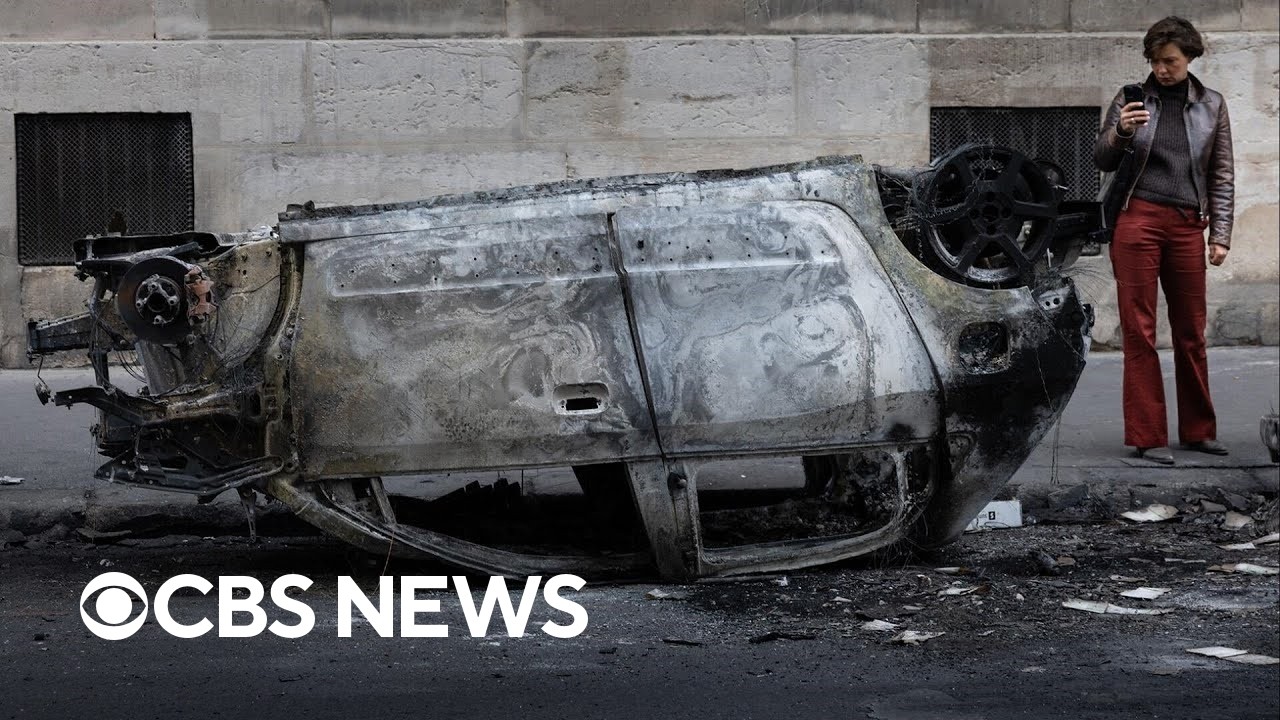
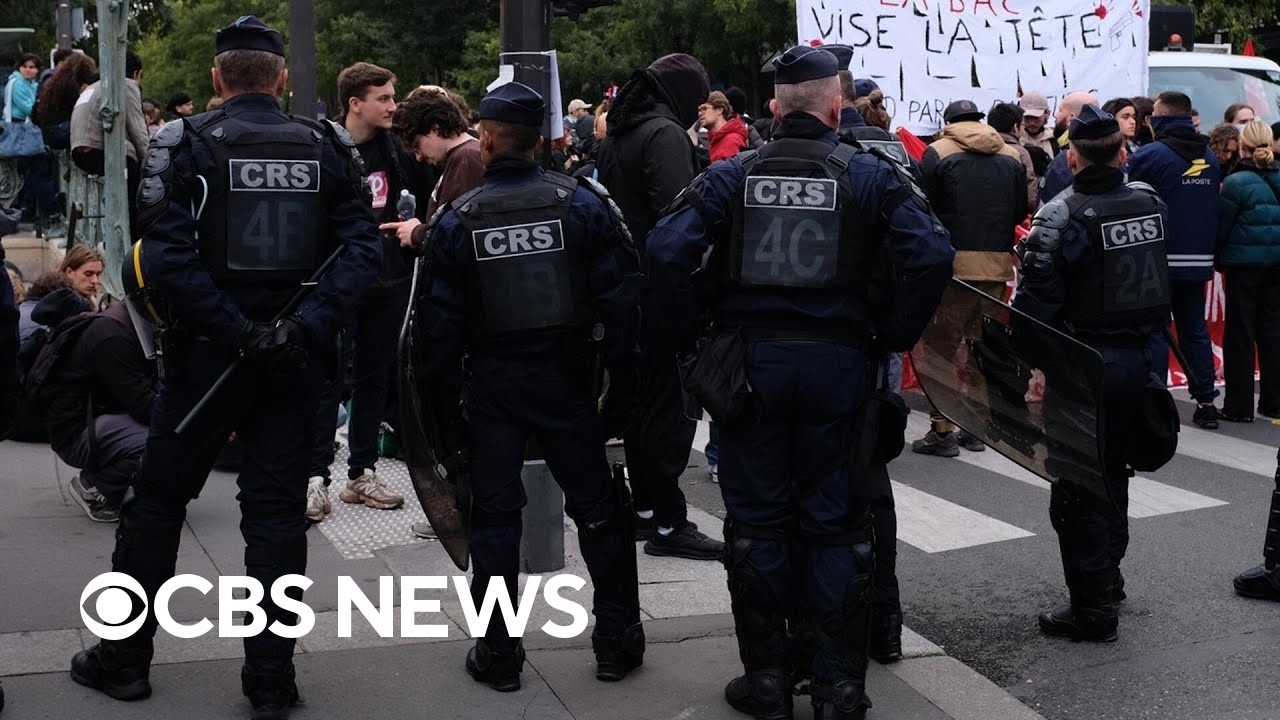
CBS News focuses on the political instrumentalization of the crisis. It reports that the government has accused the hard-left party France Unbowed (LFI) of orchestrating the unrest, while the Justice Minister has sought to hold parents financially liable for damages. While CBS News documents the scale of the disruption—over 560 educational establishments affected—it prioritizes the conflict between the administration and political fringe groups. This approach highlights the symptoms of political friction but omits the specific fiscal data necessary to determine if the violence is an organic result of systemic collapse.
Reports confirm nearly 5,000 arrests and accusations of far-left manipulation of student riots
New coverage from 2 outlets
These reports document a sharp escalation in the scale of the unrest, with Newsweek reporting nearly 5,000 arrests and over 600 injured police officers. This quantitative surge moves the narrative from a dispute over educational resources to a crisis of state security. Newsweek engages with the essential question by contrasting the legitimate origins of the movement—citing reports of rats and cockroaches in schools—with the current dominance of violence from fringe groups.
Breitbart ignores the systemic decay of the education system to frame the events as calculated urban warfare. It focuses exclusively on the role of La France Insoumise, reporting that the party is manipulating students to incite violence. By highlighting specific attacks, such as the dousing of staff with gasoline, Breitbart treats the violence not as a symptom of institutional failure, but as a tool for political destabilization. This approach omits the material grievances that triggered the protests, focusing instead on the identity of the alleged agitators.