The collision between systemic educational decay and state security
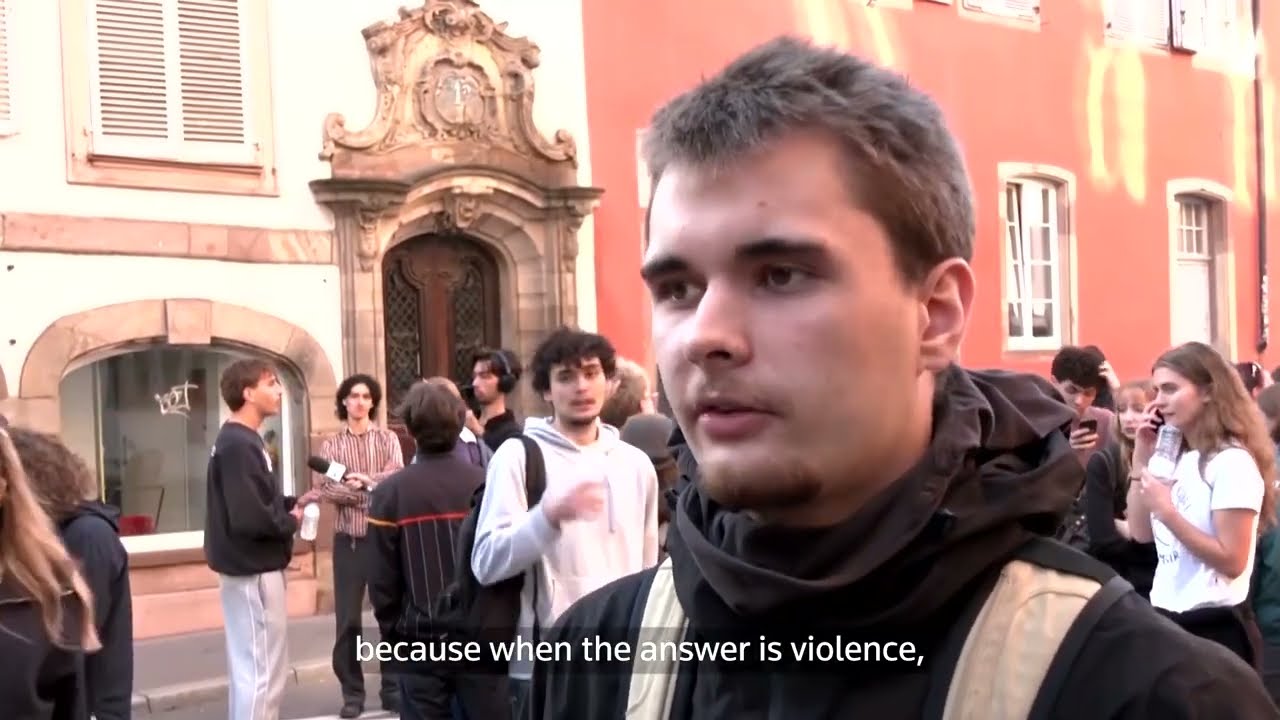
The core of this conflict is whether the state views the demand for basic educational infrastructure as a legitimate grievance or a threat to public order. Students are protesting staff shortages, overcrowded classrooms, and dilapidated buildings. These are structural failures in the provision of public goods.
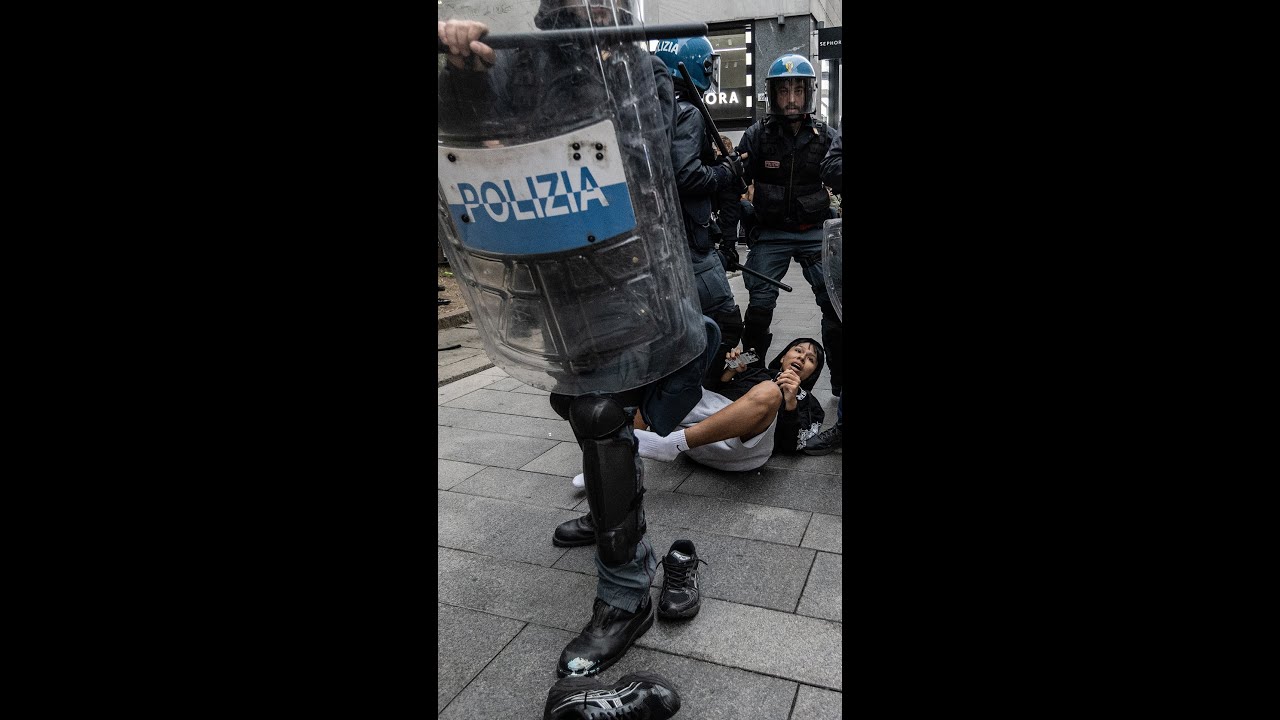
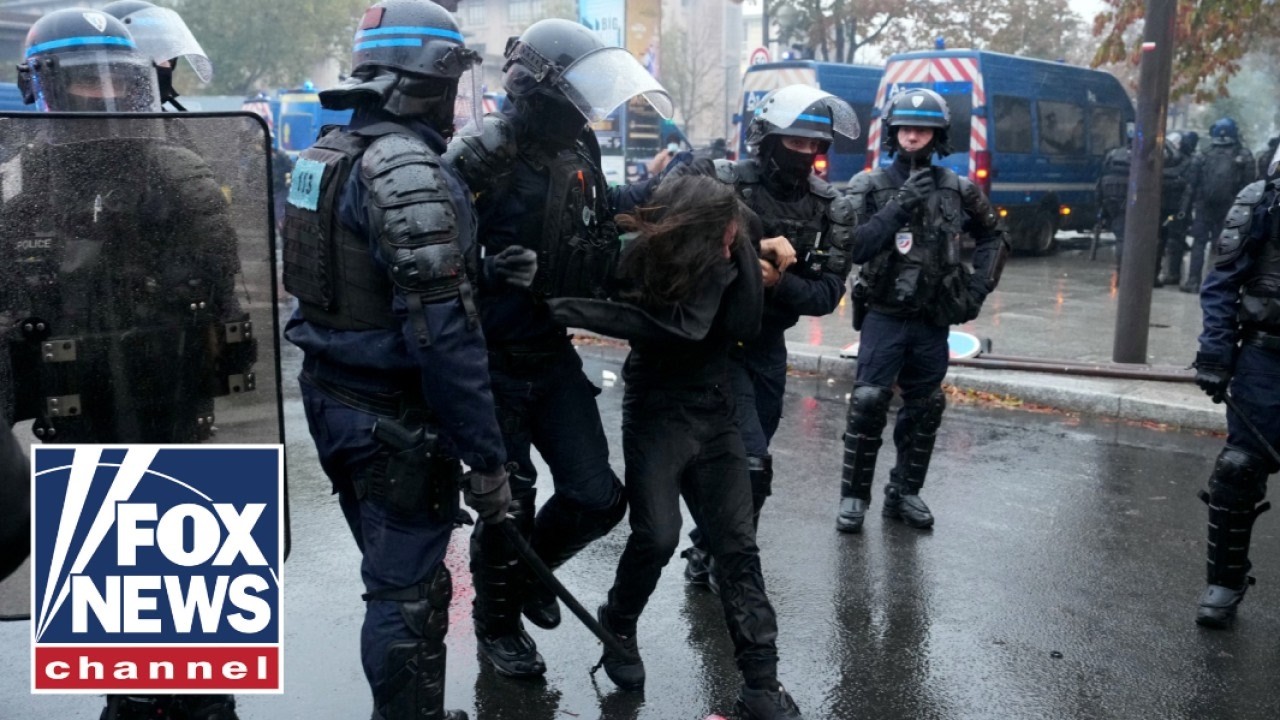
When the state responds to such failures with aggressive policing, the focus shifts from the quality of education to the legality of the protest. The use of force against minors transforms a budgetary and administrative dispute into a human rights issue. This pattern often occurs when power holders prioritize the appearance of stability over the costly process of institutional repair.
Focus on the violence of the clash over the cause of the unrest
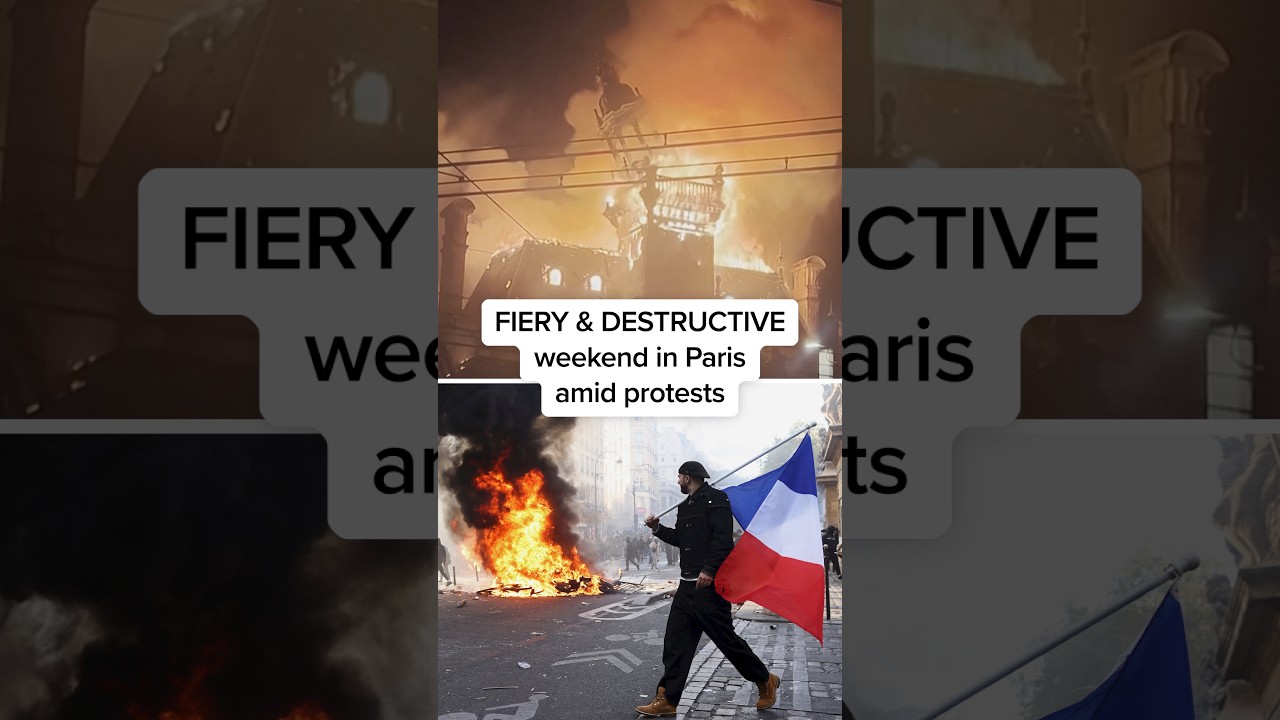
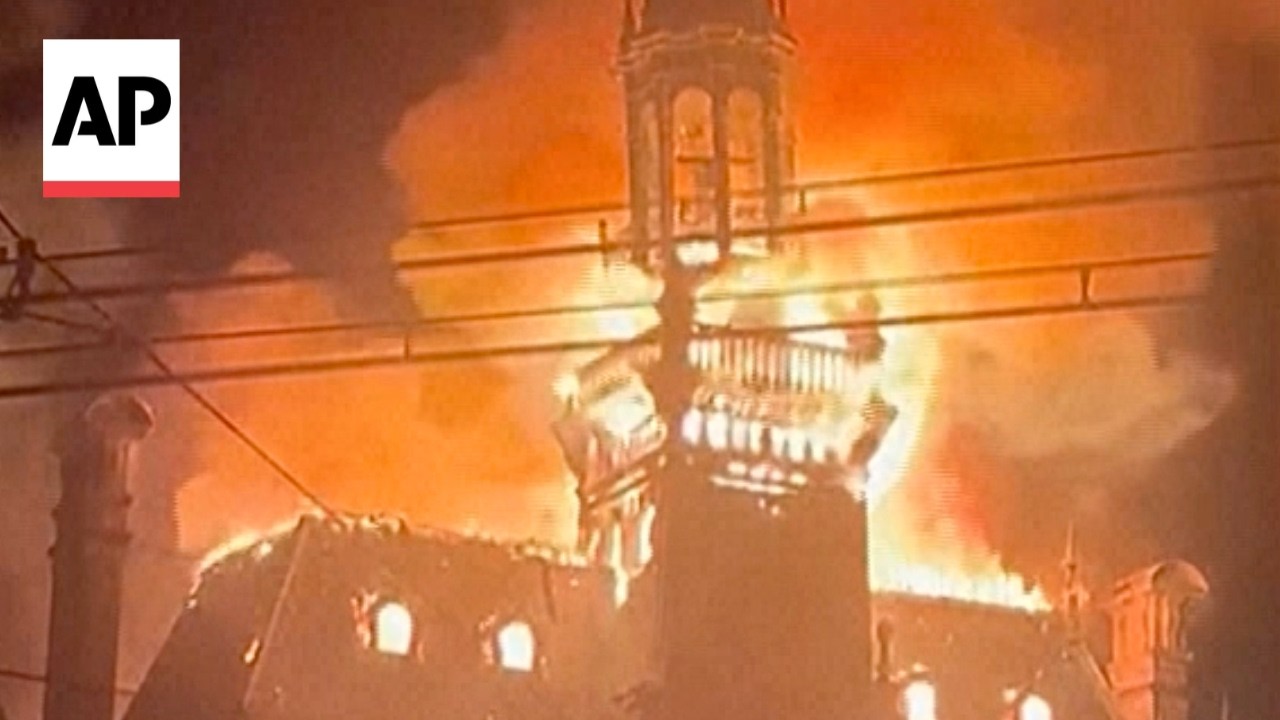
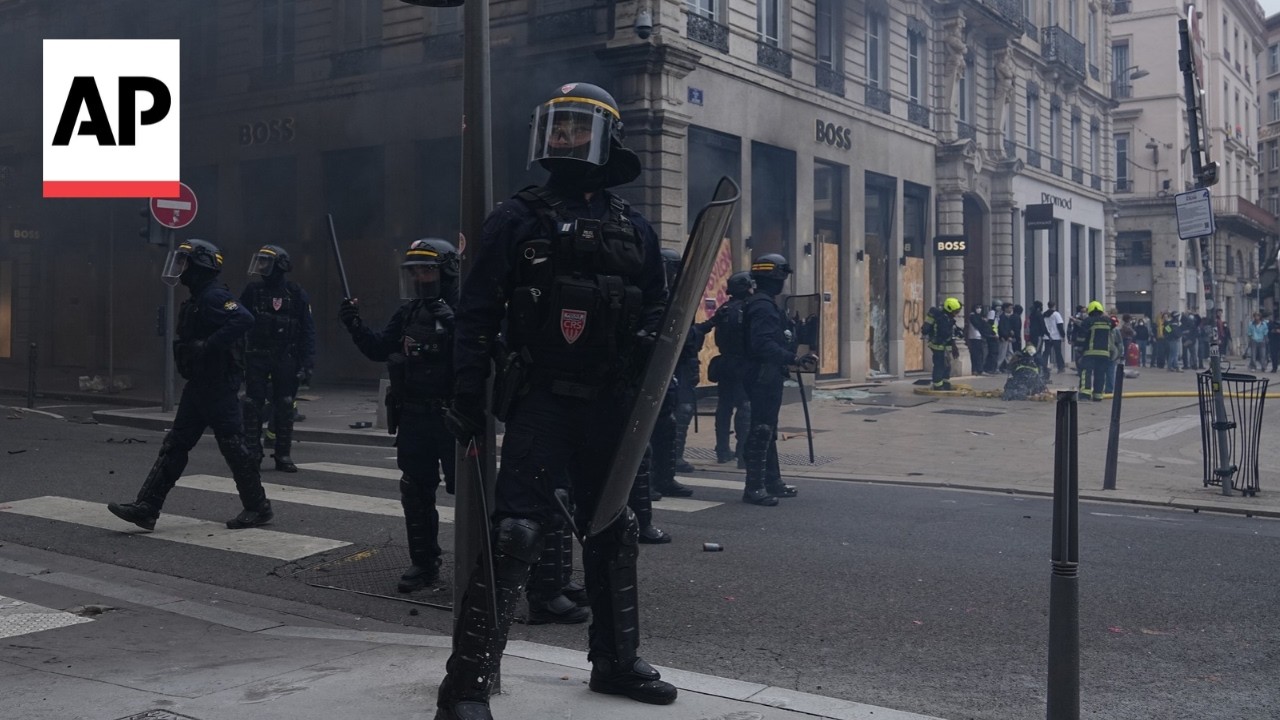
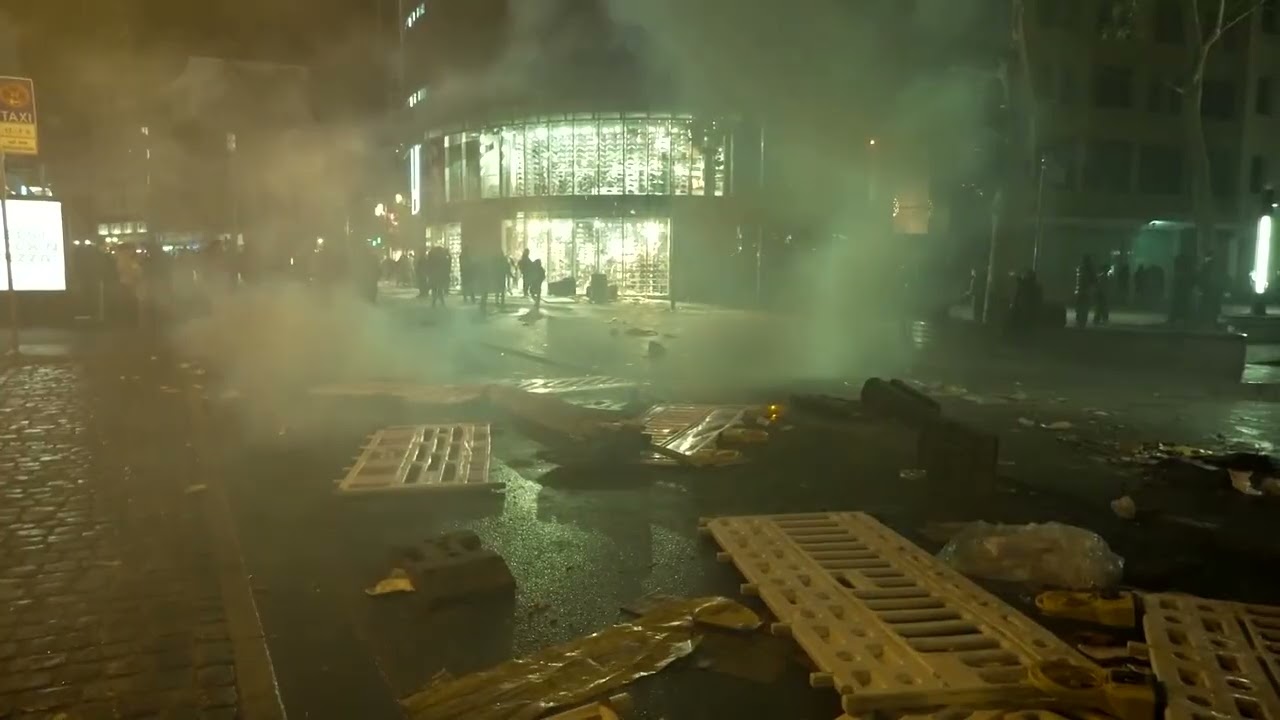
Most outlets focused on the scale of the protests and the resulting violence. TIME and PBS provided critical details by reporting that a 15-year-old lost his hand to a police grenade, grounding the abstract concept of 'clashes' in a concrete tragedy. These reports engaged with the essential question by contrasting the students' grievances with the severity of the state's response.
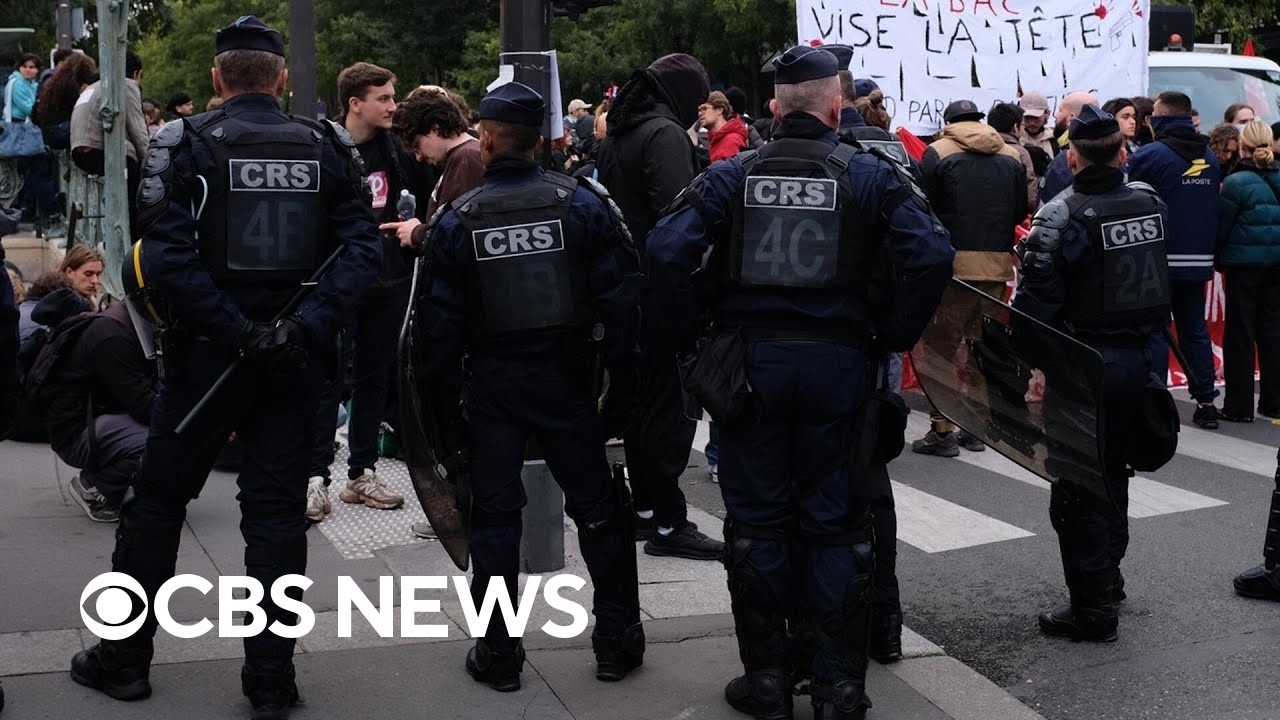
In contrast, the second PBS report and Washington Post shifted the frame toward political timing and government condemnation. They highlighted the upcoming election or the government's financial management, treating the student movement as a symptom of broader political instability rather than a specific failure of the education system. CBS News failed to provide any substantive reporting. While the scale of 6,100 arrests was noted by PBS, the coverage largely remains divided between documenting the chaos and analyzing the political fallout, leaving the actual state of the classrooms as a secondary detail.
The Guardian reports a 14-year-old lost most of his teeth to police munitions
New coverage from 3 outlets
The evidence of state violence has deepened from general reports of clashes to specific medical casualties. The Guardian provided a critical detail by reporting that a 14-year-old lost most of his teeth to police munitions, alongside the previously noted case of a 15-year-old losing a hand. By documenting these specific injuries to minors, The Guardian engaged with the essential question of whether the state's response is proportionate to the students' demands for basic infrastructure.
Other reports shifted the focus toward external drivers of the unrest. PBS and Fox News highlighted claims that the movement was hijacked by outside groups, with Fox News specifically framing the protests as an uprising driven by far-leftists and Islamists. While Fox News mentioned rat infestations and rundown facilities, these systemic failures were treated as a backdrop to a narrative of political orchestration. This pattern moves the focus away from the state's failure to provide public goods and toward the perceived identity of the protesters.
Business Insider reports government proposals for teacher absences and building conditions
New coverage from 2 outlets
The focus of coverage has expanded from the violence of the clashes to the state's administrative response. Business Insider reported that the government announced five specific projects to address teacher absences, building conditions, scheduling, university orientation, and student councils. This shift introduces a concrete attempt at institutional repair, moving the narrative beyond the binary of protest and policing.
NPR engaged with the essential question by linking the state's reliance on aggressive policing to broader systemic failures under the current administration. By reporting that nearly 500 detentions occurred on a single Tuesday, NPR grounded the scale of the state's security response in a specific timeframe. While Business Insider noted the government's proposed reforms, it omitted the critical tension between these promises and the ongoing use of force against minors, treating the reforms as a resolution rather than a point of contention.
Fox News identifies a transnational network of 35 non-student organizations directing protests
New coverage from 3 outlets
Fox News provided a specific investigation claiming that the protests are being co-opted by a transnational network, asserting that only 15 of 50 involved groups are actual student or youth organizations. By identifying 35 adult-led unions and communist parties, including funding links to Neville Roy Singham, Fox News shifted the narrative from a grassroots demand for infrastructure to a coordinated ideological agenda. This reporting ignores the essential question of whether the state's response is proportionate to the students' grievances, treating the systemic failure of schools as a secondary detail to a broader political conspiracy.
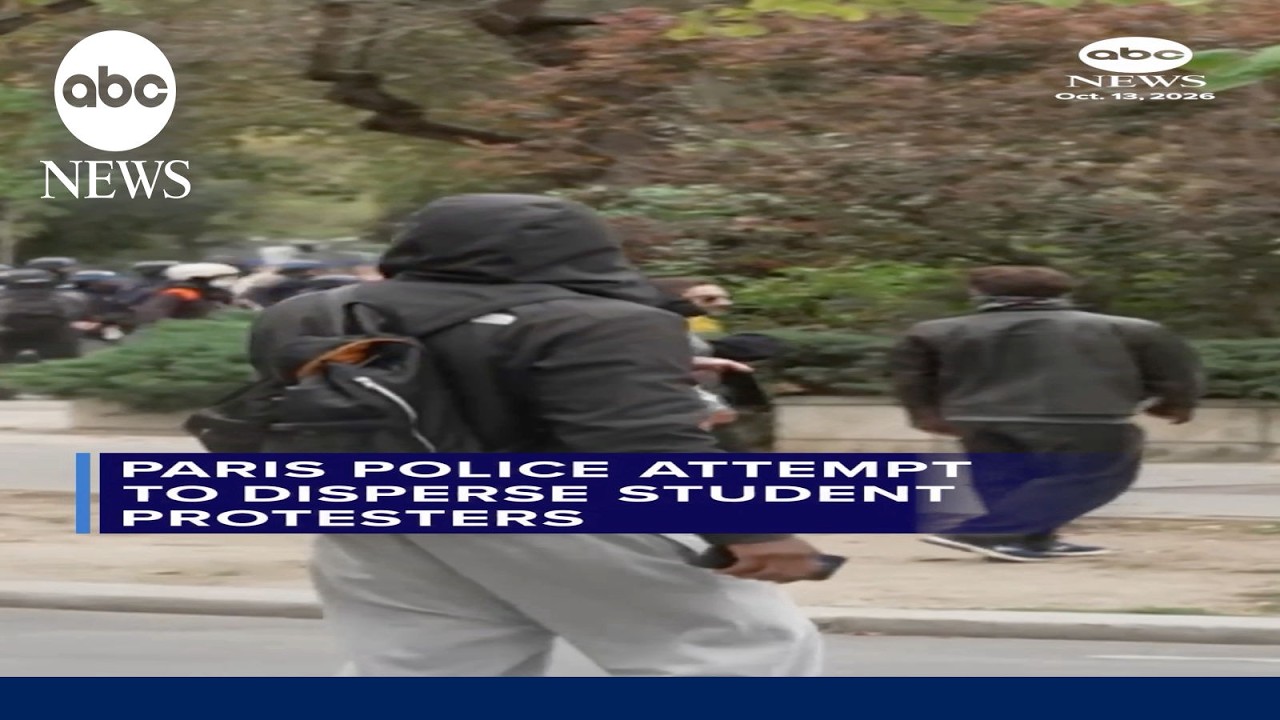
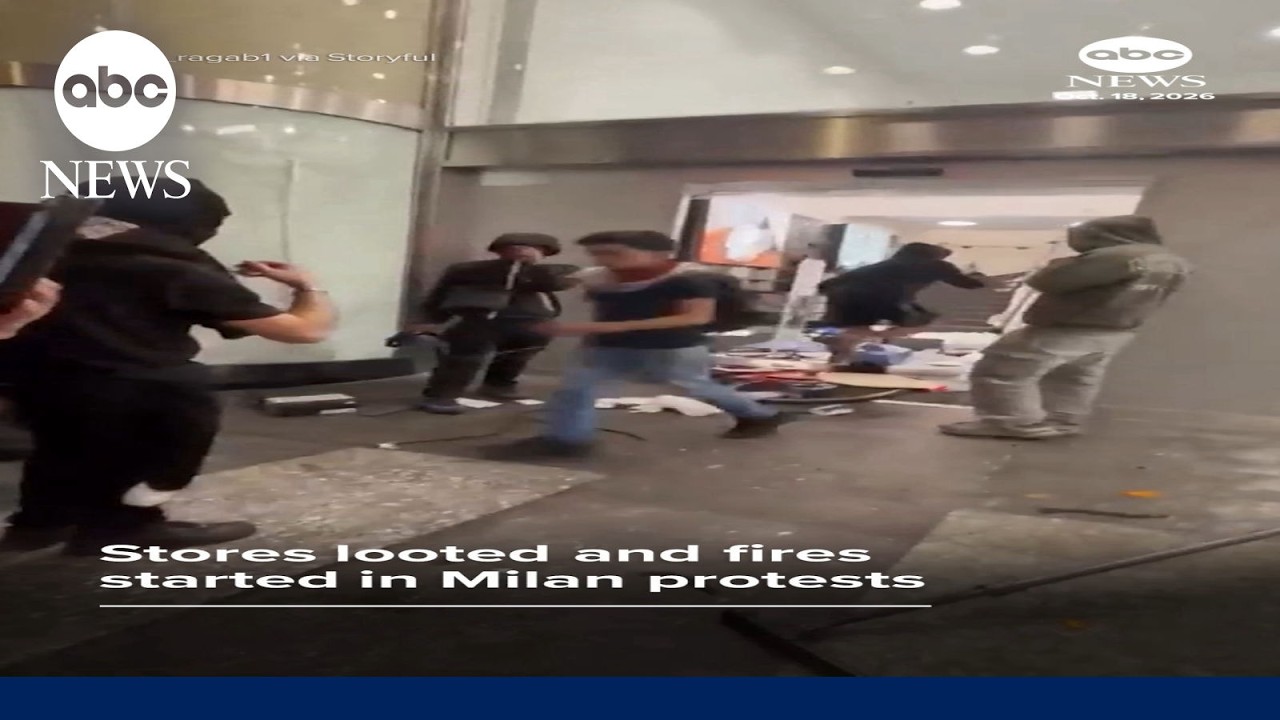
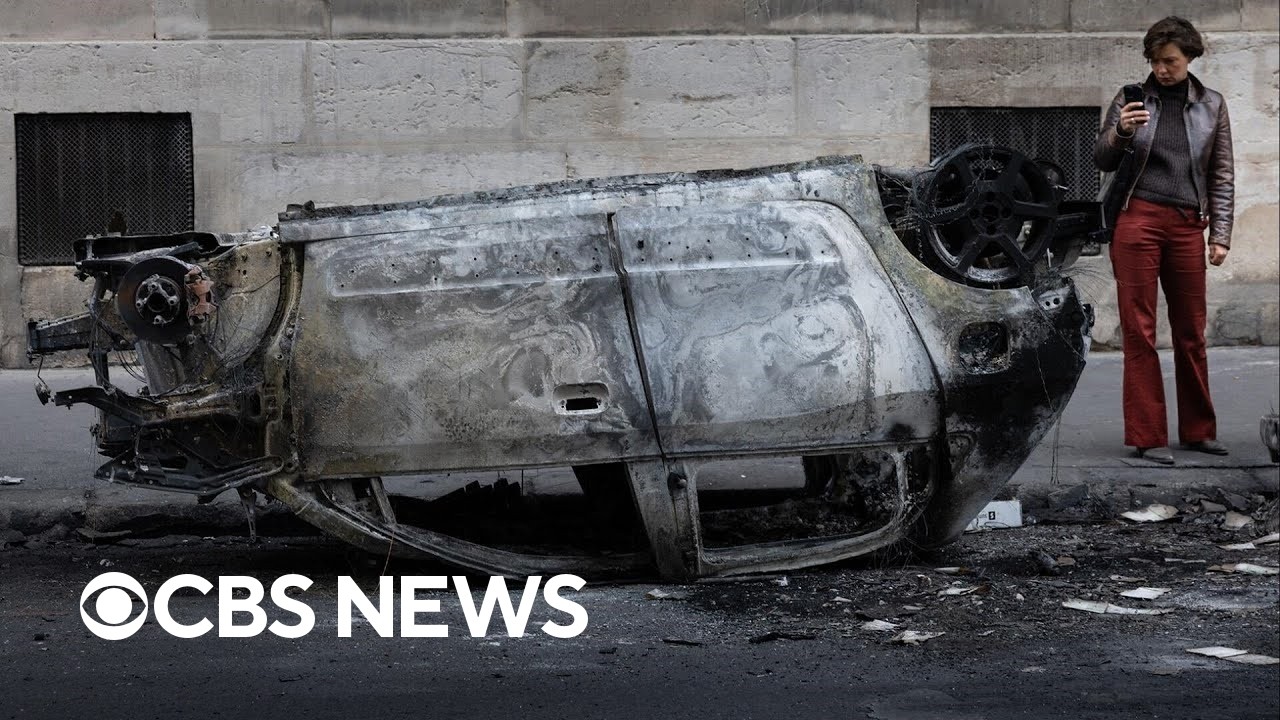
Other reports remained descriptive. ABC News and CBS News documented the scale of the unrest and the persistence of demands for school funding, citing issues like collapsing ceilings and rats. While CBS News noted the severity of police grenades and the lack of government concessions, these reports largely repeated established facts without introducing new evidence or engaging deeply with the structural causes of the conflict.