The conflict between educational rights and state control
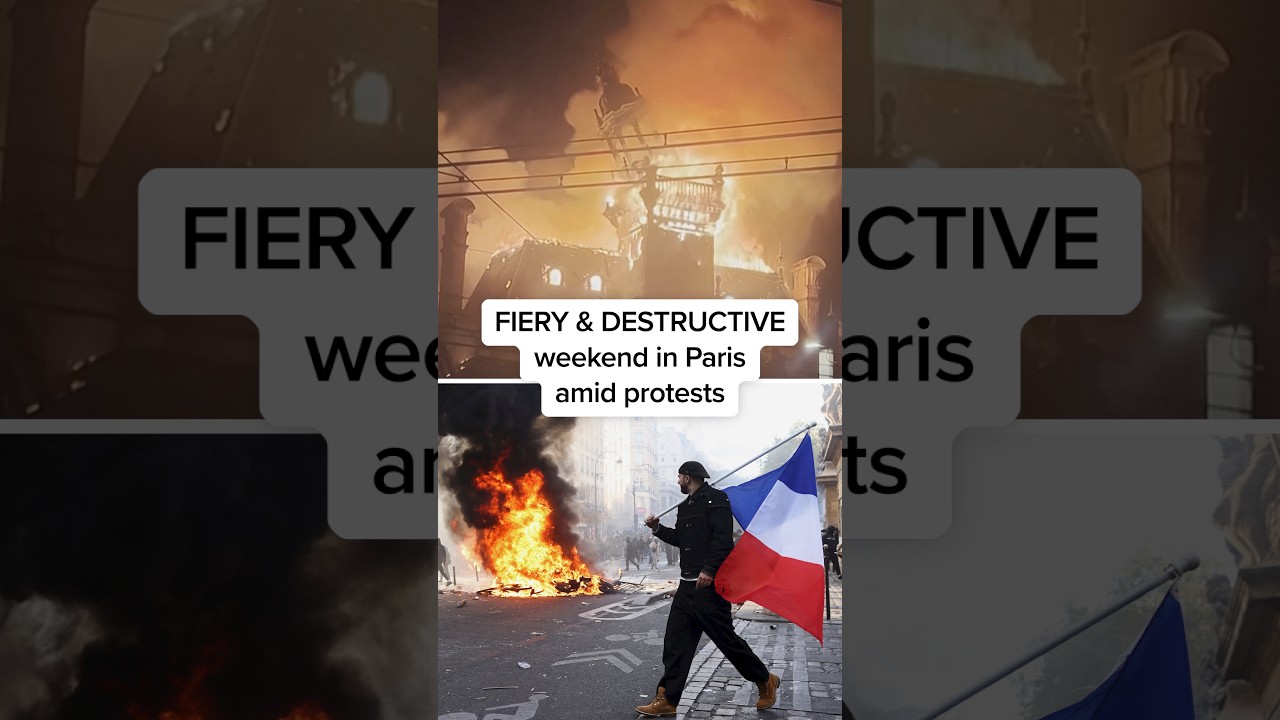
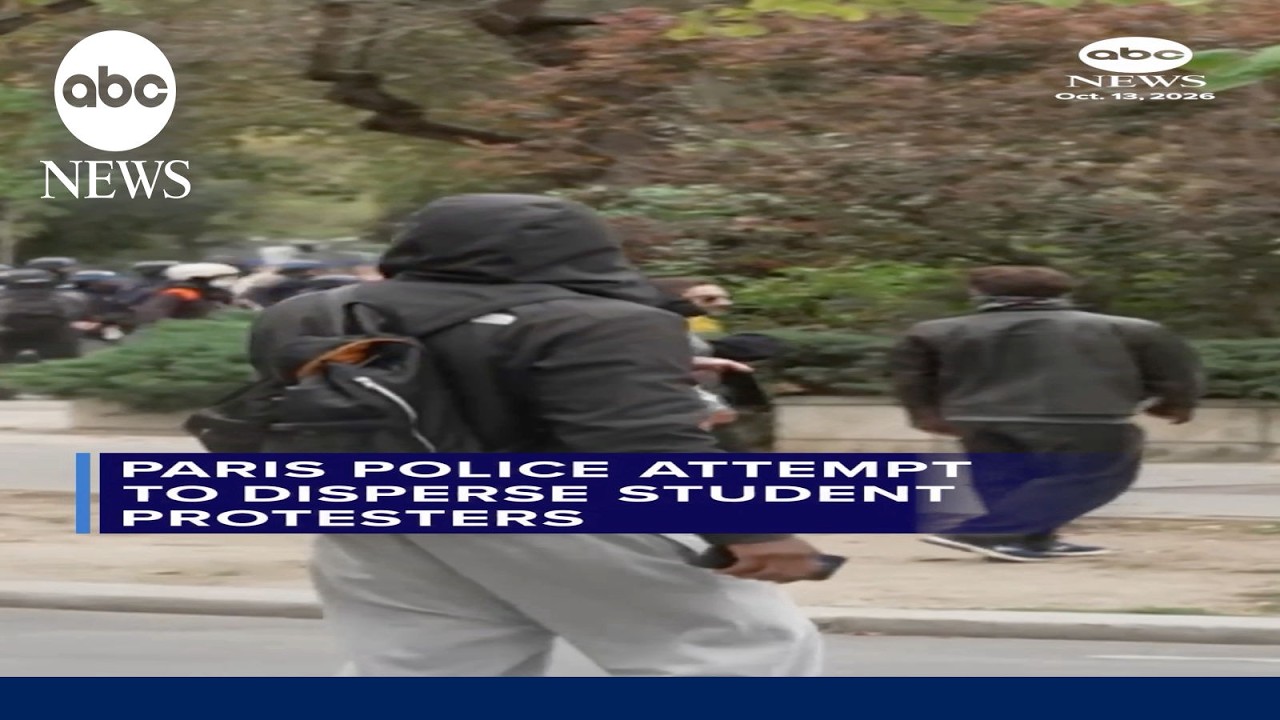
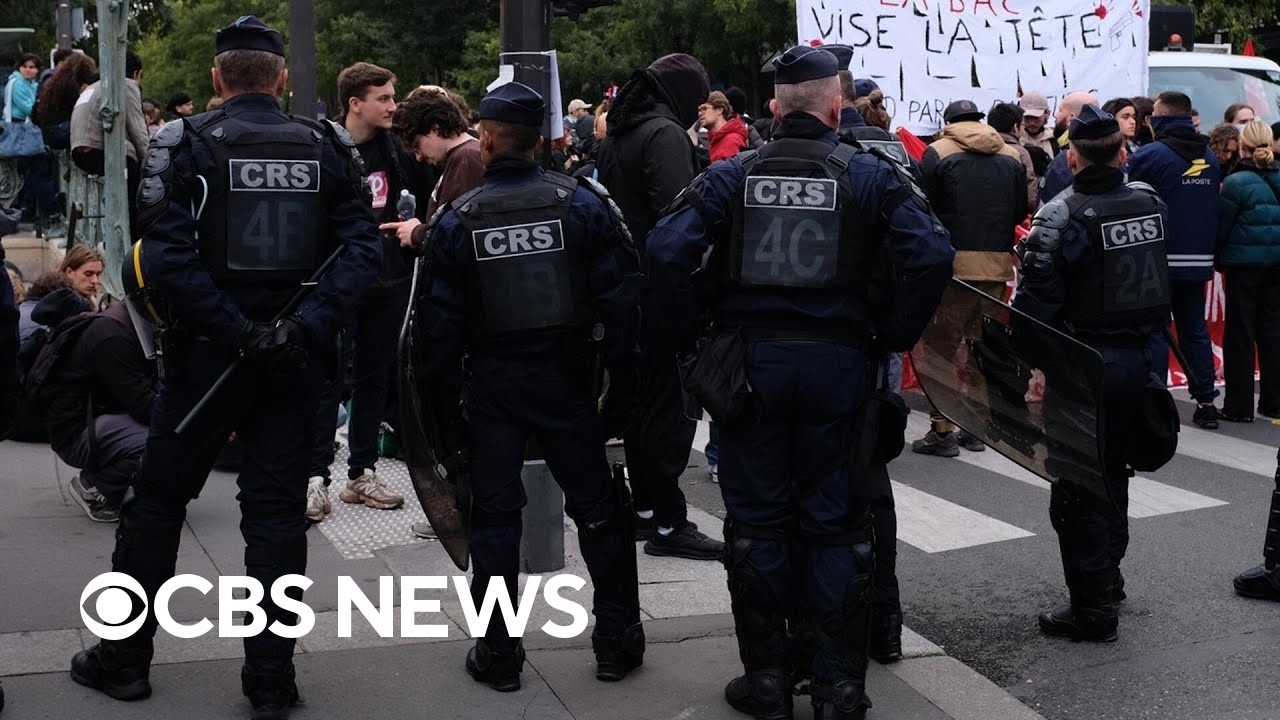
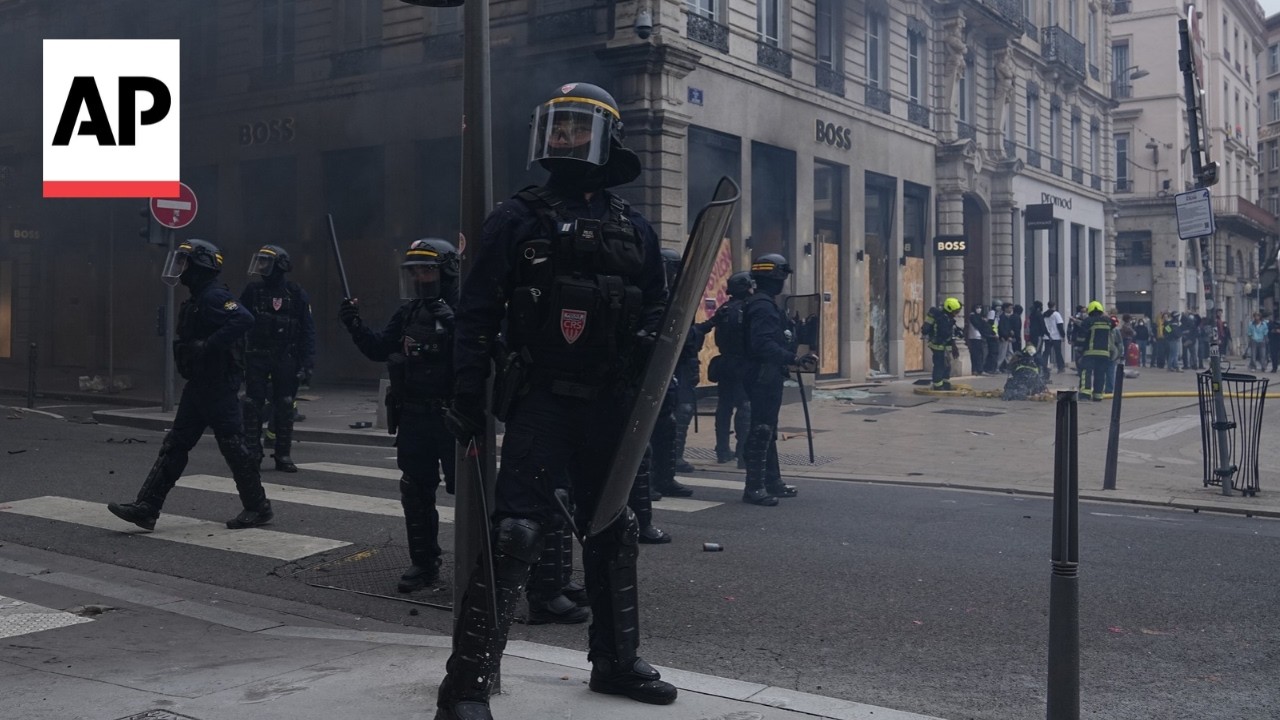
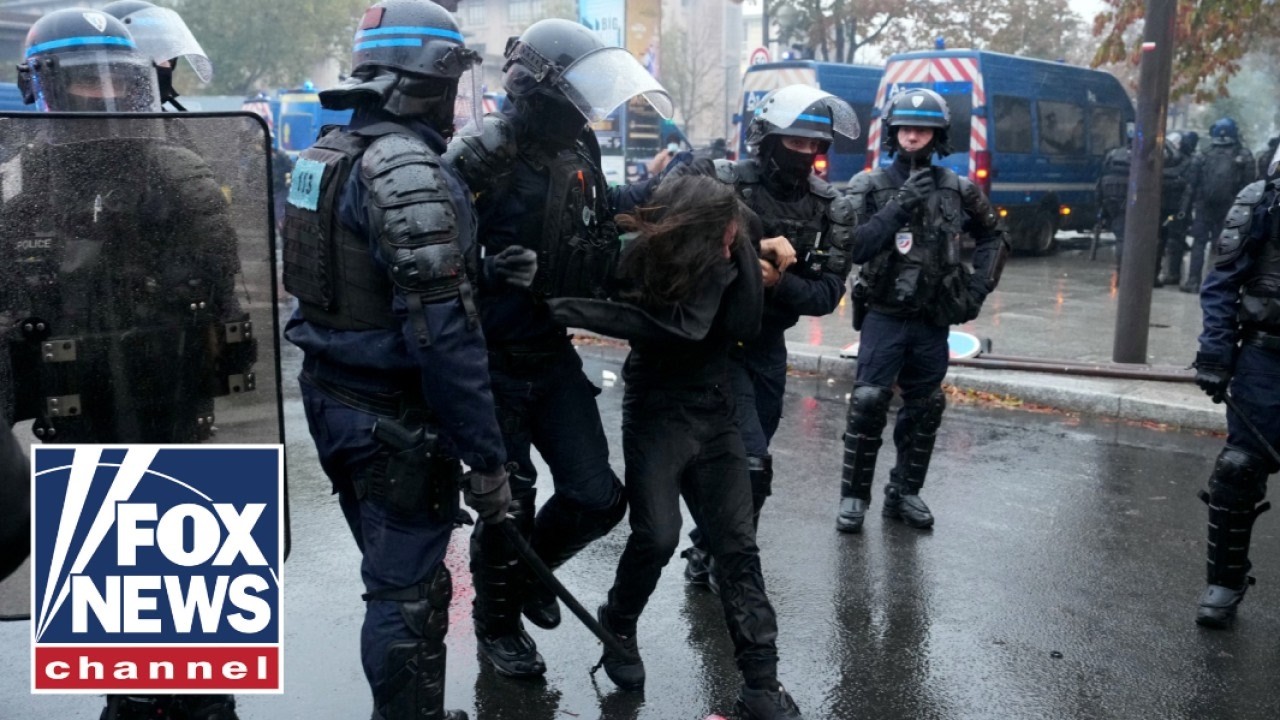
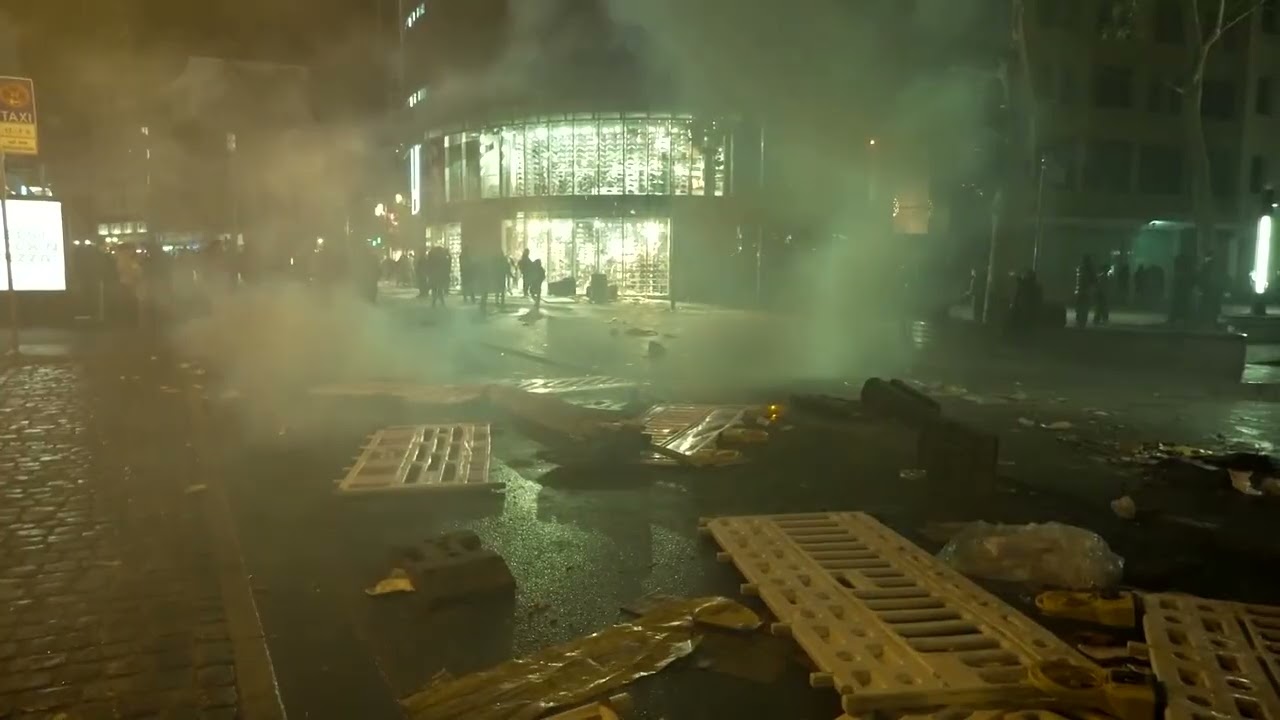
The core of this unrest is whether the state will address the physical and systemic collapse of the education system or continue to manage the symptoms through security forces. The demand for drinkable water and safe ceilings is a claim for basic human dignity in learning. When the state responds to these needs with mass arrests and munitions, it signals that maintaining order is a higher priority than the welfare of the youth.
This structure mirrors the May 1968 protests, where student-led demands for academic and social reform escalated into a national crisis that nearly collapsed the government. While that movement ended with significant societal shifts and electoral changes, the current unrest shares the same pattern of student grievances evolving into a broader challenge against state authority.
Divergent frames between systemic failure and public disorder
Coverage is split between analyzing the root causes of the unrest and focusing on the resulting chaos. The Guardian provides critical depth by reporting [★ 독자적 사실] that students are facing collapsing ceilings and mold, framing the police response as a symptom of a societal failure to value the younger generation. Business Insider complements this by identifying how the Parcoursup portal transforms academic selection into a tool for social selection, ignoring the systemic inequalities of rural schools.
In contrast, Breitbart ignores the infrastructure crisis and frames the movement as a violent revolt fueled by far-left interests. TIME treats the event as a historical recurrence, focusing on the symbolic legitimacy derived from past revolutionary traditions. While most outlets address the symptoms of the protest, only The Guardian and Business Insider engage with the essential question of whether the state is failing to provide the basic requirements for education.
Al Jazeera reports France's education spending as 5.1% of GDP despite systemic staffing shortages
New coverage from 1 outlets
Al Jazeera deepens the analysis of systemic underfunding by providing concrete data on state priorities. The report notes that while France spends 5.1% of its GDP on education, placing it above the EU average, this investment has not prevented overcrowded classrooms and a shortage of qualified teachers.
By contrasting this with the 11.9% of GDP allocated to healthcare, Al Jazeera engages with the essential question of whether the state views educational rights as a priority. The coverage reveals that the crisis is not a simple lack of funds, but a failure of allocation that leaves infrastructure dilapidated despite nominal spending levels. This shifts the narrative from a description of decay to a critique of the state's fiscal choices.
BBC reports government promise of 3,000 supply teachers amid rising political polarization
New coverage from 1 outlets
BBC expands the scope of the unrest by reporting that the government has promised 3,000 extra supply teachers and a future response plan. While this provides a concrete administrative update, the coverage shifts away from the essential question of basic educational rights. Instead, it frames the crisis as a symptom of a polarized nation where hard-right and hard-left politicians seek to capitalize on the unrest for the 2027 presidential election.
By centering the narrative on the national debt crisis and electoral strategy, BBC treats the students' grievances as an accelerant for political instability rather than a standalone claim for dignity. This approach omits the structural analysis of funding allocation seen in previous reports, focusing instead on the difficulty of wholesale reform within a constrained budget. The focus moves from the classroom's physical collapse to the state's political survival.
Fox News reports that high per-student spending is diverted to salaries and pensions rather than infrastructure
New coverage from 1 outlets
Fox News reports [★ 독자적 사실] that while France spends more per student than the OECD average, these funds are primarily directed toward salaries and pensions rather than facility investment. This finding adds a new layer to the essential question of educational rights by suggesting the crisis is not merely a lack of funds, but a structural rigidity in how those funds are locked into legacy costs.
However, Fox News misses the essential question of whether the state is failing to provide basic dignity in learning. Instead, it frames the unrest as a tool for political exploitation, highlighting how far-left movements and ideological activists use student grievances to create confrontation ahead of the 2027 elections. By centering the narrative on the collapse of the political center and the influence of La France Insoumise, the coverage treats the physical decay of schools as a secondary trigger for a broader existential crisis of the state.
Euronews reports potential convergence of student protests with cost-of-living crisis
New coverage from 2 outlets
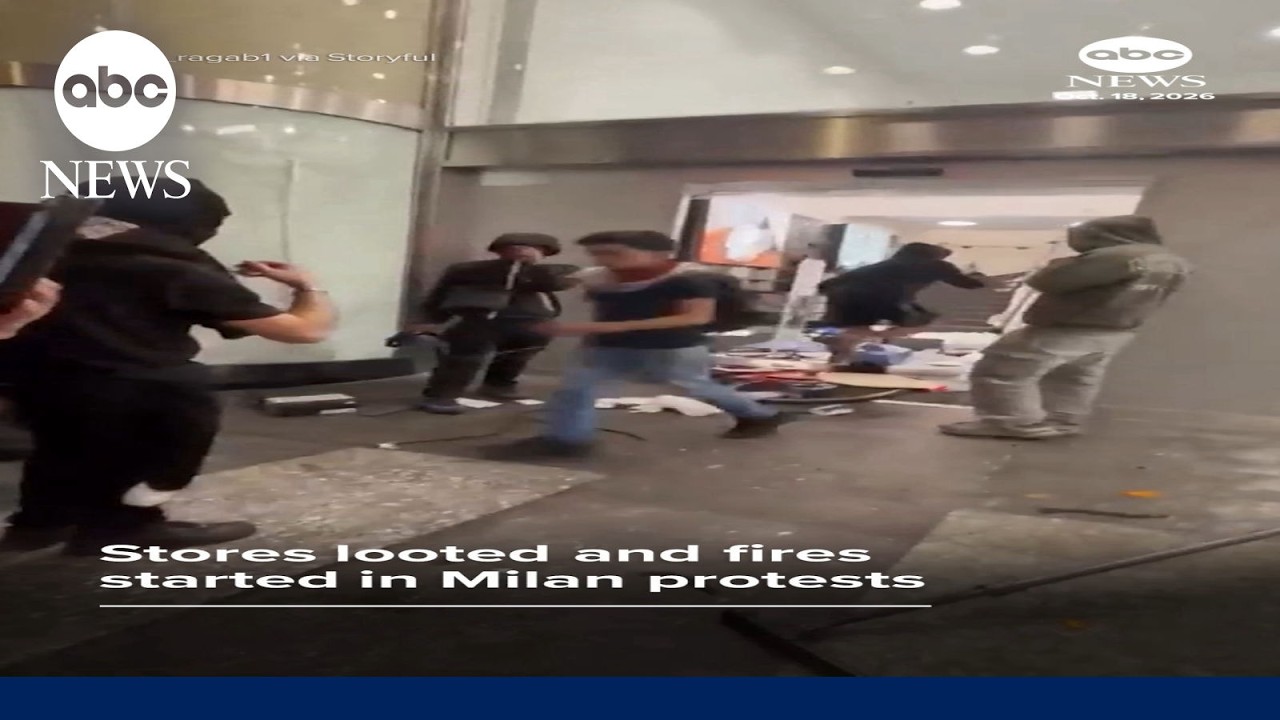
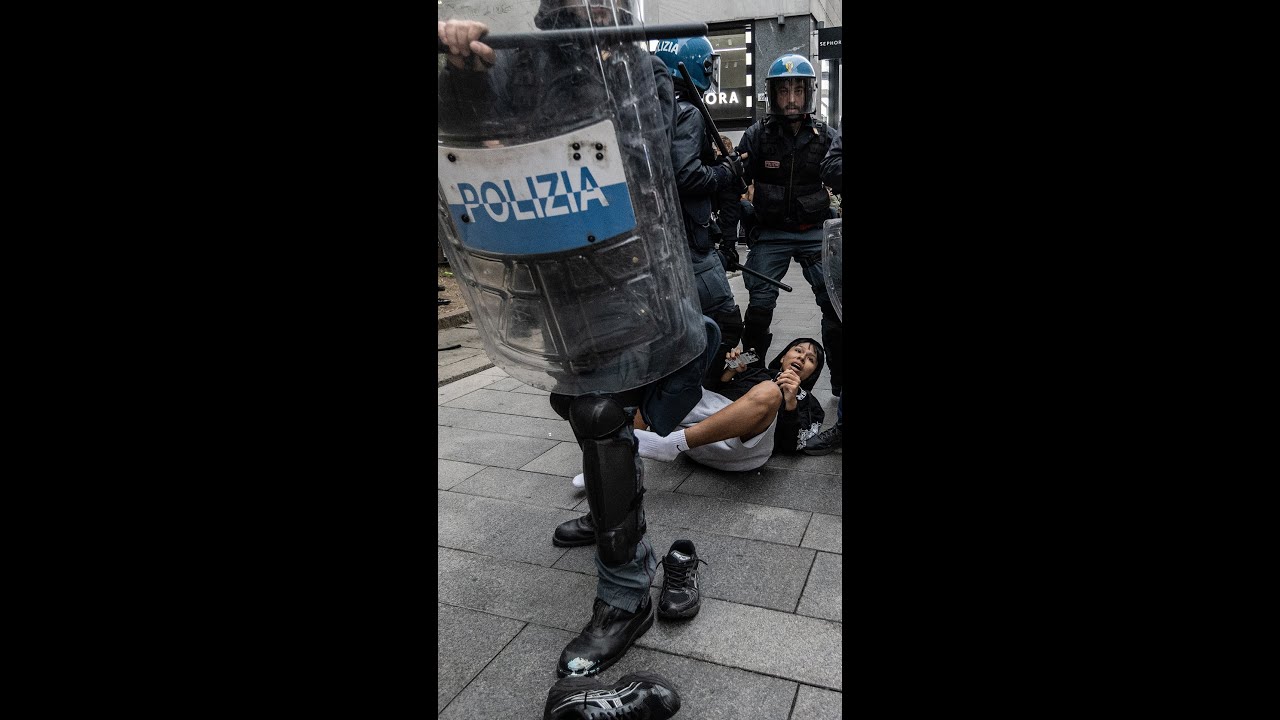
Euronews engages with the essential question by reporting [★ 독자적 사실] that student protests over overcrowded classrooms and outdated facilities are spreading to Belgium and Italy. By noting that these grievances may converge with upcoming demonstrations against the cost-of-living crisis, the coverage frames the educational collapse as a catalyst for a broader national social movement. This shifts the narrative from a debate over budget lines to a warning about systemic instability.
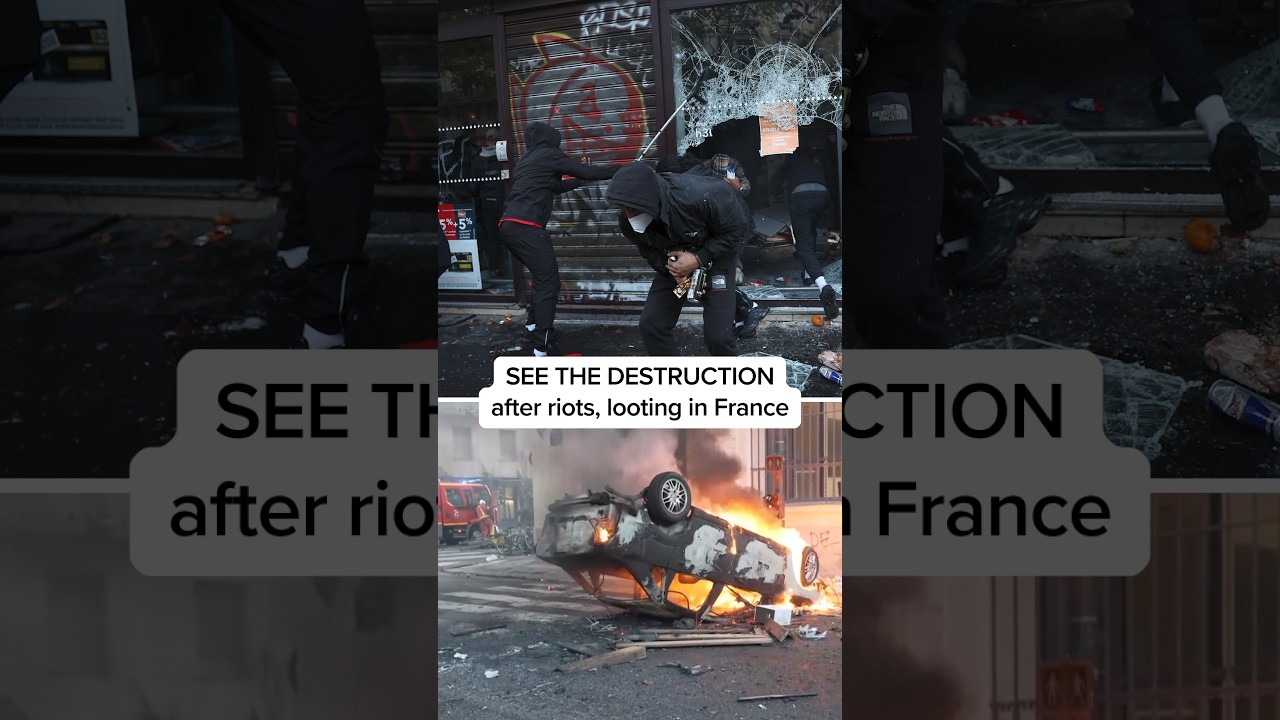
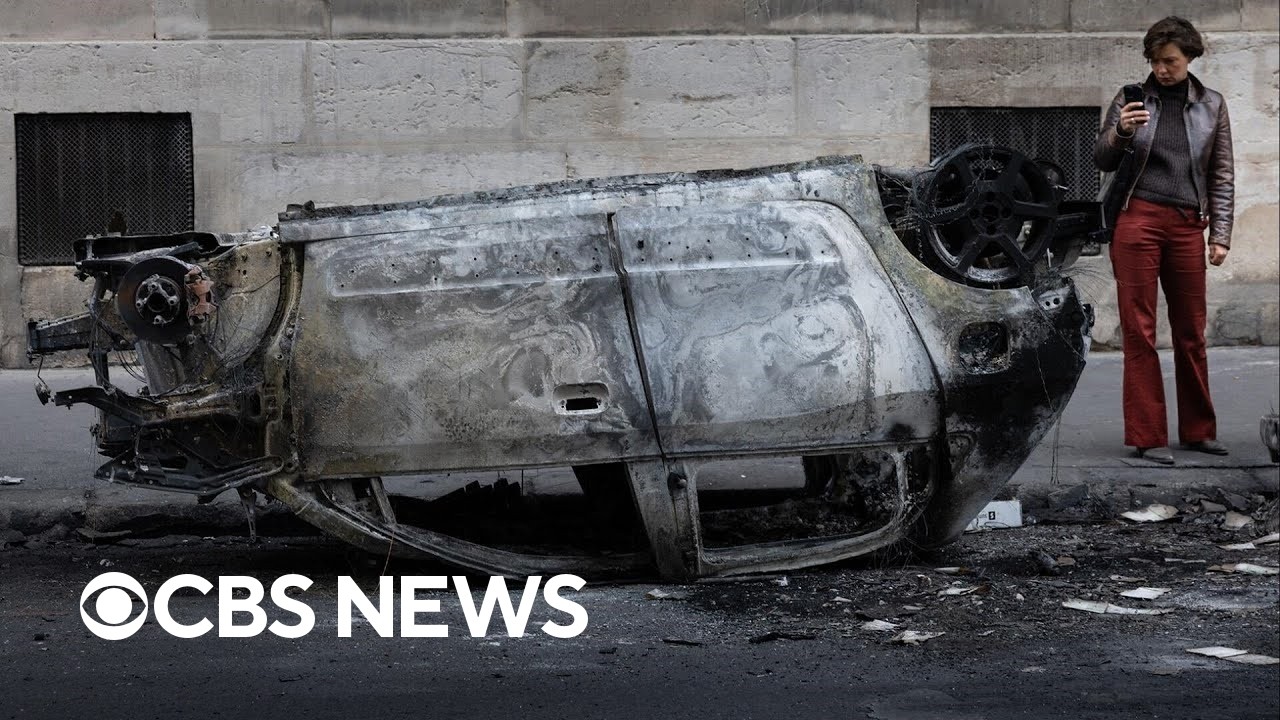
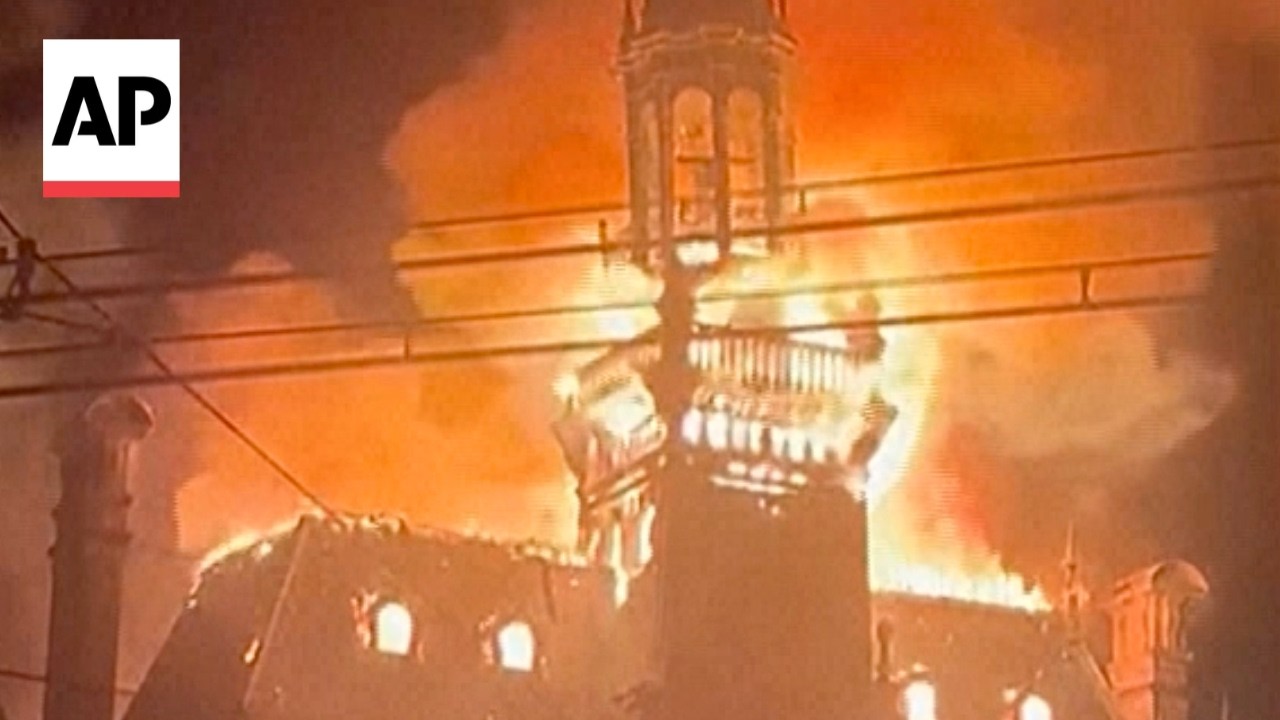
In contrast, Breitbart ignores the infrastructure crisis entirely to focus on the state's accounting of the unrest. It highlights that youth riots have cost 30 million euros and led to nearly 7,000 arrests. By centering the narrative on the financial cost of damage and the volume of detainees, Breitbart treats the event as a criminal matter of public order rather than a claim for educational dignity. The coverage omits the systemic failures of the school system, framing the unrest as a destructive wave driven by radical political actors.
Reason cites OECD data to attribute education decline to low school autonomy and excessive regulation
New coverage from 1 outlets
Reason shifts the narrative from a lack of resources to a failure of governance, arguing that the crisis is a product of an overly centralized system. By citing OECD data on low school autonomy and declining student performance despite high spending, the report suggests that the problem is not the amount of funding, but the rigidity of state control.
This coverage misses the essential question of whether the state is failing to provide basic dignity in learning. Instead, it frames the students' demands for more government support as the wrong solution, treating the unrest as a symptom of big government failure. The focus moves from the physical collapse of the classroom to a theoretical critique of regulatory excess.
salon.com reports on the weaponization of student protests by US right-wing media
New coverage from 1 outlets
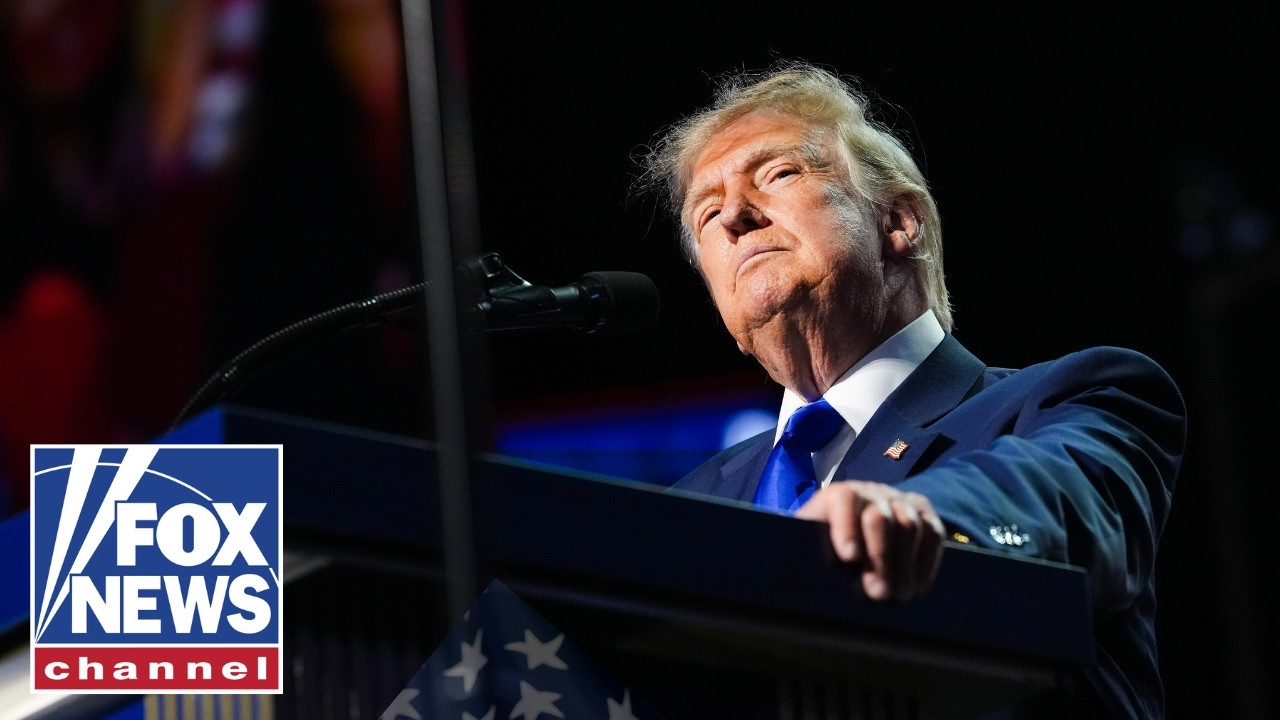
salon.com shifts the narrative from the physical state of classrooms to the external appropriation of the unrest. The report argues that the protests, rooted in systemic budget cuts and government failure, are being reframed by Donald Trump and Fox News as a cautionary tale about mass migration and Islamism. By highlighting the attempt to link student grievances to a 'Red-Green Alliance', salon.com identifies a pattern where the actual domestic causes of the unrest are erased to serve a domestic MAGA agenda.
This coverage engages with the essential question by reaffirming that the movement began with poor conditions at a Paris high school, contrasting this fact with the racist framing used by external actors. While previous reports analyzed whether the French state was failing its youth, this round of coverage examines how those failures are being misrepresented as security threats by foreign political interests. The focus moves from the internal collapse of the education system to the global circulation of a distorted narrative.