The strategic shift toward civilian hubs
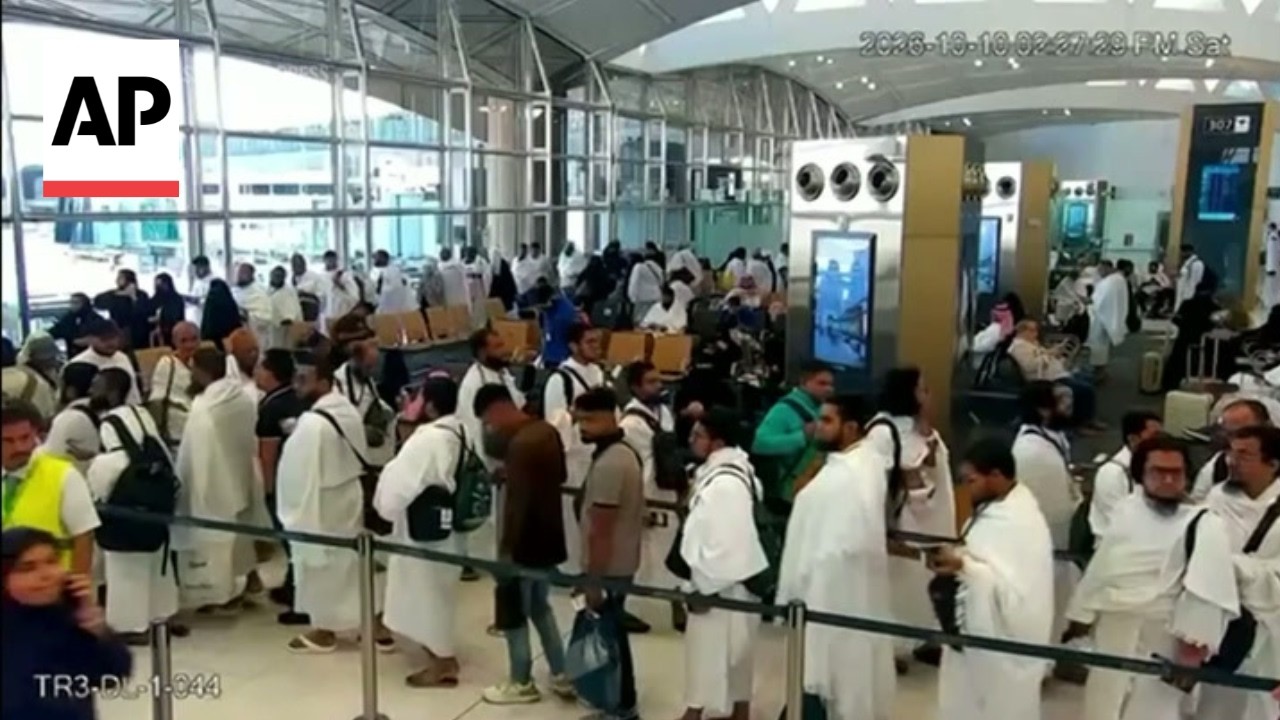
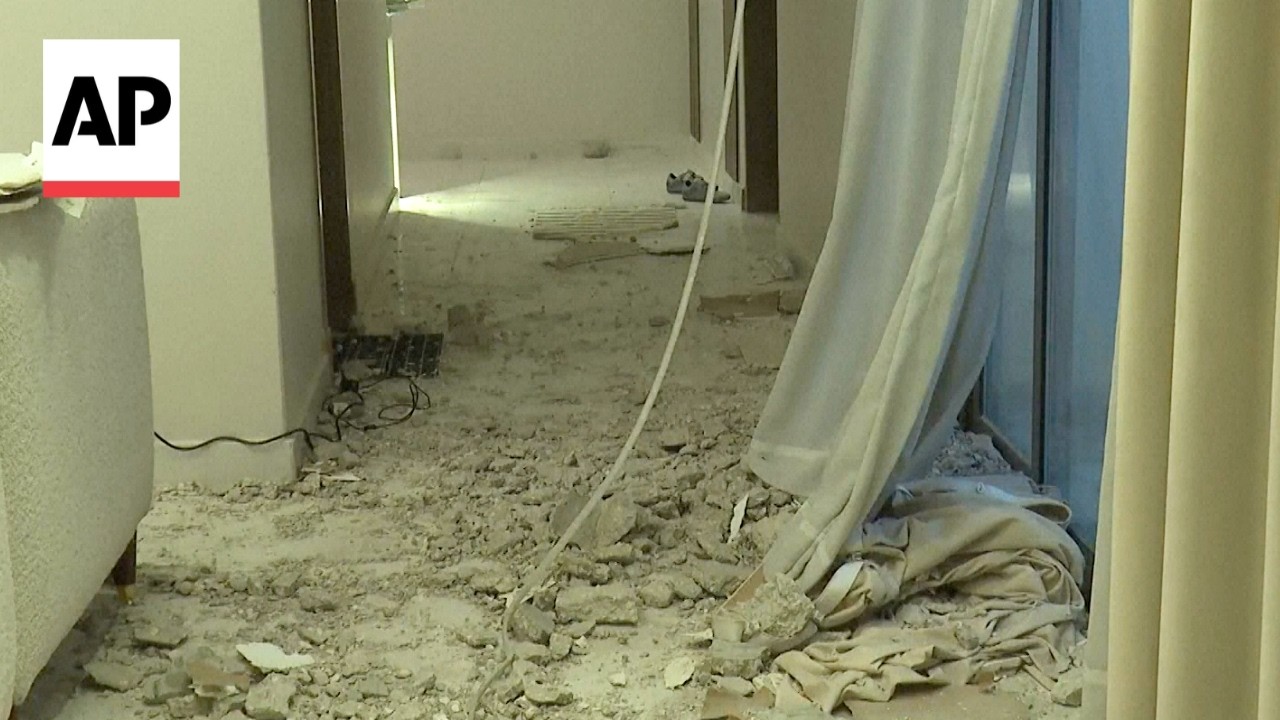
The core issue is whether the attack on a passenger terminal represents a transition from targeting military or industrial sites to targeting civilian mobility. Attacking an international airport disrupts the state's image of stability and creates immediate economic pressure through the suspension of global transit.
This pattern mirrors the Tanker War, where commercial shipping was targeted to exert political pressure on warring states. That conflict ended when international naval forces intervened to secure trade routes. The current situation shares the same logic of using commercial vulnerabilities to force a political concession.
Focus on immediate escalation and external intervention
The coverage focuses on the immediate security failure and the potential for military escalation. Mediaite and WSJ agree that the strike is part of a broader pattern of targeting infrastructure, with WSJ specifically highlighting the defense struggles of the Saudi state over recent weeks.
Newsweek diverges by shifting the focus toward the geopolitical response, noting that the U.S. may join strikes against the militants. While the outlets identify the perpetrator and the immediate damage, they largely omit the specific strategic intent behind choosing a passenger terminal over a military target. The reporting treats the event as a symptom of existing tension rather than analyzing the shift in the target's nature.
NY Post reports 12 deaths in the deadliest Gulf Arab country strike since February
New coverage from 1 outlets
The severity of the conflict has deepened with the confirmation of 12 fatalities, marking the deadliest attack in a Gulf Arab country since February. NY Post highlights the immediate operational paralysis caused by the strike, noting that nearly 300 flights were cancelled or diverted.
Despite the increase in casualties, the coverage continues to miss the essential question of why a passenger terminal was selected as a target. NY Post treats the deaths as evidence of Iranian-backed terrorism and a trigger for U.S. intervention, but it does not analyze the strategic intent behind targeting civilian mobility specifically. The reporting focuses on the scale of the tragedy and the retaliatory claims of the Houthis rather than the shift in the nature of the targets.
NPR reveals Saudi Arabia's shortage of missile interceptors and requests for foreign air defense support
New coverage from 7 outlets
The security crisis has deepened with the revelation that Saudi Arabia is running low on missile interceptors. NPR provides the specific detail that the state has requested urgent air defense support from France, Britain, Pakistan, and Egypt. This concrete vulnerability explains why the attack on a civilian hub creates such acute political pressure, as the state's inability to protect its own airspace becomes a public liability.
Most outlets continue to ignore the strategic intent behind targeting civilian mobility. CBS News and TIME frame the event as a trigger for U.S. military involvement, while Washington Post persists in describing the targets as oil infrastructure despite the confirmed strike on passenger terminals. Only NPR engages with the essential question by noting that Houthi attacks have expanded from shipping to aviation infrastructure, acknowledging a shift in the nature of the targets.
The reporting now centers on the dilemma facing the U.S. administration. Mediaite and TIME highlight the tension between the Saudi leadership's demands for intervention and the low domestic support for a broader war with Iran. The focus has transitioned from the tragedy of the strike to the structural failure of the Saudi defense shield and the geopolitical consequences of that gap.
The Guardian reports a 47% surge in US gasoline prices linked to Houthi attacks
New coverage from 3 outlets
The reporting has expanded from the immediate security failure to the broader economic consequences for the United States. The Guardian provides the concrete detail that U.S. gasoline prices have surged 47% as a direct result of the conflict, linking the attack on civilian aviation to global market instability. This report also identifies the struggle for control of the Bab al-Mandab strait as the strategic driver behind the escalation.
NBC News and NY Post continue to focus on the political pressure facing the Trump administration, with NBC News reporting that Crown Prince Mohammad bin Salman specifically urged U.S. military action in September. While these reports highlight the severity of the escalation, they largely omit the essential question of why a passenger terminal was chosen as a target. The coverage treats the airport strike as a catalyst for U.S. intervention or a tool for Iranian pressure, rather than analyzing the strategic intent of targeting civilian mobility.
Al Jazeera reports Houthi shift toward single civilian strikes due to munition constraints
New coverage from 2 outlets
The reporting has returned to the structural gap in Saudi air defenses, a topic that had previously receded. Al Jazeera provides a technical analysis of why advanced systems are being bypassed, citing a combination of saturation tactics, depleted interceptor stocks, and a defense architecture originally designed to face Iran rather than asymmetric threats.
Al Jazeera is the only outlet in this round to engage with the essential question of strategic intent. It notes that the Houthis may be shifting toward single strikes on civilian targets to maximize disruption as their supply of high-end munitions dwindles. This provides a concrete tactical reason for the transition to targeting civilian mobility, moving beyond the general framing of escalation.
Washington Post ignores this strategic shift. It treats the airport strike as a catalyst for a decisive military response from Saudi Arabia and the U.S., focusing on the immediate political reaction rather than the nature of the target.