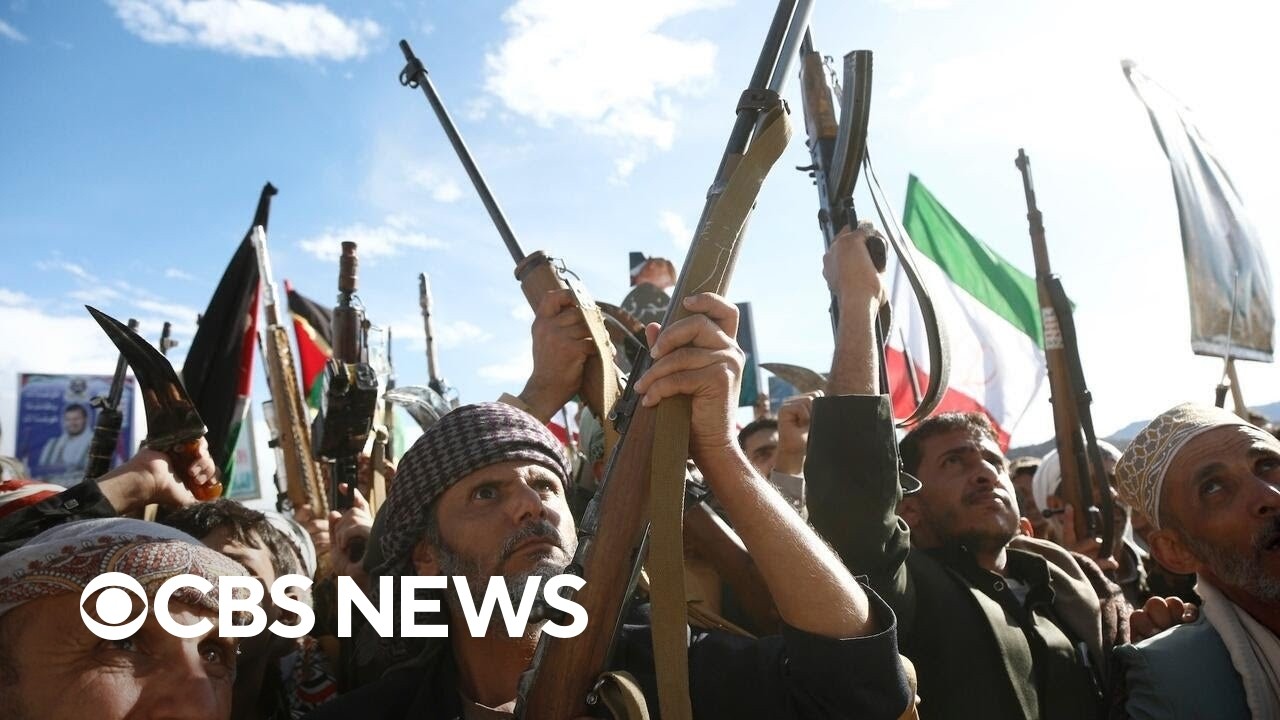
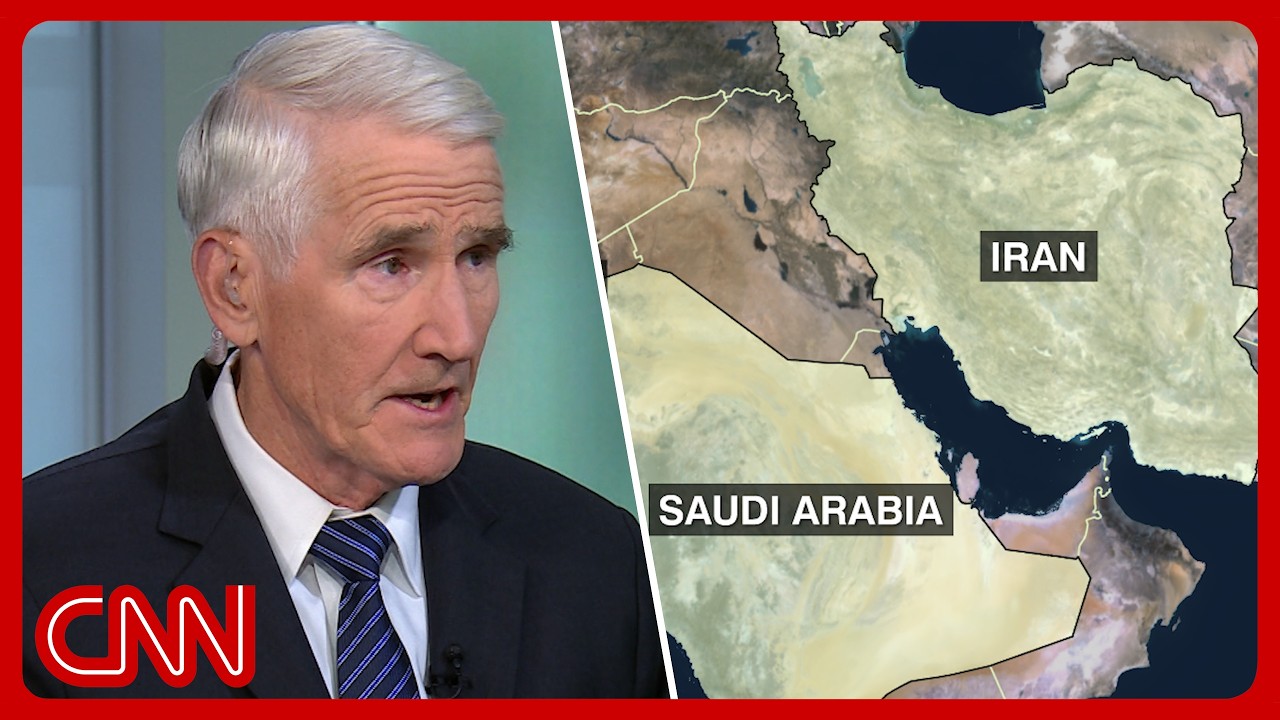
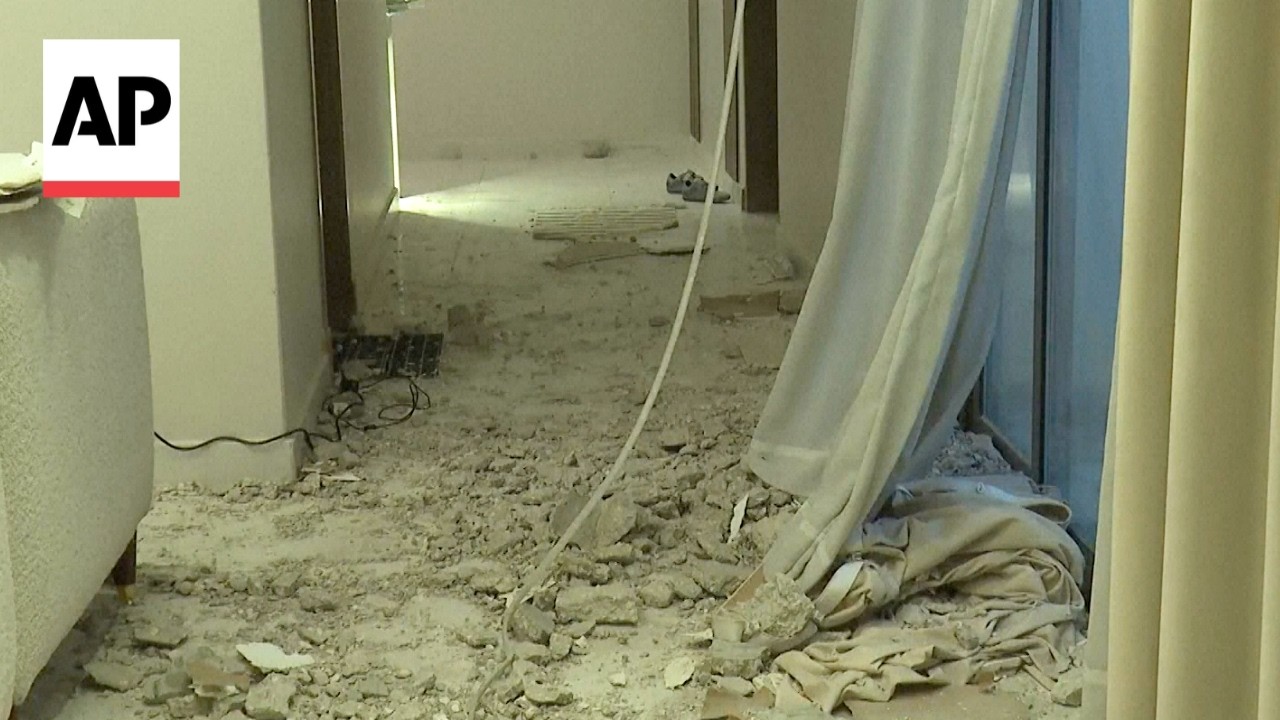
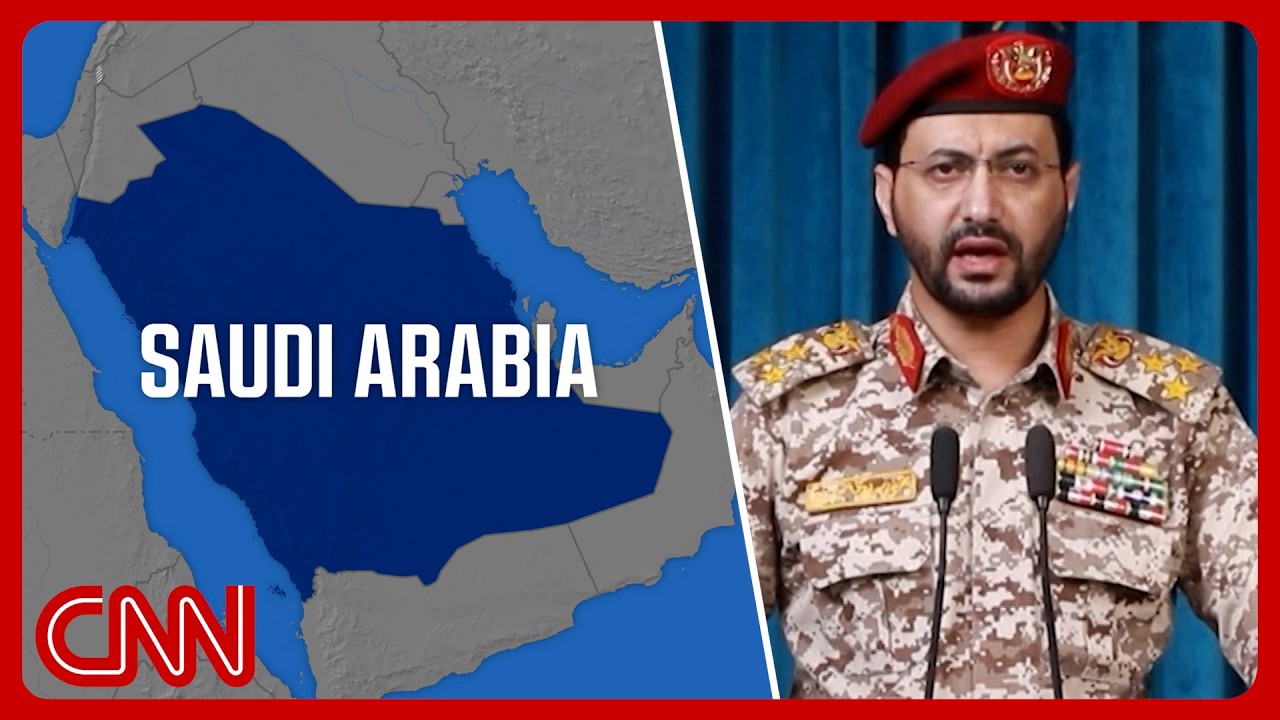
While the Saudi-led coalition vows a 'firm' reaction to Houthi missile and drone attacks that wounded 13 civilians, the reality on the ground suggests a systemic failure of deterrence. The Houthis are not only seizing Red Sea islands and advancing along the coast, but are coordinating with a broader chaos that includes Iraqi drone strikes forcing the closure of the East-West pipeline and Iranian naval aggression. Saudi Arabia is left scrambling for allies, meeting with the U.S. and Egypt, only to find the U.S. unwilling to commit forces beyond intelligence sharing and a defense pact with Turkiye and Pakistan that experts dismiss as unlikely to ever actually function. As oil prices climb and inflation looms, the 'firm response' looks less like a strategy and more like a press release while the kingdom's infrastructure remains a target.
Previous reports highlighted the lack of functional defense pacts and the vulnerability of Saudi infrastructure.
Recent coverage now frames the conflict as an inescapable military trap. Newsweek reports that President Trump denied a specific request for air support from Crown Prince Mohammed bin Salman following the pipeline attack. The outlet argues that any ground intervention would mirror the failures of Vietnam and Afghanistan.
The reader now sees the crisis not as a lack of resources, but as a fundamental disagreement on the viability of war. The press has transitioned from reporting on missing allies to reporting on an ally who is actively refusing to help. It is a helpful transition for those who enjoy watching a superpower treat a strategic partner like a nuisance.
From a dispute over U.S. aid to the total collapse of regional alliances
Recent coverage has pivoted from the U.S.-Saudi rift to the implosion of the regional coalition itself. Reports from the NY Post and Fox News suggest the crisis is no longer just about a missing superpower, but about allies turning on each other.
The narrative now emphasizes how internal bickering and the loss of key maritime choke points have left Saudi oil exports stranded. It is a convenient pivot for the press; instead of just blaming Trump's indifference, they can now point to Saudi incompetence and diplomatic fragility.
The reader now sees a kingdom that is not just ignored by its protector, but abandoned by its neighbors. This transforms the story from a bilateral disagreement into a systemic regional failure.
From Diplomatic Failure to Direct Infrastructure Threat
Recent coverage has pivoted from the abstract failure of alliances to the concrete reality of missiles hitting the Saudi capital. The reports now emphasize smoke over Riyadh's airport and threats to Aramco facilities rather than just the lack of a U.S. security guarantee.
It is a predictable slide into crisis reporting; the press has stopped analyzing why the kingdom is alone and started documenting how it is burning. The reader now sees a conflict that has moved past diplomatic bickering into a phase of direct, high-stakes attrition.
From Airport Smoke to Empty Missile Silos
Recent coverage has moved from documenting the spectacle of burning fuel tanks to exposing a critical shortage of missile interceptors. The press is no longer just reporting on where the missiles are landing, but why the kingdom is struggling to stop them. PBS highlights a desperate scramble for air defense support from a laundry list of allies, suggesting the shield is effectively cracked.
This shift transforms the story from a series of unlucky hits into a structural collapse. The reader now sees that the 'return to civil war' in Yemen is not just a political label, but a military reality backed by a depleted arsenal. It is a refreshing bit of honesty from the press; they have stopped treating the conflict as a diplomatic spat and started treating it as a war of attrition that the kingdom is currently losing.
US State Department renews Middle East travel warnings following Houthi strikes on Riyadh
New coverage from 3 outlets
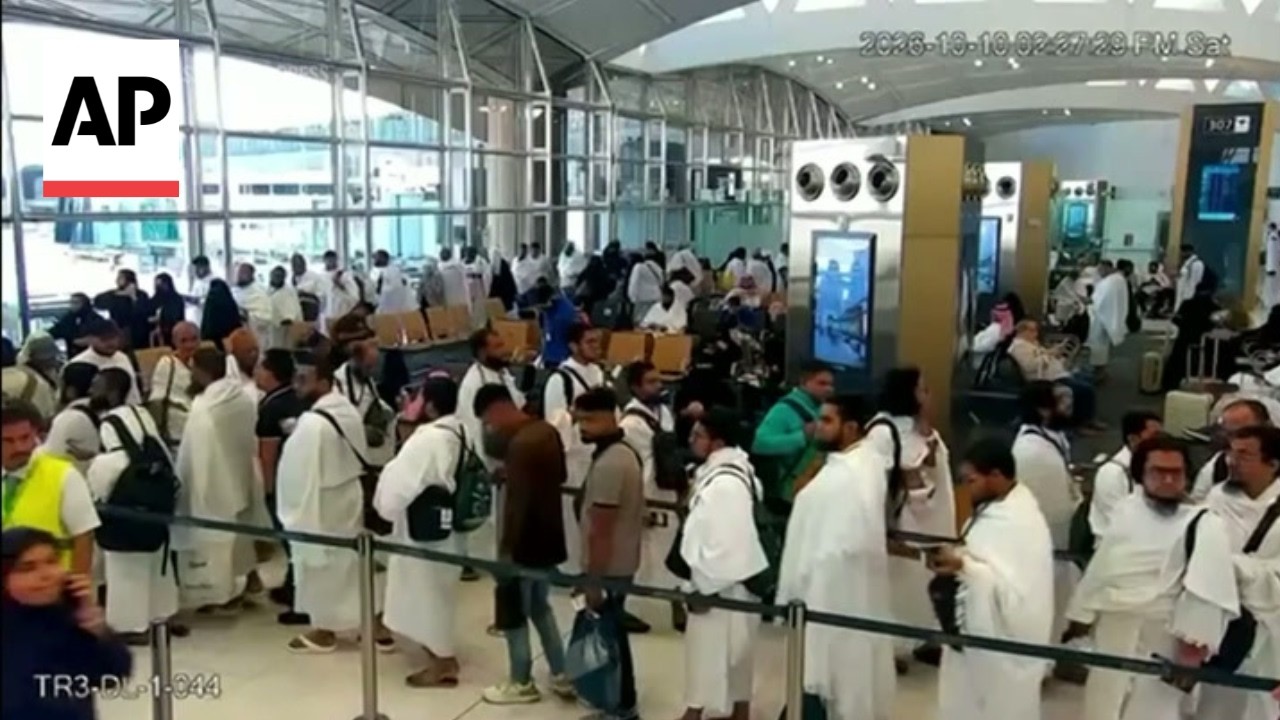
These reports have pivoted from analyzing the kingdom's depleted arsenal to the immediate danger facing foreign travelers. The coverage now centers on renewed U.S. travel warnings and the threat of airspace closures, treating the Houthi strikes not as a military metric, but as a trigger for regional instability.
This move reflects a common press habit of retreating to safety alerts when a conflict becomes a grueling war of attrition. It is easier to report on a government travel advisory than to continue auditing the failure of a sovereign state's defense strategy.
The reader now sees the conflict as a volatile hazard to be avoided rather than a strategic collapse to be analyzed.
Houthis declare naval blockade as Saudi Arabia activates joint defense pact with Turkey and Pakistan
New coverage from 1 outlets
These reports have pivoted from passive travel warnings to the concrete escalation of a Houthi naval blockade and the subsequent activation of a joint defense pact. The coverage now centers on the seizure of Yemen's western coast and the urgent military meetings between Saudi Arabia, Turkey, and Pakistan, shifting the narrative from a hazard to be avoided to a strategic crisis being managed.
This move reflects a press tendency to return to geopolitical mapping once a conflict produces a clear, tangible change in territory or law. It is far more compelling to report on a declared blockade and a frantic diplomatic huddle than to repeat that the region remains dangerous.
The reader now sees a conflict that has evolved from sporadic strikes into a structured maritime war, where the kingdom's survival depends on a defense pact that its own partners are already hesitant to honor.
Prince Faisal warns UN that Houthi threats extend to global shipping routes
New coverage from 1 outlets
These reports have pivoted from the local mechanics of a blockade to a global alarm bell, framing the Houthi insurgency as a threat to international trade rather than just a Saudi security failure. By centering on Prince Faisal's UN warnings, the coverage attempts to elevate the conflict from a regional skirmish to a matter of global economic survival.
This is a classic diplomatic pivot. When a state cannot secure its own borders, it tries to convince the world that the fire in its backyard is actually a threat to everyone's living room. It is a convenient way for the press to shift the narrative from Saudi military incompetence to a broader need for international cooperation.
The reader now sees the conflict not as a territorial dispute, but as a hostage situation involving the world's shipping lanes.
Euronews reports Houthi ballistic missile strikes on Riyadh airport
New coverage from 1 outlets
These reports have pivoted from the abstract risks of global trade to the resurgence of direct strikes on the Saudi capital. Euronews reports that the Houthis have targeted King Khalid International Airport in Riyadh with ballistic missiles, coinciding with explosions heard across the city. This return to reporting on urban strikes suggests that the conflict is not merely a maritime blockade, but a synchronized campaign to increase the economic and psychological cost of the war for the Saudi leadership.
Euronews engages with the essential question of deterrence by linking these strikes to a broader Saudi offensive to retake the Red Sea coast. By citing the Institute for the Study of War, the coverage identifies a clear strategic logic: the Houthis are using civilian infrastructure as leverage to force a political surrender. The reader now sees that the naval blockade is not an isolated maritime event, but one prong of a wider strategy to make the kingdom's internal security untenable.