Security breach as a catalyst for strategic redeployment
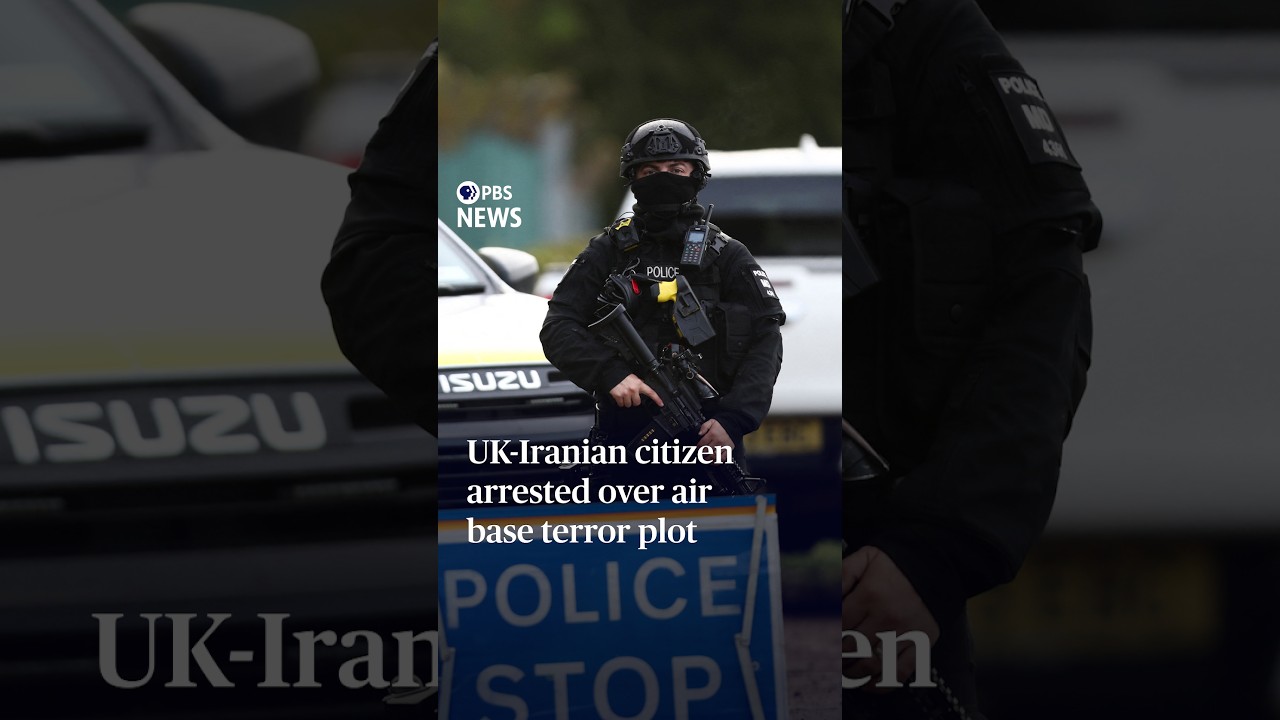
The central issue is whether the U.S. Air Force's exit from RAF Fairford is a tactical retreat caused by a specific security failure or a broader strategic realignment. The withdrawal follows a September 27 incident involving suspicious vehicles and the arrest of suspects linked to a suspected plot. When a host nation's security is compromised, the deploying power must weigh the risk of asset loss against the utility of the forward position.
In such structures, the ability to maintain a forward presence depends on the host's capacity to neutralize asymmetric threats. If the perceived risk of a ground-based attack outweighs the benefit of rapid strike capabilities, the military typically reverts to home-station operations to ensure the safety of high-value assets while maintaining global reach.
Focus on attribution over strategic implications
Most outlets focused on the link between the security breach and the alleged involvement of a foreign power. NY Post, BBC, and PBS emphasized the connection to Tehran, framing the event as a direct consequence of foreign interference. CBS News and BBC provided specific details on the legal status of the suspects, noting they were released on bail, a point that BBC highlighted as a source of friction between the U.S. and U.K. leadership.
While The Guardian and PBS connected the withdrawal to a broader increase in naval presence in the Middle East, most coverage failed to investigate if this redeployment was a planned rotation. The reporting largely accepted the security incident as the sole trigger. By focusing on the identity of the suspects and the political rhetoric of leaders, the coverage omitted a deeper analysis of whether the host base's security protocols are fundamentally insufficient for housing strategic bombers.
NBC News and Washington Examiner report rushed withdrawal and friction over suspect bail
New coverage from 4 outlets
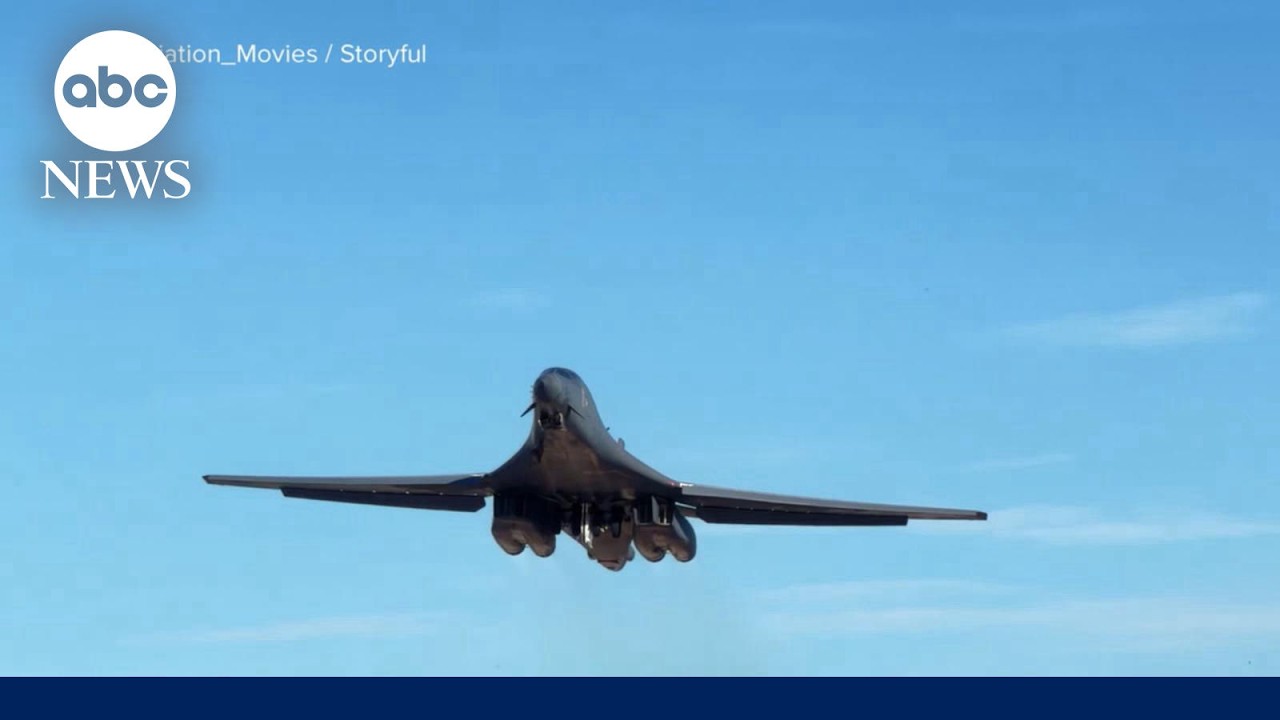
These reports deepen the analysis of the withdrawal by characterizing the movement of aircraft as quick or rushed. NBC News noted that the redeployment included not only B-1s but also B-2s and B-52s, expanding the scope of the assets affected by the security failure.
Washington Examiner shifted the focus toward the British legal system, framing the release of suspects on bail as a primary driver of U.S. dissatisfaction. This approach moves the conversation from the act of interference to the perceived leniency of the host nation, suggesting that the security risk is compounded by judicial failures.
Most outlets continued to treat the security incident as the sole catalyst for the redeployment. By focusing on the speed of the exit and the bail controversy, Fox News, NBC News, and Washington Examiner omitted the essential question of whether this move aligns with a broader strategic shift in global military posture. The coverage remains centered on the immediate friction between the U.S. and U.K. rather than the long-term viability of forward-operating bases.
Secretary of State Marco Rubio describes bomber redeployment as a regular rotation
New coverage from 4 outlets
ABC News introduced a critical tension by reporting that Secretary of State Marco Rubio described the redeployment as a regular rotation, denying a direct link to the security plot. This official narrative contradicts the timing of the withdrawal, which Al Jazeera and ABC News both link to the arrest of suspects suspected of Iranian involvement.
Newsweek engaged with the essential question of strategic realignment by analyzing how the withdrawal reduces the capacity for quick sorties against Iran while the U.S. simultaneously increases naval and troop presence in the Middle East. This reporting moves beyond the immediate security failure to examine the operational trade-offs of the redeployment.
Most other coverage continued to treat the security breach as the sole catalyst. Al Jazeera focused on the diplomatic friction between the U.K. and Iran, omitting the possibility that the move was part of a pre-planned military schedule. By prioritizing the terror plot over the official 'rotation' claim, these reports largely ignore the potential for a coordinated strategic shift in how the U.S. projects power in the region.
TIME and Breitbart highlight the persistence of Iranian threats despite suspect releases
New coverage from 3 outlets
These reports move the conversation from the timing of the withdrawal to the structural vulnerability of U.S. assets. TIME engaged with the essential question of strategic posture by citing an international politics professor who argues the haste of the exit signals a historic weakness in how the U.S. protects high-value bombers abroad. Breitbart deepened the analysis of the security risk by noting that while B-1s were removed, other aircraft like U-2 jets and F-15E fighters remain, suggesting a selective risk assessment based on the specific profile of the assets involved.
BBC and Breitbart both returned to the issue of the suspects' release on bail, which had previously faded from the primary discourse. By linking the abruptness of the withdrawal to the fact that suspects remain at large, these reports frame the event as a failure of host-nation security to provide a stable environment. Most coverage in this round continued to prioritize the Iranian threat over the official rotation claim, omitting a critical investigation into whether the U.S. is permanently reconsidering the viability of RAF Fairford as a forward operating base.