The contradiction between presidential duty and the rhetoric of expendability
The core of this event is whether a leader can justify the potential destruction of domestic territory as a strategic trade-off for broader security. The primary obligation of a head of state is the protection of the citizens and the physical integrity of the nation. Suggesting that specific cities are a small price to pay reverses this mandate by framing the state's own population as a resource to be spent rather than a priority to be defended.
In such structures, the tension usually arises when campaign rhetoric clashes with the institutional role of commander-in-chief. While political speech often employs hyperbole to signal resolve, the explicit naming of domestic targets as expendable challenges the basic social contract between a government and its people.
Focus on political condemnation over technical feasibility
The coverage primarily focuses on the political fallout and the reactions of local officials. CBS News, LA Times, and Mediaite all highlight the condemnation from California leadership, framing the remarks as a dangerous departure from presidential norms. They agree that the rhetoric is provocative, though Mediaite notes the ambiguity of whether the statement was a hypothetical scenario or a direct suggestion.
LA Times provides a necessary layer of factual context by noting the lack of evidence regarding the adversary's actual missile capability to strike the mainland. This distinguishes the political danger of the words from the immediate physical threat. However, the coverage largely omits a deeper analysis of how such rhetoric functions as a tool for a specific political base, focusing instead on the immediate outrage of the targeted cities.
PBS links comments on Iranian attacks to a pattern of denigrating Democratic cities
New coverage from 1 outlets
PBS expands the scope of the discussion by framing the remarks not as an isolated incident, but as part of a consistent pattern of targeting Democratic-leaning cities. By citing the deployment of federal troops to Los Angeles and the description of North Carolina cities as killing fields, the report suggests the rhetoric of expendability is tied to political geography rather than purely strategic calculations.
This coverage misses the essential question of whether a leader can justify domestic destruction for broader security. Instead, it shifts the analysis toward political animosity, focusing on the target's political leaning rather than the fundamental breach of the social contract. The reporting treats the comments as an extension of a campaign style of denigration rather than a specific challenge to the mandate of the commander-in-chief.
LA Times reports the use of California as a foil for midterm base mobilization
New coverage from 2 outlets
LA Times frames the rhetoric of expendability as a calculated electoral strategy. The report describes the targeting of California as a means to motivate the Republican base ahead of midterm elections, treating the state as a 'foil' to energize voters in red states. This analysis connects the remarks to broader campaign goals, including the use of gas prices and election integrity claims to alienate specific demographics.
This coverage misses the essential question of whether a leader can justify domestic destruction for broader security. By focusing on the risk of alienating moderate voters, LA Times treats the suggestion that American cities are a 'small price to pay' as a tactical gamble rather than a fundamental challenge to the mandate of the commander-in-chief. The reporting prioritizes the political cost of the words over the institutional implication of the sentiment.
Business Insider cites intelligence data to dispute the technical possibility of a transoceanic strike
New coverage from 3 outlets
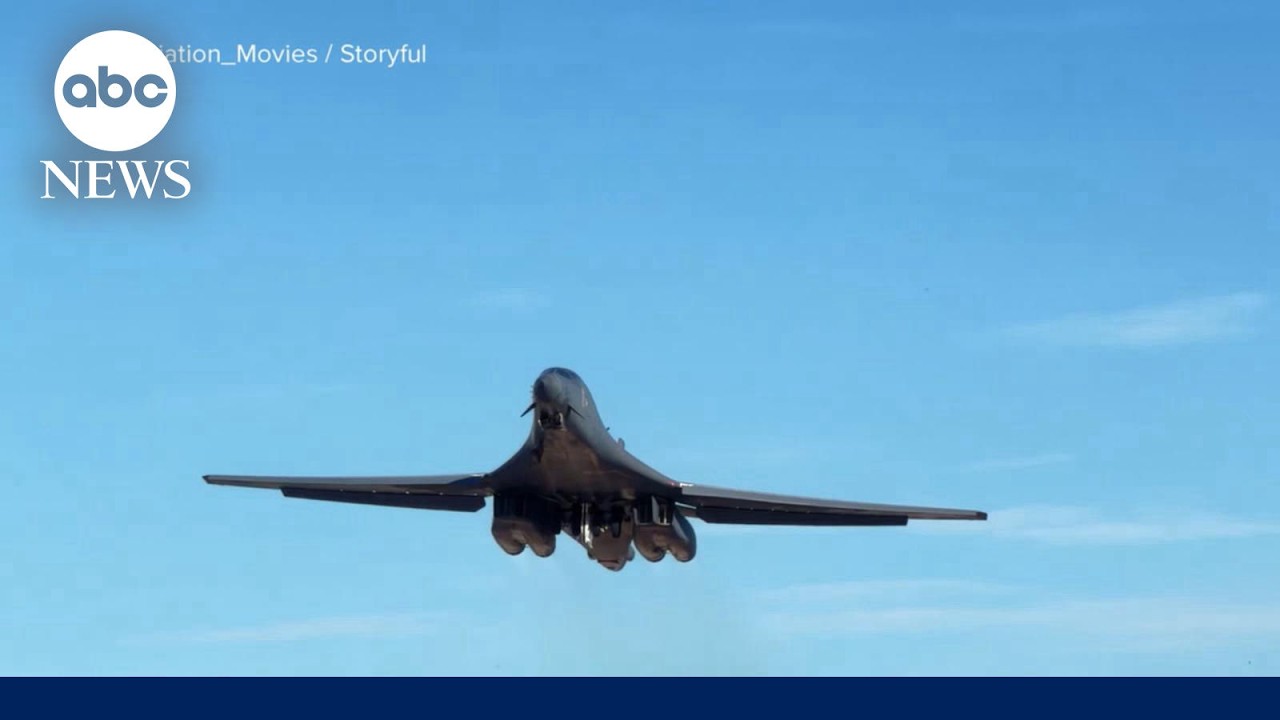
Business Insider shifts the analysis from political rhetoric to technical reality. By citing the Defense Intelligence Agency, the report notes that Iranian missiles reach approximately 1,200 miles, making a strike on California, located 7,500 miles away, physically impossible. This provides a concrete factual baseline that distinguishes a leader's perceived threat from actual military capability.
NY Post and BBC focus on the conflict between the White House's defensive framing and the condemnation from local officials. NY Post specifically uses speech transcripts to argue that the remarks were misinterpreted, framing the Democratic response as a political smear. Neither outlet engages with the essential question of whether the suggestion of domestic expendability constitutes a breach of the head of state's fundamental duty. Instead, they treat the event as a dispute over linguistic intent and political optics.
This round of coverage diverges between those verifying the physical possibility of the threat and those debating the intent of the speaker. The reporting largely ignores the institutional implication of the sentiment, treating the rhetoric as either a technical error or a political misunderstanding.
TIME identifies the Wall of Sound strategy as a tool for burying policy failures
New coverage from 2 outlets
TIME introduces a specific framework for these remarks, reporting that the President employs a 'Wall of Sound' strategy to bury economic and political failures under a barrage of outrageous provocations. By citing threats against Greenland, Canada, and Venezuela alongside the comments on California, the report frames the rhetoric of expendability not as a strategic calculation, but as a diversionary tactic to distract from inflation and military setbacks. This analysis engages with the essential question by suggesting that the breach of the social contract is a calibrated tool for political survival rather than an impulsive error.
The Guardian focuses on the erosion of public and institutional norms. One report argues that the most alarming element is the lack of outrage from the Republican Party, suggesting that the suggestion of domestic expendability has become normalized. Another report from The Guardian emphasizes the factual baselessness of the Iranian threat, framing the rhetoric as a departure from the caution required for global deterrence.
These reports diverge in their interpretation of the speaker's state of mind. While TIME views the provocations as a calibrated strategy, The Guardian describes the claims as delusional and destabilizing. Both outlets, however, move beyond the immediate political fallout to examine how such rhetoric functions to divide the electorate or shield the administration from accountability.
Newsweek analyzes the strategic demonization of California as a political caricature
New coverage from 1 outlets
Newsweek shifts the analysis toward the ideological framework used to justify the rhetoric of expendability. The report argues that the Republican Party has intentionally framed California as a symbol of failure—citing homelessness and crime—to create a political caricature. By contrasting this image with the state's role as the world's fourth-largest economy, the article suggests that the rhetoric is part of a broader effort to replace traditional patriotism with a culture of division.
This coverage misses the essential question of whether a leader can justify domestic destruction for broader security. Instead of examining the breach of the commander-in-chief's mandate, Newsweek treats the remarks as a symptom of partisan hypocrisy, focusing on the contradiction between the party's reliance on California's economic innovation and its political attacks on the state's demographics.