The failure of aviation security vetting
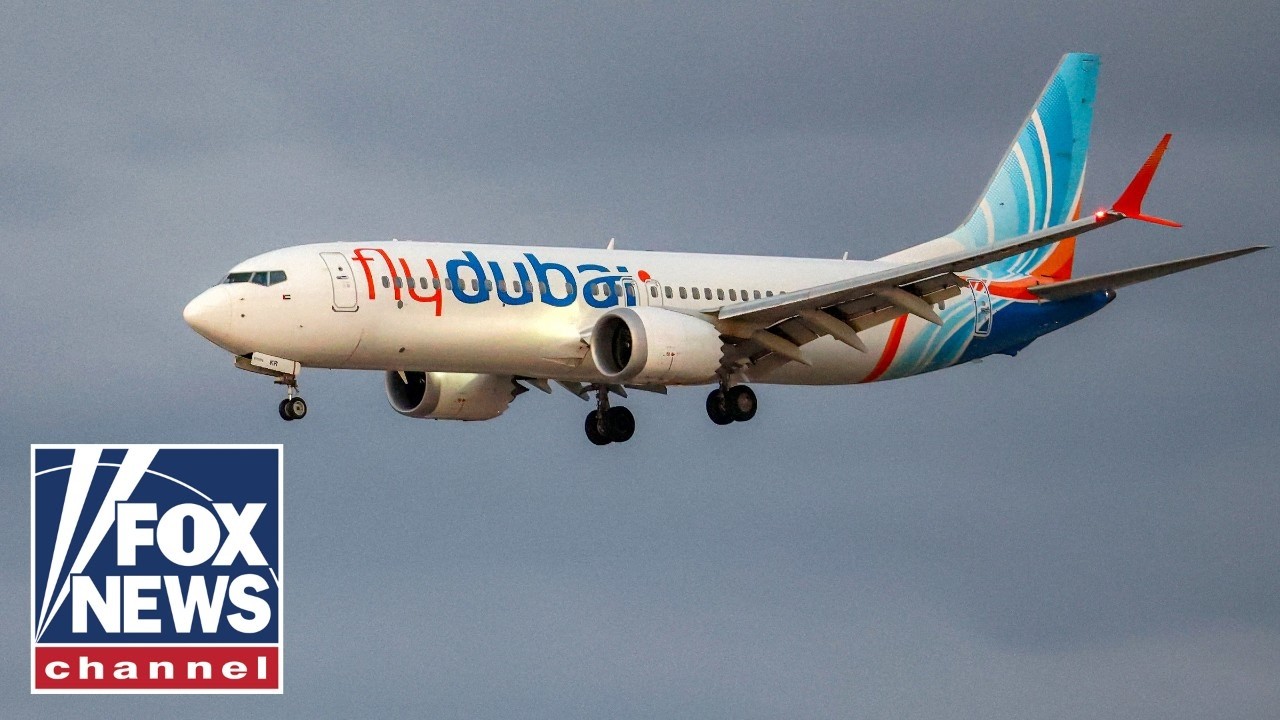
The central issue is the systemic failure of the vetting process that allowed a pilot previously banned from flying due to radical views to be hired. A cockpit is a high-security zone where the crew holds absolute power over hundreds of lives. When a person with a documented history of extremism is granted access to this position, the security protocols designed to prevent internal threats have collapsed.
In this type of event, the point of contention usually centers on whether the hiring entity ignored warning signs or if the information was not shared between different national authorities. The risk is not merely the act of one individual but the structural gap that allows a known threat to bypass the final line of defense.
Focus on the act of terror over the failure of the system
The coverage focuses heavily on the violent nature of the attack and the bravery of the captain. NBC News provides critical context by reporting that the attacker was previously banned from flying in his home country, a fact also noted by NY Post and Breitbart. This detail shifts the event from a random act of violence to a preventable security breach.
However, the outlets prioritize the political dimensions of the attack. Breitbart and NBC News highlight the possibility of external state involvement or radicalization, while the structural question of how the hiring process failed remains secondary. The reporting emphasizes the outcome—the thwarted crash—rather than investigating why a flagged individual was permitted to fly. Readers should look for reporting that examines the communication gap between the state that issued the ban and the airline that extended the employment contract.
UAE authorities label the cockpit attack as a terrorist act
New coverage from 1 outlets
CNBC reports that the United Arab Emirates has officially labeled the attack as an attempted terrorist act. This confirmation elevates the event from a suspected case of individual radicalization to a state-recognized act of terrorism. CNBC provides concrete evidence of the danger by citing FlightRadar24 data, which shows the aircraft dropped from 14,000 feet in 29 seconds with vertical speeds reaching -30,000 feet per minute.
Despite these new details, the coverage continues to ignore the essential question of the security vetting failure. CNBC focuses on the immediate violence and the official label of the crime, but omits any investigation into how the attacker passed the hiring process. The reporting prioritizes the classification of the motive over the structural gap that allowed a threat to enter the cockpit.
WSJ reports UAE authorities identified the weapon as a standard cockpit crash ax
New coverage from 1 outlets
WSJ reports that UAE authorities identified the weapon used in the attack as a standard crash ax, a required fixture in all cockpits. This finding resolves the question of how a weapon was smuggled past airport security, as the tool was already present on the aircraft.
By focusing on the tool's availability, WSJ avoids the essential question of the security vetting failure. The reporting highlights a technical detail of the attack's execution but omits any inquiry into why a flagged individual was given access to the cockpit and its equipment. The focus remains on the mechanics of the crime rather than the structural gap that allowed the perpetrator to be hired.
Euronews reports the attacker was previously barred from flying by Oman due to extremist views
New coverage from 1 outlets
Euronews engages with the essential question of the event by reporting that the attacker had previously been barred from flying by Oman due to extremist views. This detail transforms the incident from a sudden act of violence into a failure of the vetting process. By linking the perpetrator's known history to his subsequent employment at FlyDubai, the reporting highlights the structural gap in aviation security screening.
In contrast, Washington Post focuses on the official statements of the UAE Attorney General. It emphasizes the attempt to seize control of the plane and the classification of the act as terrorism, but omits the attacker's prior flying ban. The reporting prioritizes the legal characterization of the crime over the systemic failure that allowed a flagged individual to enter the cockpit.
BBC reports on passenger intervention and investigations into the suspect's studies in Australia
New coverage from 1 outlets
BBC provides a detailed account of the incident, noting that passengers intervened to overpower the attacker after the aircraft plunged 17,000 feet. The report introduces a new lead in the investigation by stating that authorities in Australia, where the suspect previously studied, are now involved. This detail expands the scope of the inquiry beyond the UAE and Oman to include the suspect's academic history.
Despite these new details, BBC fails to engage with the essential question of the security vetting failure. The reporting emphasizes the heroism of the passengers and the resilience of the captain but omits any mention of the attacker's prior flying ban. By focusing on the dramatic resolution of the flight and the current locations of the investigation, the coverage bypasses the structural gap that allowed a flagged individual to be hired.