The tension between individual crisis and organized intent
The core of this event lies in determining if the co-pilot acted alone due to a psychological breakdown or as part of a planned operation. A flight crew member occupies a position of absolute trust, possessing the technical means to cause mass casualties with minimal external assistance.
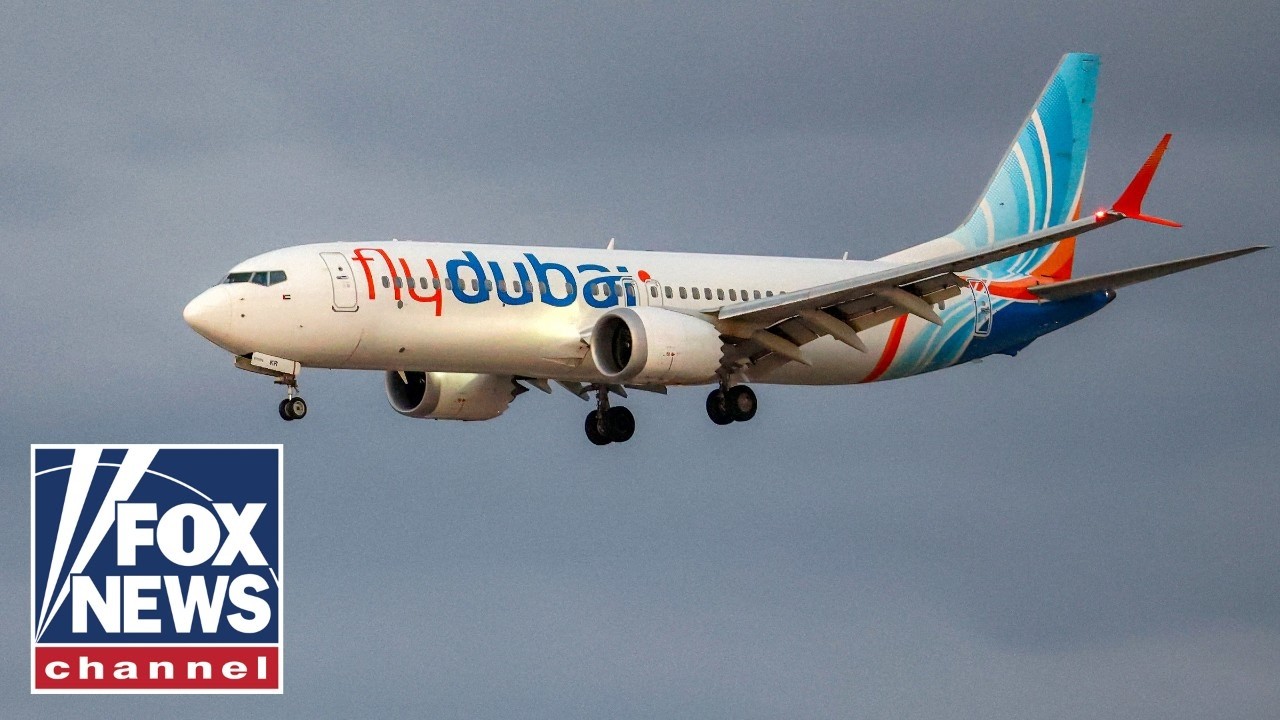
In such cases, the distinction between a mental health crisis and a terrorist act changes the nature of the failure. One points to a breakdown in psychological screening, while the other reveals a breach in national security and intelligence. The fact that the aircraft plummeted 16,000 feet suggests a deliberate attempt to destroy the plane, shifting the focus from a simple assault to a potential mass-casualty event.
Political framing preceding forensic evidence
Coverage is split between reporting the incident as a security breach and treating it as a political catalyst. Breitbart and PBS highlight how political leaders quickly framed the attacker as a radicalized terrorist or an agent of a foreign power, often without providing evidence. While Al Jazeera focuses on the emergency landing and the bravery of the crew, other outlets prioritize the geopolitical implications.
Most outlets failed to question the structural vulnerability of allowing crew members from non-diplomatic states to operate flights into sensitive airspace, a point only raised by Breitbart. The coverage largely follows a pattern where political figures define the motive before investigators conclude their probe. Readers should note that the narrative of terrorism is being pushed by power holders to justify diplomatic pressure, while the actual forensic motive remains an open question.
CBS News reveals co-pilot Hamam al Hamami was previously flagged for radicalization by Oman Air
New coverage from 1 outlets
The investigation has moved from general speculation about motives to the specific history of the suspect. CBS News provided a critical breakthrough by identifying the co-pilot as Hamam al Hamami and revealing that Oman Air had previously flagged him for visiting radical websites. This report engages directly with the essential question of the event by showing that the suspect was moved to a desk job before resigning and being hired by FlyDubai without proper vetting.
This evidence transforms the incident from a random psychological breakdown into a systemic failure of aviation security. The fact that a flagged individual could transition between airlines and enter a cockpit suggests that the vulnerability is not just in individual screening, but in the lack of shared intelligence between carriers. While previous reports focused on how leaders framed the event, this coverage provides the forensic link between the suspect's radicalization and the operational lapse that allowed him to fly.
Reports identify Ben Gurion Airport as the intended target of the cockpit attack
New coverage from 2 outlets
These reports deepen the understanding of the event by identifying a specific target. Fox News and NPR report that the co-pilot intended to crash the aircraft into a building or another plane at Ben Gurion International Airport. This detail moves the incident beyond a general security breach to a targeted attempt at mass casualties in a high-density civilian area.
NPR engages with the essential question by connecting this specific target to the broader political environment. It highlights how the breach is being used as ammunition by opponents of Benjamin Netanyahu during a national election race. While Fox News treats the event as a premeditated terrorist plot, NPR focuses on how the failure of civil aviation security becomes a political liability for the current leadership.
This shift indicates that the event is no longer being analyzed solely as a forensic failure of aviation vetting. It is now being treated as a political catalyst in Israel. The focus has moved from how the suspect entered the cockpit to how the resulting security gap affects the stability of the government.
The Guardian and NBC News reveal the suspect's history of violent threats and the likelihood of a lone wolf operation
New coverage from 4 outlets
These reports refine the understanding of the attacker's motive by moving beyond general radicalization to specific behavioral patterns. The Guardian engages with the essential question by citing an AI analysis of deleted social media that revealed a consistent pattern of misogyny and explicit threats of physical violence. This evidence suggests the attack was not a sudden breakdown but the result of a long-term personality profile that security vetting failed to capture.
A critical distinction has emerged regarding the level of organization behind the attack. While political leaders previously suggested foreign state involvement, NBC News and CBS News report that U.S. and Israeli officials now view the suspect as a lone wolf who likely acted alone. This contradicts earlier characterizations of the event as a coordinated terrorist act, shifting the narrative from a geopolitical conspiracy to an individual failure of vetting.
BBC and The Guardian highlight a systemic gap where the suspect's prior removal from flying duties at Oman Air did not prevent his hiring by FlyDubai. This confirms that the vulnerability is not merely a lack of intelligence, but a failure to act on existing red flags. The coverage now centers on whether such an attack was preventable or an unpredictable 'lone wolf' event, moving the debate from political liability to the technical limits of aviation security.