JUSTSUSS AI-powered press divergence analysis
Headline news 2026.10.14 16:35 created · 10.17 12:50 updated
← Card Feed
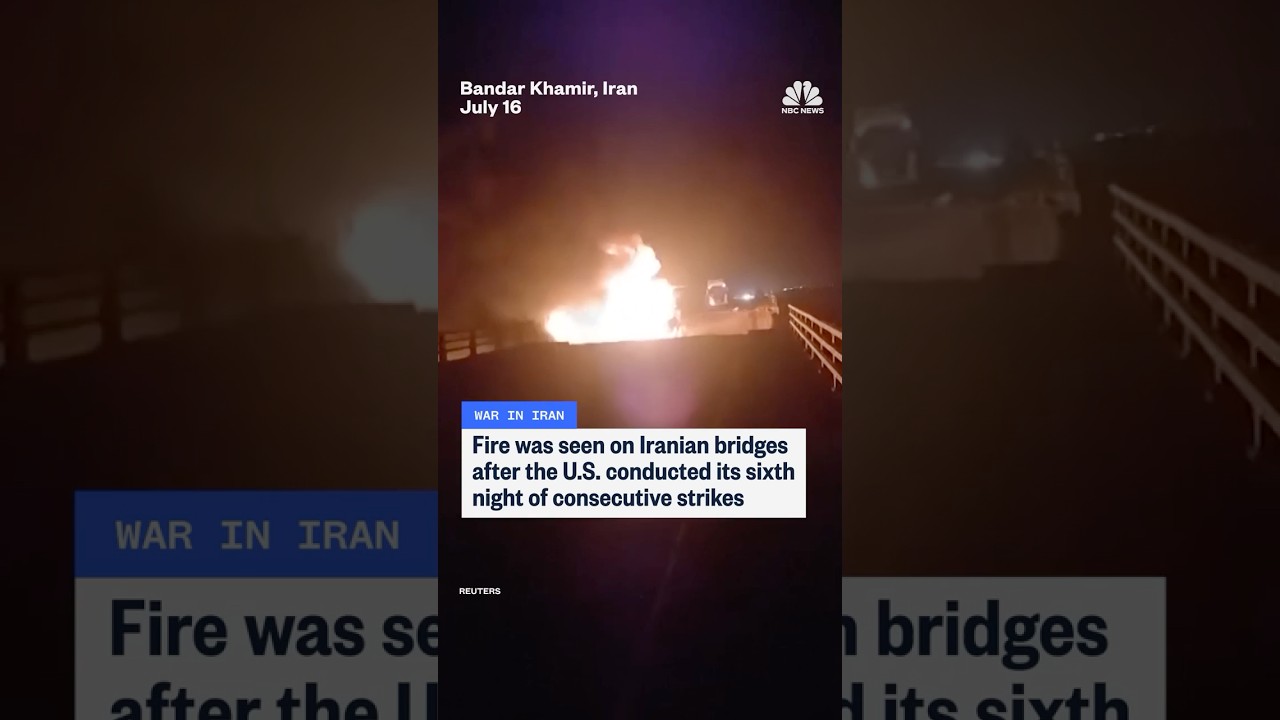
Reference video

Iran Sinks Emirati Cargo Ships in Strait of Hormuz

Escalating attacks threaten global oil and shipping.

Event Overview

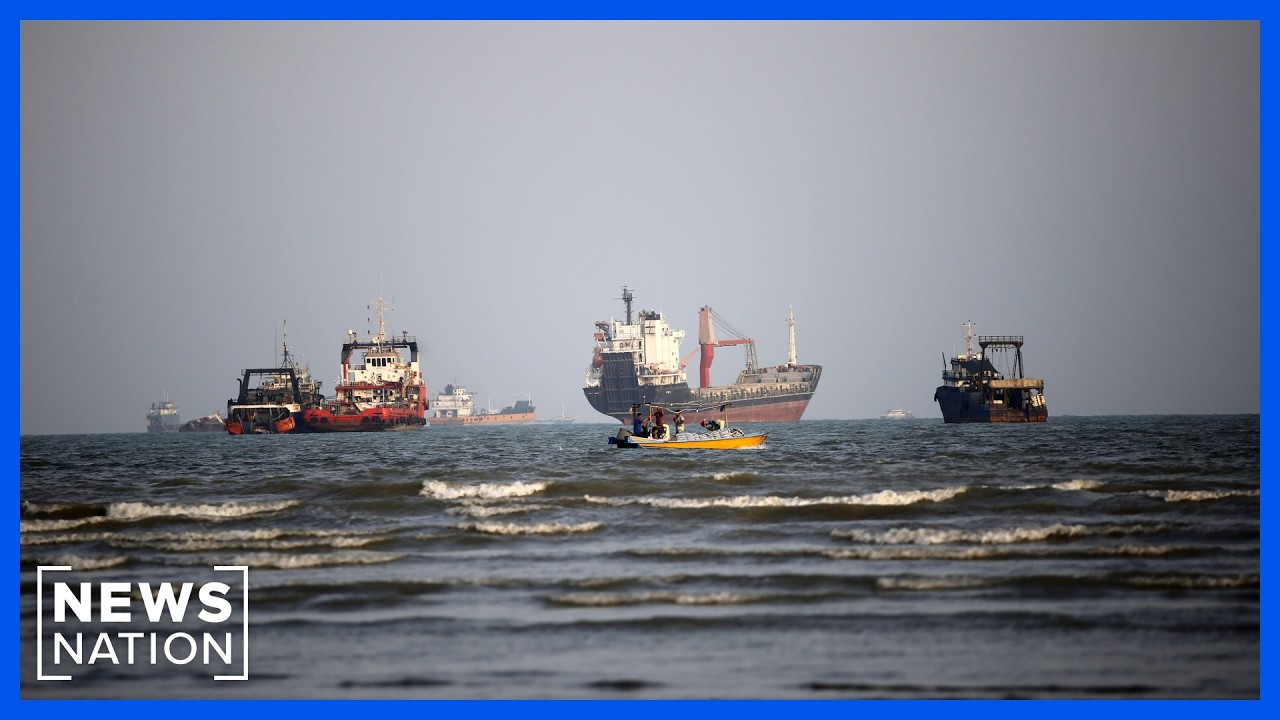
Two Emirati cargo ships, the GFS Pride and the Cape Dao, sank in the Strait of Hormuz within a 24-hour period. These sinkings occurred amid a surge in Iranian aggression, with the UKMTO reporting five incidents in 48 hours.

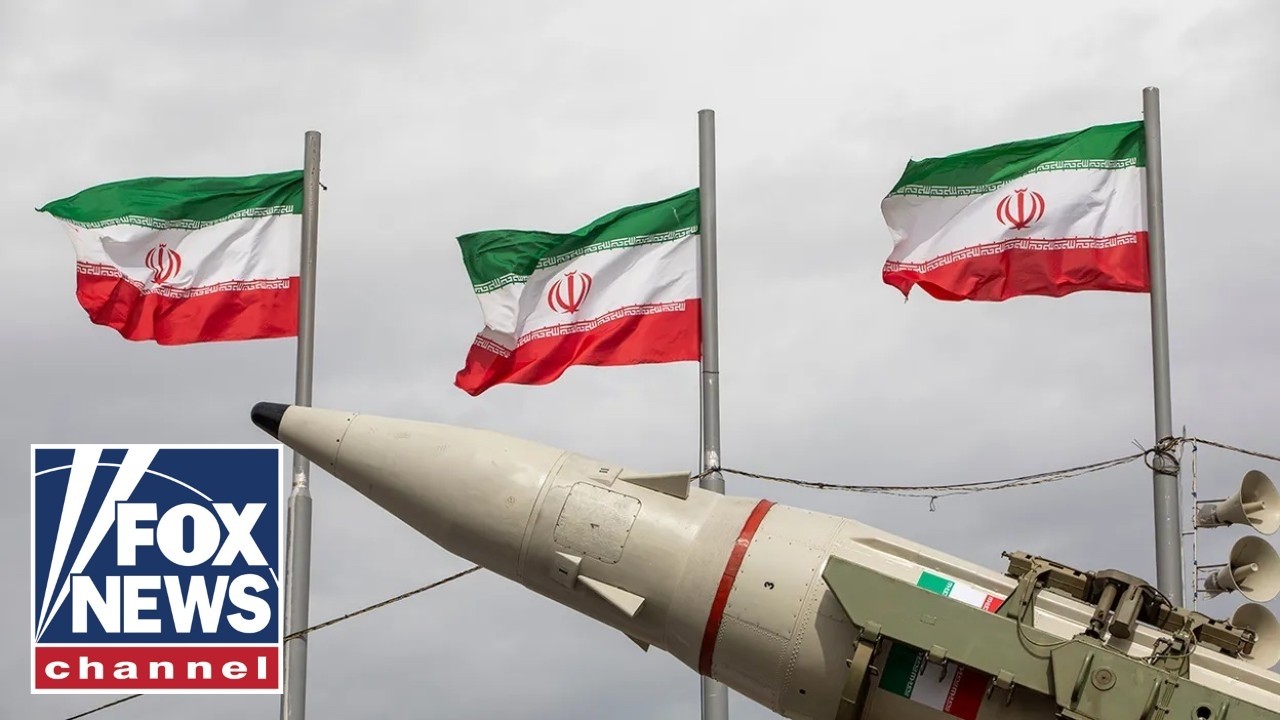
Iran has been accused of using these attacks to destabilize oil markets and exert political pressure on the US administration. While Iran claims some vessels sank due to accidental naval mine strikes during unauthorized passages, other reports indicate the use of projectiles.

Source facts (7)
1.

The GFS Pride and Cape Dao sank in the Strait of Hormuz within a 24-hour period.

WSJ
2.

The GFS Pride was a Singapore-registered container ship.

CNBC
3.

The GFS Giselle sustained hull damage from a projectile on the same day the GFS Pride sank.

CNBC
4.

UKMTO reported five incidents in 48 hours.

The Guardian
5.

The Financial Times noted 24 ships were hit over a two-week period.

The Guardian
6.

Pakistan’s National Hydrographic Office reported the sinkings of the GFS Pride and Cape Dao.

WSJ
7.

Iranian tactical shifts include the use of unarmed spotters in small boats.

The Guardian

Message Distribution

aggressive instability Iran as an aggressor causing unprecedented instability and danger 78%
7 articles
political sabotage Iran's actions as calculated political sabotage for electoral gain 11%
1 articles
libertarian skepticism Critical of political correctness and U.S. foreign policy with an emphasis on individual liberty 11%
1 articles
Reason — Sinking Ships
commercial logic Shipping transits framed as calculated commercial decisions based on economic incentives 0%
0 articles

Editor's Analysis

Conflicting accounts of maritime sinkings in the Strait of Hormuz

The sinking of the GFS Pride and Cape Dao centers on a dispute over the cause of destruction. Iranian officials claim the vessels hit naval mines during unauthorized passages. Conversely, the UKMTO and maritime security firms suggest the use of projectiles, noting a lack of independent evidence for the mine theory.

The motive behind these incidents remains a point of contention. One reading suggests a deliberate strategy to drive up fuel prices to exert political pressure on the US administration during an election cycle. Another view focuses on the physical disruption of crude oil exports, which have fallen nearly 40% below prewar levels. The confirmation of the specific weapon used would determine whether these were targeted attacks or accidental encounters with drifting ordnance.

Beyond the sinkings to the political machinery

Most outlets agree that the region is seeing a sharp escalation in maritime attacks, but they differ in how they connect these events to broader goals. While WSJ focuses on the unprecedented nature of two ships sinking in one day, CNBC highlights the economic impact through the lens of crude oil volatility and the use of disinformation.

The Guardian provides the most granular insight by reporting that the IRGC is using unarmed spotters in small boats to compensate for lost radar capabilities. This detail transforms the story from a series of isolated strikes into a study of how a military adapts its tactics when its primary technology fails.

Coverage generally captures the immediate tension, but there is a recurring pattern where maritime security is treated as a proxy for political leverage. Outlets have largely focused on the relationship between a regional power and a superpower's domestic politics, while omitting the specific legal protections or insurance failures facing the commercial crews caught in the middle.

Updates

Oct 18 · Footage shows luxury goods floating in the Strait of Hormuz Updated 12:49

Ynetnews reported viral footage showing iPhones and luxury goods floating in the Strait of Hormuz, which the outlet stated are likely from the GFS Pride. CENTCOM spokesperson Capt. Tim Hawkins stated that 97% of ships seeking transit through the Strait of Hormuz do so successfully, and he described the U.S. mission as maintaining commercial flow while enforcing a 'steel wall blockade' against Iranian imports and exports. CENTCOM Commander Adm. Brad Cooper stated that over 20 civilian mariners have been killed by Iranian attacks since February. CNBC reported that major container lines have largely avoided the Strait of Hormuz since February, though regional operators and oil tankers continue to transit. Singapore Foreign Minister Vivian Balakrishnan stated that higher oil prices can make risky voyages financially worthwhile. The Singapore Shipping Association expects adjustments to trading patterns rather than a broad withdrawal from the region.

The confirmation of a 'steel wall blockade' by Fox News provides the missing link between the ship attacks and U.S. military action. This transforms the events from an unprovoked Iranian strategy to influence U.S. elections into a direct clash of attrition over maritime control.

Ynetnews provided a concrete visual detail by reporting viral footage of luxury goods floating in the strait. This evidence of cargo dispersal supports the projectile theory over the mine theory, as a sudden explosion from a projectile often causes the structural failure and contents-spill seen in the footage.

Coverage is diverging on the definition of 'success' in the strait. Fox News frames the situation as a U.S. victory based on the 97% transit success rate. Conversely, CNBC highlights a market-driven resilience, where high oil prices incentivize regional operators to accept the risk of death or sinking for financial gain.

Readers should now watch whether the U.S. administration formally links the blockade to the civilian casualties mentioned by Adm. Brad Cooper, or if it continues to separate the blockade's enforcement from the Iranian attacks.

Source facts (7)

Viral footage shows iPhones and luxury goods floating in the Strait of Hormuz, likely from the GFS Pride.

Ynetnews

CENTCOM spokesperson Capt. Tim Hawkins stated that 97% of ships seeking transit through the Strait of Hormuz do so successfully.

Fox News

CENTCOM Commander Adm. Brad Cooper stated that over 20 civilian mariners have been killed by Iranian attacks since February.

Fox News

Capt. Tim Hawkins described the U.S. mission as maintaining commercial flow while enforcing a 'steel wall blockade' against Iranian imports and exports.

Fox News

Major container lines have largely avoided the Strait of Hormuz since February, while regional operators and oil tankers continue to transit.

CNBC

Singapore Foreign Minister Vivian Balakrishnan stated that higher oil prices can make risky voyages financially worthwhile.

CNBC

The Singapore Shipping Association expects adjustments to trading patterns rather than a broad withdrawal from the region.

CNBC

Oct 16 · Maritime and Port Authority of Singapore condemns ship attacks Updated 22:53

The Maritime and Port Authority of Singapore condemned the attacks as unprovoked breaches of international law. The escalation of ship attacks is linked to a U.S. naval blockade of Iranian ports. Iran's IRGC claimed one ship sank after hitting a naval mine while using an unauthorized route. Reuters reports that senior Iranian officials admitted to using new tactics to target civilian vessels to keep oil prices high, with the reported goal of damaging President Donald Trump's standing ahead of the midterm elections. U.S. military officials indicate Iran is using small spotter boats to replace destroyed radar installations.

The link between the ship attacks and a U.S. naval blockade of Iranian ports provides a concrete motive for the escalation. This shifts the narrative from a vague attempt to influence U.S. domestic politics to a direct retaliatory response to a specific military action.

Breitbart engaged with the central question of intent by reporting that senior Iranian officials admitted to targeting civilian vessels to keep oil prices high. This detail connects the physical destruction of the ships to the goal of damaging the U.S. administration's standing before the midterm elections.

By reporting the sinkings as the result of projectiles, Breitbart aligns with the physical evidence of fire on the GFS Pride. This contradicts the Iranian claim that the vessels hit naval mines during unauthorized passages.

Readers should now watch for whether the U.S. administration acknowledges the blockade as the primary trigger or if it maintains that the attacks are unprovoked acts of aggression.

Source facts (6)

The escalation of ship attacks is linked to a U.S. naval blockade of Iranian ports.

Reason

The Maritime and Port Authority of Singapore condemned the attacks as unprovoked breaches of international law.

Breitbart

Iran's IRGC claimed one ship sank after hitting a naval mine while using an unauthorized route.

Breitbart

Reuters reports that senior Iranian officials admitted to using new tactics to target civilian vessels to keep oil prices high.

Breitbart

The reported goal of these actions is to damage President Donald Trump's standing ahead of the midterm elections.

Breitbart

U.S. military officials indicate Iran is using small spotter boats to replace destroyed radar installations.

Breitbart

Oct 15 · GFS Pride attacked in the strait Updated 22:29

The Maritime and Port Authority of Singapore stated the GFS Pride was attacked on Tuesday while transiting the strait. The attack caused the vessel to catch fire. All crew members were evacuated with no reported injuries.

The confirmation that the GFS Pride caught fire after an attack weakens the Iranian claim that the ships sank due to accidental mine strikes. Fire is a typical result of projectile strikes or targeted sabotage, rather than the sudden hull breach caused by a naval mine.

Washington Post provided the necessary detail on the vessel's registration and the sequence of the fire, but it did not connect these physical symptoms to the broader dispute over the weapon used. The coverage remains focused on the fact of the escalation rather than analyzing the cause of destruction to resolve the central question of intent.

Source facts (3)

The Maritime and Port Authority of Singapore stated the GFS Pride was attacked on Tuesday while transiting the strait.

Washington Post

The attack on the GFS Pride caused the vessel to catch fire.

Washington Post

All crew members of the GFS Pride were successfully evacuated with no reported injuries.

Washington Post

Coverage flow

Coverage volume

10/14 · 4
10/15 · 3
10/16 · 1
10/17 · 1

Focus shift

10/14
Iran
3
Donald Trump
1
10/15
Iran
2
Shane Gillis
1
10/16
Iran
1
10/17
U.S. military
1

Recommended Reads

News Story

Story: US and Iran Conduct Mutual Military Strikes

Card 5 of 12 in this story

Show 1 earlier
US and Iran Conduct Mutual Military Strikes
Jul 16 · 26 outlets
Where it started
U.S. and Iran Resume Military Operations After MOU Collapse
Jul 17 · 14 outlets
War in Iran disrupts fuel shipments in the Strait of Hormuz
Aug 1 · 2 outlets
↳ Follows “US and Iran Conduct Mutual Military Strikes”
Iran Escalates Attacks on Ships in the Strait of Hormuz
Oct 9 · 5 outlets
↳ Follows “US and Iran Conduct Mutual Military Strikes”
Iran Sinks Emirati Cargo Ships in Strait of Hormuz
Oct 14 · 7 outlets · Viewing now
↳ Follows “Iran Escalates Attacks on Ships in the Strait of Hormuz”
Oil tankers hit naval mines in the Strait of Hormuz
Oct 17 · 2 outlets · ⇄ Story: U.S.-Iran Conflict Impacts Oil Profits and Public Approval +1 more
↳ Follows “Iran Escalates Attacks on Ships in the Strait of Hormuz”
Iran Escalates Attacks in the Strait of Hormuz
Oct 19 · 3 outlets · ⇄ Story: US and Iran Exchange Military Strikes and Blockades +2 more
↳ Follows “Iran Escalates Attacks on Ships in the Strait of Hormuz”
Oil prices climb amid Strait of Hormuz ship attacks
Oct 20 · 3 outlets · ⇄ Story: Houthi Attacks on Saudi Arabian Airports
↳ Follows “Iran Escalates Attacks on Ships in the Strait of Hormuz”
Show 4 later
Persian Gulf oil exports surpass pre-war levels
Oct 21 · 4 outlets · ⇄ Story: Houthi Rebels Attack Tihamah Cargo Ship +1 more
↳ Follows “Oil prices climb amid Strait of Hormuz ship attacks”
Houthi Drone Attacks on Saudi Airports and Infrastructure
Oct 21 · 3 outlets · ⇄ Story: Houthi Attacks on Saudi Arabian Airports
↳ Follows “Oil prices climb amid Strait of Hormuz ship attacks”
Iran claims attacks on seven oil tankers
Oct 22 · 2 outlets
↳ Follows “Iran Escalates Attacks on Ships in the Strait of Hormuz”
Crude oil futures rise amid Middle East tensions
Oct 23 · 3 outlets
↳ Follows “Iran claims attacks on seven oil tankers”

🌏 Global Comparison

How Korean and US outlets report the same event differently, and propagation delay

🇰🇷 Korea Card
호르무즈해협에서 싱가포르 국적 GFS 프라이드와 앤티가바부다 국적 케이프 다오 침몰
호르무즈해협에서 싱가포르 국적 컨테이너선 GFS 프라이드호와 앤티가바부다 국적 벌크선 케이프 다오호가 발사체 공격 등을 받아 **하루 사이 침몰**했습니다. 이 외에도 추가로 1척의 선박이 공격을 받았습니다. 최근 2주간 **24척의 선박이 피격**되는 등 공격 빈도가 전쟁 발발 이후 최대 규모로 급증했습니다. 이란 혁명수비대는 소형 선박을 이용해 공격 대상을 찾는 방식으로 전술을 변경했으며, 이는 미국 중간선거를 앞두고 국제유가를 높게 유지하려는 전략적 목적이 있는 것으로 분석됩니다.
3 outlets · View →
🇺🇸 US Card
Iran Sinks Emirati Cargo Ships in Strait of Hormuz
Two Emirati cargo ships, the **GFS Pride and the Cape Dao**, sank in the Strait of Hormuz within a 24-hour period. These sinkings occurred amid a surge in Iranian aggression, with the UKMTO reporting **five incidents in 48 hours**. Iran has been accused of using these attacks to destabilize oil mar
3 outlets · View →
Propagation delay
8.3h
(29971s)
Reporting divergence
1.00
closer to 0 = more similar

Loading comments...