The struggle for control over strategic transit lanes
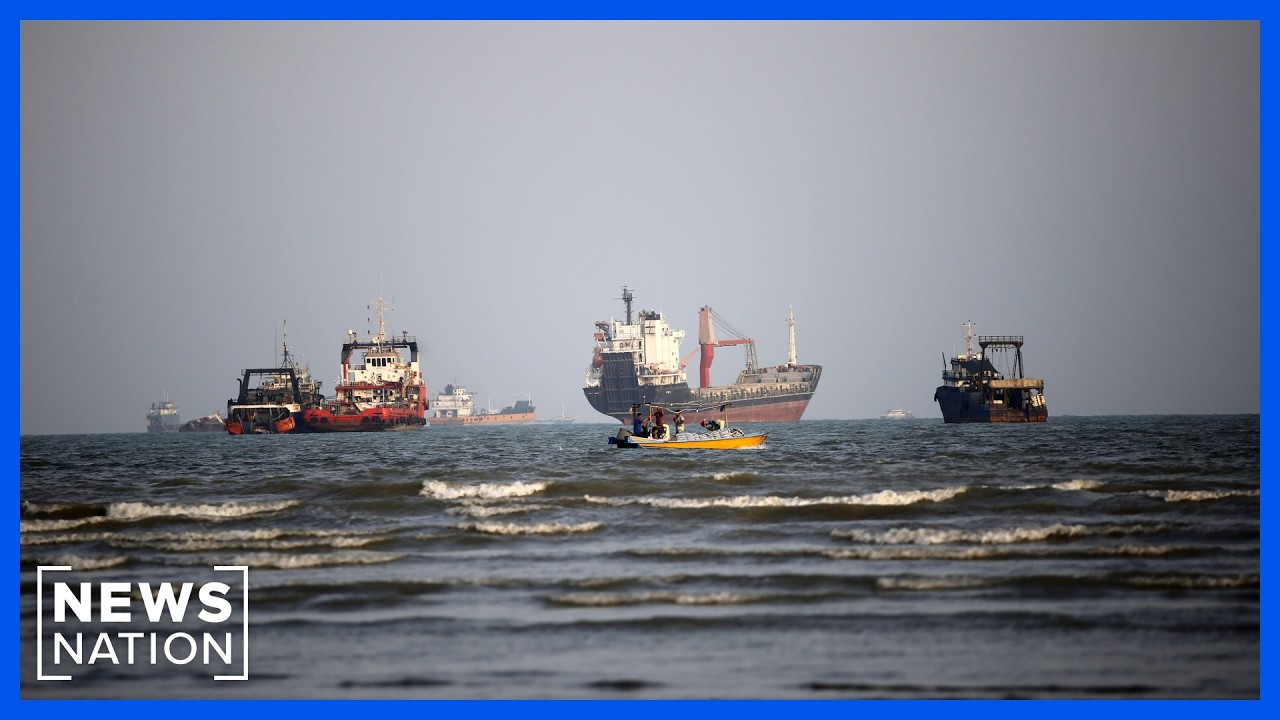
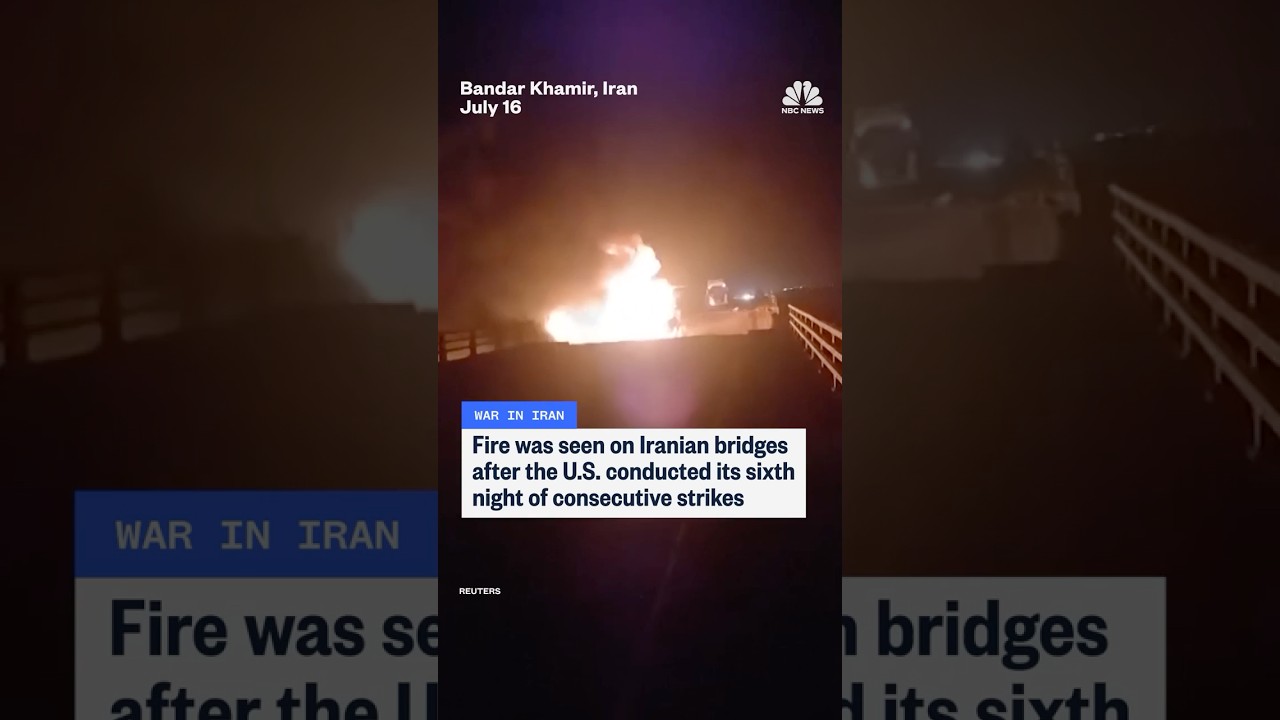
The core issue is whether the surge in attacks indicates a capacity to sustain a conflict or a loss of diplomatic bargaining power. When a state faces a naval blockade and economic isolation, it often resorts to asymmetric strikes on commercial shipping to create global instability. This tactic aims to force opposing powers to prioritize the flow of energy over the enforcement of sanctions.
Such patterns occur when a regional power cannot win a conventional naval confrontation but can inflict high costs on global trade. The goal is to transform a local blockade into a global economic crisis to extract concessions.
Divergent interpretations of military capacity and strategic intent
Coverage is split between analyzing the tactical impact on trade and the political credibility of leadership. CNBC focuses on the material cost of the escalation, noting that attacks have pushed exports to 40% below prewar levels and resulted in at least 24 sailor deaths. This reporting engages with the essential question by providing the empirical scale of the disruption.
Other outlets frame the event through the lens of political power. Mediaite highlights a contradiction between official claims of military destruction and the reality of ongoing attacks. Washington Examiner interprets the escalation as a sign of weakness, arguing that hardliners are reacting to the failure of their strategy to hold the waterway hostage.
While the reports identify the symptoms of the conflict, they largely omit the structural relationship between naval blockades and the inevitable rise of asymmetric maritime warfare. The coverage focuses on whether the current actor is winning or losing rather than how the mechanism of transit-lane pressure typically functions in such conflicts.
Euronews reports IRGC expansion of maritime strikes to the wider region
New coverage from 1 outlets
Coverage has shifted from the immediate impact of the blockade to the geographic expansion of the offensive. Euronews reports that the IRGC is now targeting vessels in the Gulf of Oman and near the coasts of Qatar and the UAE, moving beyond the narrow confines of the Strait of Hormuz. This reporting engages with the essential question by demonstrating a shift in strategy: the actor is no longer just holding a single transit lane hostage but is attempting to project risk across the wider regional maritime environment.
While this expansion suggests a broader capacity to disrupt shipping, the coverage also notes a counter-narrative from US Central Command regarding the clearing of main shipping lanes. The reports highlight a divergence between the IRGC's claims of regional enforcement and the US assertion that the primary lanes remain safe. This focus on territorial reach provides a new metric for evaluating whether the escalation is a sign of resilience or a desperate attempt to maintain leverage as other regional oil exports return to pre-war levels.
Fortune reveals record hazard pay and freight rates reaching 1.3 million dollars per day
New coverage from 1 outlets
Coverage has moved from the territorial reach of the offensive to the specific economic distortions created by the risk. Fortune provides unique data showing that the escalation has created a volatile market where tanker captains earn up to $100,000 a month plus bonuses, while freight rates for some cargoes have hit $1.3 million per day.
This reporting engages with the essential question by quantifying the cost of the asymmetric strategy. It demonstrates that the actor is not merely disrupting flow but is forcing the global market to subsidize the risk through 'danger money' and war risk insurance.
By highlighting the resulting tanker shortage and the pressure on oil producer margins, the coverage shifts the metric of success from military reach to economic attrition. The focus is now on whether the global shipping industry can sustain this cost bubble before diplomatic concessions are forced.
CNN reports Iranian escalation as a response to economic collapse and US election timing
New coverage from 1 outlets
CNN engages with the essential question by framing the current escalation as a direct result of a sinking economy. The report links the increase in tanker attacks to a specific strategic goal: regaining leverage as the US economic blockade takes hold. By citing Kpler data showing a significant drop in tanker transits, the coverage provides a concrete metric for the effectiveness of this pressure.
This reporting introduces a political dimension by noting that the US response is constrained by the November 3rd midterm elections. The focus shifts from the purely military or economic capacity of the actors to the temporal window of vulnerability created by domestic political cycles. It suggests that the actor is timing its asymmetric strikes to exploit a period where the opposing power is hesitant to risk further energy price spikes.
While the coverage identifies the motive for escalation, it focuses on the immediate political calculus of the US administration. It omits a deeper analysis of whether this specific timing actually increases the likelihood of diplomatic concessions or merely prolongs the state of attrition.