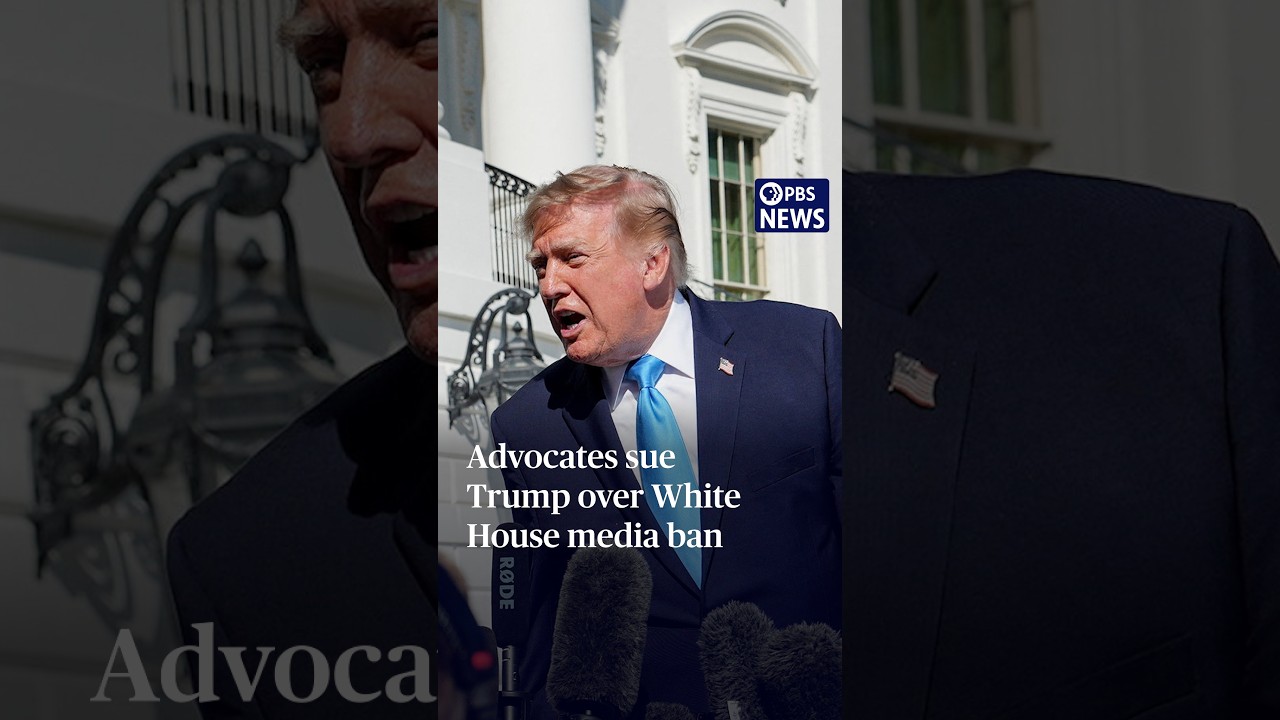
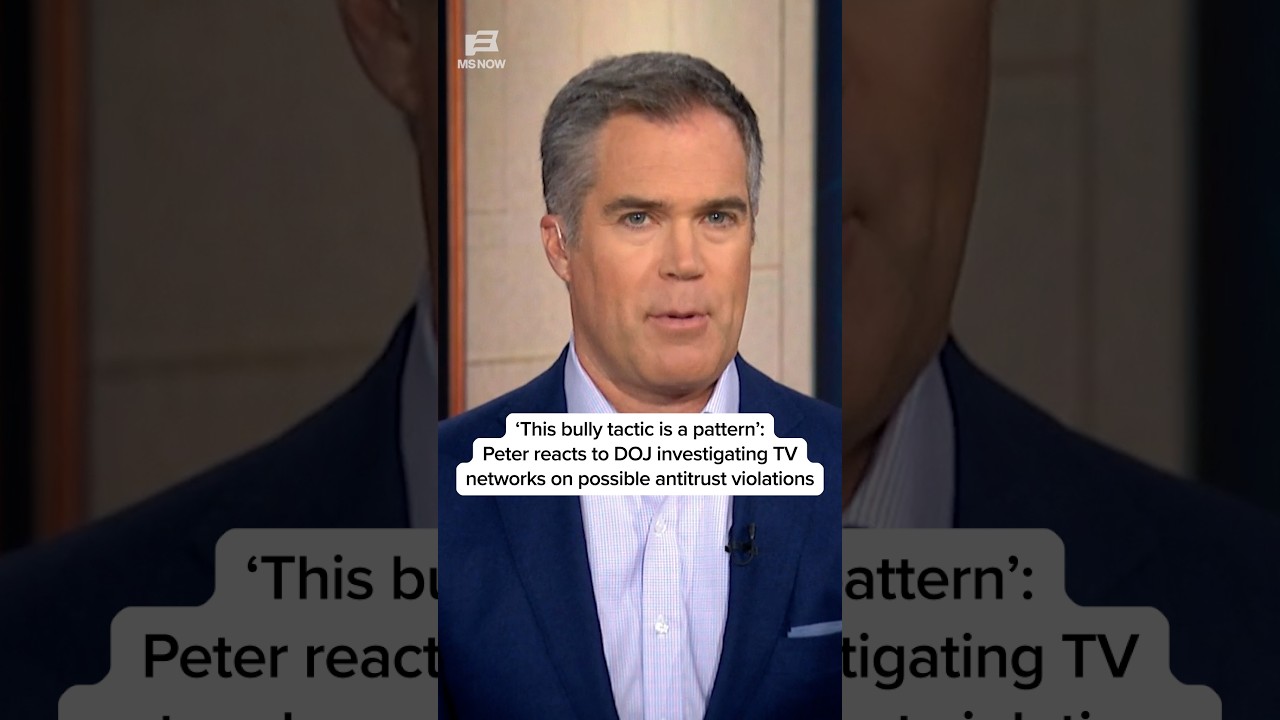
The core of this conflict is not about the truth or falsehood of specific reports, but about who controls the physical and symbolic gates of power. The executive branch views the White House as a private residence or a managed corporate office where access is a privilege granted to the loyal and revoked from the hostile. This structural tension arises because the administration treats the press pool not as a constitutional necessity for transparency, but as a public relations tool to be optimized.
When an administration perceives the media as an opposition force rather than a neutral observer, the point of contention shifts from the quality of journalism to the legality of the credential. The system relies on an unwritten gentleman's agreement that access is guaranteed regardless of the narrative. Once that agreement is discarded, the only remaining check is the judiciary, which must decide if a government building is a public forum or a private club. It is a convenient cycle where the executive tests the boundaries of authority and the courts spend years deciding if the fence was too high. The administration simply treats the legal battle as a cost of doing business while the silence of the banned is the intended product.
Most outlets immediately framed this as a clash between authoritarian impulses and the First Amendment. Outlets like CNBC, Mediaite, and Newsweek focused on the potential unconstitutionality of the ban, while The Guardian and Deadline viewed it as a calculated campaign to silence critics. Only the Daily Caller provided a counter-narrative, arguing that the purge is a legitimate cleanup of corrupt and dishonest actors. This divide shows a press corps that is more interested in its own status as a victim of censorship than in the specific accusations of corruption leveled against them.
While several reports mentioned the $8 million in government subscriptions involving Politico, the broader press largely ignored the financial ties between the state and the media. They preferred the safer, more dramatic narrative of a free press under siege rather than investigating the structural dependencies that make such accusations possible. By focusing on the legality of the ban rather than the validity of the corruption claims, the coverage fails to answer whether the press has become too cozy with the state to be truly independent. The media is so enamored with its role as the persecuted truth-teller that it forgets to check if its own pockets are full of government money. It is a masterclass in professional narcissism.
From constitutional crisis to a study of presidential frustration
Recent coverage has shifted from the legality of the ban to the emotional state of the president. Rather than debating the boundaries of government property, reports from the BBC and others now frame the purge as a reflexive lash-out triggered by a string of institutional losses and plummeting approval ratings.
This move turns a structural conflict into a personality study. By treating the ban as a symptom of vulnerability rather than a calculated exercise of power, the press avoids the harder question of whether the executive actually has the right to lock the gates. The narrative has drifted from the law to the mood swing, offering the reader a psychological profile instead of a legal precedent.
From the President's Mood to the Architecture of Media Control
Recent coverage has expanded the scope from the president's personal temperament to the structural risks of media consolidation. By linking the White House ban to corporate mergers, some reports suggest the real danger is not just a locked gate, but a government-aligned monopoly that owns the gate itself.
At the same time, the administration is attempting to pivot the conversation toward national security. By framing critical reporting as a threat to the state, the narrative shifts from a First Amendment dispute to a question of loyalty. The press is now caught between two extremes: one side treating the ban as a precursor to a corporate media purge, and the other treating it as a wartime necessity.
Reports reveal specific critical clips and a lack of media allies triggered the White House ban
New coverage from 4 outlets
These reports move the conversation from abstract constitutional theory to the petty mechanics of the ban. By highlighting that a single critical clip and a perceived lack of television allies triggered the purge, the coverage reveals that the 'security' justification is a thin veil for a personal grievance. The conflict is no longer about the law, but about the administration's inability to handle negative feedback.
Coverage is now pivoting toward the long-term cost of this hostility, framing the ban as an epistemological trap that isolates the government from necessary correction. This shift reflects a common press habit of moving from the 'what' of a scandal to the 'why' of the failure, attempting to diagnose the administration's dysfunction rather than just documenting its actions.
For the reader, this means the story has evolved from a legal dispute into a study of institutional decay. The press is now arguing that the ban is not just an attack on journalists, but a strategic error that renders the executive incapable of effective governance.
White House removes CNN from television pool and replaces it with pro-administration crews
New coverage from 2 outlets
The conflict has moved from a general dispute over access to the systematic dismantling of the television pool, a decades-old mechanism for shared journalistic access. By replacing a primary network with local and friendly crews, the administration is not just banning individuals but rewriting the operational rules of the press corps.
These reports now prioritize the technical breach of precedent and the immediate preparation for First Amendment lawsuits. The press is shifting from diagnosing the president's mood to documenting the specific administrative steps used to erase critical eyes from the official record.
This pattern suggests a press corps that feels the theoretical debate over 'governance' has ended and the physical fight for survival has begun. The narrative is no longer about whether the ban is a mistake, but whether it is a legal assault that can be stopped in court.
Major networks suspend pool coverage as former anchors allege failed appeasement strategies
New coverage from 5 outlets
The conflict has evolved from a legal dispute over access into a full-scale industry boycott. By suspending pool coverage and withholding photographs, the major networks are no longer just filing lawsuits; they are using their own distribution power as a weapon to create a visible information vacuum.
At the same time, a new internal critique has emerged. Some reports are now looking inward, suggesting the ban was not just a presidential whim but the inevitable result of news management attempting to appease the administration through rightward editorial shifts.
This shift reveals a press corps that is simultaneously presenting a united front to the public while fracturing internally over its own complicity. The narrative has moved from the president's illegality to the media's own strategic failures, turning a story about censorship into a post-mortem on professional surrender.
Melania Trump grants CNN access while JD Vance defends the ban as a fight against propaganda
New coverage from 3 outlets
These reports reveal that the ban is not a monolithic wall but a leaky sieve. The fact that the First Lady's office granted credentials to a barred network while the President maintains the purge suggests a fragmented command structure where the 'rules' of access are applied inconsistently.
Coverage is now splitting between the technical irony of the ban—where the administration's own events suffer from silent audio because they chased away the people with the microphones—and the political justification that this is simply a fair response to 'far-left propaganda.'
By highlighting these contradictions, the press is moving away from a collective identity as a victim and toward a more opportunistic framing of the administration's internal chaos. The story is no longer just about the loss of a badge, but about a government that cannot decide if the press is a security threat or a convenient guest depending on who is signing the pass.
Laurence Tribe compares presidential power to absolute monarchs
New coverage from 1 outlets
Coverage has pivoted from the petty mechanics of the ban back to the overarching threat of authoritarianism. By utilizing constitutional expertise to compare the current executive to absolute monarchs, these reports frame the press purge not as a standalone dispute, but as a symptom of a leader who views himself as above the law.
This resurgence of the 'dictatorship' narrative suggests the press is tired of arguing over badges and is returning to the safer, more sweeping territory of historical precedent. The focus has shifted from the locked gate to the hand that holds the key, treating the lack of congressional resistance as the real crisis.
For the reader, the story is no longer about whether a journalist can get into a room, but whether the structural guardrails of the republic have already dissolved. The ban is now presented as a mere footnote in a larger argument about the death of constitutional accountability.