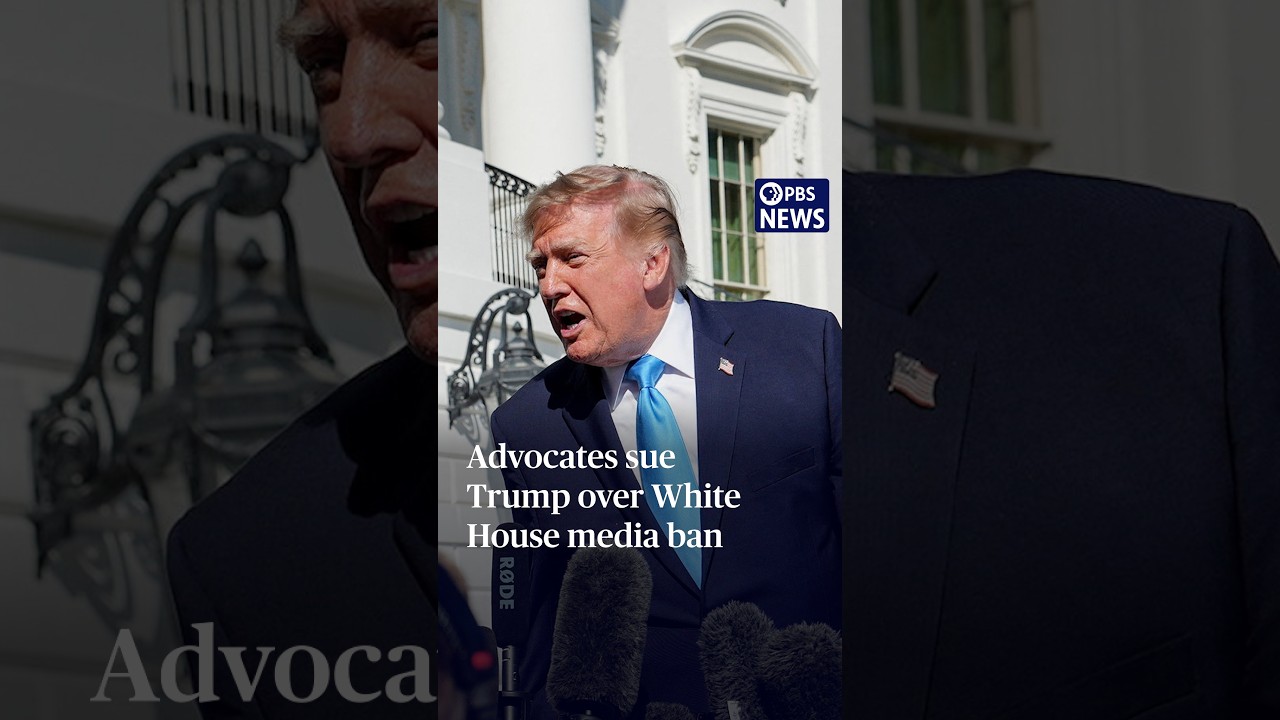
The conflict between administrative privilege and press access
The core issue is whether the government can legally restrict access to official transport based on the perceived professionalism or nature of a news outlet's reporting. The administration argues that travel on Air Force One is a privilege, not a right, and that limited space justifies the exclusion of certain organizations.
This conflict arises because the executive branch controls the physical means of accompanying the head of state. When access is denied to specific outlets while others are admitted, the dispute shifts from a matter of logistics to a question of whether the state is using administrative discretion to punish critical coverage.
Focus on legal disputes and the pattern of exclusion
The coverage focuses on the tension between the administration's claims of professionalism and the media's claims of constitutional violations. Deadline and Mediaite highlight the broader pattern of replacing critical outlets with friendly ones, while the Washington Examiner provides a more restrained account of the denied access and the ongoing legal review.
Most outlets engage with the essential question by framing the event as a clash between executive power and press freedom. However, they largely rely on the arguments of the parties involved without analyzing the structural precedent of how access is granted. Deadline provides the most comprehensive context by noting that the Associated Press is also challenging these restrictions as viewpoint discrimination, showing that the conflict extends beyond the specifically barred outlets.
TIME reports administration continues travel restrictions despite federal court restraining order
New coverage from 1 outlets
The dispute has moved from a theoretical legal debate to a concrete defiance of judicial intervention. TIME engages with the essential question by reporting that the administration continues to restrict pool travel even after a federal judge issued a temporary restraining order on September 24 to restore access.
This development changes the nature of the conflict. It is no longer just a disagreement over administrative discretion, but a question of whether the executive branch is willfully ignoring court orders to maintain its control over the press. The reporting highlights a pattern where the administration uses the 'privilege' argument as a shield to bypass legal mandates.
Major networks decline pool duties in solidarity as Politico is barred from Air Force One
New coverage from 2 outlets
These reports deepen the conflict by documenting a transition from individual legal battles to collective industry resistance. NBC News engages with the essential question by reporting that NBC, ABC, CBS, and Fox News have declined pool duties in solidarity after the administration restricted CNN's access. This move shifts the dispute from a narrow legal argument over 'privilege' to a broader professional boycott by the major networks.
HuffPost and NBC News both highlight that the exclusion of Politico from a trip to Nebraska follows a pattern of removing critical outlets while favoring others. HuffPost specifically notes that the administration's 'privilege' argument contradicts previous judicial findings where Judge Tim Kelly rejected national security justifications for banning journalists. The coverage demonstrates that the administration is not merely managing logistics, but is systematically applying restrictions to outlets it has publicly labeled as 'fake news'.