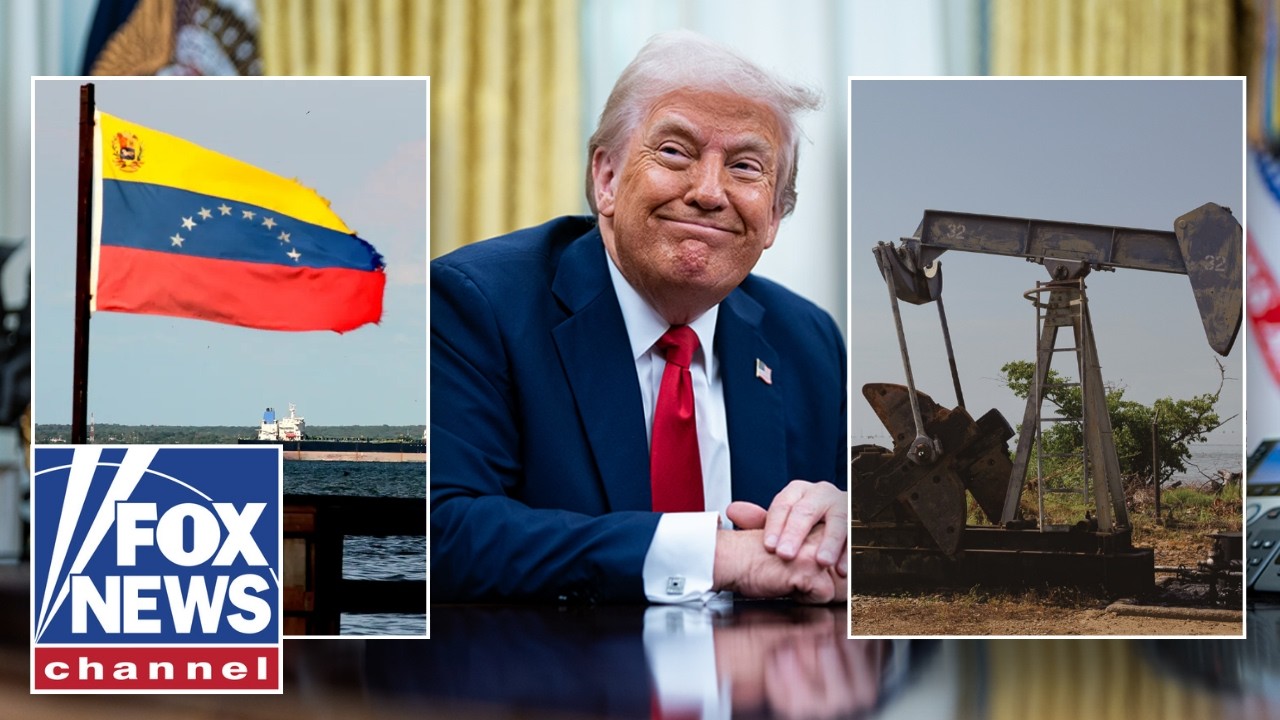
The Trump administration entered an agreement with Venezuela's interim government, led by President Delcy Rodríguez, granting North American Blue Energy Partners (NABEP) rights to 17 oil fields. The deal involves a $100 billion investment commitment and provides the U.S. government with equity and discounted oil purchase rights. The administration claims the move will lower domestic gas prices and secure strategic reserves, while critics argue it empowers dictators and undermines democratic goals.
Editor's Analysis
Fox and Breitbart frame the deal as a strategic necessity or a point of political contention, showing a pattern of prioritizing national interest and administrative defense, which characterizes the supportive coverage. Gnews_world and Yahoo_finance highlight ethical flaws and misleading claims regarding the SPR, reflecting a pattern of skepticism that defines the critical coverage. Despite the focus on U.S. strategy and ethics, none of the 71 articles address the specific environmental impact of NABEP's operations in the 17 oil fields, representing a substantial missing perspective regarding ecological sustainability.
Critical coverage dominates with mid-to-high intensity bias.
The Guardian reveals legal barriers to the Pentagon taking equity in the oil deal
New coverage from 8 outletsThe debate has moved from political theater to legal viability. These reports no longer just question the ethics of the deal but challenge its existence, with The Guardian revealing that both U.S. and Venezuelan laws likely prohibit the specific equity stakes and lease terms claimed by the administration.
Coverage now splits between those treating the deal as a fait accompli for energy dominance and those framing it as a tool for state corporatism. Some reports highlight how the arrangement prioritizes resource seizure over democratic transitions, effectively paying off an illegitimate leader to keep the oil flowing.
This shift reflects a press pattern of moving from surface-level political reactions to structural investigations once specific intermediaries and legal mechanisms are identified. For the reader, the story is no longer about whether the deal is a good idea, but whether the deal is even legal.