Iran's IRGC launched drone attacks against Kuwait, targeting government, civilian, and US military assets at Ahmad Al-Jaber airbase. These actions followed US Central Command strikes on IRGC targets in several Iranian provinces, including a residential home on Qeshm island. The US is planning potential new strikes on Iranian missile and nuclear infrastructure, while Iran has shut the Strait of Hormuz.
Editor's Analysis
All 3 articles report on the IRGC drone attacks and US Central Command strikes, showing a consistent focus on the cycle of mutual retaliation and regional escalation. Two of 3 articles specifically highlight the contradiction between the US administration's desire for a war exit and the expanding conflict, characterizing the coverage as focused on geopolitical instability. Only 1 outlet mentions the closure of the Strait of Hormuz, leaving the critical economic implications of the maritime blockade as a substantial missing perspective.
Critical coverage is slightly more prevalent than neutral, though the overall bias intensity remains low.
CBS News reveals Iranian attacks on Camp Buehring and $3.7 billion in equipment losses
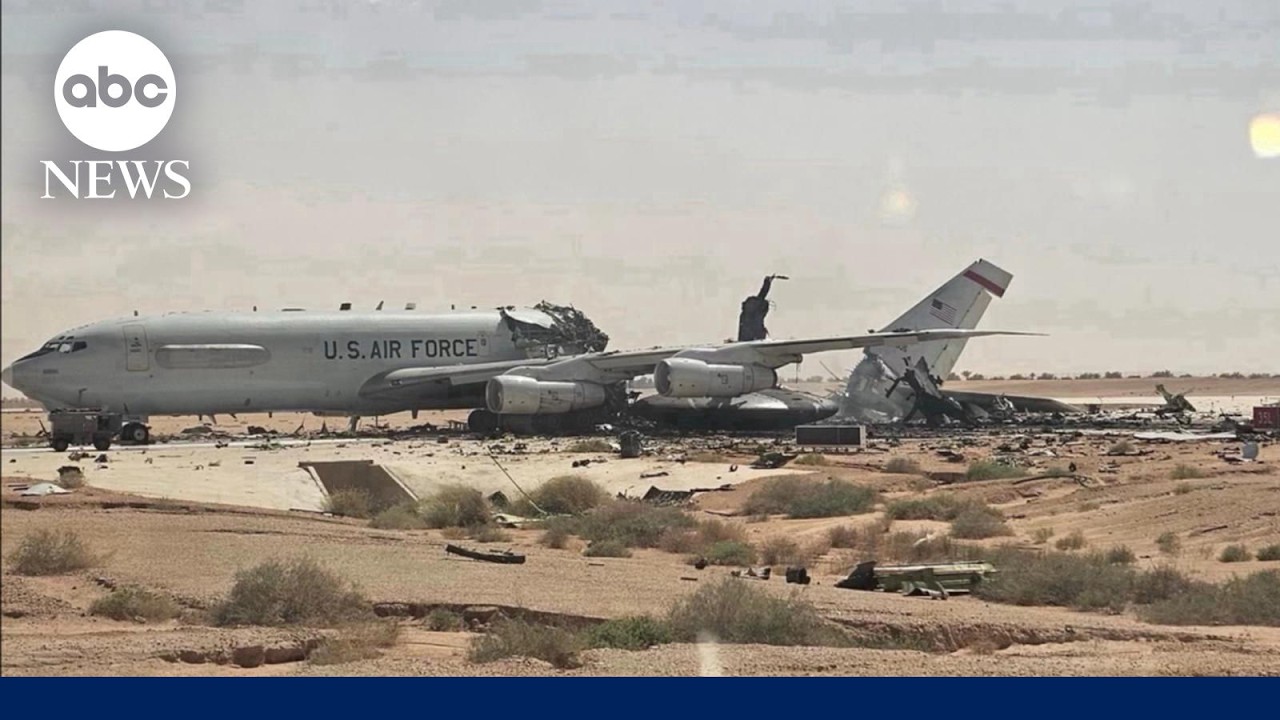
New coverage from 2 outletsCoverage has deepened from general regional escalation to specific operational failures during the opening of the war. CBS News provided exclusive footage and witness accounts showing that Iranian ballistic missiles, drones, and fighter jets struck Camp Buehring in Kuwait. This report confirms that soldiers faced critical shortages of .50-caliber ammunition and felt abandoned by leadership, while the Defense Department's inspector general recorded $3.7 billion in equipment losses.
CBS News and Daily Caller both engaged with the essential question of the conflict's scale by detailing the vulnerability of US infrastructure. However, Daily Caller focused more on the lack of transparency regarding the attacks, while CBS News highlighted the broader geographic scope, noting that Iranian strikes hit bases across at least eight different countries. The reporting focus has shifted from the geopolitical desire to exit the war toward the concrete material and tactical costs of the engagement.