JUSTSUSS AI-powered press divergence analysis
Headline news 2026.09.18 20:52 created · 09.19 04:48 updated
← Card Feed

Pete Hegseth Denies Reports of Underreported Military Deaths

Dispute over official U.S. military death tolls in Iran war.

Event Overview

A Washington Post report, citing six U.S. officials, claims the Pentagon has underreported U.S. military fatalities in the Iran war. The officials stated that at least 22 or 23 service members have died, a figure higher than the 14 listed in the Pentagon's public database.

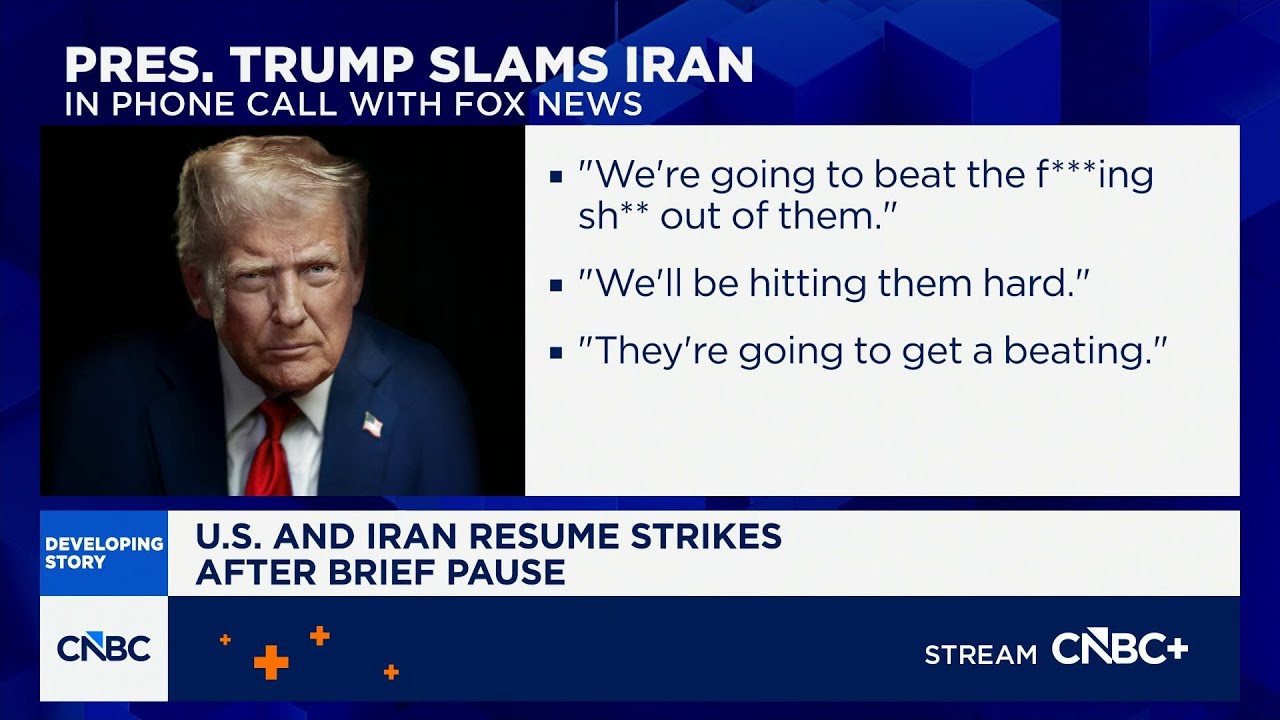
Defense Secretary Pete Hegseth condemned the report, describing it as "DISGUSTING and FAKE" and a "complete LIE," while comparing the news outlet to Iranian state media.

Source facts (5)
1.

Six U.S. officials claim more American service members died in the Middle East during the Iran war than the Pentagon publicly disclosed.

Washington Post
2.

The Washington Post reported that at least 22 or 23 service members have died.

Mediaite
3.

Defense Secretary Pete Hegseth described the Washington Post report as 'DISGUSTING and FAKE'.

Mediaite
4.

Army Sgt. Angel S. Rampersad was killed in the conflict.

Washington Post
5.

A previous New York Times report also addressed the Pentagon lowering casualty figures.

Mediaite

Message Distribution

Editor's Analysis

The core issue is whether the state views the death of a service member as a biological fact or a political liability. Military bureaucracies often manage casualty lists through a lens of strategic communication to avoid public fatigue or political blowback. They utilize narrow definitions of combat-related deaths to keep official tallies low. This allows the institution to maintain a facade of low cost while continuing operations that carry high risks.

When internal data leaks, the conflict shifts from a factual dispute to a battle over legitimacy. The institution typically responds by attacking the source of the leak or the messenger rather than auditing the data. This pattern ensures that the mechanism for counting the dead remains an internal prerogative. It transforms the act of mourning into a managed public relations exercise.

Truth is a secondary concern when the primary goal is the preservation of institutional prestige. The ledger of the dead is simply another tool for managing the optics of war.

The initial coverage splits between the factual discrepancy and the political theater of the response. The Washington Post provides the only exclusive evidence, citing six officials to claim that 22 or 23 service members died, contradicting the public database. Other outlets shift the focus toward the reaction of the Defense Secretary, who dismissed the report as fake. This transition moves the story from a question of military accountability to a clash of personalities and media warfare.

Some coverage further dilutes the issue by bundling it into a broader narrative of general government chaos. By placing casualty reports alongside unrelated news about vaccines or security breaches, the gravity of underreported deaths is reduced to a mere symptom of a toxic administration. The press as a whole fails to investigate the specific criteria the Pentagon uses to exclude deaths from its public records. They focus on the shouting match rather than the accounting method.

Most outlets are content to report the fight over the numbers without asking why the numbers were wrong in the first place. They treat the Defense Secretary's anger as the story instead of the missing soldiers.

From counting the dead to auditing the failure of the war strategy

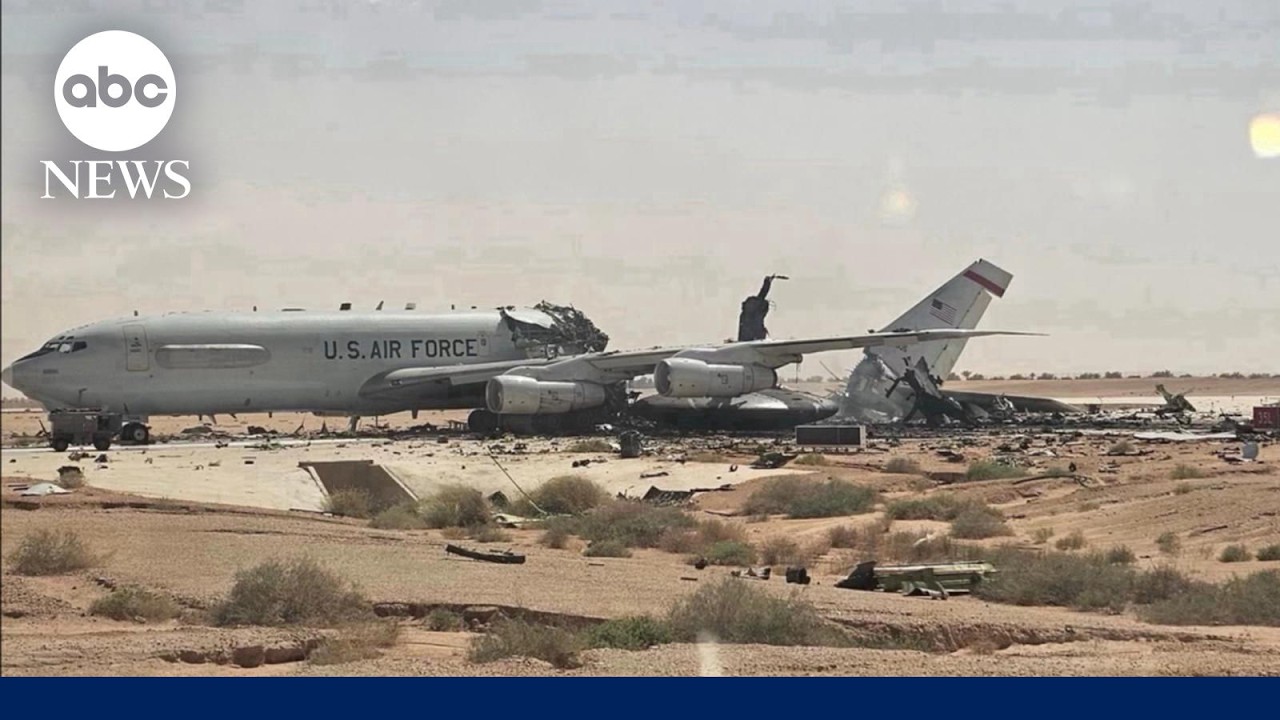
Recent coverage has shifted from a narrow dispute over numbers to a broader indictment of a systemic cover-up. Reports now link underreported deaths to leaked images of destroyed infrastructure and massive operational deficits. This transition moves the story beyond a clerical error and frames the casualty gap as a deliberate tool to mask strategic failure.

Some reports further escalate the stakes by introducing the possibility of impeachment for the Defense Secretary. This turns a military accounting issue into a high-stakes political survival game.

The press is finally moving from the 'what' to the 'why', though they are still treating the political theater of impeachment as a primary lead.

Coverage flow

Coverage volume

09/18 · 6

Focus shift

09/18
Pete Hegseth
2
Donald Trump
1
Department of Defense
1
Pentagon
1
Trump administration
1

Story timeline

09/18 Trump governs via chaos

Recommended Reads

News Story

Story: Iran Launches Missile Attacks on U.S. Middle East Facilities

Card 4 of 7 in this story

Iran Launches Missile Attacks on U.S. Middle East Facilities
Jul 25 · 3 outlets
Where it started
US and Iran Exchange Military Strikes in Middle East
Aug 1 · 4 outlets
↳ Follows “Iran Launches Missile Attacks on U.S. Middle East Facilities”
Iranian Strikes Damage U.S. Middle East Bases
Sep 15 · 9 outlets
Pete Hegseth Denies Reports of Underreported Military Deaths
Sep 18 · 5 outlets · Viewing now
Iranian Attacks on U.S. Naval Support Activity Bahrain
Sep 21 · 3 outlets · ⇄ Story: Alphabet Reports Negative Free Cash Flow for Second Quarter
↳ Follows “Iranian Strikes Damage U.S. Middle East Bases”
Pentagon Updates U.S. Military Fatality Count in Iran War
Sep 22 · 3 outlets
U.S. Soldiers Report Medical Failures After Kuwait Strike
Oct 5 · 3 outlets
↳ Follows “Pete Hegseth Denies Reports of Underreported Military Deaths”

Loading comments...