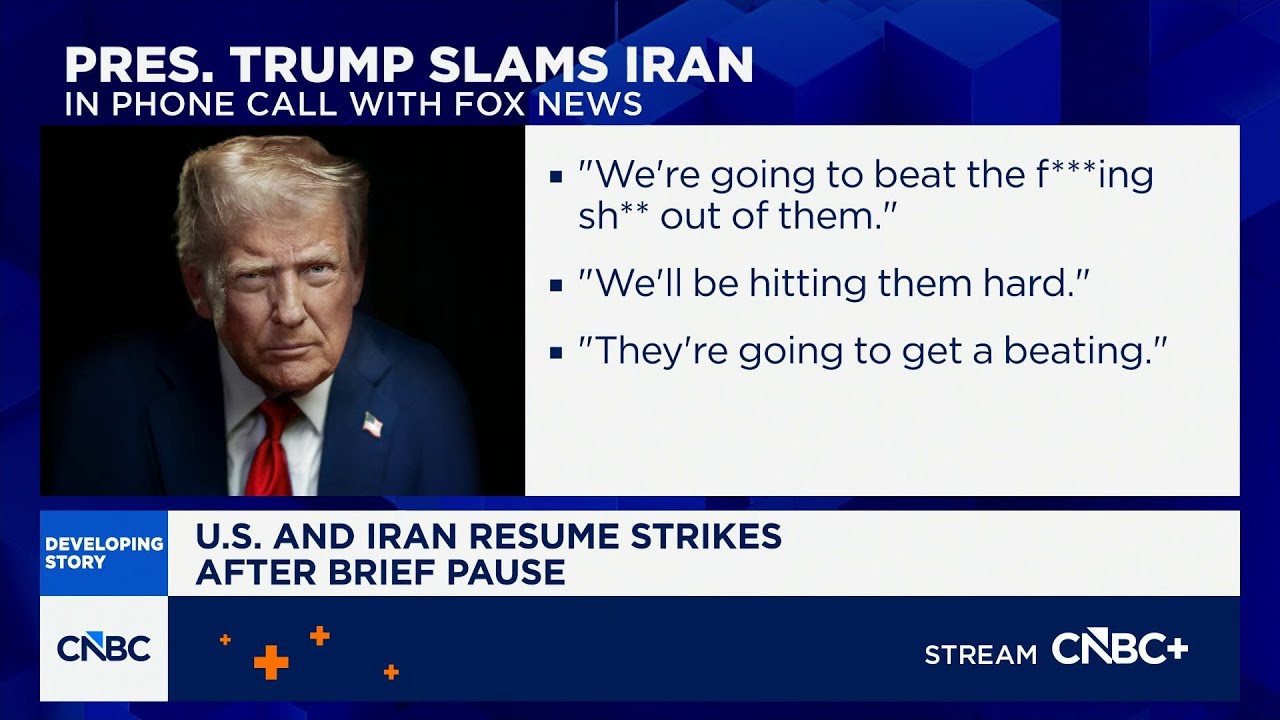
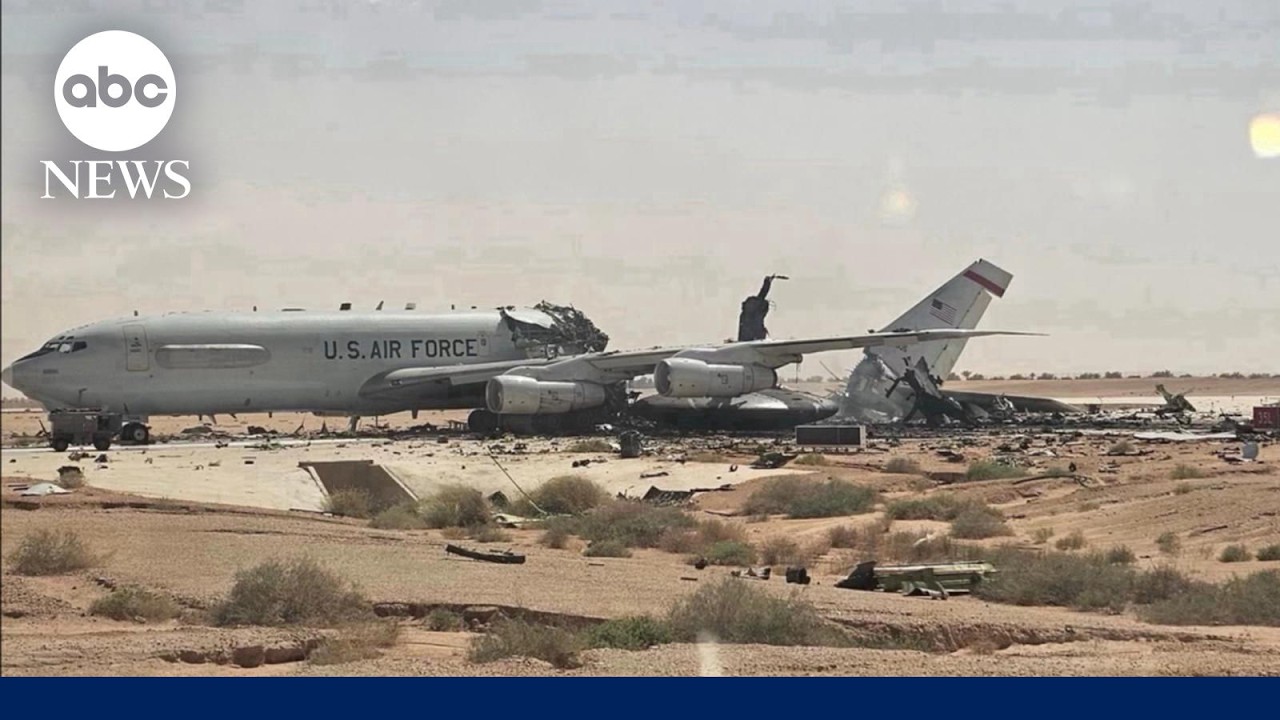
While Defense Secretary Pete Hegseth dismissed strikes as 'squirters' and President Trump claimed no aircraft damage in Jordan, a Pentagon inspector general's report and leaked photos tell a story of $3.7 billion in equipment losses and hundreds of destroyed buildings. The reality involves a devastated Boeing E-3 Sentry, up to 30 lost MQ-9 Reaper drones, and a logistical collapse in Bahrain that forced a retreat to Diego Garcia. The gap between the administration's rhetoric and the actual carnage—including $184 million in diplomatic facility damage—suggests a concerted effort to sanitize a campaign that cost $33.4 billion and left active-duty service members feeling the public has been kept in the dark.
The Department of Defense Office of the Inspector General has effectively dropped a fiscal bomb on the administration's narrative, detailing a $33.4 billion price tag for Operation Epic Fury. By pivoting from mere 'equipment loss' to the systemic cannibalization of training and maintenance budgets to cover these gaps, the coverage frame has shifted from a dispute over wreckage to a crisis of unsustainable funding. The media is finally moving past the 'he-said, she-said' of aircraft counts to examine the structural rot of a campaign funded by diversion rather than appropriation. It is a necessary sharpening; the story is no longer just about what was destroyed, but how the Pentagon is hiding the bill by raiding its own coffers.
gnews_world provides the critical financial connective tissue missing from previous reports, revealing that the $33.4 billion cost of Operation Epic Fury is being funded through the diversion of training and maintenance budgets due to a lack of Congressional appropriation. This transforms the story from a tactical failure into a systemic budgetary crisis, proving that the 'negligible damage' claim wasn't just a lie about hardware, but a shield for unauthorized spending.
Forget the ledger; the story has pivoted from a budgetary scandal to a visual autopsy of deception. While previous coverage obsessed over the 'how' of the funding, CBS and the BBC have shifted the frame toward the 'what'—using leaked imagery of severed radar jets and flattened trailers to transform an abstract fiscal dispute into a tangible scene of wreckage. This isn't just a revision of the damage count; it is a sharp pivot toward a narrative of active concealment, bolstered by sources claiming the public has been intentionally blinded. The media is no longer just auditing the Pentagon's books; they are now auditing its honesty in real-time, moving the goalposts from financial mismanagement to a systemic cover-up of operational failure.
CBS and the BBC provide the critical visual evidence that transforms the narrative from hearsay to forensic fact. By obtaining exclusive photos of widespread base damage—including a severed radar jet—and citing a military source who confirms this 'major damage' was withheld from the public, they provide the empirical proof needed to dismantle the administration's 'negligible damage' claim. This shifts the discourse from a debate over numbers to a documented case of public deception.
From auditing the wreckage to forecasting a global meltdown
The narrative has jumped from a localized audit of wreckage to a global panic over systemic instability. While previous reports focused on the Pentagon's lying and cheating with the books, recent coverage from the likes of JP Morgan and the BBC suggests that the conflict has outgrown all predictable economic models. The story is no longer about how much was destroyed, but about the fact that the 'red lines' for oil prices and interest rates have been crossed without any sign of a diplomatic exit.
This shift reveals a dangerous drift from the initial focus on accountability to a state of bewildered speculation. Reason highlights a grim reality where the war has expanded into Yemen and crippled Saudi pipelines, turning a tactical failure into a permanent drain on U.S. resources. The press is now oscillating between the mundane misery of rising gas prices and the apocalyptic possibility of tactical nuclear strikes on 'Pickaxe Mountain.' The media has stopped asking who is lying about the cost and started wondering if the cost will be the end of the global order.
19fortyfive reports Iranian strikes exposed critical US base vulnerabilities in Bahrain
New coverage from 1 outlets
The conversation has shifted from apocalyptic speculation about nuclear strikes to a clinical autopsy of US military doctrine. These reports argue that the strikes in Bahrain didn't just destroy buildings, but exposed a systemic failure where expensive interceptors are being defeated by cheap drones. The focus is no longer on the geopolitical fallout, but on the tactical absurdity of relying on fixed bases that have become liabilities rather than assets.
This move reflects a common press pattern of retreating from broad, unpredictable global forecasts to analyze specific, structural weaknesses. By linking the collapse of base logistics to the poor conditions aboard the USS Abraham Lincoln, the coverage transforms a series of isolated strikes into a blueprint for a 'slow-motion defeat.'
For the reader, the story is no longer about whether the world is ending, but about how the US is paying a premium for a defense strategy that is fundamentally obsolete.