Shifting from cost-plus to performance-based naval production
The core issue is whether the transition to a commercial investment model can overcome the chronic inability of the state to maintain a sufficient industrial base for submarine production. The $6.6 billion investment in the Arsenal-2 shipyard represents a shift where private capital assumes a significant portion of the financial risk.
In traditional defense procurement, the state typically covers upfront costs regardless of efficiency. By shifting to a model where the navy pays for successful production results, the system attempts to incentivize speed and innovation. This approach seeks to bypass the bottlenecks of established shipbuilders by introducing a tech-driven competitor into the supply chain for critical components.
Focus on strategic competition and the risks of private influence
The coverage focuses on the strategic necessity of this partnership to counter naval expansion by other powers. Fox News and NY Post frame the project as a solution to the failure of previous administrations to meet production targets, highlighting the commercial model as a tool for efficiency.
However, the outlets diverge on the potential risks. Fox News raises the question of a conflict of interest regarding the private sector's role in shaping future military requirements. NY Post points to a concrete trade-off, noting that the cancellation of the USS Boise overhaul was necessary to redirect funds toward this initiative.
While the reports explain the financial structure, they largely omit how the integration of a new private entity will practically coordinate with existing legacy shipbuilders. The coverage prioritizes the political and strategic victory of the investment over the operational challenges of merging tech-sector speed with heavy industrial naval construction.
PBS reports Anduril investment in Maryland shipyard as political tool for midterm elections
New coverage from 1 outlets
PBS focuses on the timing of the $3.7 billion investment in a Maryland shipyard, framing the announcement as a political instrument to improve economic perceptions ahead of the November 3 midterm elections. The report highlights a dispute between the White House and Maryland Governor Wes Moore over the governor's role at the event, centering the narrative on political optics rather than industrial capacity.
This coverage misses the essential question of whether the commercial model can resolve the systemic failure of submarine production. By prioritizing the electoral motivation and the friction between federal and state officials, PBS omits any analysis of how this specific site integration affects the actual production rate of Virginia-class submarines.
Trump announces 40% government stake in Arsenal-2 as ABC News reports 1789 Capital investment in Anduril
New coverage from 2 outlets
Fox News provides new concrete details on the financial structure of the project, reporting that the U.S. government will take a 40% stake in the Arsenal-2 shipyard. This detail deepens the understanding of the risk-sharing model by confirming that the state is not merely a customer of the output but an equity holder in the production facility. Fox News engages with the essential question of industrial capacity by noting the facility's initial focus on torpedo tubes to resolve specific production bottlenecks.
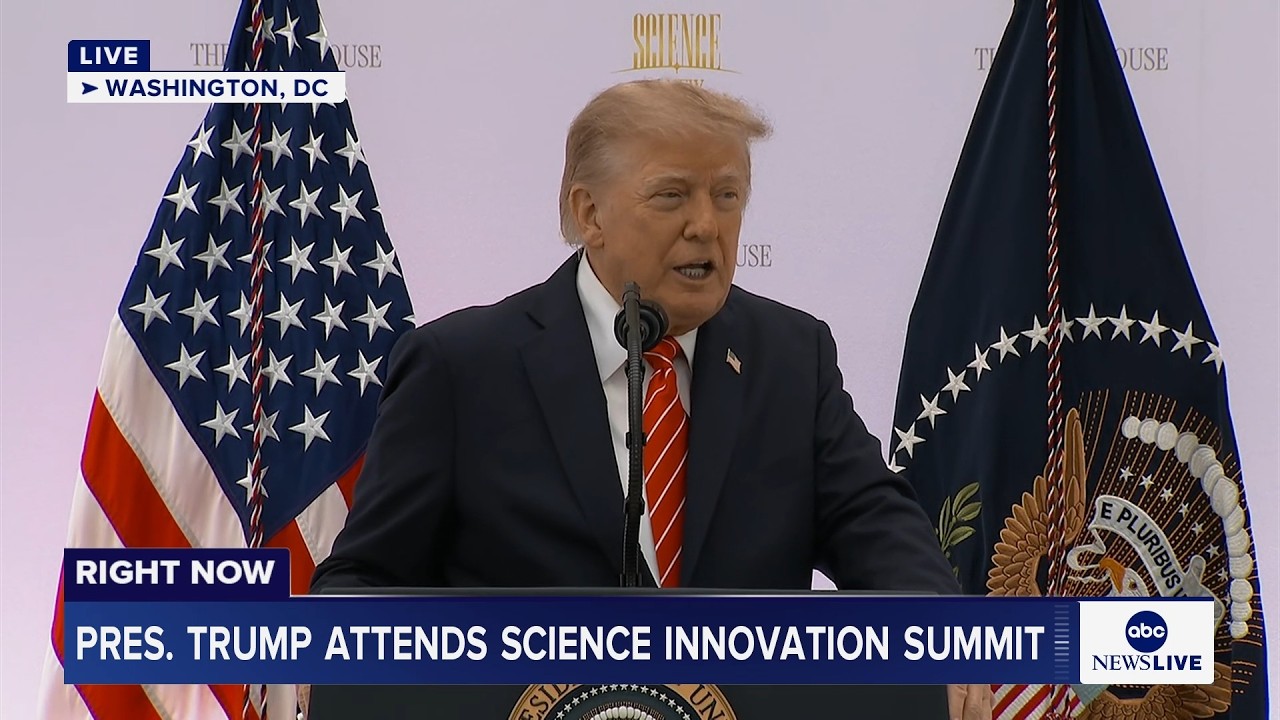
ABC News shifts the focus toward a conflict of interest, reporting that 1789 Capital, a firm where Donald Trump Jr. is a partner, has invested in Anduril. This report highlights a pattern where the firm invests in companies that subsequently secure large government contracts. By centering the narrative on the financial ties between the Trump family and the contractor, ABC News omits the core question of whether this commercial model can actually resolve the systemic failure of submarine production. The coverage prioritizes the ethics of the procurement process over the operational viability of the shipyard.