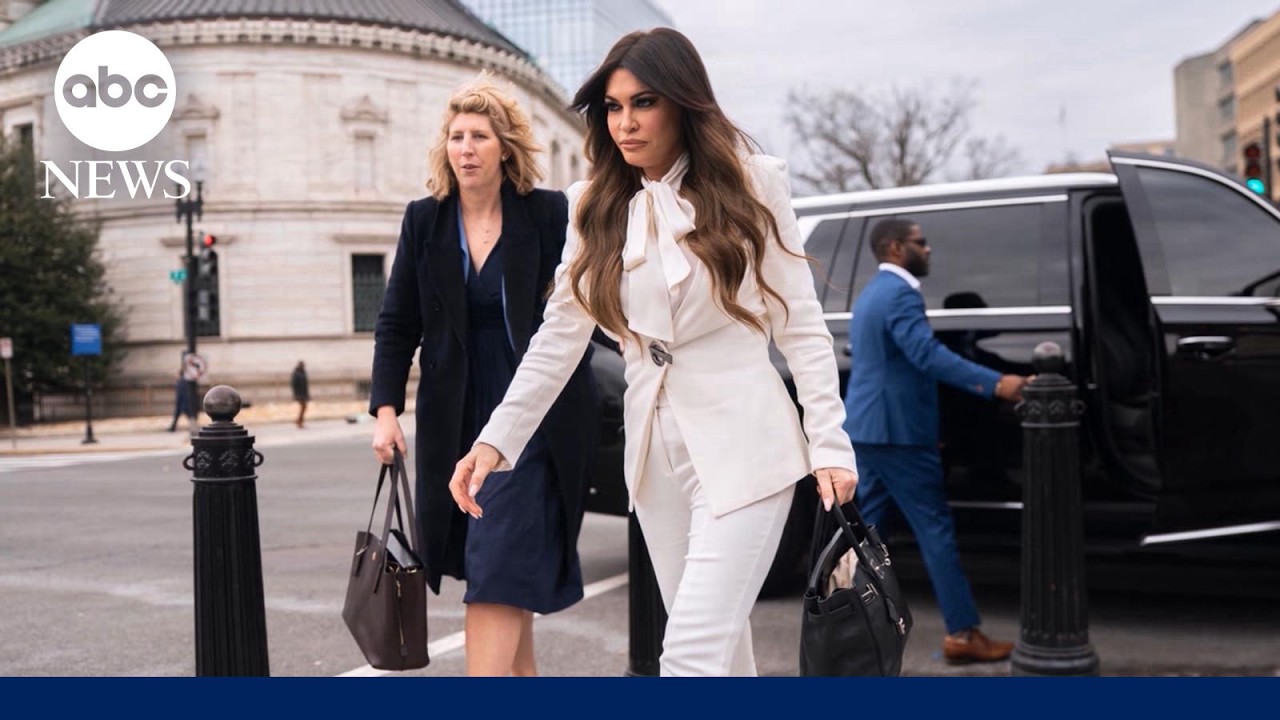
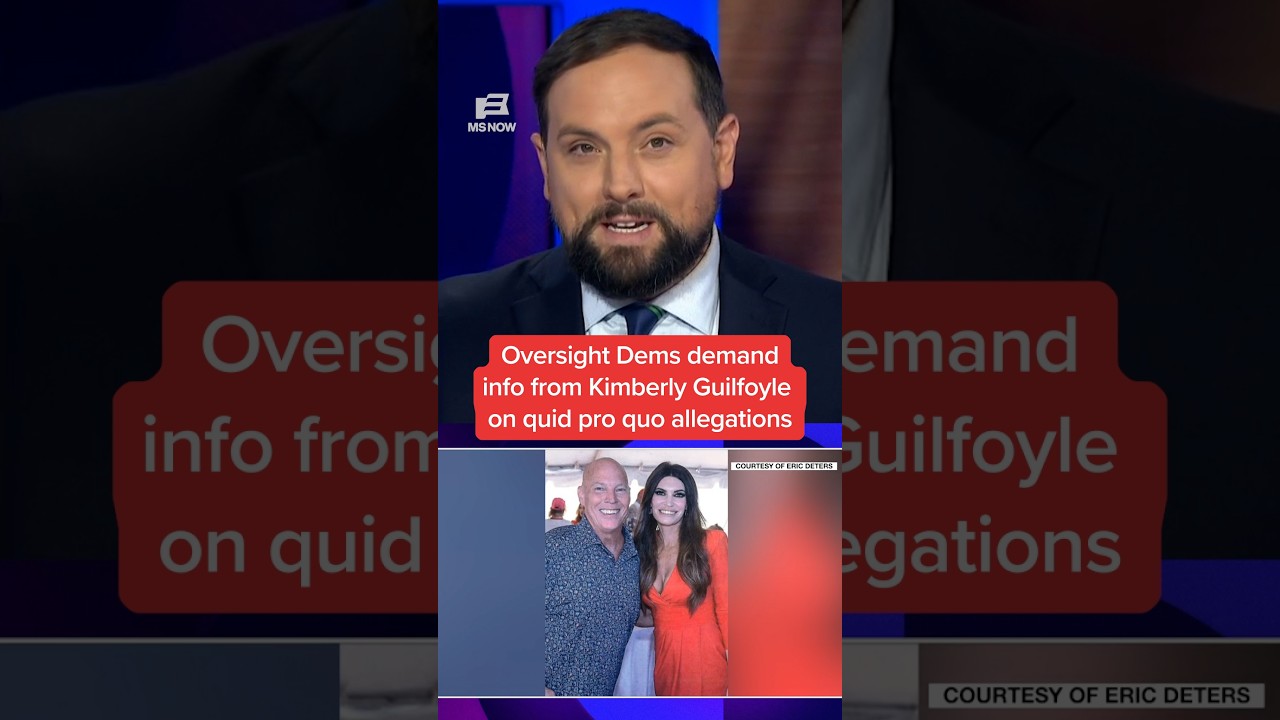
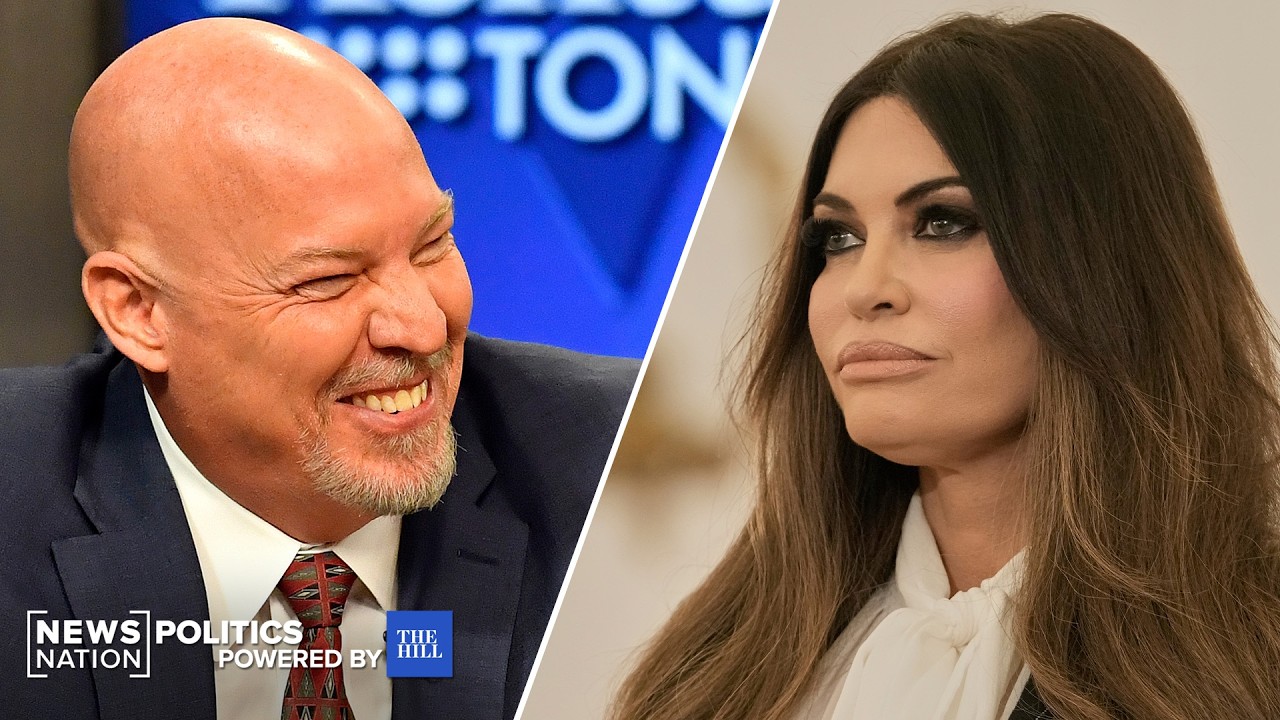
The tension between personal loyalty and diplomatic ethics
The core issue is whether the ambassador used the prestige and access of her office for personal financial gain. The allegations center on the exchange of administration access for a debt bailout and the promotion of private business interests through official channels.
Diplomatic appointments often involve a conflict between political loyalty and the neutral requirements of the state. When an appointee is chosen for personal ties rather than professional experience, the risk of treating a public office as a private asset increases. The resolution typically depends on whether the appointing authority views the conduct as a liability to the administration's image or as an acceptable byproduct of loyalty.
Focus on misconduct allegations and the risk of removal
The coverage focuses on the specific nature of the alleged corruption and the internal reaction of the administration. Fox News, The Guardian, and Mediaite all highlight the $100,000 credit card bailout as a central piece of evidence. Mediaite provides more detail on the mechanism of influence, citing an audio recording where the ambassador allegedly promised financial gains to a businessman and encouraged business with a specific construction CEO.
While the outlets agree on the severity of the claims, they diverge on the administration's stance. The Guardian notes a shift in sentiment, reporting that leadership is now extremely pissed off, whereas Fox News mentions a call for a fact-based approach from the Vice President. The coverage generally succeeds in detailing the allegations but relies heavily on anonymous sources and unverified messages, leaving a gap in confirming whether a formal investigation by the inspector general has actually commenced.
TIME reports State Department inspector general investigation and potential dismissal
New coverage from 1 outlets
The uncertainty regarding a formal probe has been resolved. TIME confirms that the State Department's inspector general is investigating the claims of influence peddling and the sale of political access. This transforms the narrative from a collection of leaked allegations into a formal administrative process.
TIME engages with the essential question of personal gain by linking the $100,000 debt bailout to the promotion of a Greek construction firm and the acceptance of luxury trips. By reporting that the President is considering dismissal, the coverage highlights that the conduct is now being weighed as a political liability rather than a private matter of loyalty. The reporting also notes a divergence in the administration's response, contrasting Secretary of State Marco Rubio's initial skepticism with the growing concern among other officials and Republicans.
PBS reports on the legal defense of the credit card bailout and the risk of dismissal
New coverage from 1 outlets
PBS engages with the essential question of personal gain by presenting the specific counter-argument from the ambassador's legal team. The defense claims the $100,000 in question was not a bailout for official access but payment for speaking engagements conducted before the nomination. This introduces a concrete legal dispute over the timing and nature of the funds, moving the narrative beyond leaked allegations to a clash of documented claims.
These reports also highlight a shift in the administration's internal dynamics. While previous coverage noted general tension, PBS specifies that Secretary of State Marco Rubio has moved from initial defense to being extremely pissed off. This indicates that the conduct is no longer being shielded by political loyalty but is being treated as an active liability to the State Department's operations.
BBC reveals Signal messages suggesting intentional concealment of credit card payments
New coverage from 2 outlets
The evidence regarding personal gain has moved from general allegations to specific claims of concealment. BBC engages with the essential question by reporting on Signal messages where the ambassador allegedly asked a donor to wire money to American Express, explicitly stating 'It won't show up anywhere'. This detail transforms the debate from a dispute over the timing of payments into a question of whether the ambassador intentionally bypassed transparency to hide the source of the funds.
CBS News and BBC both highlight that President Donald Trump is now considering firing the ambassador, signaling that the administration's internal tolerance for the conduct has reached a breaking point. While CBS News focuses on the authenticity of screenshots provided by a businessman, BBC provides a more direct link to the intent of concealment through the leaked messages. Both outlets credit the ambassador's legal team for denying the claims, but the reporting now centers on the immediacy of her removal rather than the slow process of an administrative probe.
President Trump publicly states he is considering firing Ambassador Guilfoyle
New coverage from 2 outlets
The narrative has shifted from the process of an administrative probe to the imminence of a dismissal. Newsweek and Washington Post both report that President Donald Trump has publicly stated he is considering the removal of Ambassador Guilfoyle, noting that the administration is 'not happy.'
Newsweek engages with the essential question of personal gain by connecting the $100,000 wire transfer request to the broader pattern of luxury travel and ties to Greek businessmen. It adds a new layer of analysis by citing prediction markets, which show a significant increase in the probability of her exit by the end of the year. This moves the discussion from legal defense and internal tension to a quantitative expectation of her removal.
Washington Post focuses narrowly on the President's statement and the specific allegation of the American Express bill. While it confirms the administration's dissatisfaction, it omits the broader context of the ongoing IG investigation and the specific counter-arguments regarding speaking fees that Newsweek includes. The coverage now treats the ambassador's position not as a matter of diplomatic tenure, but as a precarious political liability awaiting a final decision.