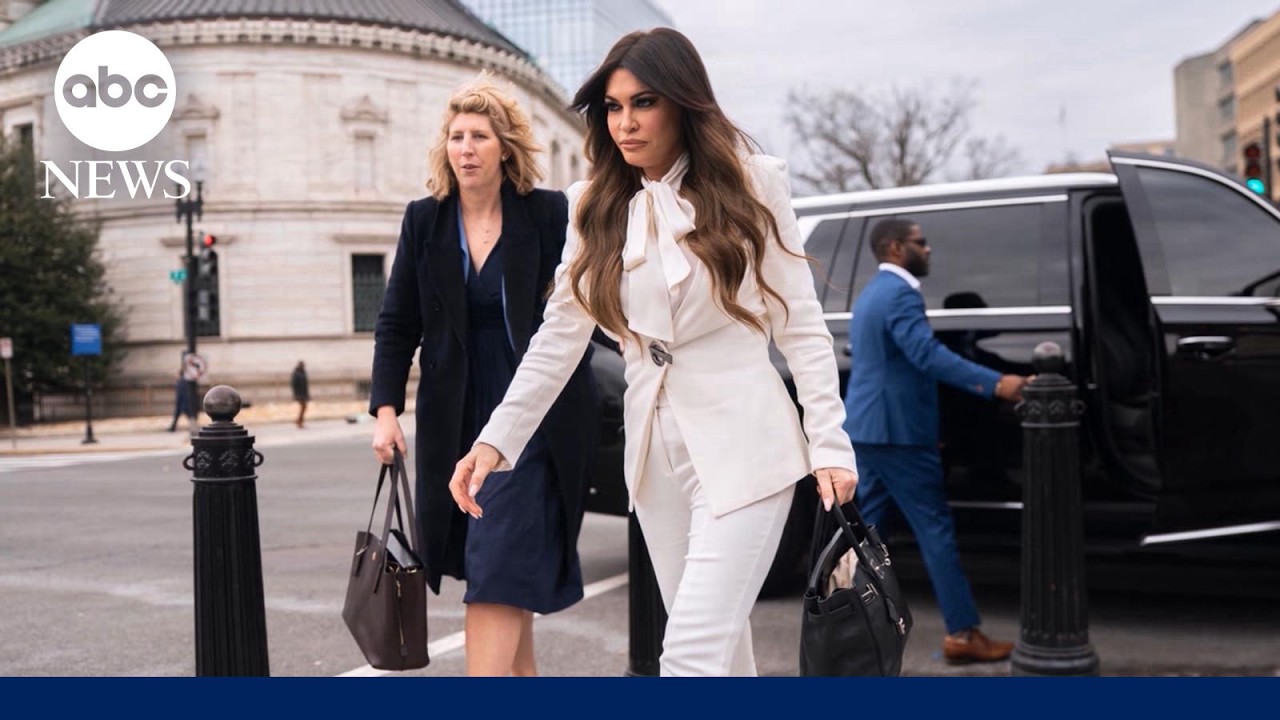
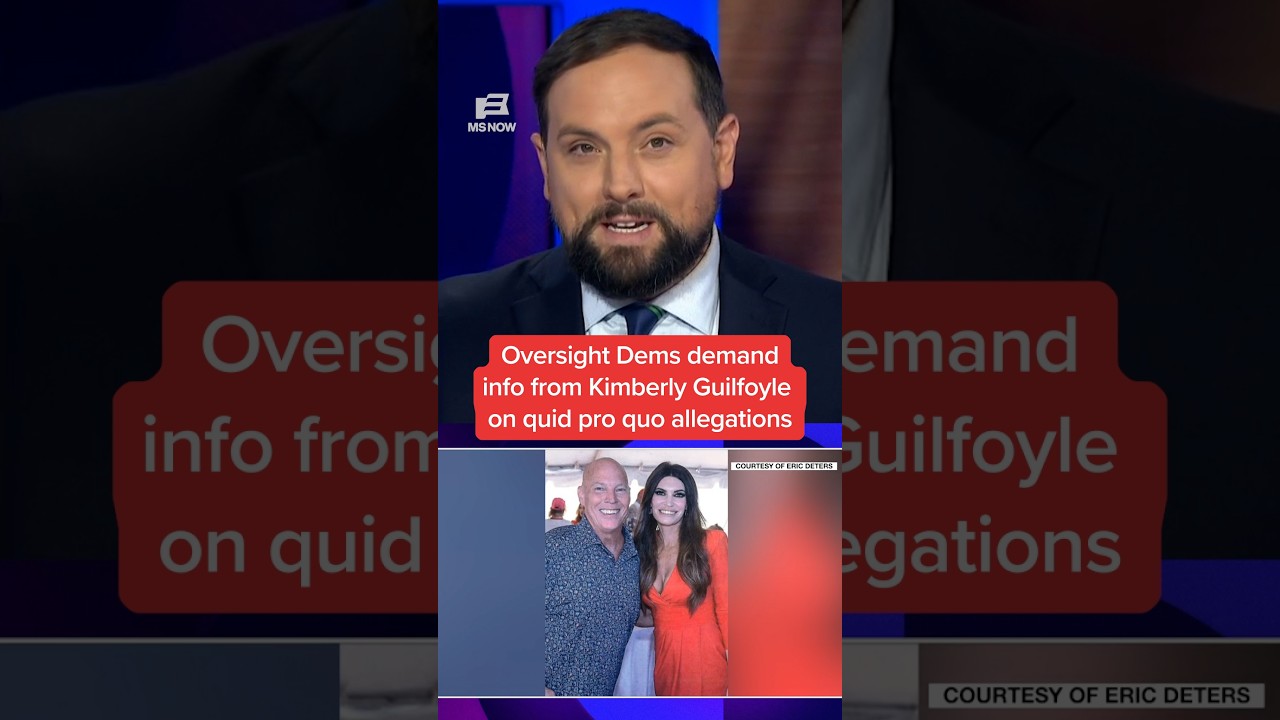
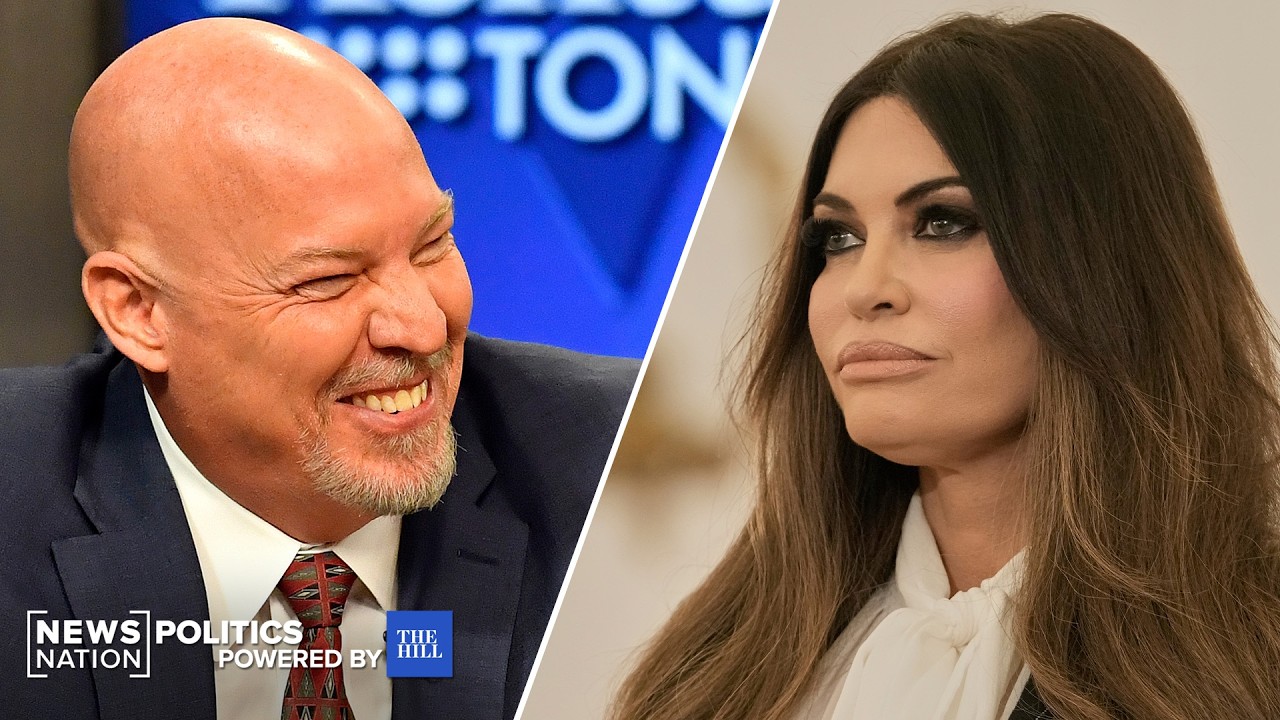
The intersection of personal debt and political influence
The core issue is whether a nominee for a diplomatic post used her proximity to power to solicit funds for personal debt. The request for $100,000 to settle a credit card balance was paired with a suggestion to use a wire transfer to avoid a paper trail. This indicates an attempt to bypass the financial transparency required for public officials.
This structure mirrors the Abscam operation, where government officials accepted bribes in exchange for political favors and were eventually caught through undercover recordings. Both cases involve the exchange of official influence for private financial relief, though the current event centers on the use of encrypted communication to hide the transaction.
Focus on the secret request and the defense of legitimacy
The coverage centers on the tension between the solicitation of funds and the official's denial. WSJ provided the foundation for this report by independently uncovering the Signal messages and the specific intent to avoid a paper trail. Daily Caller and Mediaite expanded on this by including the donor's perspective and the response from the ambassador's legal counsel.
Outlets diverge on the interpretation of the funds. While most highlight the request as a potential quid pro quo for influencing the Justice Department and IRS, Daily Caller notes the defense that the money was for speaking engagements. The coverage successfully identifies the conflict of interest but lacks deeper investigation into whether any official actions were actually taken on behalf of the donor.
The Daily Beast reports on warnings that disclosing secret payments could cost the ambassadorship
New coverage from 1 outlets
These reports deepen the investigation into the leverage used during the solicitation. The Daily Beast introduces a new detail: messages where the nominee allegedly warned the donor that disclosing their arrangement could cost her the ambassadorship. This adds a layer of urgency to the evasion of a paper trail, suggesting the nominee was aware that such payments would be disqualifying.
Coverage continues to engage with the essential question of whether administrative access was sold for personal gain. The Daily Beast credits the donor's testimony that no favors were received in return for $300,000 paid over several years. This creates a tension between the ethical breach of soliciting secret funds and the legal threshold for a quid pro quo. The reporting highlights a gap between the act of solicitation and the confirmation of a completed exchange of influence.
WSJ reveals solicitation of $100,000 for American Express debt occurred during congressional hearing preparation
New coverage from 2 outlets
These reports deepen the investigation into the timing and purpose of the fund request. WSJ independently confirmed that the request for $100,000 occurred specifically while the nominee was preparing for her congressional hearing. The reporting identifies the debt as being owed to American Express, adding a concrete financial detail to the previous general claims of personal debt.
WSJ engaged with the essential question by linking the request for a non-traceable payment to the exact window of the nominee's vetting process. HuffPost missed this analytical link, focusing instead on the resulting calls for resignation and the nominee's professional history. The focus has moved from whether a request was made to when it was made, suggesting a deliberate attempt to clear financial liabilities before official scrutiny began.
CBS News reveals accuser Eric Deters provided a 292-page file containing grievances against Trump administration figures
New coverage from 1 outlets
These reports introduce a conflict between the authenticity of the evidence and the reliability of the source. CBS News independently confirmed that the accuser, Eric Deters, provided a 292-page file that includes not only the incriminating texts but also a list of grievances against various administration figures and a pitch for financial gain. This detail shifts the analysis from the act of solicitation to the credibility of the witness, as Deters has a history of legal sanctions and a personal agenda regarding an extradition matter.
CBS News engaged with the essential question by verifying the authenticity of the texts through White House sources while simultaneously documenting the accuser's biases. This approach highlights a structural tension: the evidence of a quid pro quo remains concrete, but the source's motivation provides a basis for the nominee's denial. The reporting suggests that the validity of the financial request is now being weighed against the character of the person reporting it.
Mediaite reports State Department inspector general probe into Ambassador Guilfoyle
New coverage from 2 outlets
These reports expand the scope of the investigation from individual allegations to official institutional oversight. Mediaite reports that the State Department's inspector general has opened a probe into the ambassador's tenure, citing complaints about her lifestyle and requests. This moves the essential question beyond a dispute between two private parties and into the realm of formal government accountability.
Mediaite engaged with the essential question by linking the private solicitation of funds to a broader pattern of conduct now under official review. ABC News, by contrast, focused on the reactions of administration officials and the controversial history of the accuser, omitting the development regarding the inspector general's probe.
Mediaite also highlights a divergence in media behavior, noting that Fox News delayed coverage of the original report for over 24 hours. This adds a layer of scrutiny regarding how the nominee's professional ties may influence the timing of news dissemination. The focus has moved from whether the request was made to whether the government and the press are treating the request as a matter of public interest.
Newsweek links the solicitation to a broader pattern of pay-to-play allegations among Trump allies
New coverage from 1 outlets
Newsweek expands the scope of the investigation by framing the solicitation of funds as a recurring pattern rather than an isolated incident. The report connects the allegations against the ambassador to previous cases involving figures such as Stephen Calk, Elliott Broidy, and George Nader, who were accused of leveraging proximity to power for financial gain.
Newsweek engaged with the essential question by analyzing whether the request for $100,000 is an anomaly or a symptom of a broader administrative culture. By placing the ambassador's actions alongside other documented cases of influence-peddling, the reporting suggests that the structural risk of pay-to-play outweighs the individual dispute over the authenticity of the text messages. The focus has moved from the credibility of a single witness to the systemic nature of how access to the administration is monetized.
WSJ reveals promise to be Trump ride or die in exchange for 100,000 dollars
New coverage from 1 outlets
These reports deepen the investigation into the specific terms of the solicitation. WSJ confirmed that the request for $100,000 was accompanied by a promise to be the donor's "Trump ride or die, forever and ever."
WSJ engaged with the essential question by documenting the explicit link between the financial request and the promise of lifelong political loyalty. This detail transforms the request from a simple solicitation of funds into a concrete offer of permanent political access. The focus has moved from the fact of the debt to the specific nature of the leverage being sold.