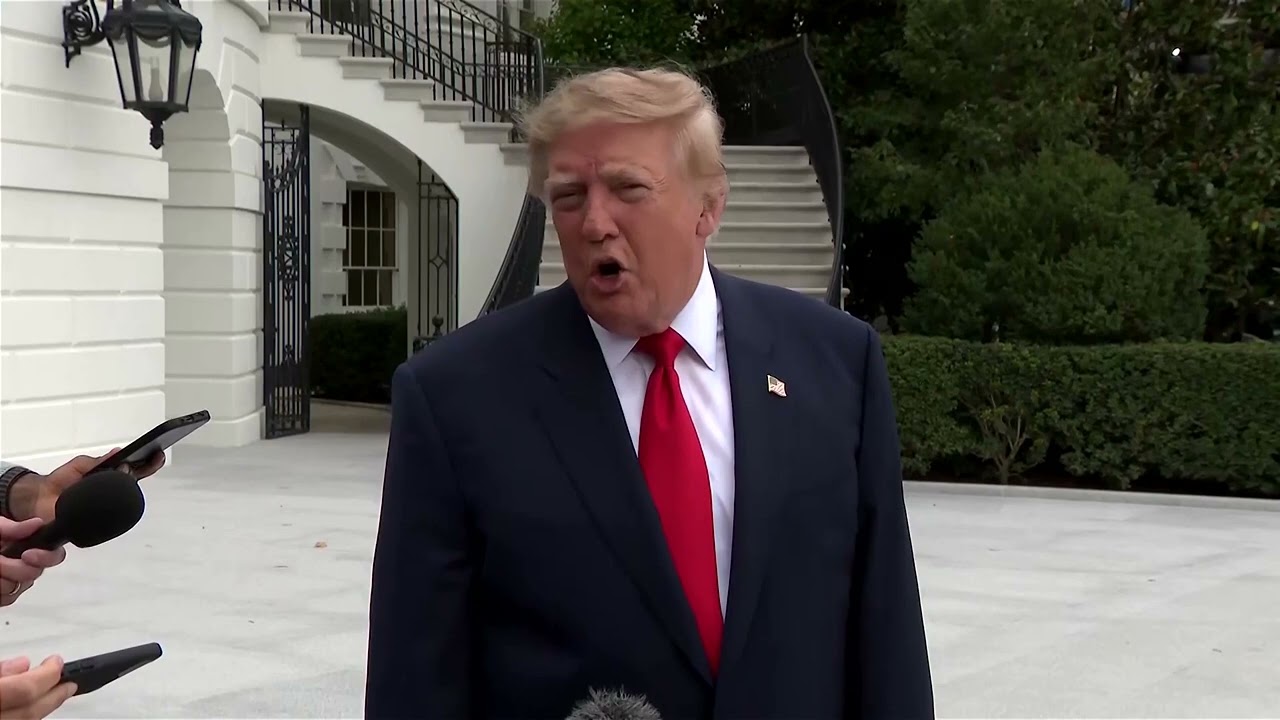
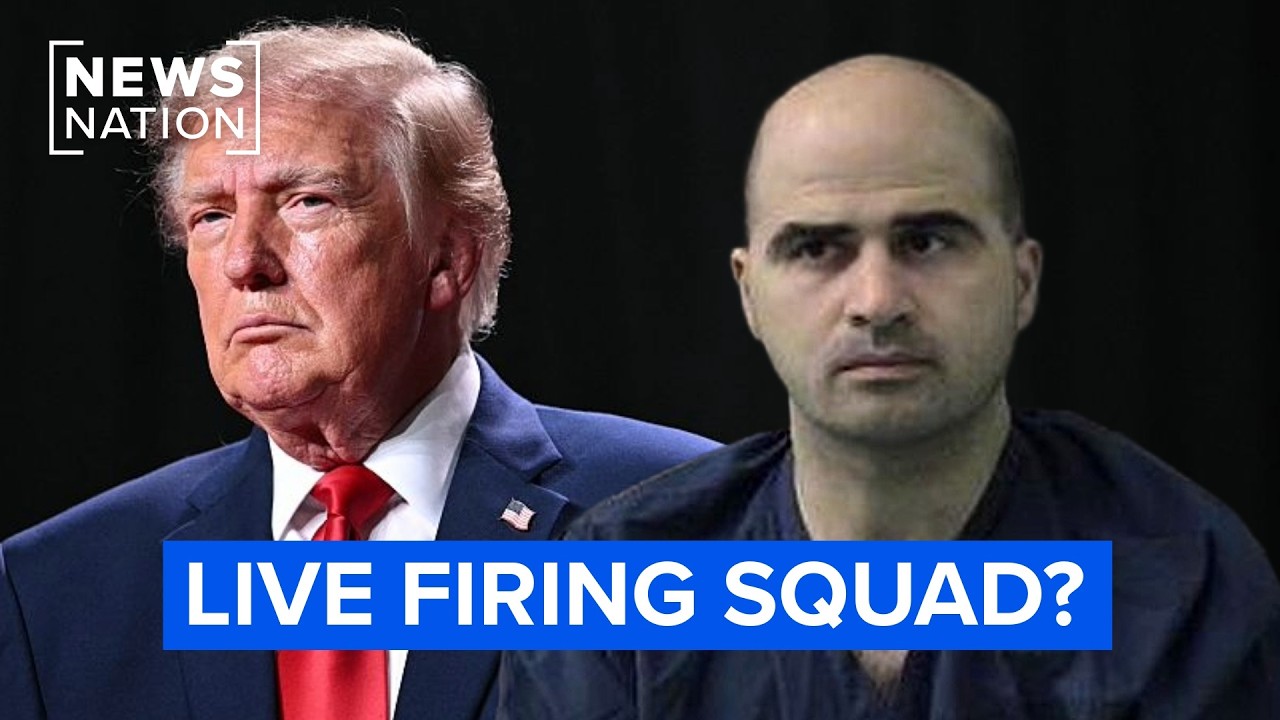
The transformation of military justice into a public spectacle
The core issue is whether the state is using the death penalty to uphold the law or to perform a symbolic act of power. By scheduling the execution to mirror the timing and location of the original attack and broadcasting it live, the administration shifts the act from a judicial conclusion to a public demonstration. This approach prioritizes the psychological impact on the public over the traditional privacy of military executions.
Such a shift reflects a structural tension where the executive branch uses the machinery of justice to signal a specific ideological stance. When the method of execution is chosen for its symbolic violence rather than standard protocol, the process moves away from the objective application of a sentence toward a curated display of retribution.
Focus on the unprecedented nature of the spectacle and political contradictions
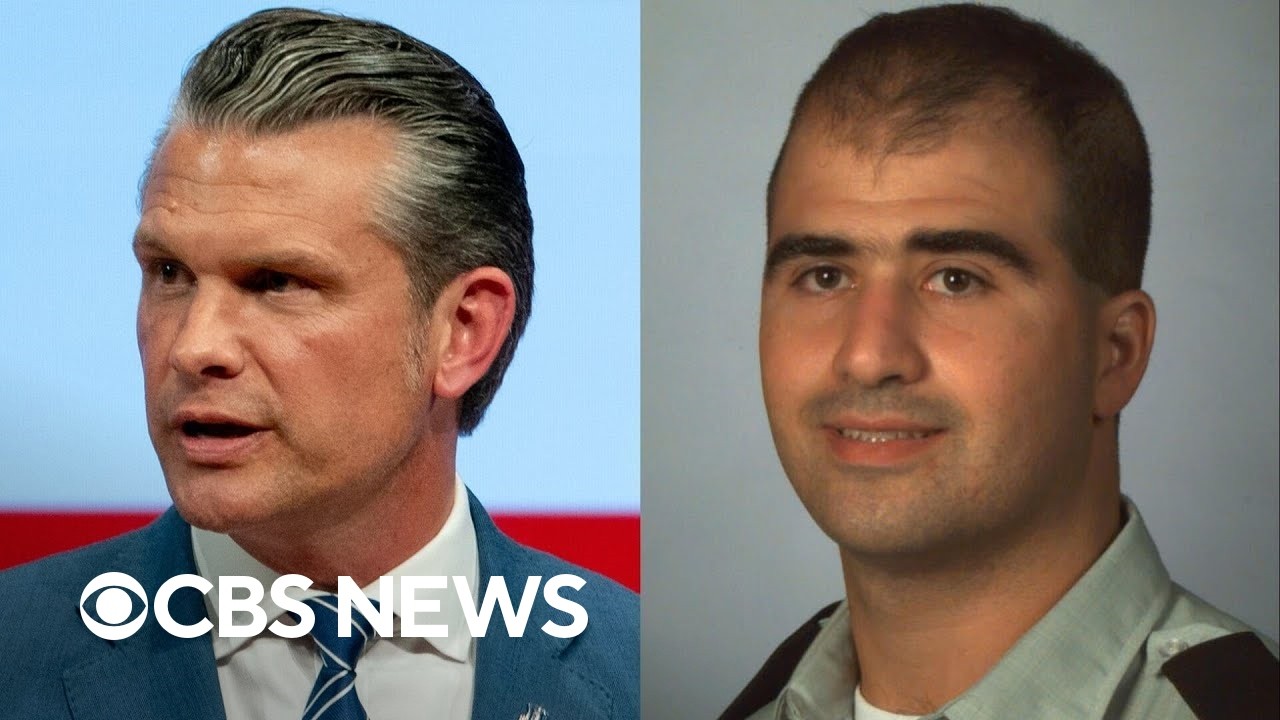
Most outlets focused on the unprecedented nature of the event, highlighting that this is the first military execution in over 60 years and a rare use of a firing squad. CBS News, ABC News, and NBC News emphasized the departure from modern protocols and the potential for the event to become a public spectacle. The coverage generally aligned in framing the decision as a hardline shift in the administration's approach to capital punishment.
Some outlets looked beyond the immediate event to find contradictions in the administration's logic. PBS pointed out the contrast between this decision and the president's previous condemnations of public executions in other nations. The Guardian provided a critical check on the factual basis of the administration's rhetoric, noting there is no record of the previous president describing the attack as workplace violence. While the coverage successfully identified the anomaly of the livestream, it largely deferred to legal experts regarding whether this violates specific military regulations on witnesses, a point raised by ABC News.
Newsweek reports conflict between public execution plans and Army witness regulations
New coverage from 7 outlets
These reports move beyond the shock of the livestream to examine the legal feasibility of the plan. Newsweek engaged with the essential question of whether this is a legitimate legal act by citing a former military judge who noted that current Army regulations restrict witnesses and exclude the general public. This introduces a concrete legal contradiction to the administration's goal of a public spectacle.
Other outlets focused on the administration's justification for the event. Breitbart and Daily Caller highlighted the specific timing of the execution—1:00 p.m.—to match the original attack, framing the event as a necessary warning against terrorism. Daily Caller provided a [★ 독자적 사실] by reporting that its News Foundation had tracked the bureaucratic process for this decision since September 2025.
While some coverage analyzed the tension between deterrents and regulations, others missed the essential question by treating the event as a settled administrative fact. NBC News and CBS News provided basic summaries of the announcement without questioning the legality of the public access or the departure from military protocol.
NPR reports allegations of Army regulation breaches regarding execution notification
New coverage from 1 outlets
Recent reporting has moved from general legal skepticism to specific procedural disputes. NPR provided a [★ 독자적 사실] by reporting that attorney John Galligan alleges a breach of Army regulations regarding the notification of the defendant, a claim the Army denies. This shifts the debate from whether a public execution is permissible to whether the administration is bypassing mandatory legal protocols in its pursuit of a spectacle.
NPR engaged with the essential question by analyzing the 'lethality culture' of the administration. The report contrasts the government's claim of transparency—arguing that livestreaming prevents botched executions—with the potential for the event to serve as a political instrument. By highlighting the contradiction between this plan and the president's previous criticisms of public executions in Iran, the coverage identifies a pattern where symbolic retribution outweighs consistent legal or moral standards.
Outlets compare livestreamed execution to tactics of rogue regimes and terrorist groups
New coverage from 6 outlets
These reports shift from procedural legality to a broader moral comparison. The Guardian and CBS News engage with the essential question by analyzing whether the livestream mimics the tactics of rogue regimes and militant groups like ISIS and the Taliban to project power. By noting that public executions are currently systematic only in Iran and Afghanistan, The Guardian frames the administration's choice as a departure from Western norms toward the methods of oppressive dictatorships.
Reason and Newsweek further examine the risk of the event serving as a recruitment tool for terrorists. Newsweek provides a critical internal check on this discourse, arguing that comparing a lawful state execution to the slaughter of hostages by ISIS is a false equivalence that weakens the legitimate case against the spectacle.
Other coverage missed the essential question by focusing on emotional reactions or general condemnation. HuffPost and TODAY provided summaries of the administration's intent or framed the move as a manifestation of bloodlust without analyzing the structural shift in how the state exercises judicial power. The Guardian's commentary extended the analysis to international relations, suggesting the event necessitates a reconsideration of the Aukus submarine deal.
Republican lawmakers and human rights organizations condemn the livestreamed execution
New coverage from 6 outlets
These reports highlight a growing internal rift, as Washington Examiner and NPR report that Republican lawmakers and Vice President JD Vance have condemned the plan. This shifts the narrative from a partisan divide to a broader institutional rejection of the livestream, with critics describing the move as barbaric and medieval.
Mother Jones engaged with the essential question by connecting the execution to a wider pattern of state-sponsored spectacle. The report provides a [★ 독자적 사실] by linking the livestream plan to the military's release of footage showing attacks on noncombatant vessels in the Caribbean, arguing that the administration is attracted to brutality as a tool of power rather than justice.
Other coverage missed the essential question by focusing on emotional appeals or general human rights standards. Mediaite highlighted a plea for the president to reconsider the decision, while The Guardian and CBS News repeated the comparison to oppressive regimes without introducing new evidence regarding the administration's internal logic or procedural conduct.
CBS News and PBS examine social media censorship and the limited legal standing to block the livestream
New coverage from 5 outlets
These reports shift from general condemnation to the technical and legal feasibility of the public broadcast. CBS News engages with the essential question by analyzing whether the state's goal of a public spectacle can be realized if social media platforms like Meta and Google enforce policies against graphic violence. This introduces a practical contradiction: the administration's desire for a wide-reaching demonstration of power may be neutralized by the private terms of service of the platforms required to host it.
PBS further examines the legal barriers to stopping the event, noting that only the condemned man likely possesses the legal standing to challenge the broadcast. By highlighting that Army regulations do not explicitly address livestreams, the coverage identifies a regulatory gap that the administration is exploiting to bypass traditional privacy norms.
Other coverage missed the essential question by repeating established narratives of brutality or providing basic summaries. The Guardian and Vox focused on the widespread condemnation from human rights organizations and religious leaders without introducing new evidence regarding the administration's internal logic or the specific mechanisms of the livestream's implementation. Mediaite provided a summary of the administration's intent that mirrored previous reports without adding analytical depth.
CNN reports Pentagon and Army officials were caught off guard by the livestream announcement
New coverage from 4 outlets
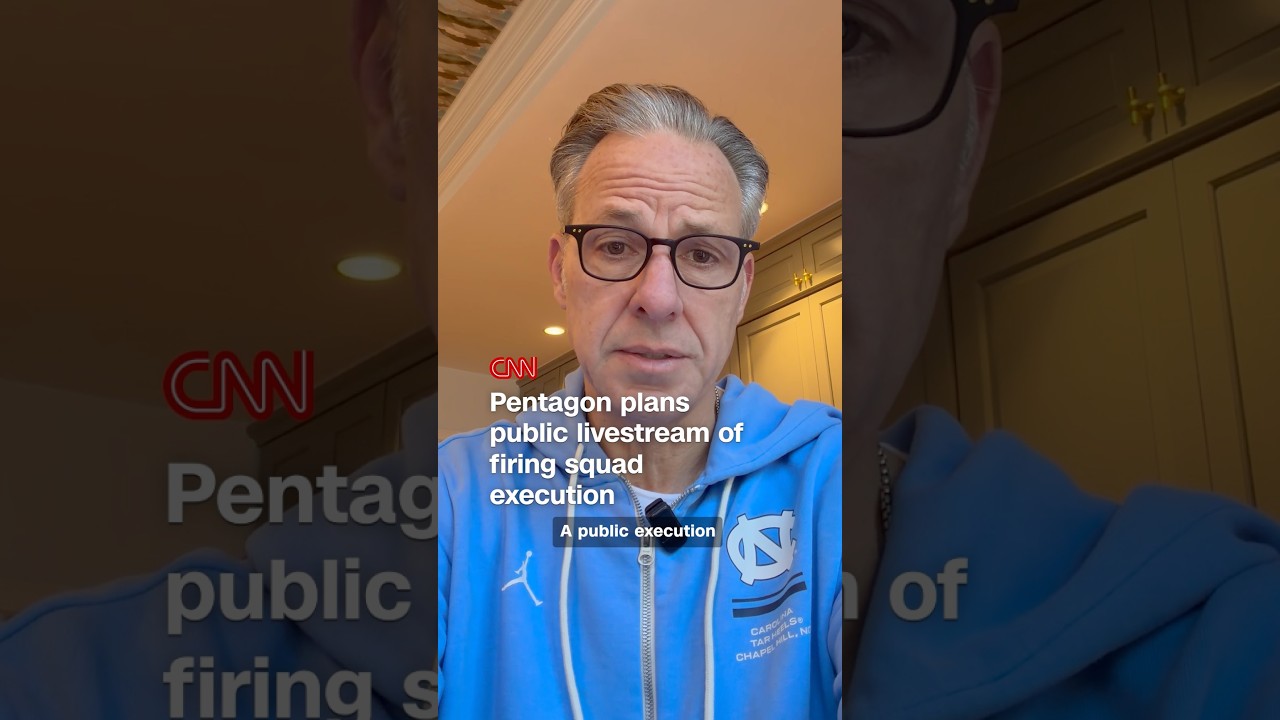
CNN engaged with the essential question by revealing that the livestream plan was announced by Pete Hegseth in a manner that caught Pentagon and Army officials off guard. This introduces a new structural dimension: the plan is not a coordinated state action but a source of internal friction that deviates from standard regulations. By reporting on the skepticism of Vice President JD Vance and the concerns of an Army officer regarding the psychological toll on the soldiers tasked with the execution, CNN shifts the analysis from the legality of the spectacle to the institutional instability it creates.
Other outlets focused on moral comparisons rather than institutional evidence. The Guardian and LA Times compared the proposal to the tactics of tyrannical regimes in Iran and North Korea to argue that the U.S. is abandoning Western values. While these reports engage with the symbolic nature of the act, they rely on historical analogies and personal anecdotes rather than new factual developments within the current administration.
Washington Post missed the essential question by framing the issue as a matter of global reputation and aesthetic degradation. The report argues that the spectacle would humanize the criminal and make the United States appear weak, focusing on the perceived image of state power rather than the specific legal or procedural contradictions of the livestream.
The Nation reports on extra-judicial assassinations while Fox News highlights survivor opposition to the livestream
New coverage from 3 outlets
These reports move from institutional friction to a broader debate over the administration's use of violence. The Nation engaged with the essential question by providing a [★ 독자적 사실] that the military has conducted extra-judicial assassinations of fishermen in the Caribbean and Pacific. By linking the livestream plan to these alleged illegal actions, the report frames the execution not as a legal deterrent, but as part of a systemic pattern of state-sponsored brutality.
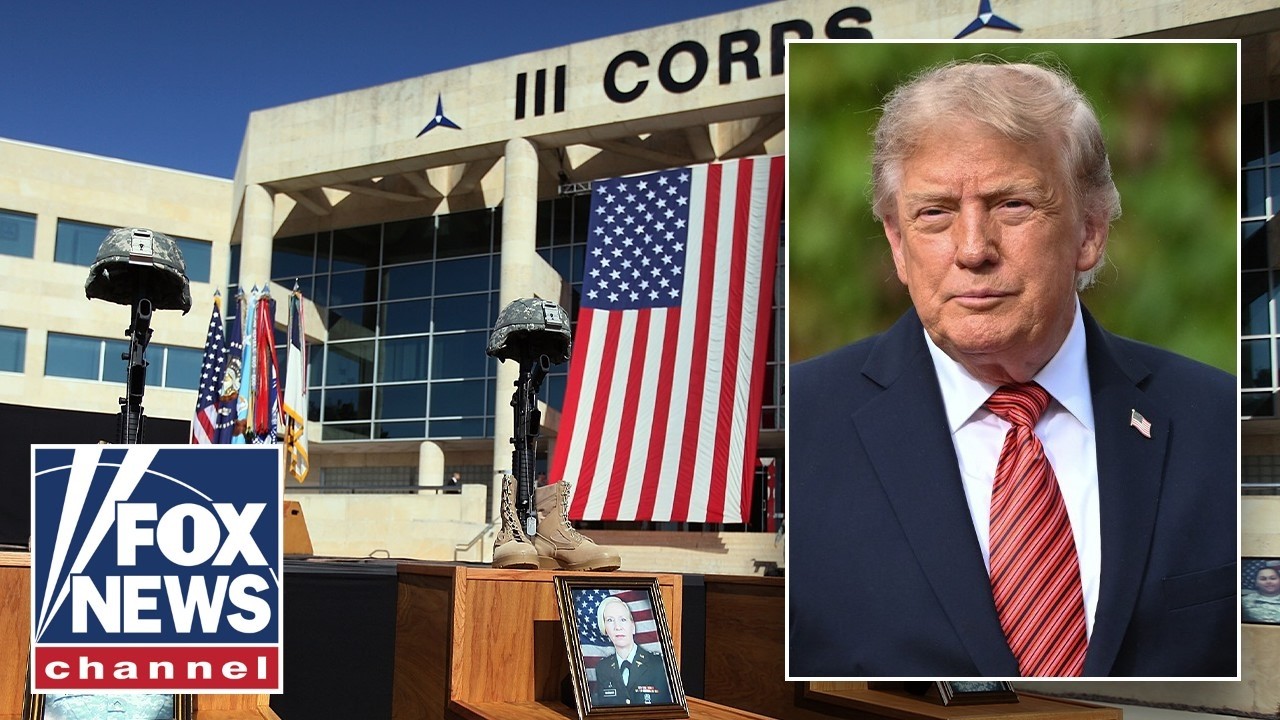
Other coverage focused on the social and moral implications of the spectacle. Fox News engaged with the essential question by reporting that a survivor of the Fort Hood massacre opposes the livestream, arguing that the exposure of children to violence outweighs the desire for retribution. This introduces a conflict between the administration's goal of public justice and the actual preferences of the victims' community.
Washington Examiner missed the essential question by presenting a religious justification for the event. The report highlights a pastor's claim that public execution aligns with biblical commands to illustrate the sanctity of life, treating the theological defense as a primary narrative without analyzing the legal contradictions of the livestream.