The tension between public deterrence and the standards of civilization
The core issue is whether the state should transform a legal execution into a public spectacle to signal the severity of a crime. Proponents argue that livestreaming the death of a convicted terrorist provides a necessary deterrent and a visible form of justice. Opponents argue that such an act erodes the moral foundation of a civilized society and constitutes a form of torture.
This conflict reflects a structural struggle within governance where the desire for symbolic retribution clashes with established legal and ethical norms. In many systems, the transition from private to public execution is viewed as a regression toward authoritarian methods of control.
Focus on internal administration friction over the morality of the broadcast
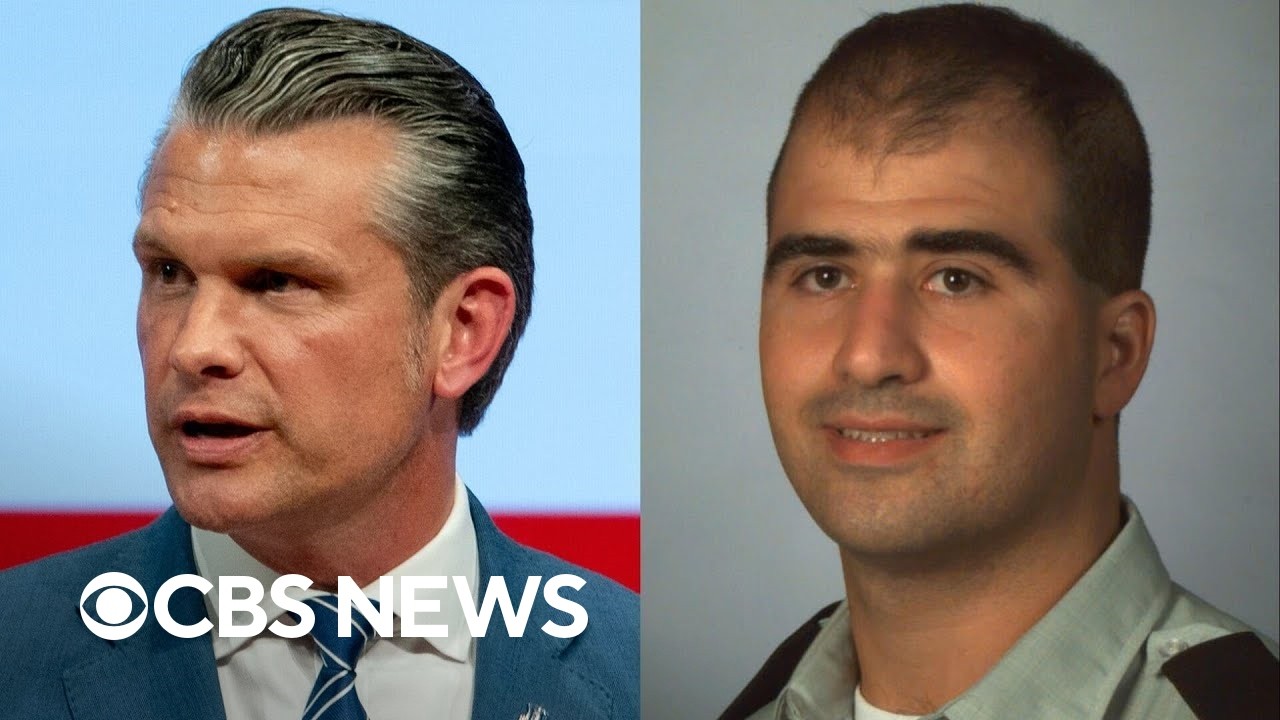
Most outlets focused on the internal divide within the administration, highlighting how Vice President JD Vance distanced himself from Defense Secretary Pete Hegseth's proposal. NBC News and CBS News emphasized the opposition from Republican lawmakers, while BBC expanded the scope to include condemnation from the UN and religious institutions.
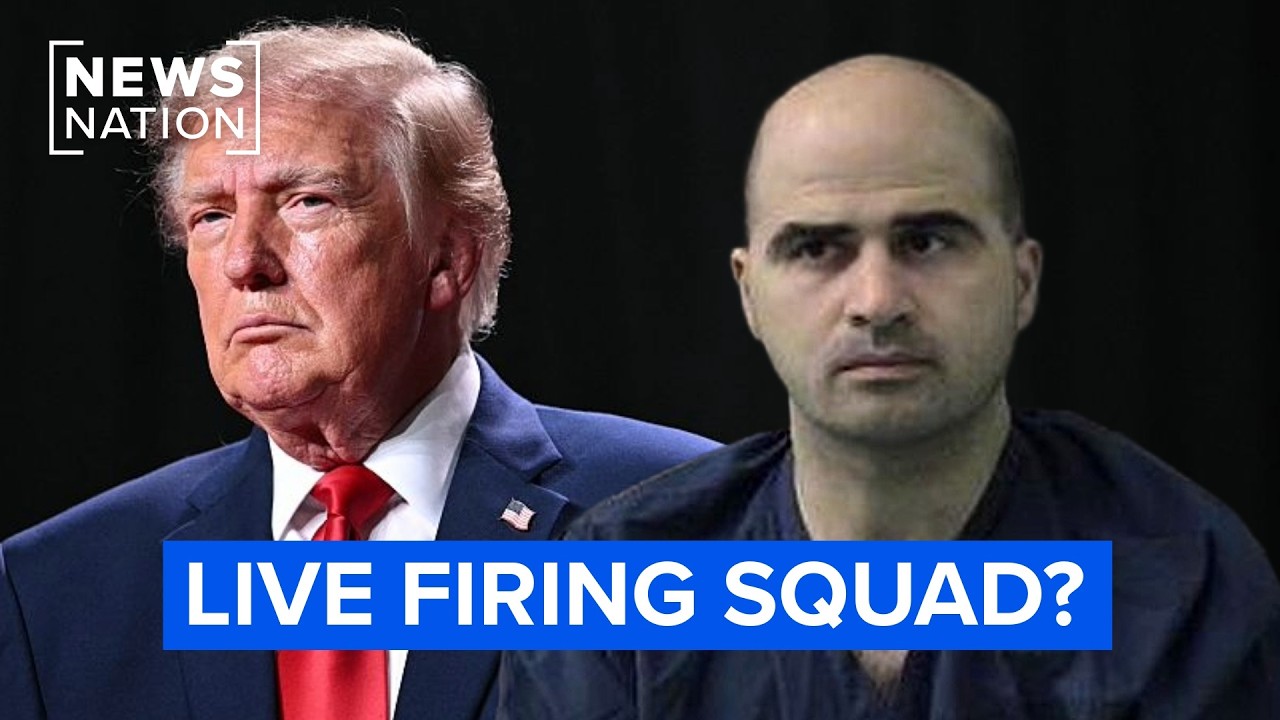
Mediaite provided a critical detail regarding the prisoner's current physical state, noting that Nidal Hasan is paralyzed and confined to a wheelchair, which adds a layer of complexity to the debate over the execution method. Washington Examiner was the only outlet to connect the Vice President's skepticism to his Catholic faith, suggesting a religious dimension to his hesitation.
While the coverage captured the political friction, it largely omitted a deeper analysis of the legal authority required to override long-standing military traditions. The reporting treated the event as a clash of personalities and opinions rather than an examination of the regulatory framework governing military executions.
BBC reports social media platforms prohibit streaming violent deaths
New coverage from 2 outlets
BBC expanded the debate from moral philosophy to practical execution by noting that Meta, YouTube, and TikTok prohibit the streaming of violent deaths. This detail shifts the conversation toward the technical feasibility of the administration's plan, as the state would need to bypass the policies of the primary platforms used for public dissemination.
PBS and BBC both engaged with the essential question of civilization by highlighting that this would be the first military execution in over 60 years. By grounding the current proposal in historical absence, these reports emphasize that the move is not merely a policy change but a departure from long-standing American military norms.
While the coverage identifies the obstacles to broadcasting, it continues to treat the Vice President's reluctance as a personal preference. The reporting focuses on JD Vance's decision not to watch the event rather than analyzing whether his doubt signals a formal legal or administrative challenge to the order.
FCC Chairman Brendan Carr indicates agency will defer to Secretary of War on execution broadcast
New coverage from 1 outlets
Breitbart added a regulatory dimension to the debate by reporting that FCC Chairman Brendan Carr indicated the agency would defer to Pete Hegseth's decision on the broadcast. This detail moves the conversation beyond the private policies of social media firms and into the realm of federal oversight. It suggests that the state may not face domestic regulatory hurdles from the communications commission, even if private platforms maintain their bans.
However, Breitbart failed to engage with the essential question of whether such a broadcast constitutes a breach of civilization. Instead, the report focused on a list of opposing figures, including the UN and Hillary Clinton, treating the moral condemnation as a set of reactions rather than a fundamental conflict of governance norms.
ABC News reveals Army planners were surprised by the firing squad and livestreaming orders
New coverage from 2 outlets
ABC News provided a critical internal perspective by reporting that Army planners were surprised by the decision to use a firing squad and a livestream, as they had been preparing for lethal injection since February. This detail shifts the narrative from a political debate over deterrence to a matter of institutional friction. It reveals that the proposal is not a coordinated military strategy but an irregular directive that forces the Army to adapt 1959 procedures on short notice while struggling to protect the identities of the soldiers involved.
By highlighting the military's struggle to implement these outdated protocols, ABC News engaged with the essential question of whether this act constitutes a breach of civilization. The report suggests that the move is not only a moral departure but a logistical disruption to military order. In contrast, HuffPost focused on the reactions of religious leaders and the Vice President's personal distance, treating the event as a continuation of the existing moral conflict rather than examining the institutional instability caused by the order.