The battle over the gatekeeper's whim
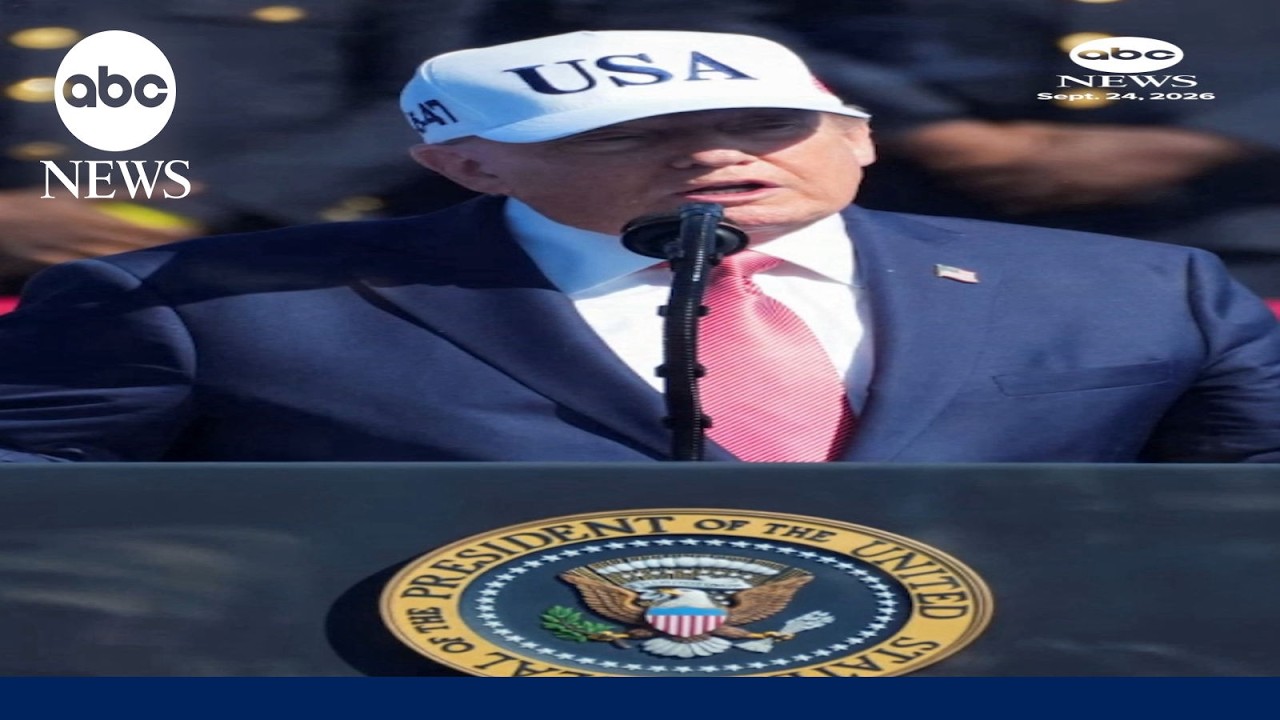
The core of this clash is whether the executive's authority to manage a secure facility overrides the constitutional guarantee of press freedom. When a leader can revoke credentials without notice or due process, the press pass transforms from a professional tool into a loyalty badge.
This isn't just about a few disabled badges; it's about the structural precedent of viewpoint discrimination. If access is granted only to those who provide favorable coverage, the role of the press shifts from government watchdog to a curated PR gallery. The legal fight now rests on whether the courts will treat the White House as a restricted government zone or a public forum where the right to report cannot be switched off like a light bulb.
A chorus of outrage and a few echoes of defense
Most outlets, including CNN, NBC News, and The Guardian, frame this as a textbook First Amendment crisis, focusing on the collective rebellion of the TV pool. They treat the boycott as a noble stand for independent journalism. Meanwhile, Breitbart and Daily Caller flip the script, presenting the ban as a necessary house-cleaning to purge corruption and fiction.
Mediaite adds a spicy layer of personal drama, noting that Mark Levin's defense of the ban coincides with a Politico report about his stepson's questionable cash solicitations. It's a classic case of the 'national security' shield being used to deflect from a family embarrassment. While the majority of the coverage focuses on the legal battle, very few outlets dig into the specific 'fiction' the administration claims to be fighting, preferring to argue over the principle of the ban rather than the accuracy of the reporting.
It turns out that when the government plays the role of an editor-in-chief, the news becomes less about the policy and more about who is allowed in the room. Who knew that 'national security' was such a versatile blanket for covering up a bad review?
CNN, MS Now, and Politico file joint lawsuit against the White House
New coverage from 1 outlets
The theoretical debate over press freedom has finally hit the courtroom. These reports signal a shift from professional protests to formal litigation, as the banned organizations move to force a judicial ruling on viewpoint discrimination.
Coverage now centers on the administration's vow to fight the lawsuit and the attempt to frame this legal battle as a symmetrical response to past political frictions. This pivot reflects a standard media pattern: when the shouting match reaches a stalemate, the press leans into the legal process to find a definitive winner.
For the reader, this means the outcome is no longer about who has the better argument, but whether a judge will accept the 'secure facility' excuse as a valid reason to blacklist critics.
CNN, MS NOW, and Politico file First Amendment lawsuits against the administration
New coverage from 1 outlets
The legal battle has moved from a theoretical threat to a concrete coalition, with specific outlets like CNN, MS NOW, and Politico officially filing suit. These reports highlight a coordinated strategy where litigation is paired with a tactical blackout of pool photographs and audio, turning the courtroom fight into a visible void in the daily news cycle.
Coverage is now centering on the specific plaintiffs and the immediate professional fallout of the ban. This reflects a common press pattern: once the legal paperwork is filed, the narrative shifts from the 'principle' of the fight to the 'roster' of the fighters.
For the reader, this means the dispute is no longer a vague industry grievance but a defined legal conflict with a specific list of aggrieved parties seeking a judicial remedy.
CBS News reports White House seized control of press pool selection from the Correspondents Association
New coverage from 1 outlets
The fight has evolved from a dispute over who is banned to a structural seizure of the gatekeeping mechanism. These reports reveal that the administration didn't just kick out critics; it stripped the White House Correspondents' Association of its power to select pool participants, replacing professional rotation with executive whim.
Coverage is now pivoting toward the mechanics of the press pool, detailing how the administration uses 'new media' slots and terminology disputes to curate the room. This shift reflects a typical press instinct: when the legal argument feels slow, the media returns to the 'how-it-works' manual to prove that the system itself has been rigged.
For the reader, this means the story is no longer just about a few unlucky journalists, but about the permanent dismantling of the neutral infrastructure that allows the press to function as a collective.
The Guardian reports Trump told MS Now reporter to be quiet during press pool dispute
New coverage from 1 outlets
The conflict has shifted from a bureaucratic fight over credentials to a display of personal hostility. These reports highlight a specific interaction where the president told a reporter to 'be quiet,' transforming a structural debate about gatekeeping into a story about individual temperament.
Coverage is now pivoting toward a gendered pattern of silencing, noting that this behavior is specifically targeted at female journalists. This reflects a common media habit: when a legal or systemic struggle feels too abstract, the press anchors the story to a vivid, personal clash to make the power dynamic feel more visceral.
For the reader, this means the story is no longer just about who holds the keys to the room, but how the person holding them treats the people inside.
CNN and other outlets seek preliminary injunction to prevent White House access ban
New coverage from 2 outlets
The legal battle has returned to the center of coverage as CNN, MS NOW, and Politico seek a preliminary injunction to prevent the administration from reimposing access bans. Deadline engages with the essential question by detailing the outlets' argument that the ban is a tool to punish negative coverage and coerce favorable reporting, contrasting this with the administration's defense of national security.
In contrast, The Federalist ignores the constitutional question of viewpoint discrimination entirely. It instead highlights the perceived bias of legacy media regarding the Hunter Biden laptop and Covid-19 origins to argue that the loss of access is a consequence of professional failure rather than a legal violation.
This divergence shows a clear split in how the 'right' to access is viewed. One side treats the press pass as a protected constitutional right, while the other treats it as a conditional privilege that can be revoked when trust is lost. For the reader, the conflict is no longer just about who is in the room, but whether the court will define White House access as a legal right or a discretionary gift.