JUSTSUSS AI-powered press divergence analysis
Headline news 2026.10.03 00:08 created · 10.17 03:26 updated
← Card Feed
Reference video

Judge blocks border wall construction in Big Bend

Court halts federal border wall in Texas's Big Bend region.

Event Overview

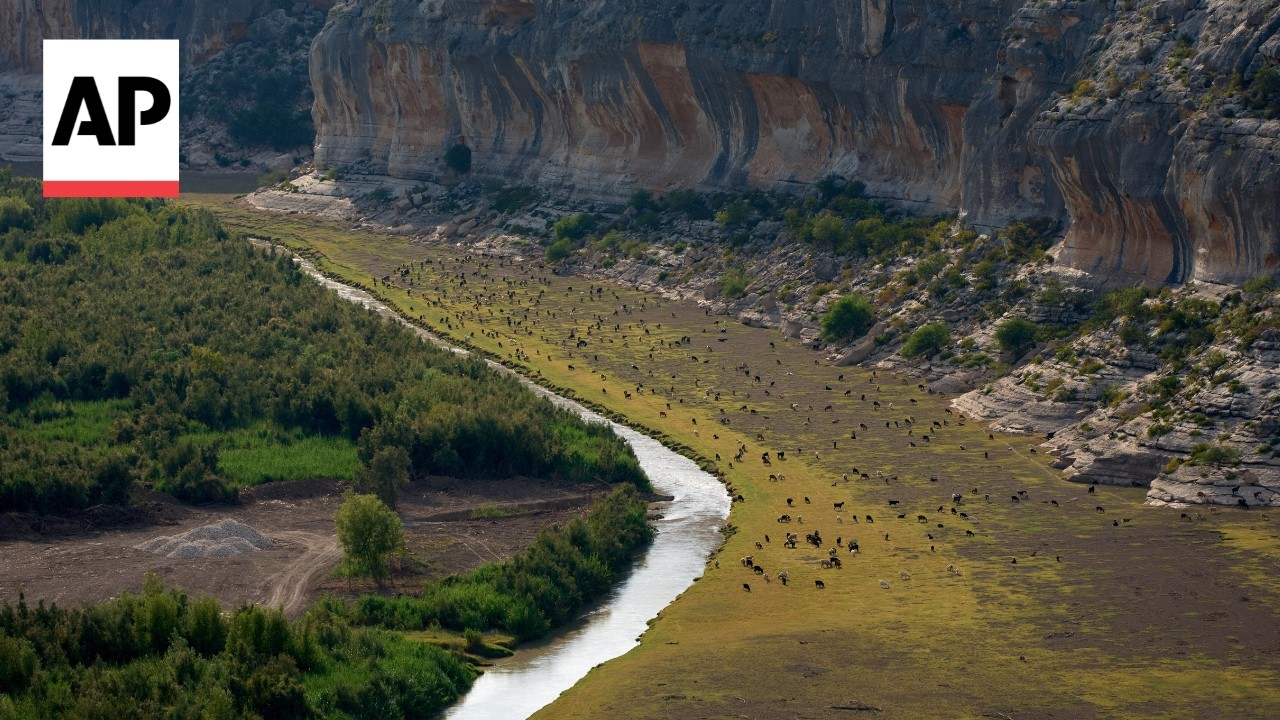
A federal judge in Texas, Kathleen Cardone, issued a temporary injunction blocking the Trump administration from constructing a border wall and related security infrastructure in the Big Bend region. The ruling prohibits Customs and Border Protection (CBP) from any construction or ground disturbance unless it complies with federal laws.

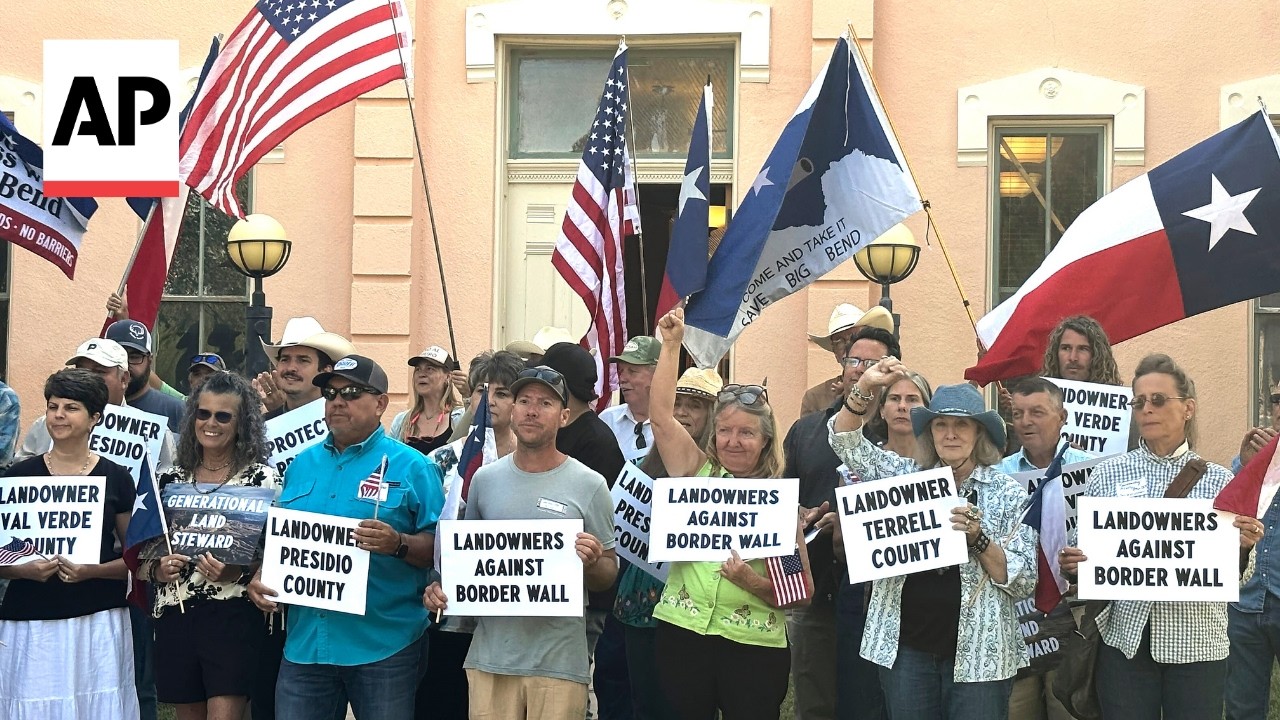
The injunction covers the 500-mile Big Bend sector, which includes Big Bend National Park. The decision follows a lawsuit filed by a coalition of environmentalists, landowners, and cultural advocates who argued that the administration illegally bypassed environmental and historical protection laws through DHS waivers.
Source facts (6)
1.

Judge Kathleen Cardone issued the ruling blocking the construction.

The Guardian
2.

The ruling covers the 500-mile Big Bend sector, including Big Bend National Park.

PBS
3.

The lawsuit was filed by environmentalists, landowners, and cultural advocates.

ABC News
4.

The Center for Biological Diversity filed the lawsuit on behalf of a nonprofit and a local landowner.

texastribune.org
5.

The ruling prohibits Customs and Border Protection (CBP) from construction or ground disturbance unless it complies with federal laws.

The Guardian
6.

The Trump administration used DHS waivers to suspend environmental and historical protection laws.

The Guardian

Message Distribution

legal victory Court decision as a victory for law and environment against an ill-conceived federal project 58%
7 articles
administrative check Court decision as a necessary check on reckless administration behavior 17%
2 articles
security setback The writer intends to present the court's decision as a setback for the administration's border security strategy, highlighting the tension between federal security warnings and local environmental/preservation interests. 17%
2 articles
legal victory Border wall as an overreaching project causing local harm 8%
1 articles

Editor's Analysis

The conflict between security mandates and legal protections

The core of this dispute is whether the executive branch can legally bypass established environmental and historical protection laws to expedite security infrastructure. The administration argues that physical barriers are essential for operational control and the prevention of future criminal activity.

Opponents argue that the rugged terrain of the Big Bend region already serves as a natural deterrent. They contend that using regulatory waivers to ignore ecological and archaeological protections constitutes an abuse of power, especially when the perceived security gain is minimal compared to the irreparable harm caused to the land and private ownership.

Focus on legal victory over security utility

Most outlets, including The Guardian, PBS, and ABC News, framed the injunction as a victory for environmentalists and landowners against administration overreach. They focused on the legal mechanism of the DHS waivers and the bipartisan opposition to the project.

texastribune.org provided a critical piece of evidence by noting that the Big Bend sector accounts for only 1% to 3% of migrant apprehensions. This specific detail shifts the conversation from a legal procedural debate to a question of actual security utility. While other outlets mentioned the region's remoteness, only texastribune.org quantified the disparity between the $7.5 billion in contracts and the actual volume of border crossings.

Coverage generally omitted the broader structural pattern where security agencies use emergency waivers to circumvent legislative oversight. Future reporting should examine how such waivers are typically challenged in court and whether these temporary injunctions lead to permanent policy changes or merely delay construction.

Mother Jones reports DOJ provided few counterarguments and no witnesses at the Big Bend injunction hearing

New coverage from 1 outlets

Mother Jones engaged with the essential question of security utility by reporting that the Big Bend sector is in distant last place for unauthorized crossings among the ten US border sectors. This detail transforms the debate from a general disagreement over remoteness into a specific critique of the administration's lack of evidence.

While previous reports focused on the existence of the injunction, Mother Jones highlighted the procedural void during the hearing. The report notes that the Department of Justice presented few counterarguments and called no witnesses to justify the necessity of the wall. This omission by the government suggests a gap between the administration's public security claims and its legal defense in court.

Updates

Oct 17 · Judge Kathleen Cardone found DHS Secretary Markwayne Mullin likely exceeded authority Updated 03:25

The administration sought to spend $7.5 billion on security infrastructure in the Big Bend region. Judge Kathleen Cardone found that DHS Secretary Markwayne Mullin likely exceeded his authority by issuing environmental waivers. The Big Bend sector accounts for 0.3 percent to 2.2 percent of total border-wide arrests over the past 30 years. Local resident David Keller described the administration's approach as arrogant and an existential threat to the region's landscape and culture.

The court's finding that the DHS Secretary likely exceeded his authority provides a legal answer to the question of whether national security justifies bypassing environmental laws. The ruling suggests that security claims cannot be used as a blanket excuse to ignore statutory protections when the factual basis for the emergency is weak.

[Judge+halts Big Bend border wall construction] provided a critical factual anchor by quantifying the region's low security risk. By noting that the Big Bend sector accounts for only 0.3 percent to 2.2 percent of total border-wide arrests over 30 years, the report transforms the debate from a theoretical clash of rights into a question of waste and inefficiency. This specific data point exposes the gap between the $7.5 billion price tag and the actual volume of illegal entry.

Readers should now watch whether the Department of Justice appeals this injunction or attempts to redefine the 'high illegal entry' criteria to justify the waivers in other sectors.

Source facts (4)

The administration sought to spend $7.5 billion on security infrastructure in the Big Bend region.

Reason

Judge Kathleen Cardone found that DHS Secretary Markwayne Mullin likely exceeded his authority by issuing environmental waivers.

Reason

The Big Bend sector accounts for 0.3 percent to 2.2 percent of total border-wide arrests over the past 30 years.

Reason

Local resident David Keller described the administration's approach as arrogant and an existential threat to the region's landscape and culture.

Reason

Coverage flow

Coverage volume

10/02 · 7
10/03 · 3
10/06 · 1
10/16 · 1

Focus shift

10/02
Trump administration
6
Department of Homeland Security
1
10/03
Trump administration
3
10/06
Trump administration
1
10/16
Trump administration
1

Recommended Reads

News Story

Story: Texas Landowners Sue Trump Administration Over Border Wall

Card 2 of 4 in this story

Texas Landowners Sue Trump Administration Over Border Wall
Sep 14 · 3 outlets
Where it started
Judge blocks border wall construction in Big Bend
Oct 2 · 9 outlets · Viewing now
↳ Follows “Texas Landowners Sue Trump Administration Over Border Wall”
Trump Administration Petitions Supreme Court for Border Wall
Oct 21 · 5 outlets
↳ Follows “Judge blocks border wall construction in Big Bend”
Supreme Court allows Trump border wall construction
Nov 9 · 14 outlets
↳ Follows “Trump Administration Petitions Supreme Court for Border Wall”

Loading comments...