JUSTSUSS AI-powered press divergence analysis
Headline news 2026.11.09 16:51 created · 11.10 01:31 updated
← Card Feed
Reference video

Supreme Court allows Trump border wall construction

Court prioritizes border security over environmental laws.

Event Overview

The Supreme Court lifted a district court injunction, permitting the Trump administration to resume construction of border security infrastructure in the Big Bend region of West Texas. The court ruled that the government's compelling interests in border security outweigh the environmental and usage harms claimed by challengers.

The project involves a stretch of over 500 miles featuring roads, cameras, vehicle barriers, and sensors, including segments of 30-foot border walls. The construction is planned to pass through Big Bend National Park.
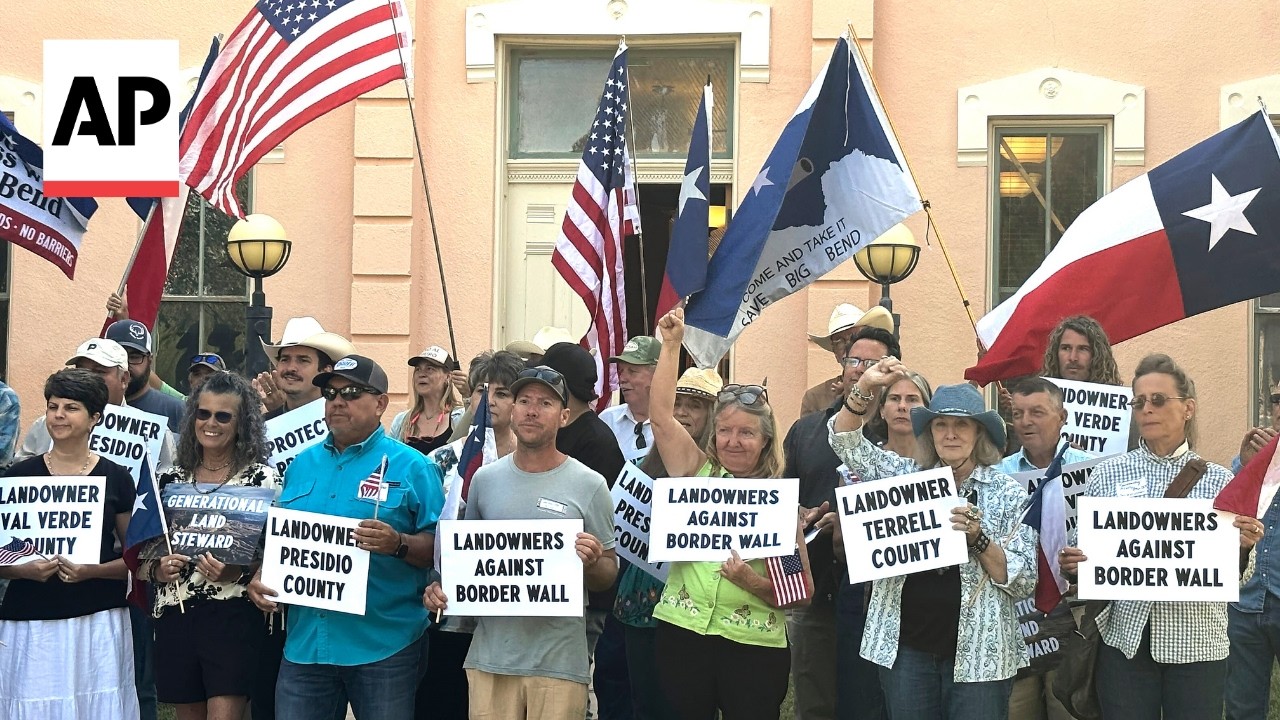
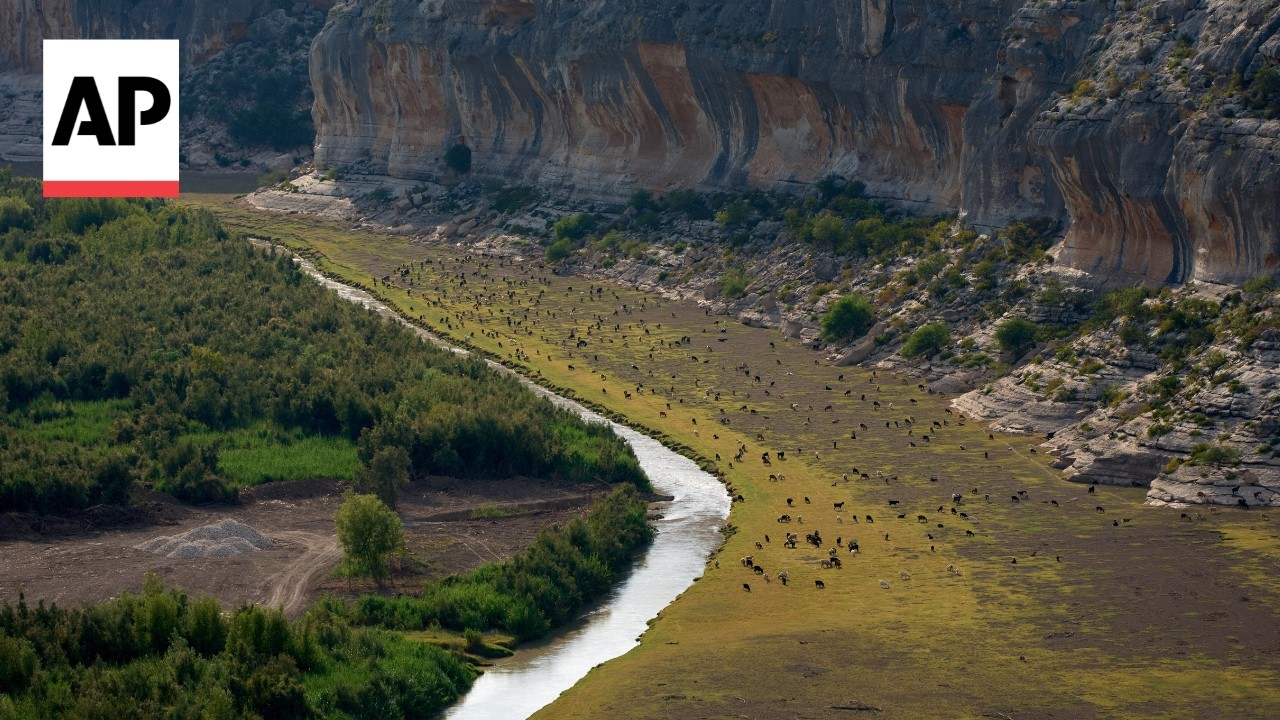
Source facts (6)
1.

The project includes a stretch of over 500 miles featuring roads, cameras, vehicle barriers, and sensors.

Washington Post
2.

Construction is planned to pass through Big Bend National Park.
Washington Post
3.

Some segments of the project include 30-foot border walls.

Washington Post
4.

The administration utilized a 1996 law allowing the Secretary of Homeland Security to waive environmental and conservation laws.

CBS News
5.

The construction covers 341 miles including Big Bend National Park.

NBC News
6.

The project was challenged by a local property owner, a nonprofit, and an environmental group.

NBC News

Message Distribution

factual relay The Supreme Court has cleared the way for the Trump administration to resume building a border wall and infrastructure in the Big Bend region despite environmental and legal challenges. 100%
14 articles
● Washington Post — Supreme Court allows major part of Trump’s border security project in Texas
Message

The Supreme Court has cleared the way for the Trump administration to resume construction of a controversial 500-mile border security stretch in Texas, including Big Bend National Park.

CBS News — Supreme Court allows border wall construction in Big Bend region
Message

The Supreme Court has cleared the way for the Trump administration to resume building a border wall and infrastructure in the Big Bend region despite environmental and legal challenges.

NBC News — Supreme Court paves way for Trump to build a section of his border wall in the Big Bend area of Texas - NBC News
Message

The Supreme Court blocked a lower court injunction, enabling the Trump administration to build a section of the border wall in the Big Bend area of Texas despite environmental and historical concerns.

LA Times — Supreme Court OKs border wall construction in Big Bend area of Texas
Message

The Supreme Court has cleared the way for the Trump administration to proceed with border wall construction in the Big Bend sector of Texas by setting aside a lower court's injunction.

Daily Caller — Supreme Court Greenlights Trump Border Wall In State That Just Turned Blue
Message

The Supreme Court has allowed the Trump administration to resume border wall construction in Texas despite a recent Democratic sweep of the state's government.

Newsweek — Ketanji Brown Jackson Breaks With SCOTUS on Big Bend Border Wall Build
Message

The Supreme Court has cleared the way for the Trump administration to resume border wall construction in Big Bend, with Justice Ketanji Brown Jackson as the lone dissenter.

● Washington Examiner — Supreme Court lifts block on Big Bend border wall construction lawsuit
Message

The Supreme Court has granted the Trump administration a victory by allowing border wall construction in the Big Bend region to proceed despite a lower court's block.

● Fox News — SCOTUS allows Trump admin to temporarily resume border construction in Texas' Big Bend
Message

The Supreme Court has cleared the way for the Trump administration to resume border wall construction in the Big Bend region of Texas by lifting a lower court's hold.

ABC News — Supreme Court lifts pause on border construction in Big Bend, Texas
Message

The Supreme Court has cleared the way for the Trump administration to resume border construction in the Big Bend region, despite bipartisan backlash and concerns over environmental and economic impacts.

● The Federalist — SCOTUS Nukes Blockade On Trump’s Border Wall Construction
Message

The Supreme Court has paused a lower court's injunction against the Trump administration's border wall construction in Texas, ruling that the government's interests outweigh environmental concerns and that the lower court likely lacked jurisdiction.

Reason — S. Ct. Suspends District Court's Injunction Blocking Border Barrier Building
Message

The Supreme Court stayed a lower court's injunction against border barrier construction, ruling that the 'major questions doctrine' is a statutory interpretation tool and not a constitutional claim that would grant a district court jurisdiction under IIRIRA.

NPR — Supreme Court says border wall construction can continue in west Texas
Message

The Supreme Court ruled that the Trump administration can continue building border infrastructure in west Texas, prioritizing border security over environmental protections.

The Guardian — US supreme court clears way for Trump’s border wall in Texas’s Big Bend - The Guardian
Message

The US Supreme Court has ruled that the Trump administration's interest in expeditious border construction outweighs the environmental and recreational harms alleged by opponents in the Big Bend region.

Breitbart — Supreme Court Lifts Order Blocking Trump's Big Bend Border Wall
Message

The Supreme Court has allowed the Trump administration to resume construction of the Big Bend border wall by lifting a lower court's injunction.

Editor's Analysis

Security interests versus ecological preservation in the Big Bend region

The Supreme Court has prioritized the federal government's security needs over the environmental and cultural concerns of local challengers. The administration relies on a 1996 law that allows the Secretary of Homeland Security to waive conservation laws to expedite border infrastructure. This legal mechanism removes the usual environmental red tape that typically slows or stops large-scale construction in protected areas.

The dispute centers on whether the security benefit justifies the ecological cost. The government points to 89,000 illegal crossings in the area as evidence of a compelling need. Opponents argue the region actually has the lowest apprehension rate relative to its size, making the permanent destruction of irreplaceable landscapes and wildlife habitats unnecessary.

Judgment on the necessity of the project depends on which metric of border activity is viewed as more indicative of a security gap. If the high number of crossings is seen as a failure of current infrastructure, the project is a remedy. If the low apprehension rate is seen as evidence of a low-threat sector, the project is an ecological sacrifice without a clear security gain.

Focus on legal authority and the clash of metrics

The coverage across Washington Post, CBS News, and NBC News focuses on the tension between statutory authority and environmental preservation. All three outlets highlight the use of the 1996 law as the primary legal engine driving the project. They consistently frame the event as a victory for executive security goals over local and ecological interests.

CBS News and NBC News provide the most utility by presenting the conflicting data points. By contrasting the government's crossing statistics with the plaintiffs' apprehension rates, they allow the reader to see exactly where the factual dispute lies. Washington Post remains more general, focusing on the backlash and the specific detail that walls may not be built inside the park itself.

Most outlets treat this as a legal victory, but few explore the broader structural pattern where specific laws are designed to bypass the very environmental protections they are meant to uphold. The reporting captures the immediate legal outcome but leaves the reader to wonder how often such waivers are used to override local land-use norms.

Updates

Nov 10 · Supreme Court lifts preliminary injunction on border project Updated 01:31

The Supreme Court ruled 8-1 to lift a preliminary injunction previously issued by U.S. District Judge Kathleen Cardone in El Paso, with Justice Ketanji Brown Jackson as the sole dissenter. Judge Cardone had argued that DHS secretaries lacked authority to waive environmental laws under the major questions doctrine. Solicitor General John Sauer, representing the Trump administration, argued the district court lacked jurisdiction. The Supreme Court stated that the Illegal Immigration Reform and Immigrant Responsibility Act of 1996 (IIRIRA) allows only for constitutional claims, not statutory ones. The stay remains in effect pending a petition for a writ of certiorari.

Opponents include the Center for Biological Diversity and a nonprofit seeking to preserve a historic church. The Center for Biological Diversity argues the project threatens wildlife and protected river corridors. The administration claims the project is justified by high illegal entry and daily costs of $500,000. Solicitor General D. John Sauer stated the sector has seen 89,000 apprehensions over four years. ABC News reported that CBP statistics show 1% of migrant encounters occur in this sector, while Fox News reported the Big Bend Sector accounted for 1.3% of 2025 apprehensions. Fox News reported that most construction will occur on private land, with a 17-mile barrier planned for Big Bend National Park. U.S. Customs and Border Protection stated it does not plan to build a wall inside Big Bend National Park itself, but intends to add patrol roads and vehicle barriers. The Guardian reported that construction is planned for isolated canyons where there have been no documented unauthorized vehicle crossings and where vehicles cannot reach the border. Some areas of the project will require dynamite blasting.

The project is funded by the 'One Big Beautiful Bill'. Contracts totaling $6bn have already been awarded for the 'smart wall', and CBP Commissioner Rodney Scott expects the project to be completed by the end of Trump's second term. The Trump administration argued that leaving a gap in the wall would attract cartels and illegal entry, while Senator John Cornyn and editor Isaac Saul argued that the barriers are unnecessary and indiscriminate.

The Supreme Court's 8-1 ruling clarifies that the 1996 waiver law is a statutory tool, not a constitutional one. This distinction stripped the district court of jurisdiction, effectively shielding the administration's use of waivers from statutory challenges in lower courts. The legal victory rests on a procedural technicality regarding jurisdiction rather than a final judgment on the ecological merits.

ABC News and Fox News provided critical utility by reporting that only 1% to 1.3% of migrant encounters occur in this sector. These specific data points directly challenge the administration's claim of "high illegal entry" and highlight the gap between the government's security narrative and CBP's own statistics.

The Guardian provided a notable independent fact by reporting that construction is planned for isolated canyons where no unauthorized vehicle crossings have been documented and where vehicles cannot reach the border. This detail adds a concrete layer to the debate over whether the project is a necessary security remedy or an ecological sacrifice.

Most coverage focused on the legal outcome or the general tension between security and nature. Only The Federalist and Reason explained the specific legal mechanism—the major questions doctrine—that the district court used to block the project and why the Supreme Court rejected its application.

Readers should watch whether the administration proceeds with the 17-mile barrier inside Big Bend National Park, as LA Times and Fox News report conflicting details on whether a wall will actually be built inside the park boundaries or if the project will be limited to roads and vehicle barriers.

Source facts (22)

The Supreme Court ruled 8-1 to lift the preliminary injunction.

ABC News

Justice Ketanji Brown Jackson was the sole dissenter in the Supreme Court's decision.

NPR

The injunction was previously issued by U.S. District Judge Kathleen Cardone in El Paso.

The Federalist

Judge Cardone had argued that DHS secretaries lacked authority to waive environmental laws under the major questions doctrine.

The Federalist

Solicitor General John Sauer represented the Trump administration and argued the district court lacked jurisdiction.

The Federalist

The Supreme Court stated that the Illegal Immigration Reform and Immigrant Responsibility Act of 1996 (IIRIRA) only allows for constitutional claims, not statutory ones.

Reason

The Center for Biological Diversity and a nonprofit seeking to preserve a historic church are among the opponents.

NPR

The administration claims the project is justified by high illegal entry and daily costs of $500,000.

ABC News

Solicitor General D. John Sauer stated the sector has seen 89,000 apprehensions over four years.

LA Times

ABC News reported that CBP statistics show only 1% of migrant encounters occur in this sector.

ABC News

Fox News reported that the Big Bend Sector accounted for 1.3% of 2025 apprehensions.

Fox News

Fox News reported that most construction will occur on private land, with a 17-mile barrier planned for Big Bend National Park.

Fox News

U.S. Customs and Border Protection stated it does not plan to build a wall inside Big Bend National Park itself, but intends to add patrol roads and vehicle barriers.

LA Times

The project is funded by the 'One Big Beautiful Bill'.

Newsweek

The stay remains in effect pending a petition for a writ of certiorari.

The Federalist

Some areas of the project will require dynamite blasting.

The Guardian

The Center for Biological Diversity argues the project threatens wildlife and protected river corridors.

The Guardian

CBP Commissioner Rodney Scott expects the project to be completed by the end of Trump's second term.

The Guardian

Contracts totaling $6bn have already been awarded for the 'smart wall'.

The Guardian

The Guardian reported that construction is planned for isolated canyons where there have been no documented unauthorized vehicle crossings and where vehicles cannot reach the border.

The Guardian

The Trump administration argued that leaving a gap in the wall would attract cartels and illegal entry.

Breitbart

Senator John Cornyn and editor Isaac Saul argued that the barriers are unnecessary and indiscriminate.

Breitbart

Coverage flow

Coverage volume

11/09 · 14

Focus shift

11/09
Trump administration
11
Trump
1
Donald Trump
1

Recommended Reads

News Story

Story: Texas Landowners Sue Trump Administration Over Border Wall

Card 4 of 4 in this story

Texas Landowners Sue Trump Administration Over Border Wall
Sep 14 · 3 outlets
Where it started
Judge blocks border wall construction in Big Bend
Oct 2 · 9 outlets
↳ Follows “Texas Landowners Sue Trump Administration Over Border Wall”
Trump Administration Petitions Supreme Court for Border Wall
Oct 21 · 5 outlets
↳ Follows “Judge blocks border wall construction in Big Bend”
Supreme Court allows Trump border wall construction
Nov 9 · 14 outlets · Viewing now
↳ Follows “Trump Administration Petitions Supreme Court for Border Wall”

Loading comments...