The gap between institutional discipline and criminal accountability
The central issue is the discrepancy between university disciplinary standards and the strict evidentiary requirements of criminal law. While a university may expel students based on a preponderance of evidence, prosecutors must prove guilt beyond a reasonable doubt.
In cases involving substances, the legal definition of consent often hinges on whether a victim was physically helpless. When a victim voluntarily consumes alcohol or drugs, the law frequently shifts the burden of proof to the victim's state of consciousness rather than the perpetrator's intent. This creates a structural barrier where an act recognized as misconduct by an institution remains unprosecutable in a court of law.
Analysis of legal loopholes and institutional impunity
The coverage focuses on the systemic failure to protect survivors, with Mother Jones and TIME identifying the voluntary intoxication loophole as the primary legal barrier. Mother Jones provides critical depth [★ 독자적 사실] by naming a specific political actor blocking the legislative reform of this statute, moving the conversation from general legal frustration to concrete political accountability.
While TIME examines the instability of federal regulations regarding campus misconduct, The Guardian frames the event as a manifestation of a broader drive for domination. However, The Guardian diverges from the legal analysis by linking the case to the logic of a specific political administration, shifting the focus from statutory defects to a broader ideological critique. Most outlets agree that the initial decision not to prosecute was a failure, but they differ on whether the root cause is a flawed statute or a culture of institutional impunity.
PBS identifies states with updated incapacitation laws as New York maintains voluntary intoxication loophole
New coverage from 3 outlets
PBS engages with the essential question by contrasting New York's restrictive requirements for force or unconsciousness with the evolving legal standards in Minnesota, Michigan, and Texas. By highlighting that these states protect incapacitated victims regardless of how intoxication occurred, PBS moves the analysis from a local statutory failure to a broader national trend toward victim-centered consent laws. This comparison clarifies that the 'voluntary intoxication loophole' is not an inevitable legal constraint but a specific policy choice maintained by New York.
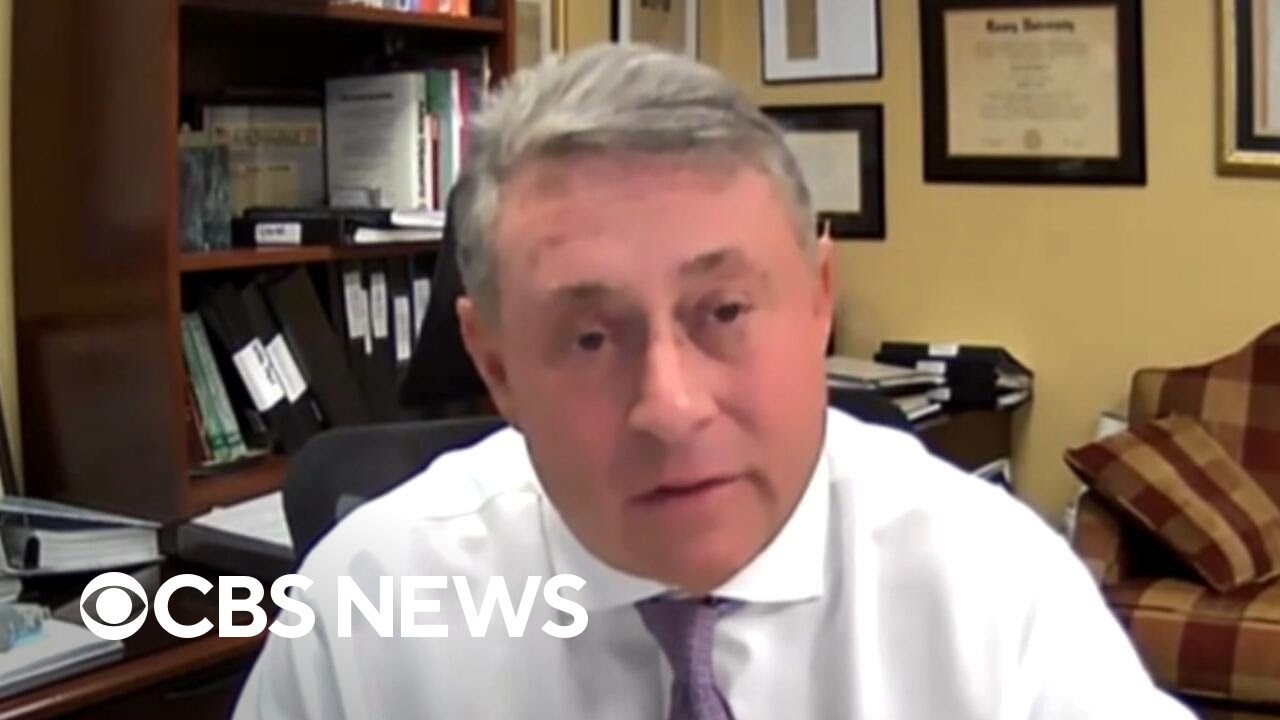
CBS News and Washington Examiner maintain a narrower focus. CBS News identifies the loophole without offering a comparative legal framework, while Washington Examiner limits its reporting to the procedural fact of the civil lawsuit and the District Attorney's decision to reexamine the case. These reports omit the systemic legal debate, treating the event as a discrete legal dispute rather than a symptom of a flawed statutory regime.
The Guardian links campus justice failures to the warping of Title IX protections
New coverage from 1 outlets
The Guardian moves the analysis away from the specific statutory defects of New York law to the broader federal framework of Title IX. By examining how the Trump administration allegedly altered these protections, the report frames the lack of accountability not as a local legal loophole, but as a systemic erosion of survivor rights orchestrated at the federal level.
This coverage misses the essential question regarding the gap between institutional discipline and criminal prosecution. Instead of analyzing why a university-sanctioned act remains unprosecutable in court, The Guardian focuses on the political history of federal regulations and the perceived failure of the #MeToo movement to penetrate campus culture. The focus shifts from the technical requirements of criminal evidence to an ideological critique of administrative policy.
Governor Kathy Hochul appoints Attorney General Letitia James as special prosecutor
New coverage from 1 outlets
The focus of the coverage has deepened from a general critique of New York's intoxication statutes to a specific instance of prosecutorial failure. boredpanda.com reports that Governor Kathy Hochul appointed Attorney General Letitia James as a special prosecutor after the district attorney closed the case without interviewing the victim. This development moves the narrative from a debate over flawed laws to a concrete investigation into whether the legal process was handled with negligence.
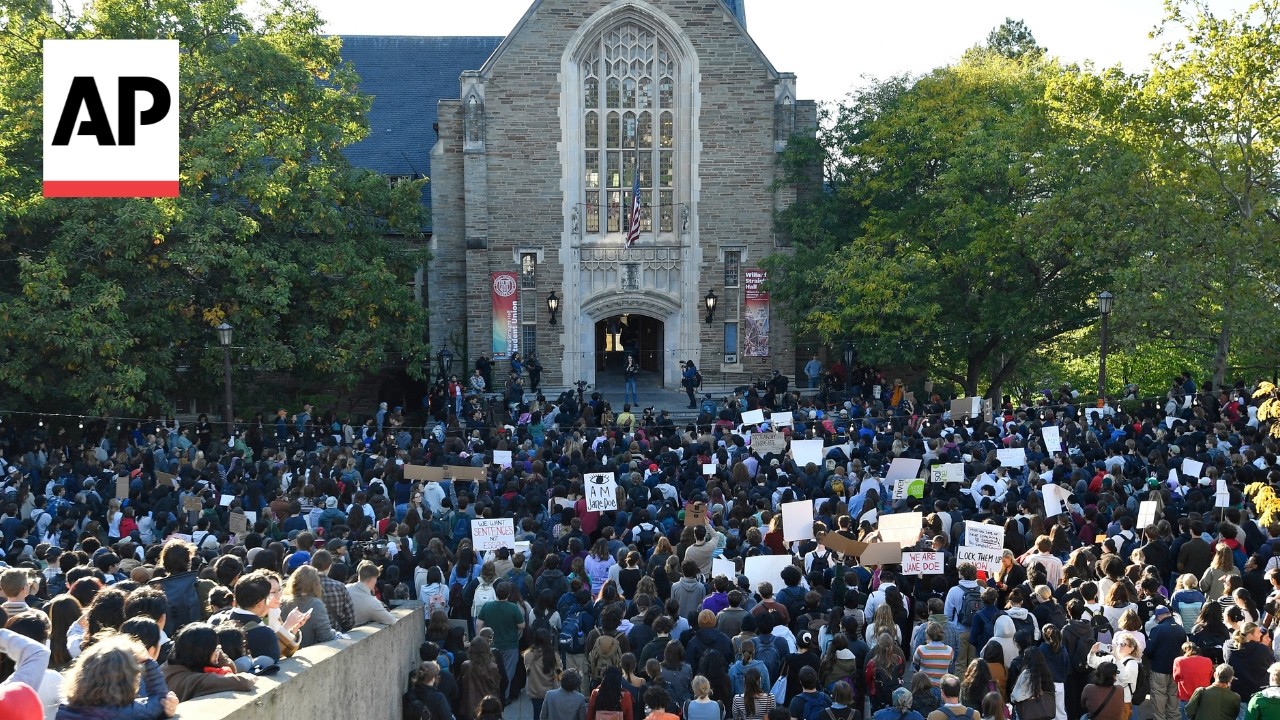
However, boredpanda.com misses the essential question regarding the gap between institutional discipline and criminal law. Instead of analyzing why the case failed to trigger prosecution despite university sanctions, the report focuses on the social dynamics of victim-blaming and the public support for the survivor. By centering the discourse on the moral fault of the perpetrators and the solidarity of the campus community, the report treats the legal failure as a symptom of societal prejudice rather than a structural statutory defect.