The conflict between legal capacity and the reality of consent
The core issue is whether a victim's choice to consume substances should negate their status as mentally incapacitated for the purpose of sexual assault prosecution. Current law in some jurisdictions creates a barrier to justice by requiring proof that intoxication was forced or involuntary to establish a lack of consent.
This structure often shifts the legal focus from the perpetrator's actions to the victim's prior choices. In such systems, the law treats voluntary intoxication as a waiver of protection, which can leave survivors of gang rape or similar assaults without criminal recourse even when they were physically unable to consent.
Focus on legislative gaps and the politics of appointment
Most outlets focused on the legal gap and the push for legislative reform. Newsweek and Fox News both identified that New York is among a minority of states maintaining this distinction, noting that other regions have already updated their laws to protect incapacitated victims regardless of how the intoxication occurred.
Newsweek provided the most comprehensive context by marking the voluntary intoxication loophole as the central trigger and noting the specific political friction surrounding the appointment of the special prosecutor. CBS News offered a more superficial summary, focusing on the governor's announcement without engaging deeply with the legal mechanics of consent. The coverage generally succeeded in identifying the structural defect, though it largely omitted the specific legal arguments used by those who believe the distinction prevents cases based on later regret.
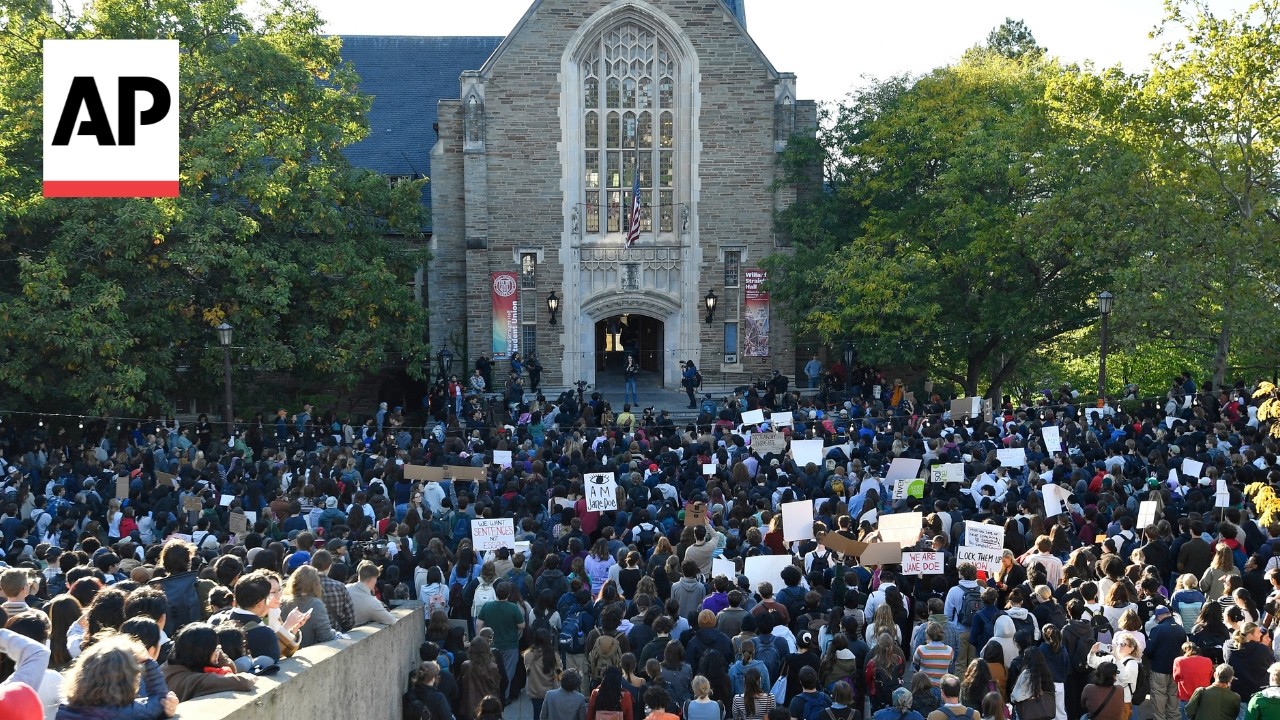
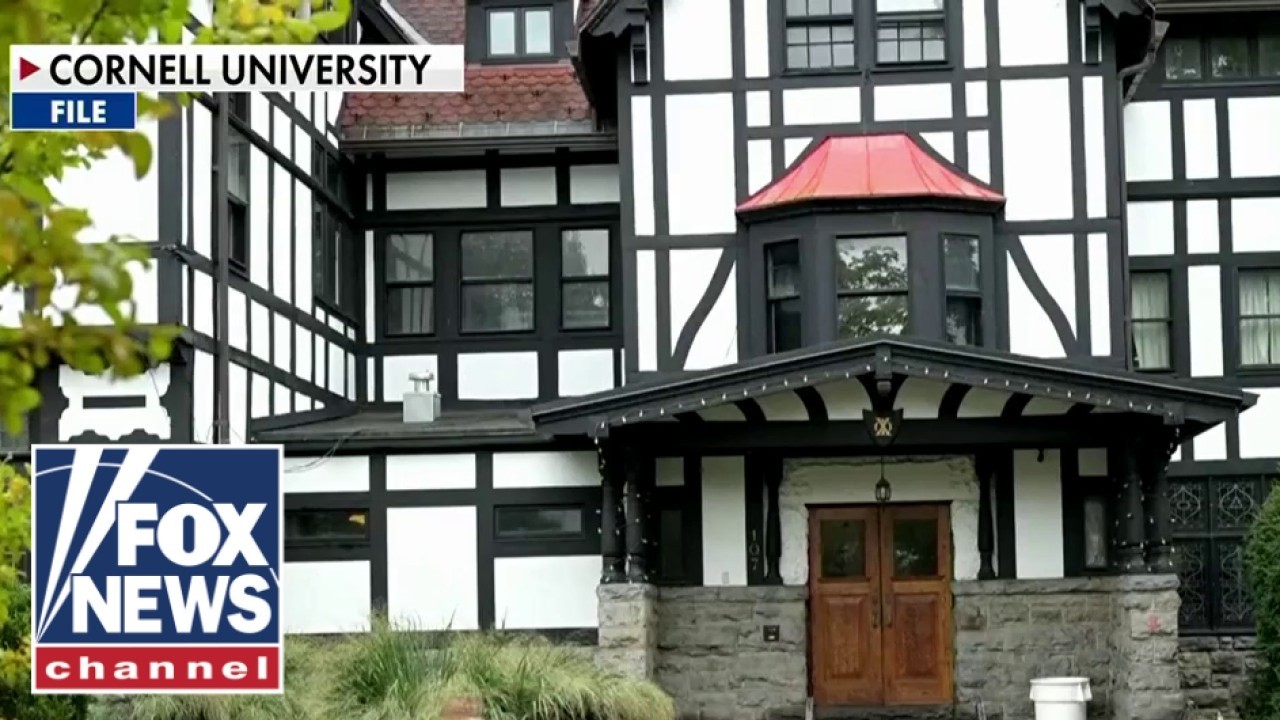
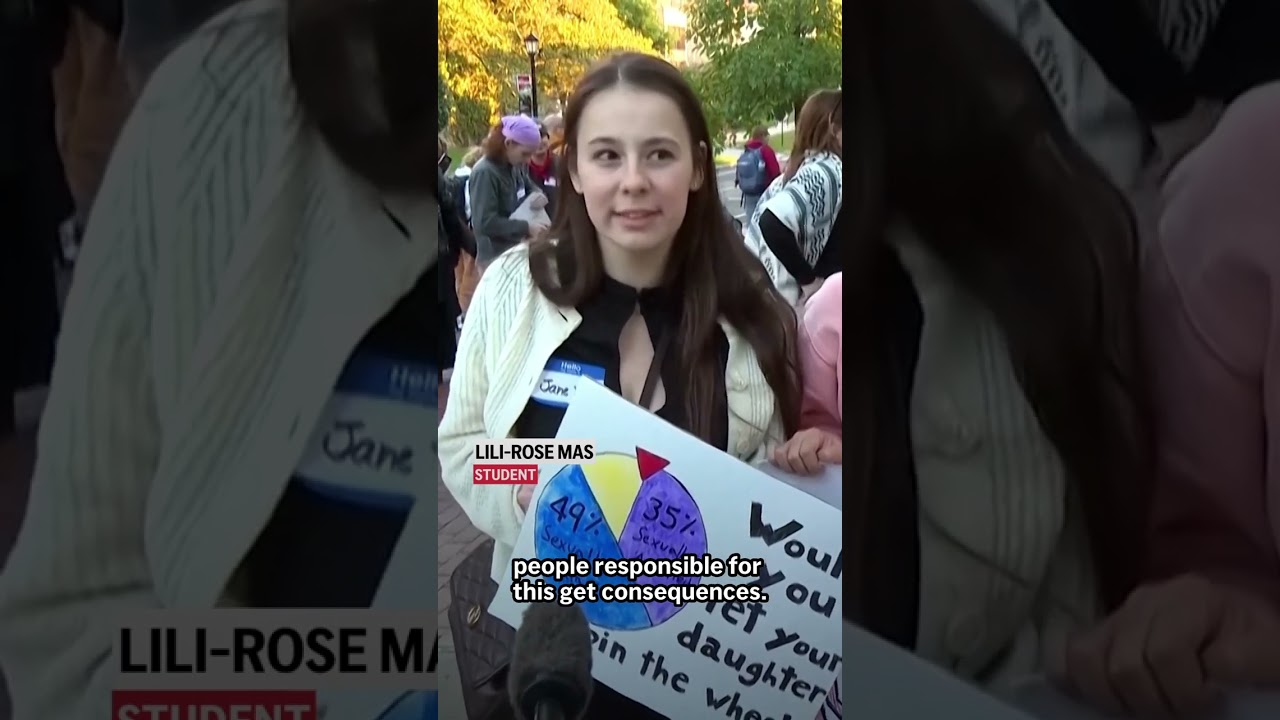
Washington Post reports Cornell University gang rape allegations reignite consent law debate
New coverage from 1 outlets
Washington Post connected the abstract legal debate to a concrete 2024 case involving gang rape allegations at Cornell University. By highlighting vulgar messages exchanged among fraternity members and drawing parallels to a 2014 assault case, the report demonstrated how the intoxication loophole functions as a recurring systemic failure rather than an isolated legal technicality.
This coverage engaged with the essential question by citing a district attorney's admission that state laws make filing charges in such cases difficult or impossible. It shifted the narrative from a discussion of legislative reform to a documentation of the actual barrier to prosecution faced by victims in the current system.
BBC reports on the legal conflict between physical incapacitation and impairment standards
New coverage from 1 outlets
BBC engaged with the essential question by detailing the precise legal threshold that creates the loophole. The report clarified that victims who voluntarily consume substances must currently prove they were physically incapacitated rather than merely intoxicated to establish a lack of consent.
By contrasting this with proposed reforms to include those who are impaired or incapable of appraising their conduct, the coverage moved the discussion from a general critique of the law to a specific debate over legal definitions. BBC also highlighted a discrepancy between the state's criminal law and Cornell University's internal affirmative consent standards, showing that the barrier to justice exists specifically at the prosecutorial level.