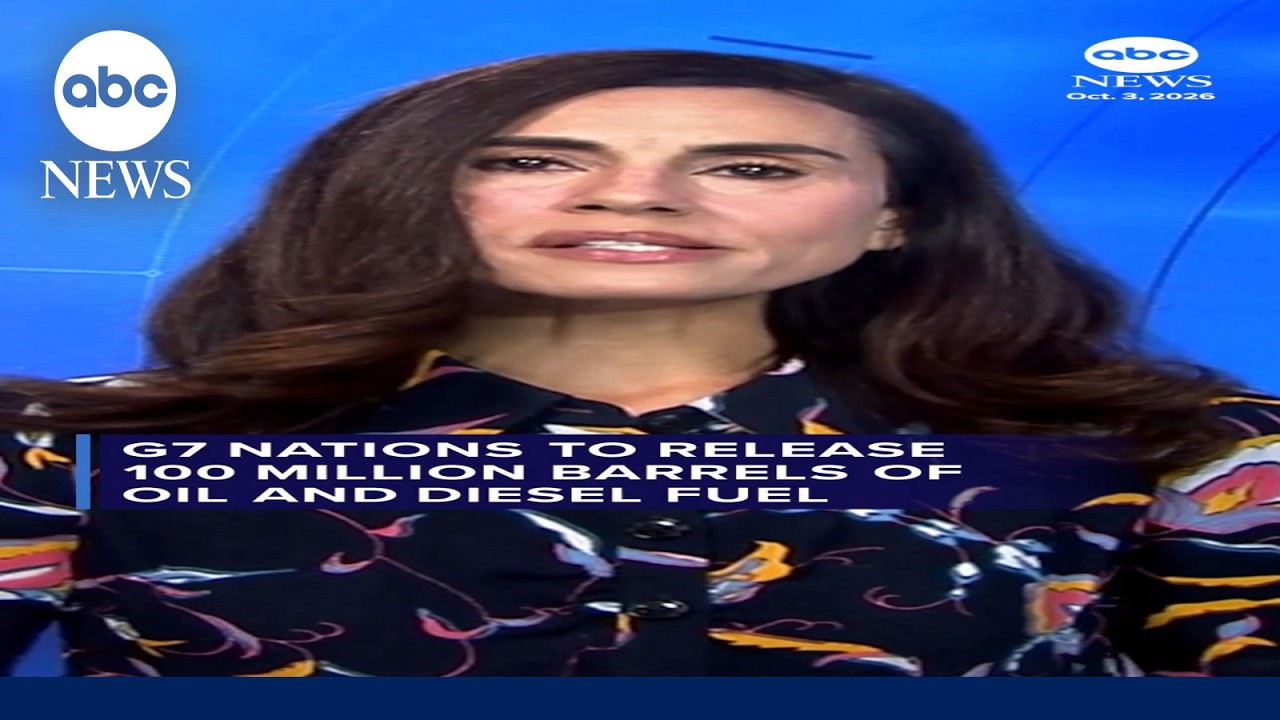
The intersection of global energy stability and domestic political survival
The core of this event is whether the release of 100 million barrels of reserves serves global market stability or the political interests of a specific leader. While the stated goal is to combat soaring prices caused by geopolitical conflicts, the timing suggests a different priority.
In this type of structural arrangement, a dominant economy often uses its role as a primary supplier to exert leverage over dependent allies. When domestic approval ratings drop ahead of an election, the power holder may pressure international partners to coordinate actions that lower local costs. This transforms a global emergency mechanism into a tool for domestic political gain.
Focus on political leverage over market fundamentals
The coverage consistently frames the G7 agreement not as a voluntary partnership, but as a result of pressure from the Trump administration. CNBC and NBC News specifically link the timing of the release to the November midterm elections and poor economic polling, highlighting the domestic motive behind the international coordination.
CNBC provides critical depth by noting that the U.S. used its position as a primary diesel supplier to threaten an export ban, which created a risk to European economic stability. This detail reveals the specific mechanism of leverage used to secure the agreement.
However, the coverage largely overlooks the long-term efficacy of the move. While NBC News mentions that the release does not increase refinery capacity, the outlets generally fail to engage with whether temporary reserve releases can actually solve a structural energy crisis. The reporting prioritizes the political drama of the pressure campaign over the technical reality of energy markets.
Newsweek reports limited price impact and winter heating risks from G7 oil release
New coverage from 3 outlets
These reports deepen the analysis of the release's efficacy by introducing specific quantitative and seasonal risks. Newsweek engages with the essential question by noting that the release may only lower prices by 10 to 20 cents per gallon in the short term. This detail transforms the discussion from a political narrative into a technical assessment of market impact.
Newsweek further identifies a new structural risk: the possibility that depleting reserves now will leave nations vulnerable during the peak winter heating season. While PBS maintains the focus on the political survival of the Trump administration and the Republican Party, Newsweek highlights the gap between a short-term political win and long-term energy security. The coverage now contrasts the immediate goal of lowering pump prices with the enduring problem of lost refining capacity.
USA Today reports on the threat of a U.S. diesel export ban to secure European reserves
New coverage from 3 outlets
The reporting returns to the specific leverage used by the Trump administration, moving from general political motives back to the mechanics of the pressure campaign. USA Today engages with the essential question by detailing how the U.S. threatened a diesel export ban to compel European allies to release their stocks. This detail clarifies that the G7 agreement was not a voluntary collaboration but a result of a specific economic threat.
HuffPost also links the release to the November 3 midterm elections and low economic approval ratings, reinforcing the narrative of domestic political survival. In contrast, NBC News provides a brief report of the President's statement without analyzing the volume of fuel or the nature of the coordination. By omitting the pressure tactics and the quantitative impact, NBC News fails to engage with whether the event serves global stability or political interests.
TIME identifies geopolitical triggers and the limits of reserve releases as a temporary fix
New coverage from 1 outlets
TIME engages with the essential question by analyzing the gap between the Trump administration's political goals and the structural causes of the energy crisis. The report provides [★ 독자적 사실] by identifying the closure of the Strait of Hormuz and infrastructure attacks in the Russia-Ukraine conflict as the primary drivers of the global shortage. This detail shifts the context from a domestic political maneuver to a response to specific geopolitical disruptions.
While previous reports focused on the diesel export ban as a tool of pressure, TIME evaluates the actual market effect of the release. It notes that while the move serves as a critical signal to reduce volatility, it provides only limited direct price relief for consumers. By highlighting that temporary releases cannot solve a supply crisis rooted in ongoing wars, the coverage emphasizes that the event is a palliative measure rather than a structural solution.
Daily Caller reports G7 oil release consists of pre-existing March commitments
New coverage from 1 outlets
Daily Caller engages with the essential question by challenging the narrative of a new, coordinated effort. The report provides [★ 독자적 사실] by noting that the pledged barrels are part of a pre-existing March commitment rather than new oil released specifically due to current pressure. This detail suggests that the event may be a rebranding of old agreements to serve a current political narrative.
Daily Caller further shifts the perspective by framing the U.S. as bearing a disproportionate burden of global stabilization. By citing energy experts who describe European dysfunction, the coverage argues that U.S. pressure was a reasonable response to allies who only fulfill obligations when compelled. This moves the discussion from a critique of U.S. leverage to a critique of the reliability of European partners.