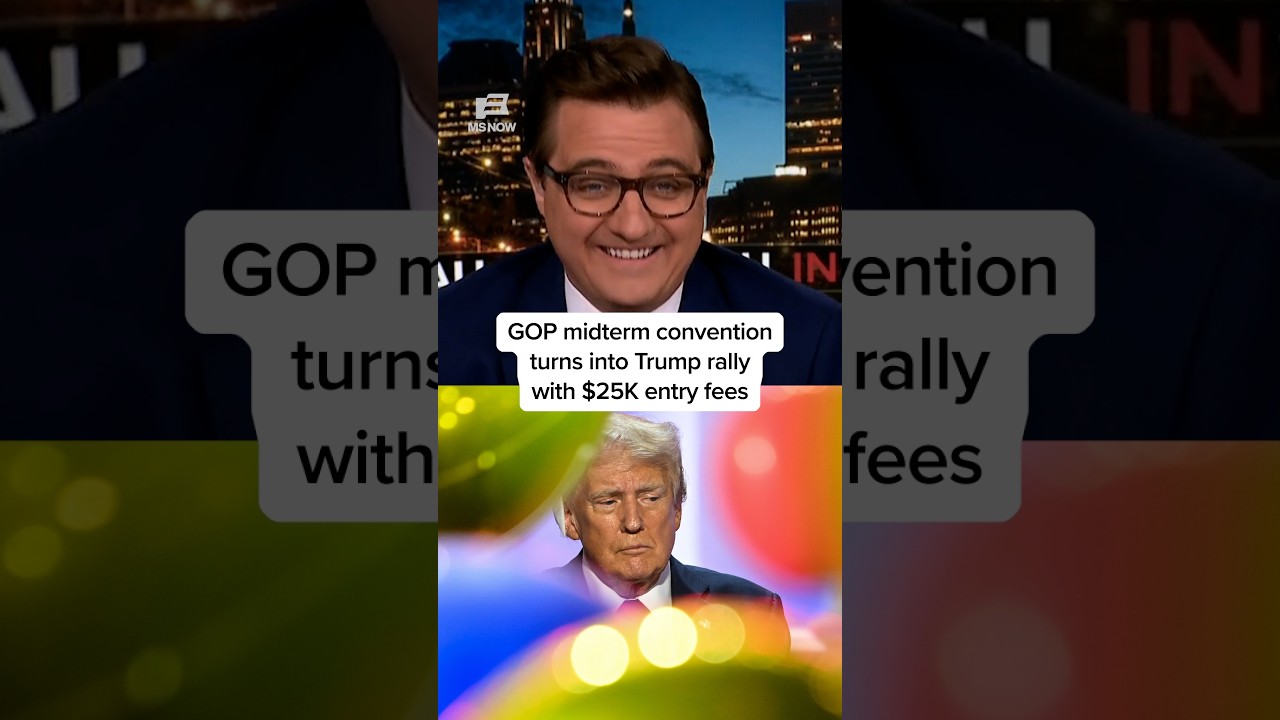
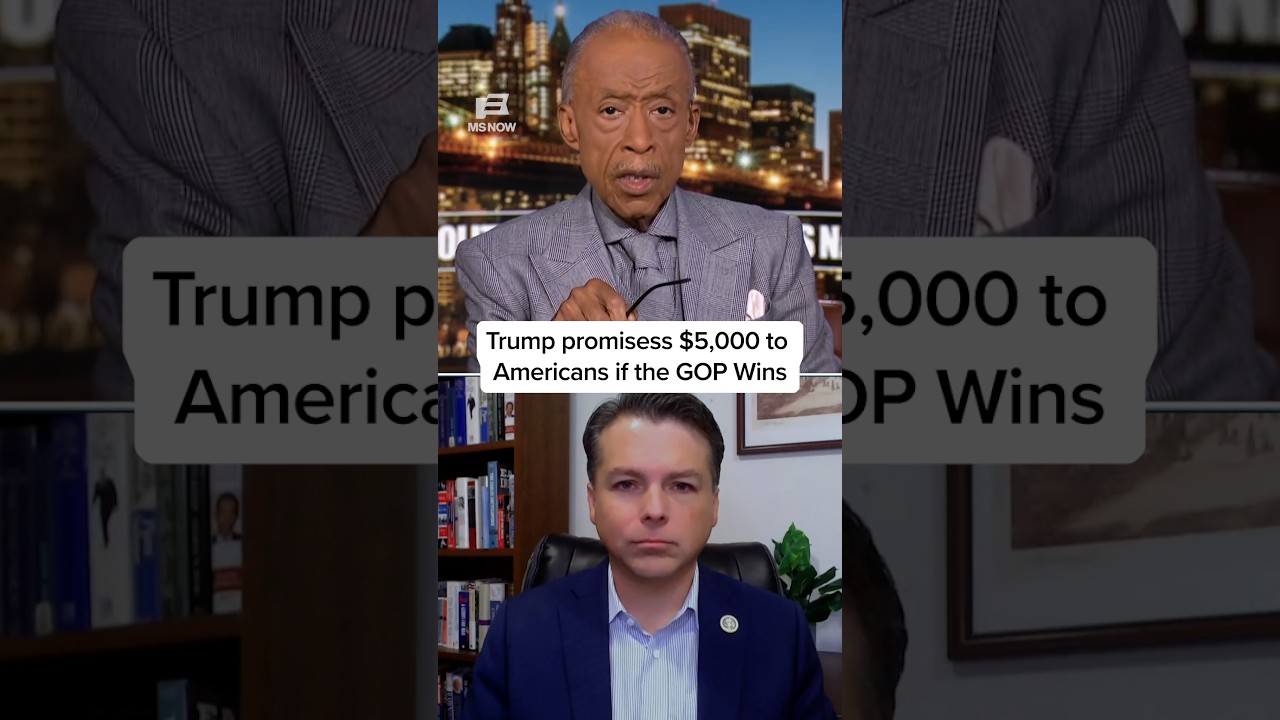
Across 4 articles, the focus on fiscal instability and legal hurdles creates a pattern of skepticism, characterizing the proposal as an economically disastrous and procedurally disruptive plan. In 2 of 4 articles, the narrative centers on the political motivations of the administration, establishing a pattern that describes the dividend as a strategy rooted in a cult of personality. Only 1 outlet reports the specific claim that the checks will not be funded by taxpayers, revealing a substantial missing perspective regarding the administration's official funding justifications across the remaining coverage.
Critical coverage dominates with mid-to-high bias intensity.
Fox News adds a concrete layer of fiscal absurdity to the narrative, quantifying the gap between Trump's tariff-funded fantasy and reality. By pitting a $1.2 trillion price tag against actual customs collections, the coverage transforms a vague 'feasibility' debate into a math problem the administration cannot solve. The outlet further leans into the 'publicity stunt' angle, framing the dividend not as policy, but as a transactional bribe tied to GOP congressional majorities.
Fox News shifts the focus from abstract fiscal math to the street level, framing the dividend as a conditional reward—a 'bribe' contingent on GOP congressional control. By introducing the specific $5,000 figure and the reactions of Detroit voters, the coverage evolves the dispute from a question of economic viability to one of political desperation. The inclusion of DOGE's failed promises adds a layer of historical skepticism, suggesting the 'Trump dividend' is less a policy proposal and more a recurring trope of unmaterialized financial fantasies.
From fiscal math to the psychology of the voter
Recent coverage pivots from the ledger to the polls, shifting the debate from whether the plan is possible to whether it is popular. Breitbart introduces survey data to show a public divided by party but united by a certain level of cynicism. The narrative now highlights a paradox where voters may want the money but do not actually believe they will receive it.
This move effectively sidesteps the hard math of funding in favor of a popularity contest. For the reader, the story is no longer about economic viability, but about the effectiveness of a campaign promise as a psychological tool. The press is now treating the dividend as a mood ring for the electorate rather than a piece of fiscal policy.