Domestic energy needs versus strategic leadership
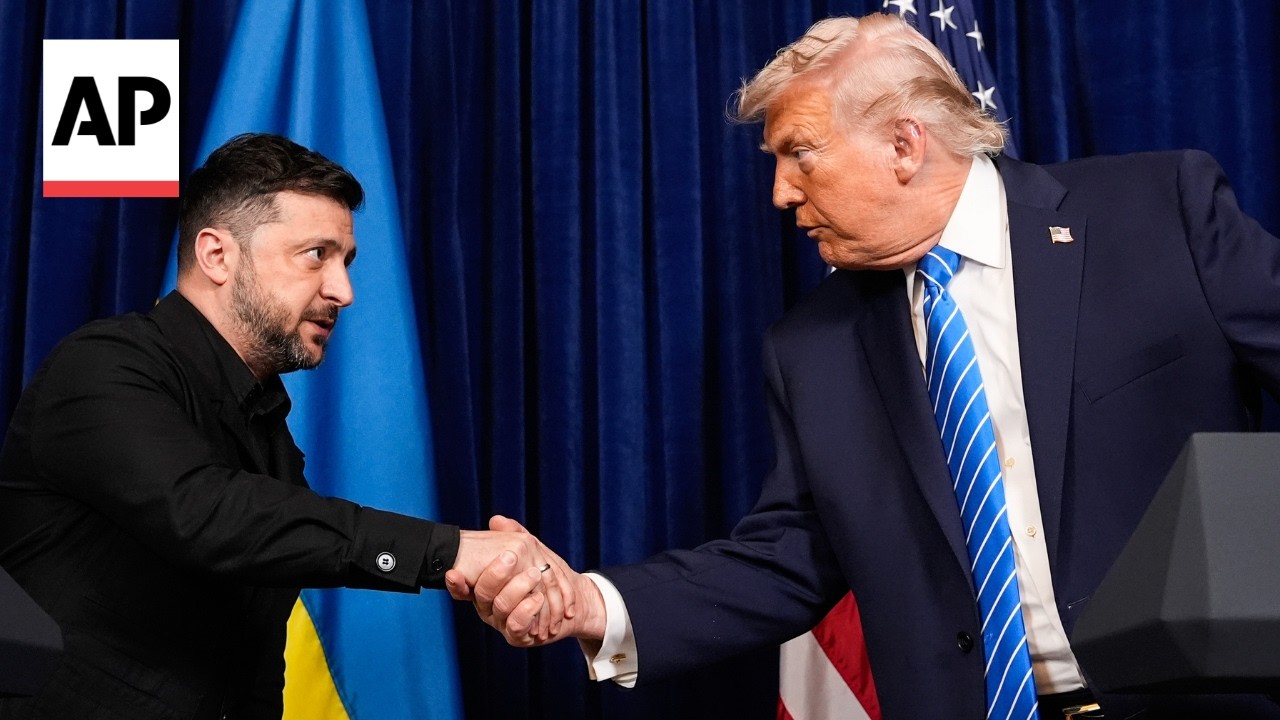
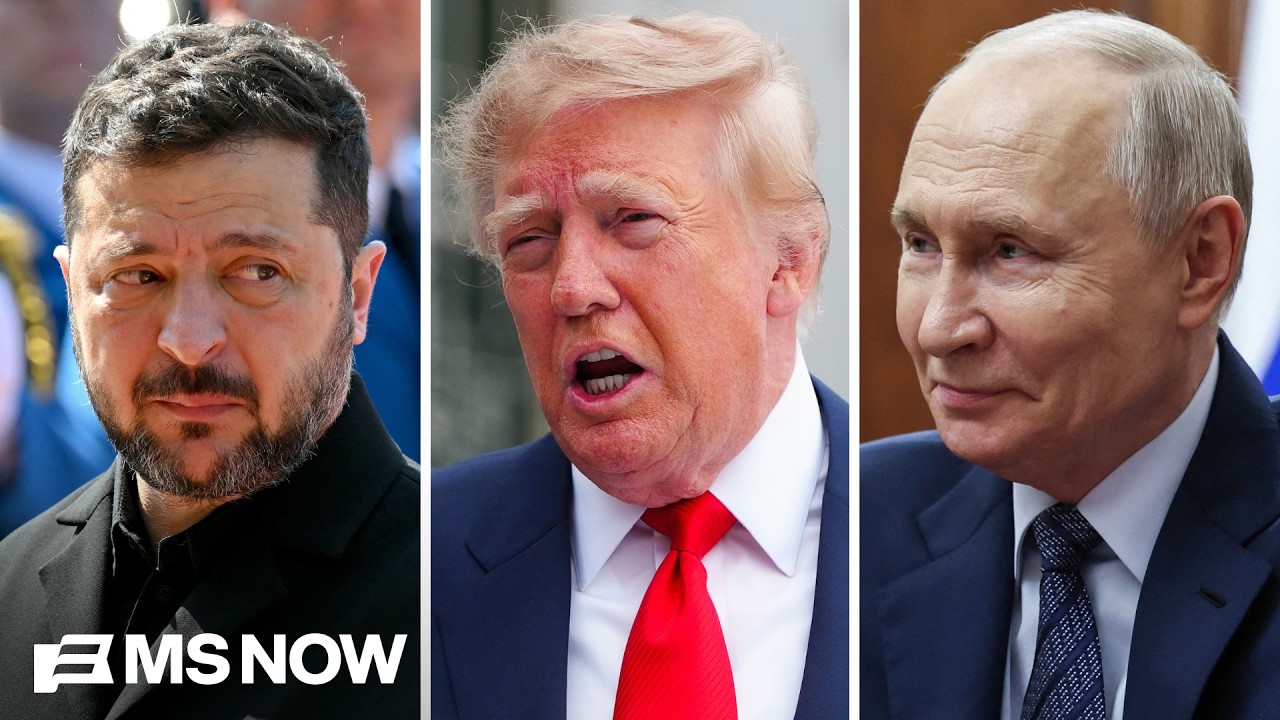
The core issue is whether the call for a new Ukrainian president is a genuine attempt to resolve a long-term conflict or a means to justify the import of 300,000 metric tons of diesel to lower domestic fuel costs. The demand for leadership change coincides with a decision to suspend sanctions on Russian fuel, creating a tension between the strategic goal of weakening an aggressor and the immediate need to stabilize energy prices for agricultural voters.
This structure reflects a pattern where a superpower leverages its support for a client state to force a policy shift that serves the superpower's internal economic stability. The conflict arises when the client state views such concessions as a betrayal of national sovereignty and a funding source for the enemy.
Focus on economic motives and political optics
Most outlets focused on the friction between the U.S. and Ukrainian leadership, framing the dispute as a clash between a desire for a negotiated settlement and a commitment to military resistance. NY Post and BBC specifically linked the call for a new president to the midterm elections and the need to lower fuel costs in agricultural states, identifying the domestic political motive behind the diplomatic pressure.
While Mediaite highlighted the internal skepticism of these remarks by characterizing them as frustration, the coverage generally succeeded in connecting the diesel deal to the demand for a leadership change. However, the outlets largely omitted a deeper analysis of how such a leadership shift would be legally or practically executed within a sovereign state during an active war, focusing instead on the rhetoric of the participants.
Newsweek and BBC report conflict over Russian refinery strikes and global fuel supplies
New coverage from 2 outlets
These reports move beyond the political demand for a new president to the specific tactical trigger: Ukrainian strikes on Russian oil refineries. Newsweek and BBC both identify these attacks as the primary point of contention, with the U.S. administration arguing that such strikes destabilize global diesel supplies and harm American farmers. This shifts the debate from a general dispute over leadership to a concrete clash between Ukraine's national security strategy and the U.S. goal of global economic stability.
Both outlets engaged with the essential question by linking the demand for a leadership change directly to the energy deal and the subsequent refinery attacks. Newsweek provided deeper context by citing energy expert Margarita Balmaceda, who warned that the deal to suspend sanctions may actually bolster Russia's military capabilities. This adds a layer of strategic contradiction to the U.S. position, suggesting that the effort to lower domestic fuel costs could inadvertently fund the aggressor's war effort.
Mother Jones reports on bipartisan bill to block diesel sanctions lift
New coverage from 1 outlets
Mother Jones engages with the essential question by detailing the internal U.S. political friction caused by the diesel deal. The report highlights a bipartisan bill introduced by Rep. Brian Fitzpatrick to prevent the president from lifting sanctions, grounding the dispute in a concrete legislative attempt to stop the funding of the Russian war effort. This moves the conversation from a diplomatic clash between two leaders to a domestic legal struggle over the authority to waive sanctions for economic gain.
This coverage also introduces a competing narrative regarding the cause of fuel price spikes. While previous reports focused on Ukrainian refinery strikes, Mother Jones notes Zelenskyy's claim that the closure of the Strait of Hormuz is the actual driver. By presenting this counter-argument, the report suggests that the demand for a leadership change in Ukraine may be a tactical diversion to mask broader geopolitical instabilities and internal policy contradictions.
Newsweek identifies potential Ukrainian presidential successors and reports failure of energy ceasefire
New coverage from 1 outlets
Newsweek engages with the essential question by examining whether a leadership change is a viable path to peace or a tactical demand. The report moves beyond the rhetoric of the U.S. administration to provide a concrete list of four potential successors, including Valery Zaluzhnyi and Kyrylo Budanov, based on public trust levels and government records. This adds a layer of practical analysis to the debate, shifting it from a theoretical diplomatic demand to a discussion of internal Ukrainian political alternatives.
This coverage also confirms the failure of the energy ceasefire announced by Donald Trump, noting that Ukrainian officials reported immediate Russian violations. By linking the demand for new elections to the collapse of this ceasefire, Newsweek suggests that the pressure for a leadership change may be decoupled from any actual Russian willingness to stabilize energy supplies. The reporting highlights a contradiction where the U.S. pushes for a political shift in Ukraine while the strategic trigger for that shift—the energy deal—fails to hold in practice.