The gap between unilateral declaration and bilateral agreement
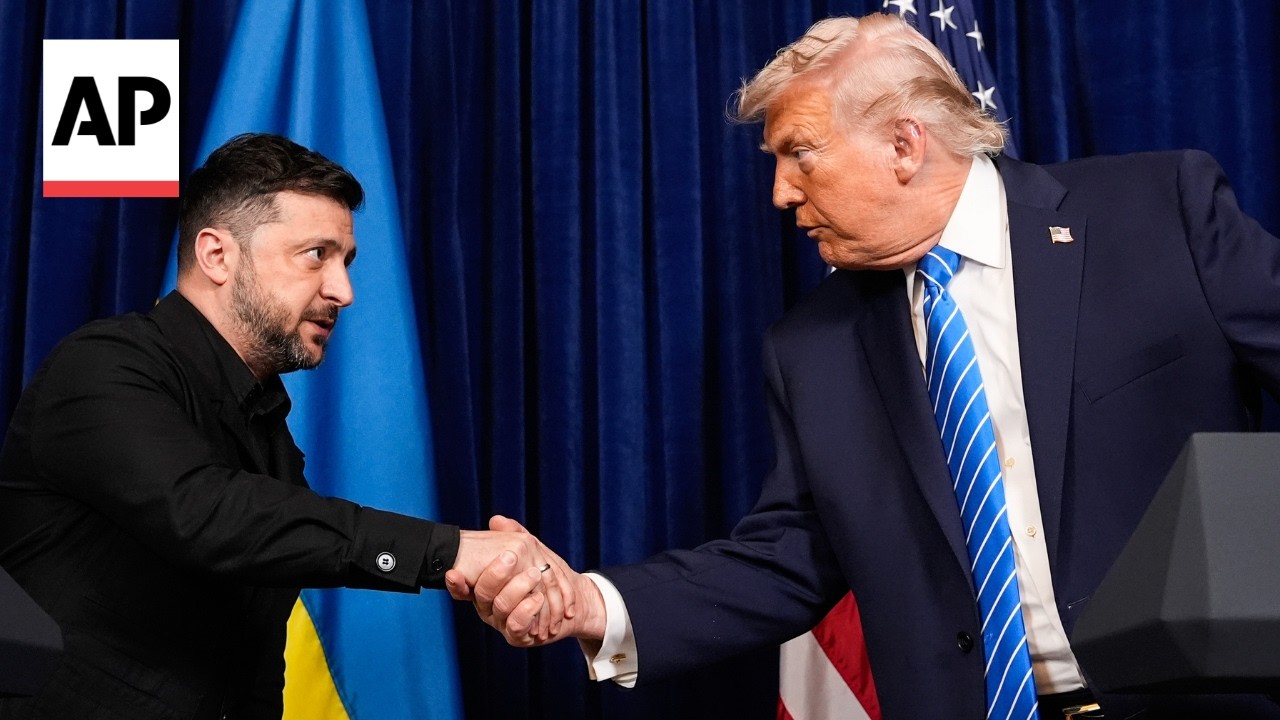
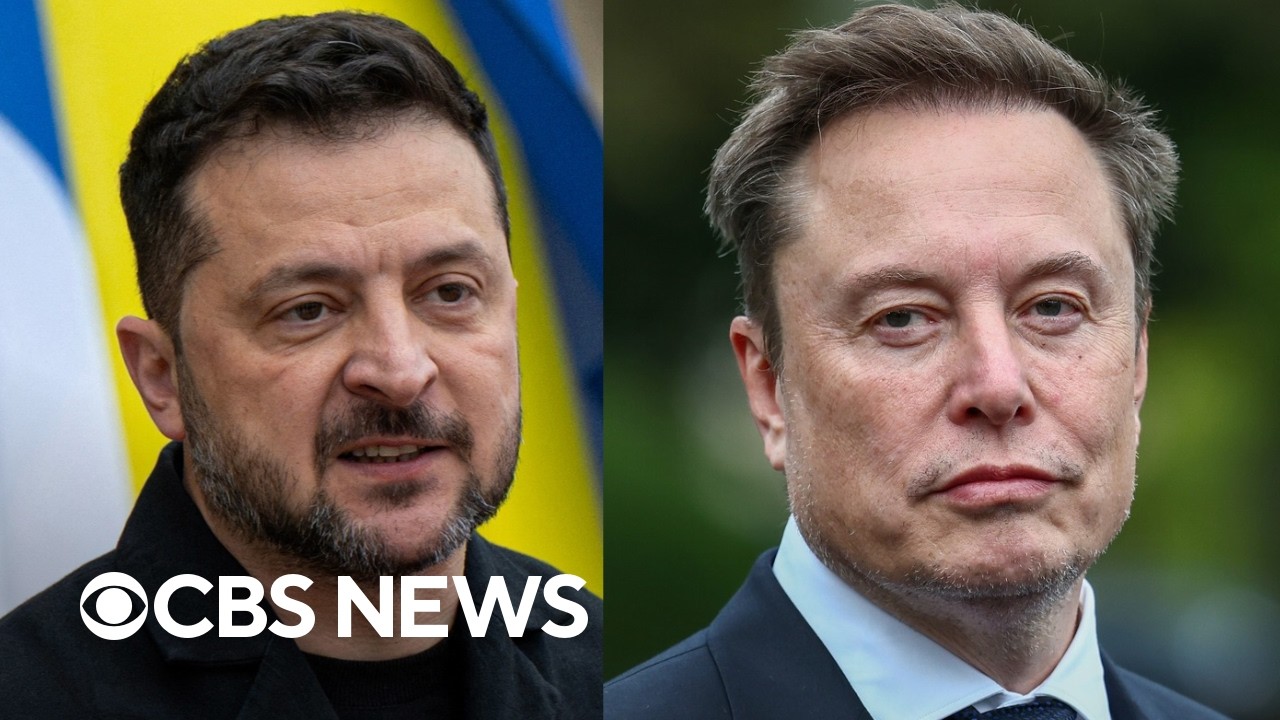
The core issue is whether a mediator can impose a ceasefire by declaring it a fait accompli to achieve specific economic goals. In this case, the announcement serves to stabilize global diesel prices for domestic consumption rather than reflecting a negotiated consensus between the warring parties. When a head of state denies knowledge of a deal, the announcement ceases to be a diplomatic achievement and becomes a tool for political pressure.
This structure mirrors the Camp David Accords, where a third-party mediator facilitated a framework that eventually led to a formal peace treaty between two adversaries. However, while that process involved intense, secret negotiations with both parties to ensure mutual commitment, the current situation lacks evidence of a shared agreement, functioning instead as a unilateral directive.
Focus on domestic economic motives over diplomatic validity
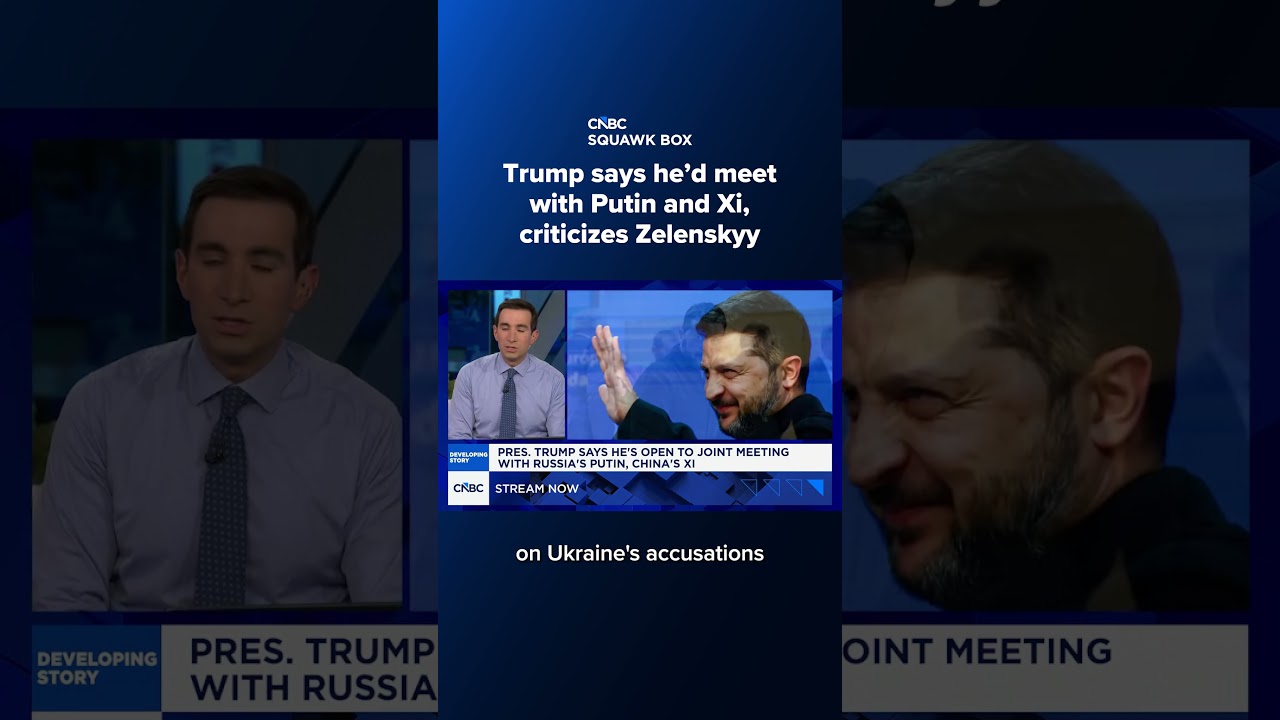
Most outlets focused on the contradiction between the announcement and the Ukrainian president's denial. The Guardian, CBS News, and Fox News all highlighted the link between the ceasefire claim and the lifting of sanctions on Russian diesel to lower fuel prices before domestic elections. This reveals a recurring pattern where a mediator leverages a conflict's resolution to secure specific commodity imports for domestic stability.
NBC News provided critical context by noting that a similar claim made a month prior was not followed by an actual cessation of attacks. While most coverage addressed the tension between the two leaders, Washington Examiner omitted the Ukrainian denial and the broader context of sanctions, presenting the announcement as an immediate directive. The coverage generally succeeded in identifying the economic motive but failed to investigate whether any high-level communication occurred between the mediator and the Russian side to justify the claim.
Euronews reports mediator's pressure for Ukrainian leadership changes alongside energy ceasefire
New coverage from 3 outlets
These reports expand the scope of the mediator's motives beyond diesel price stability. Euronews highlighted that the ceasefire announcement coincides with suggestions that Ukraine requires a new leader to end the war. This adds a political dimension to the economic goal, suggesting the announcement functions as leverage for regime change rather than a purely diplomatic or commodity-driven move.
Daily Caller and Euronews engaged with the essential question by analyzing the discrepancy between the mediator's claims and the reality on the ground. Daily Caller specifically noted that Russia and Ukraine define 'energy' differently, with Moscow prioritizing oil exports while Kyiv focuses on civilian heat and electricity. This technical divergence suggests the 'agreement' may be a semantic fabrication to justify the purchase of Russian diesel.
Breitbart missed the core question of whether a bilateral agreement actually exists. It presented the mediator as successfully brokering de-escalation despite resistance from the Ukrainian president, omitting the fact that the president denied being informed of the deal. By framing the situation as a successful mediation against a reluctant partner, the coverage ignored the fundamental gap between a unilateral declaration and a mutual agreement.
BBC reports bipartisan US opposition to the Russian diesel deal and Zelenskyy's counter-proposal for elections
New coverage from 2 outlets
BBC deepened the analysis of the economic motive by reporting that the temporary lifting of sanctions on Russian diesel faces criticism from a bipartisan group of US senators and EU officials for violating existing law. This transforms the diesel purchase from a simple policy choice into a legal dispute. The coverage also captures a new diplomatic exchange where Zelenskyy offered to hold elections on the condition of a total 60-day ceasefire, directly responding to the mediator's suggestion that Ukraine needs a new leader.
BBC and CNBC engaged with the essential question by contrasting the mediator's claim of an immediate agreement with the lack of specific details and the reality of ongoing Russian strikes on power plants. By documenting the specific legal objections to the diesel deal, BBC provided the concrete evidence needed to evaluate whether the ceasefire is a diplomatic achievement or a legal workaround to secure fuel imports.
TIME reports diesel imports are insufficient to offset price hikes from the Iran conflict
New coverage from 3 outlets
These reports shift the analysis from the legality of the diesel deal to its actual economic efficacy. TIME provided a critical factual correction by noting that the volume of Russian diesel is too small to offset price increases caused by the U.S. war with Iran and the blockade of the Strait of Hormuz. This evidence suggests the 'energy ceasefire' is not a pragmatic economic solution but a political tool for the November 3 midterm elections, specifically targeting agricultural battleground states like Kansas.
TIME and PBS engaged with the essential question by demonstrating that the mediator's claims are contradicted by both the scale of the imports and the reality of ongoing Russian strikes. By contrasting the mediator's blame on Ukrainian refinery strikes with the broader geopolitical cause of fuel prices, PBS highlighted the gap between the public narrative and the economic reality. BBC remained focused on the electoral prospects of the mediator, repeating the unsubstantiated nature of the ceasefire without adding new evidence regarding the diesel volume or the specific domestic political targets.
Euronews and Yahoo Finance report market rally following energy ceasefire announcement despite ongoing hostilities
New coverage from 2 outlets
These reports shift the analysis from the political utility of the announcement to its immediate effect on global markets. Euronews and Yahoo Finance both noted that oil prices fell and stock markets rose following the announcement, suggesting that investors reacted to the claim of a ceasefire regardless of its bilateral legitimacy.
Both outlets missed the essential question of whether a mutual agreement actually exists. Instead of investigating the gap between the mediator's claim and the lack of Russian confirmation, they treated the announcement as a market trigger. Yahoo Finance highlighted the specific volume of 300,000 metric tons of diesel, but framed it as a supply factor rather than questioning the legal or diplomatic basis of the deal.
This coverage reveals a pattern where financial reporting prioritizes price volatility and investor sentiment over the diplomatic veracity of the event. By contrasting the ceasefire's downward pressure on prices with the upward pressure from Houthi attacks in Saudi Arabia, the reports treat the 'energy ceasefire' as one of several competing market variables rather than a potential diplomatic fabrication.
Daily Caller confirms Ukrainian officials were not notified of the energy ceasefire
New coverage from 2 outlets
These reports move the analysis back to the fundamental gap between the mediator's announcement and diplomatic reality. Daily Caller engaged with the essential question by obtaining direct testimony from Ukrainian officials confirming they were not notified of the ceasefire before it was announced. This evidence, combined with reports of ongoing Russian strikes on Kharkiv and Kyiv, transforms the 'energy ceasefire' from a disputed claim into a documented fabrication.
BBC shifted the target of analysis to the Russian government, reporting that Moscow views the announcement as a strategic gift. By remaining officially silent while pro-Kremlin media praised the move, Russia treats the unilateral declaration as a tool to restrict Ukrainian strikes on Russian refineries without committing to any reciprocal concessions.
While Daily Caller provided the concrete evidence needed to invalidate the mediator's claim, BBC focused on how the void of a formal agreement serves Russian interests. Together, these reports demonstrate that the announcement functioned not as a diplomatic bridge, but as a one-sided advantage for Moscow and a domestic political tool for the mediator.