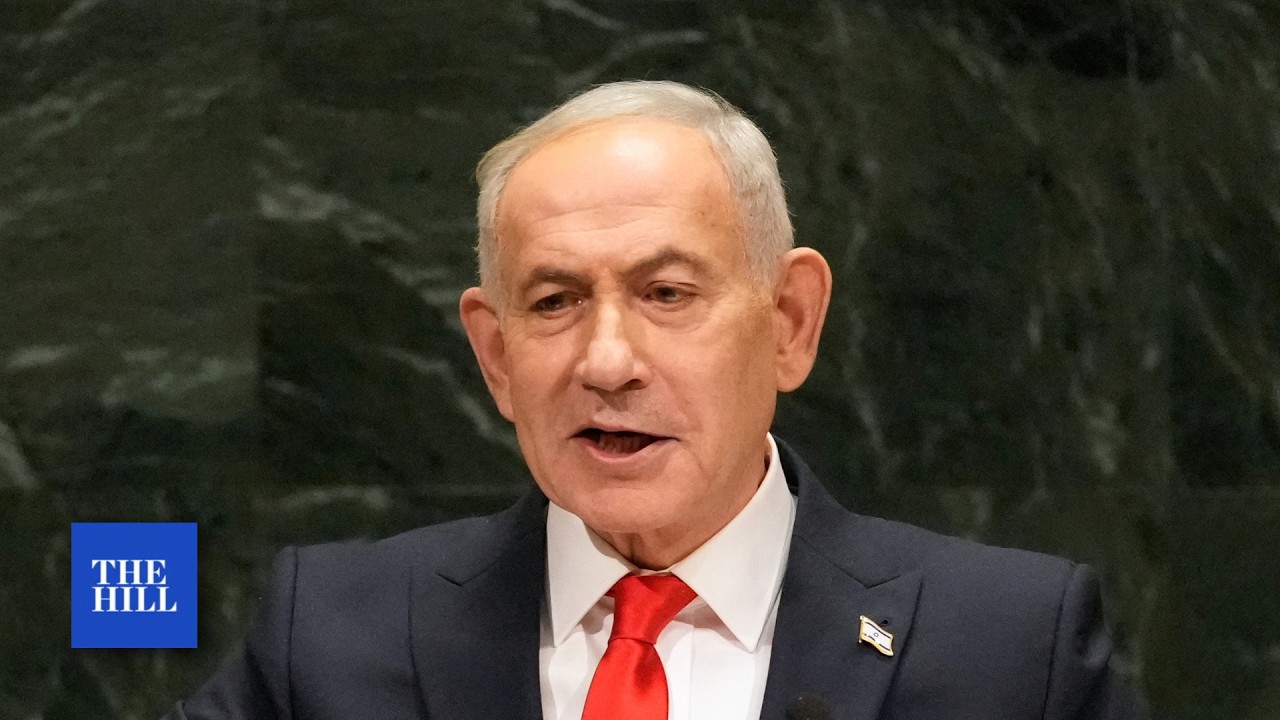
The Art of Turning a Cold Shoulder into a Warm Welcome
The core of this spectacle is whether a leader can flip the script on global rejection. When a large number of delegates walk out of a chamber, the intended message is a clear signal of diplomatic isolation. However, for a leader facing a divided home crowd, this void becomes a stage. By framing the empty seats as the work of moral cowards, the leader stops being a pariah and starts being a solitary warrior fighting a hostile world.
This is a classic play in the handbook of survival. In these types of events, the physical act of leaving is meant to strip away legitimacy, but the speaker uses that very absence to build a narrative of persecution. The goal isn't to win over the people leaving, but to make the people staying—and those watching from home—feel like they are part of an exclusive, brave minority.
Between the Theater of Hate and the Ledger of Diplomacy
The coverage splits neatly into two camps: those captivated by the drama and those counting the costs. Fox News and Mediaite lean into the fireworks, focusing on the fiery clash between the speaker and the New York City mayor. They treat the podium like a boxing ring, highlighting the accusations of antisemitism and the personal jabs. Meanwhile, The Guardian and Newsweek look past the shouting to see the actual diplomatic erosion, noting that while a narrative can spin a visual, it cannot erase the real-world price of being an international outcast.
Interestingly, TIME and PBS provide the necessary anchor by mentioning the findings of international legal bodies, reminding us that the 'biggest lie' being debated isn't just a rhetorical flourish but a point of legal contention. Most outlets were happy to report the walkout as a 'symbol,' but few bothered to ask if such gestures actually change policy or if they just provide the speaker with the exact 'persecuted leader' imagery he needs for his next campaign.
It turns out that in the theater of global politics, a mass exit is just a fancy way of giving the lead actor a bigger spotlight.
Netanyahu uses Starlink prop to predict the collapse of the Iranian regime
New coverage from 3 outlets
The narrative has shifted from the drama of the room to the specific targets of the attack, turning a diplomatic failure into a geopolitical forecast. While previous reports focused on the void left by departing envoys, these reports highlight the use of props and predictions to frame the Iranian government as a dying regime.
Coverage now splits between treating the speech as a calculated performance for a domestic election and viewing it as a legitimate security warning. Some reports emphasize the contradiction of claiming victimhood while bragging about pager attacks, while others lean into the imagery of a 'steel wall' against Tehran.
This pattern reflects a common press habit of pivoting from the 'how' of a performance to the 'what' of the policy once the initial spectacle fades. For the reader, this means the story is no longer about whether the world is ignoring the leader, but who the leader is trying to scare while the world looks away.
Protests in New York and falling domestic polls challenge the narrative of the solitary warrior
New coverage from 2 outlets
The narrative of the 'solitary warrior' is hitting a wall of concrete reality. While the leader tries to spin international isolation as a badge of honor, these reports pivot to the physical disruption of his visit and the cold math of his trailing poll numbers. The focus is no longer just on the theater inside the UN, but on the coalition of activists and elected officials blocking the streets outside.
Coverage now splits between framing these protests as a rising political force and treating the UN speech as a desperate bid for domestic survival. Some reports highlight the irony of a leader claiming global persecution while his own right-wing coalition slips in the polls, suggesting the fiery rhetoric is a campaign tool rather than a security strategy.
This move reflects a press tendency to seek a counter-weight to a leader's curated image. By shifting from the podium to the pavement, the reporting reminds the reader that a narrative of strength is only effective if the people at home actually believe it.
Reports highlight the defiance of ICC arrest warrants during the UN visit
New coverage from 2 outlets
The narrative has moved from the optics of the room to the legal immunity of the actor. While previous reports treated the walkouts as a political theater, these reports highlight the friction between an active ICC arrest warrant and the physical reality of a leader speaking at the UN.
Coverage now pivots toward the technicality of why a warrant fails to stop a plane from landing, contrasting the weight of international law with the practical shield of diplomatic hosting.
This shift reflects a press habit of moving from the emotional noise of protests to the structural loopholes of global governance. For the reader, this means the story is no longer just about who is shouting, but how the rules of the world are selectively applied to those who claim to be its victims.